- 0086-571-85302990
- [email protected]



Chitosan
Chitosan: Complete Guide to Health Benefits, Applications & Quality Sourcing
Table of Contents
Chitosan — derived from chitin, the second most abundant natural biopolymer on Earth — is one of the most versatile functional ingredients in the health, cosmetic, and industrial sectors. Its unique properties as a positively charged, biodegradable, biocompatible polymer enable applications ranging from weight management supplements to advanced wound dressings, eco-friendly water treatment, and sustainable cosmetic formulations. This guide covers everything from the science to practical sourcing advice.
1. What Is Chitosan and How Is It Produced?
Q: What is chitosan and how is it produced?
Chitosan is a linear polysaccharide derived from chitin — the second most abundant natural biopolymer on Earth after cellulose. Chitin is found in the exoskeletons of crustaceans (shrimp, crab, krill), insect cuticles, and fungal cell walls.
Chitosan is produced through deacetylation: treating chitin with concentrated alkali (typically 40-50% NaOH) at elevated temperatures (80-120°C), which removes acetyl groups from the chitin polymer.
The degree of deacetylation (DD) is a critical quality parameter, ranging from 50% to over 95%, and directly affects solubility, biological activity, and application suitability.
2. Primary Health Applications
Q: What are the primary health applications of chitosan?
| Weight management | Binds dietary fats in the GI tract, reducing fat absorption. Clinically studied for modest weight and body fat reduction. |
| Cholesterol management | Binds bile acids, promoting cholesterol excretion and modestly lowering LDL cholesterol. |
| Wound healing | Promotes hemostasis, exhibits antimicrobial properties, accelerates tissue regeneration. |
| Gut health | Acts as a prebiotic fiber, supporting beneficial gut microbiota. |
| Blood sugar support | May modestly improve glycemic control by delaying carbohydrate absorption. |
3. Chitosan for Weight Management
Q: How effective is chitosan for weight management?
Clinical evidence shows modest but consistent effects:
British Journal of Nutrition (2008 meta-analysis) — average 1.7 kg greater weight loss vs. placebo over 4+ weeks
Obesity Reviews (2014 meta-analysis) — confirmed 1.1-1.5 kg average body weight and body fat percentage reductions
Most effective with calorie-controlled diet — chitosan is not a standalone weight loss solution
Typical effective dose — 3-6 grams per day, taken with meals containing fat
Mechanism: Chitosan's positively charged amino groups bind to negatively charged fatty acids and bile acids in the GI tract, reducing their absorption. Results vary based on molecular weight, DD, and individual dietary patterns.
4. Degree of Deacetylation (DD)
Q: What is the significance of chitosan's degree of deacetylation?
| DD Range | Key Properties | Typical Applications |
|---|---|---|
| 50-75% (Industrial) | Lower solubility, higher viscosity | Water treatment, flocculation, agriculture |
| 75-85% (Food/Supplement) | Balanced solubility and fat-binding | Dietary supplements, food additives |
| 85-95% (Medical) | High solubility, strong bioactivity | Wound dressings, drug delivery, tissue engineering |
DD directly affects solubility, fat-binding capacity, antimicrobial activity, biocompatibility, and viscosity.
5. Molecular Weight and Applications
Q: How does molecular weight affect chitosan's applications?
| MW Range | Name | Properties | Applications |
|---|---|---|---|
| 300-1000+ kDa | High MW | High viscosity, strong mechanical properties | Water treatment, film formation, thickening |
| 100-300 kDa | Medium MW | Balanced solubility and bioactivity | Dietary supplements, wound dressings |
| 10-100 kDa | Chitooligosaccharides (COS) | Higher bioavailability, better absorption | Premium supplements, cosmetics |
| <10 kDa | Ultra-low MW | Highly soluble, easily absorbed | Drug delivery, advanced cosmetics |
6. Safety Considerations
Q: What are the safety considerations for chitosan supplementation?
Chitosan is generally well-tolerated but has important safety considerations:
Shellfish allergy — crustacean-derived chitosan may trigger reactions; fungal-derived chitosan is an alternative
Fat-soluble vitamin absorption — may reduce absorption of vitamins A, D, E, K; supplementation may be needed for long-term use
Drug interactions — may reduce absorption of fat-soluble medications; take medications ≥2 hours apart
GI effects — mild constipation, bloating, or nausea at higher doses
Pregnancy/breastfeeding — insufficient safety data; avoid use
Typical supplement doses (3-6 g/day) have been used safely in clinical trials of up to 12 weeks.
7. Wound Care and Medical Applications
Q: How is chitosan used in wound care and medical applications?
Hemostatic dressings — positive charge interacts with red blood cells, promoting rapid clot formation (used in military and emergency care)
Antimicrobial wound dressings — broad-spectrum activity against Gram-positive and Gram-negative bacteria
Tissue engineering scaffolds — biocompatibility and biodegradability for regenerative medicine
Drug delivery systems — nanoparticles and microspheres for controlled-release delivery
Dental applications — periodontal treatment and bone regeneration
Medical-grade chitosan requires DD ≥85%, low endotoxin levels, and sterile processing.
8. Cosmetics and Skincare
Q: What role does chitosan play in cosmetics and skincare?
| Moisturizing | Forms breathable film on skin, reducing transepidermal water loss (TEWL) |
| Antimicrobial | Natural preservation properties, reducing need for synthetic preservatives |
| Film-forming | Flexible, protective films for hair care (shine, manageability) and skin care (firming) |
| Wound healing | Post-procedure skincare for faster skin recovery (after laser, chemical peels) |
| Eco-friendly | Biodegradable replacement for synthetic polymers (e.g., banned microbeads) |
Cosmetic-grade chitosan is typically low to medium MW with DD of 75-90%.
9. Water Treatment and Environmental Applications
Q: How is chitosan used in water treatment and environmental applications?
Chitosan is an effective, eco-friendly water treatment agent:
Heavy metal removal — amino and hydroxyl groups chelate Pb²⁺, Cu²⁺, Cd²⁺, Hg²⁺ from industrial wastewater
Flocculation — natural flocculant replacing synthetic polyacrylamide in water clarification
Dye removal — effectively removes textile dyes through adsorption
Advantages — biodegradable, non-toxic, effective at low concentrations, regenerable
Industrial grade — 50-75% DD, high MW (300-1000+ kDa) for optimal flocculation
Environmental applications represent one of the fastest-growing chitosan markets globally.
10. Sourcing Chitosan
Q: What should buyers look for when sourcing chitosan?
| DD specification | Match to application: 75-85% (supplements), 85-95% (medical), 50-75% (industrial) |
| Molecular Weight | Specify range appropriate for your application |
| Source | Crustacean-derived vs. fungal-derived (allergen-free) |
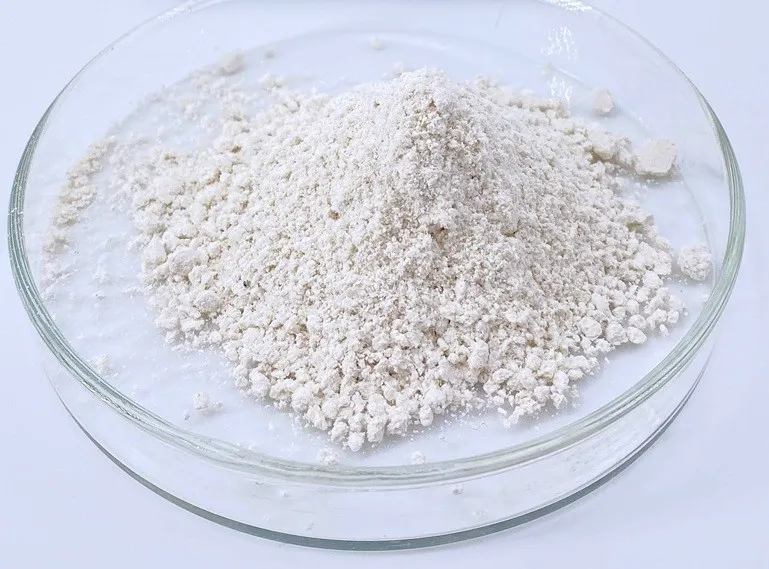
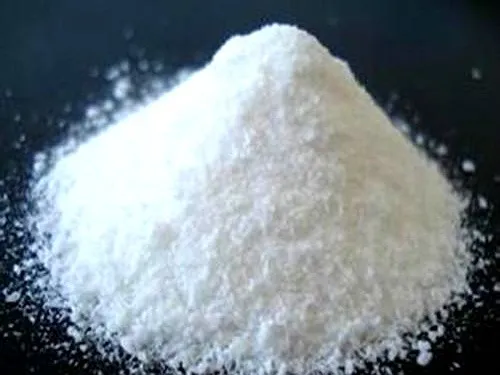
| Appearance | White to off-white powder/flakes, uniform particle size |
| Solubility | Verify in the intended solvent system |
| Heavy metals | Especially important for food, supplement, and medical grades |
| Microbial limits | TPC, E. coli, Salmonella, yeast/mold per applicable standards |
| Viscosity | Specified at defined concentration and temperature |
| Ash content | Residual mineral content from processing |
| Endotoxin levels | Critical for medical-grade applications |
Source Premium Chitosan from GreenSky Bio
Need chitosan in any grade — supplement, cosmetic, medical, or industrial? We provide full specifications, COAs, and custom DD/MW ranges to match your application.
→ Contact GreenSky Bio for chitosan specifications and samples