- 0086-571-85302990
- [email protected]




How is the best natural astaxanthin sourced from microalgae?
2026-08-15
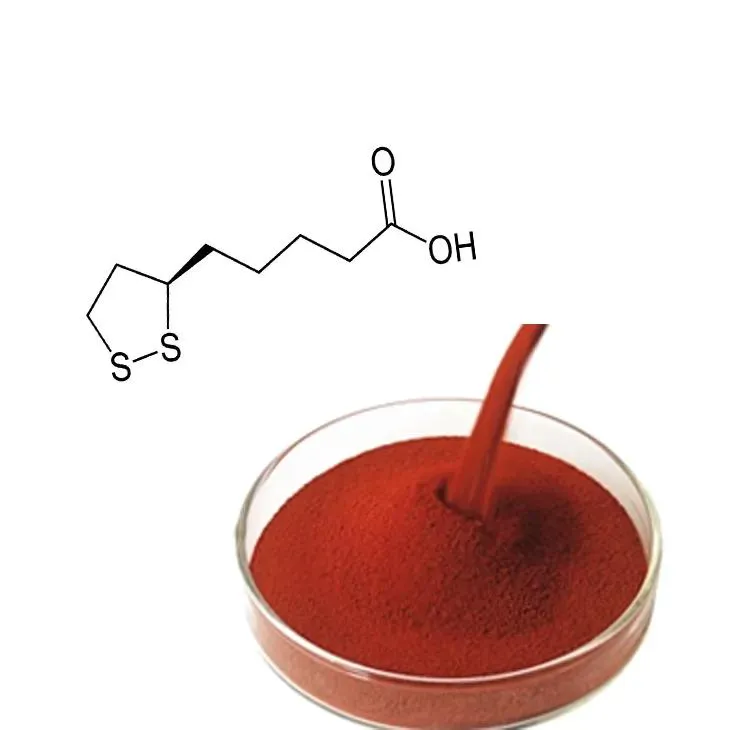
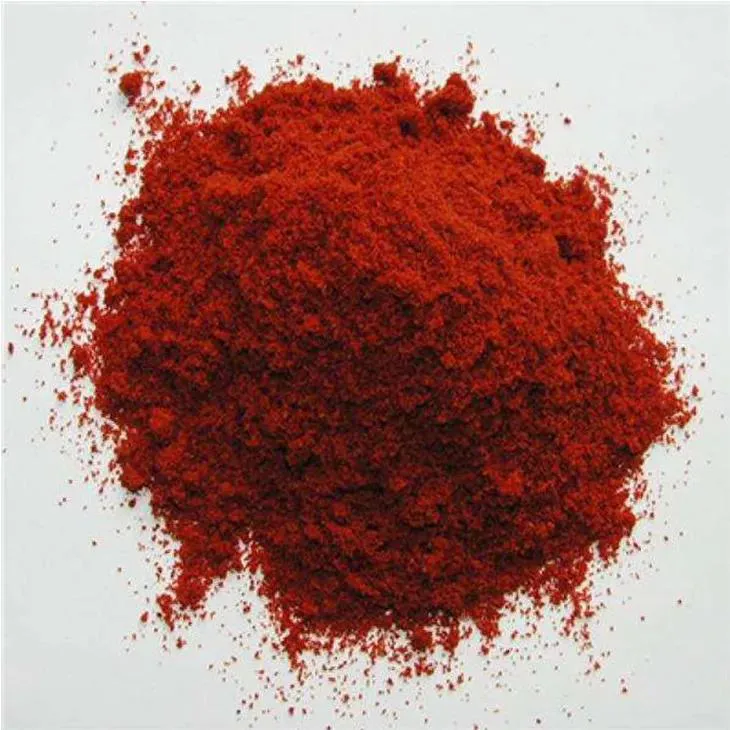
The salmon that graces dinner plates, the pink shrimp in a seafood bowl, and the flamingo's soft coral feathers all owe their color to one molecule: Astaxanthin. It is one of the most striking red carotenoids in nature, yet the animals that wear it rarely make it themselves. The real source sits much lower in the food chain, in a humble green microalga called Haematococcus pluvialis. Understanding how the best natural Astaxanthin is sourced from microalgae is the key to knowing what separates a premium ingredient from a mediocre one.
For anyone buying Astaxanthin in bulk, the question is not just "is it natural?" but "how was it grown, harvested, extracted and verified?" The answer shapes stability, purity and consistency from one batch to the next. This article walks through the entire sourcing journey and explains what to look for in a trustworthy astaxanthin supplier.
Why microalgae produce astaxanthin in the first place
In its normal growth phase, Haematococcus pluvialis is green. But when the alga is pushed into stress conditions such as intense light, limited nutrients or other environmental pressure, it begins to synthesize astaxanthin as a protective shield. As the pigment accumulates inside its cells, the alga turns from green to deep red. This natural defense is the foundation of commercial production: manufacturers simply steer the alga's own survival response, then capture the red antioxidant for human use.
Not every astaxanthin on the market comes from this route. It can also be made through chemical synthesis, and chemically produced astaxanthin is widely used in animal feed. For human nutrition, however, natural astaxanthin from microalgae is preferred because it aligns with clean-label, plant-based and natural positioning. Astaxanthin can also be recovered from shrimp and crab shell by-products, but those sources carry lower concentrations and more processing complexity, which is why microalgae remain the most important natural source for high-end applications.
The sourcing journey, step by step
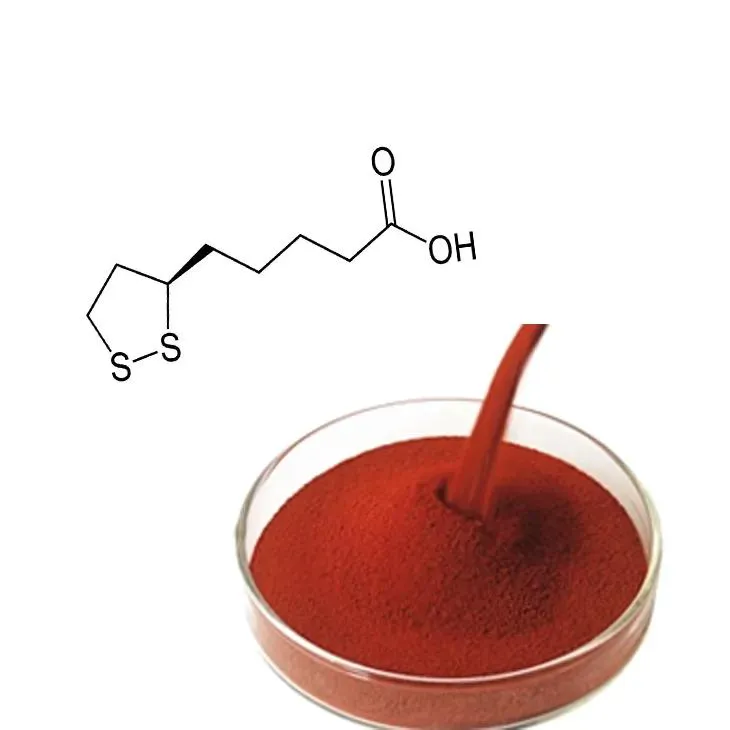
High-quality natural astaxanthin is not a simple "grow algae, scoop up pigment" operation. It is a tightly controlled chain of cultivation, stress induction, harvesting, cell disruption, extraction, purification and antioxidant protection. Each stage can change the final quality, stability and potency of the ingredient.
Step 1: Cultivating the microalgae
Production begins by growing Haematococcus pluvialis under controlled conditions. Producers must carefully manage nutrients, light, temperature, oxygen, pH and contamination risk, because all of these shape growth rate, biomass stability and overall yield. Three cultivation approaches dominate the industry: open ponds, photobioreactors and closed bioreactors. Open ponds are the simplest and most economical, but they offer limited control and greater exposure to contaminants and weather. Photobioreactors use clear tubing or panels to regulate light and temperature more precisely. Closed bioreactors go furthest, sealing the environment so every parameter can be monitored and adjusted, which lowers contamination risk and supports reproducible, year-round output.
Step 2: Inducing astaxanthin accumulation
Once enough biomass has been grown, the culture enters the stress phase. The green cells are exposed to targeted conditions that push them to accumulate astaxanthin and turn red. This stage is a delicate balance: stress that is too weak yields low pigment, while stress that is too aggressive can damage the cells before they produce meaningful amounts.
Step 3: Harvesting the biomass
When the algae have stored enough astaxanthin, the red biomass is separated from the growth medium. Harvesting must be handled gently, since astaxanthin is sensitive to light, oxygen and heat. Rough handling at this stage can lower the pigment's stability before extraction even begins.
Step 4: Breaking the cell walls
Astaxanthin is stored inside the cells, and Haematococcus pluvialis builds a tough cell wall during its red stage. Unless that barrier is broken, the pigment stays trapped. Cell disruption can be done mechanically, chemically, enzymatically or with heat. Mechanical routes such as high-pressure homogenization, bead milling and ultrasonication are effective but must be strictly controlled, because excess heat or oxygen exposure can damage astaxanthin. Enzymatic methods are often discussed as a gentler alternative that helps break down the wall under milder conditions. The goal is always the same: release the pigment efficiently while protecting its natural structure and antioxidant quality.
Step 5: Extracting the pigment
Astaxanthin is fat-soluble, which means it dissolves more easily in oils and organic solvents than in water. Extraction therefore uses methods that pull the pigment out of the algal material and concentrate it. Both solvent extraction and supercritical CO2 extraction are used, and the latter is frequently highlighted for its advantages. Supercritical CO2 extraction runs at high pressure and controlled temperature, using carbon dioxide in a state that behaves like both a liquid and a gas. It penetrates the material and dissolves astaxanthin without harsh chemical solvents, operates at relatively low temperature to guard against heat degradation, limits oxygen exposure and leaves no solvent residue. The result is a cleaner, more stable extract. After extraction, the final product is typically standardized to a specific astaxanthin concentration so that every batch delivers consistent active content.
Step 6: Purification and quality control
Once extracted, the astaxanthin-rich material may go through further purification and testing to remove unwanted residues, verify concentration and confirm it meets quality standards. Quality control typically covers identity, purity, potency, heavy metals, microbial contamination, solvent residue and stability. This step matters enormously for dietary ingredients, where consistency and safety are non-negotiable.
Step 7: Protecting astaxanthin from degradation
Astaxanthin is powerful but fragile. Light, oxygen, heat and poor storage conditions can all reduce its stability. Production does not end at extraction: packaging, formulation and storage all preserve quality. Because the molecule is fat-soluble, it is often formulated with oils to support stability and absorption, and delivered as softgels, capsules, microencapsulated powder or functional foods.
Why the source matters for anyone buying in bulk
Not all astaxanthin ingredients are equal. The final quality depends on the source, the cultivation method, the extraction process, the formulation and the packaging. Natural astaxanthin from Haematococcus pluvialis is a demanding ingredient because it comes from living microalgae and must be protected throughout processing. A well-controlled process preserves its natural antioxidant power and supports a more stable, consistent finished product. That is why serious brands emphasize the algal source, controlled cultivation, clean extraction, stability protection and third-party quality testing.
Beyond the antioxidant function, natural astaxanthin has been studied for its role in protecting the eyes and skin, supporting cardiovascular health and boosting immunity. These benefits are part of why demand for the ingredient keeps growing across supplements, cosmetics and functional foods.
What to look for in a natural astaxanthin supplier
When you evaluate a manufacturer, a long product page is not enough. Look for verifiable commitment to the process described above: controlled cultivation, clean extraction and rigorous testing. A manufacturer with an in-house laboratory equipped with GC, HPLC and UV instruments can verify identity and purity rather than relying on certificates of analysis from elsewhere. Production areas that meet food-grade cleanroom standards, such as a 100,000-class clean production environment, reduce contamination risk during handling. Recognized certifications including ISO22000, BRCGS, Ecocert Organic Standard, SGS-GMP, ISO9001, HALAL and Kosher signal that quality systems are audited by independent bodies.
Longevity and integration also matter. A company with more than two decades in botanical ingredients and vertically integrated research, production and sales is better positioned to keep consistent supply and respond to changing specifications. Established manufacturers with export experience to markets such as Europe, the United States, South Korea and Russia are accustomed to the documentation and regulatory submissions that global buyers require.
Greensky, a manufacturer founded in 2004 and headquartered in Hangzhou, China, produces natural plant extracts and health product raw materials. Its astaxanthin is offered as an antioxidant-rich ingredient for protecting eyes and skin, supporting cardiovascular health and boosting immunity. If you are looking to source natural astaxanthin for your formulations, you can review the product details and request specifications from the natural astaxanthin product page, or contact the team to buy astaxanthin in bulk with the quality documentation you need.
A complex journey behind a premium ingredient
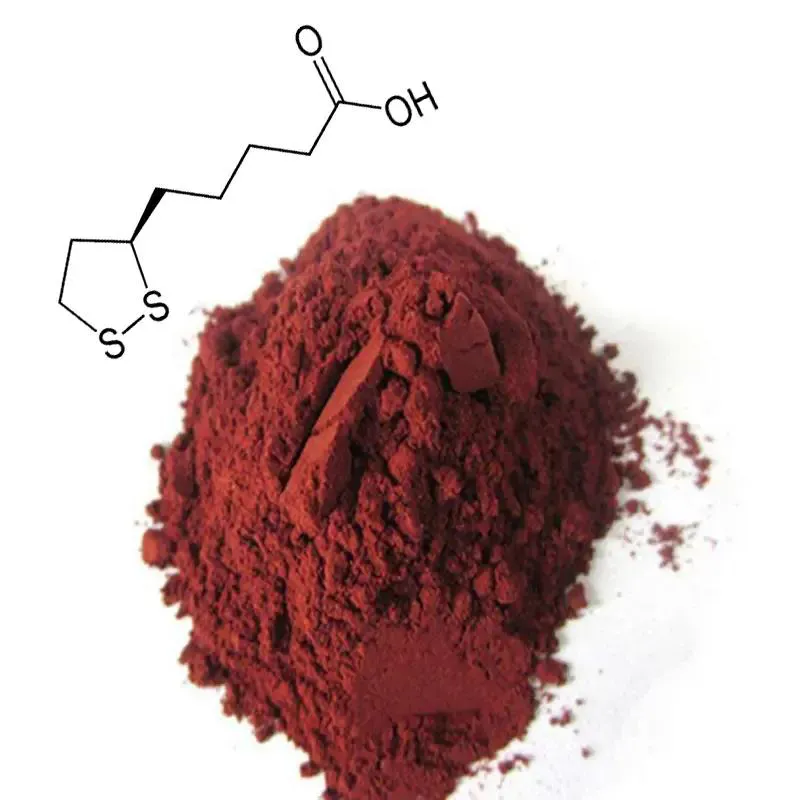
Natural astaxanthin begins as a tiny microalga responding to stress and ends as a carefully formulated ingredient. The journey covers cultivation, triggering the natural red-pigment response, harvesting the biomass, breaking the cells, extracting the carotenoid, purifying the material and protecting it from oxidation. For buyers, this process matters because ingredient quality is tied directly to how it is produced. A premium natural astaxanthin product is defined not by the word "natural" on a label, but by the care invested at every link in the chain, from microalga to finished capsule.
TAGS:
- ▶ Hesperidin
- ▶ Citrus Bioflavonoids
- ▶ Plant Extract
- ▶ lycopene
- ▶ Diosmin
- ▶ Grape seed extract
- ▶ Sea buckthorn Juice Powder
- ▶ Fruit Juice Powder
- ▶ Hops Extract
- ▶ Artichoke Extract
- ▶ Mushroom extract
- ▶ Astaxanthin
- ▶ Green Tea Extract
- ▶ Curcumin
- ▶ Horse Chestnut Extract
- ▶ Other Product
- ▶ Boswellia Serrata Extract
- ▶ Resveratrol
- ▶ Marigold Extract
- ▶ Grape Leaf Extract
- ▶ New Product
- ▶ Aminolevulinic acid
- ▶ Cranberry Extract
- ▶ Red Yeast Rice
- ▶ Red Wine Extract
- ▶ blog
-
Coconut Water Powder
2026-08-15
-
Fenugreek Extract Powder
2026-08-15
-
Soy Extract
2026-08-15
-
Artichoke Extract
2026-08-15
-
Garcinia Cambogia Extract
2026-08-15
-
Rhodiola Rosea Extract
2026-08-15
-
Feverfew Extract
2026-08-15
-
Tinospora cordifolia extract
2026-08-15
-
Bamboo Leaf extract
2026-08-15
-
Quercetin
2026-08-15