- 0086-571-85302990
- [email protected]




NMN (Nicotinamide Mononucleotide)
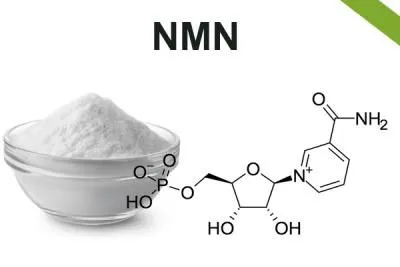
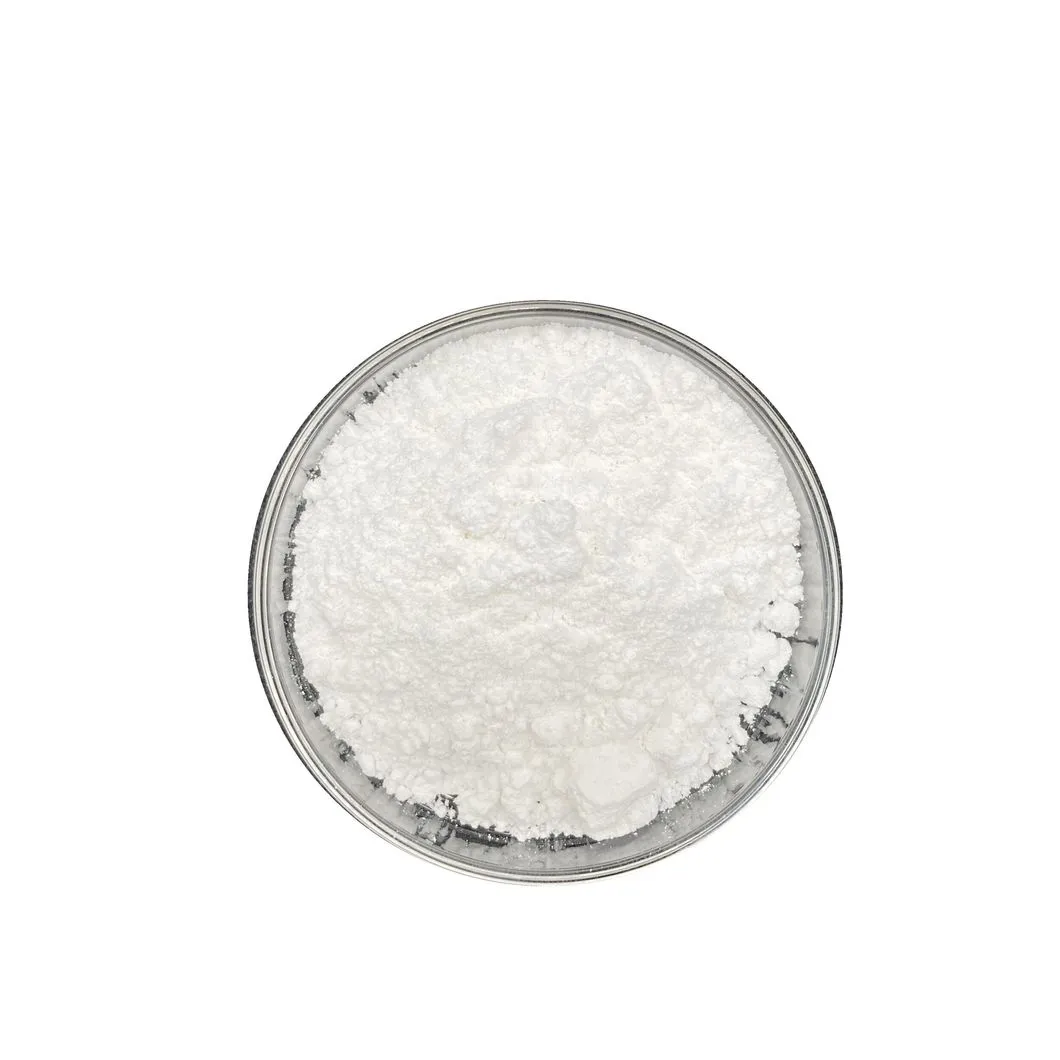
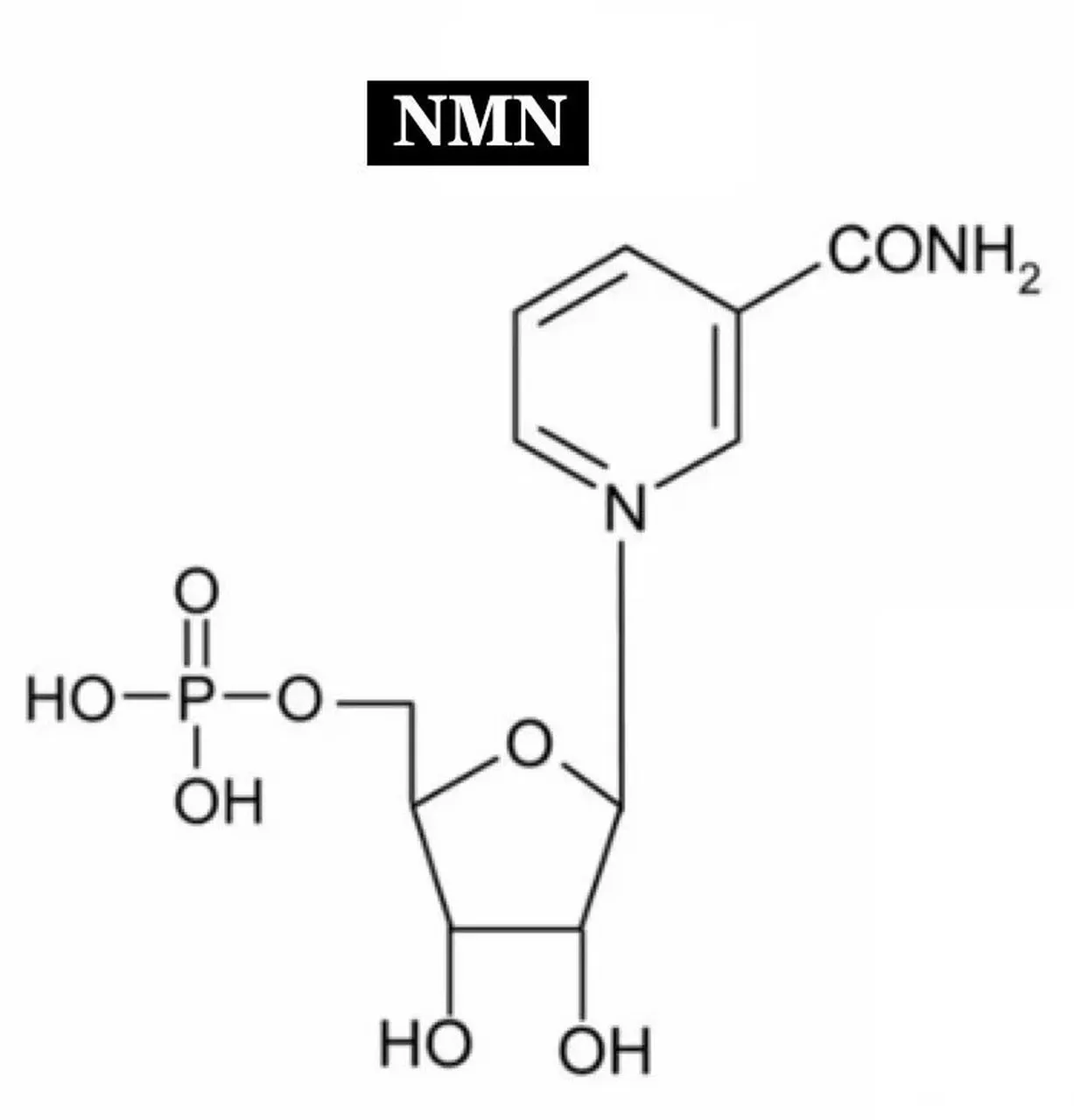
Table of Contents
NMN (Nicotinamide Mononucleotide) has emerged as one of the most researched anti-aging ingredients of the 2020s. As a direct precursor to NAD+ — the essential coenzyme that powers over 500 enzymatic reactions in every cell — NMN addresses a fundamental driver of aging: the progressive decline of cellular NAD+ levels. This guide covers everything from the science behind NMN to practical sourcing advice for brands and formulators.
1. What Is NMN and Why Is It Important for Anti-Aging?
Q: What is NMN and why is it important for anti-aging?
NMN (Nicotinamide Mononucleotide) is a direct precursor to NAD+ (Nicotinamide Adenine Dinucleotide), a coenzyme found in every living cell. NAD+ levels decline by 30-50% between ages 25 and 65, contributing to mitochondrial dysfunction, reduced DNA repair capacity, and age-related metabolic decline.
Supplementing with NMN helps restore NAD+ levels, supporting:
Cellular energy production — NAD+ is essential for ATP generation in mitochondria
Sirtuin activation — NAD+ is the required cofactor for SIRT1-SIRT7 proteins that regulate DNA repair and metabolic homeostasis
DNA damage repair — NAD+ fuels PARP enzymes critical for genomic stability
Healthy aging pathways — supporting inflammation regulation and cellular stress response
2. What Is the Difference Between NAD+, NMN, and NR?
Q: What is the difference between NAD+, NMN, and NR?
NAD+ is the target coenzyme itself, while NMN (Nicotinamide Mononucleotide) and NR (Nicotinamide Riboside) are both precursors that the body converts into NAD+.
| Feature | NAD+ | NMN | NR |
|---|---|---|---|
| Role | Target coenzyme | Direct precursor (1 step to NAD+) | Indirect precursor (2 steps to NAD+) |
| Biosynthesis Path | — | NMN → NAD+ (via NMNAT) | NR → NMN → NAD+ |
| Oral Bioavailability | Very low (degrades in GI tract) | Moderate to good | Good (well-documented) |
| Human Clinical Data | Limited | Growing (multiple RCTs since 2020) | Extensive (since 2017) |
| Tissue NAD+ Boost | N/A | Efficient in muscle, brain, liver | Effective across tissues |
| Typical Dose | N/A | 250-500 mg/day | 250-500 mg/day |
NMN is one enzymatic step closer to NAD+ than NR in the biosynthesis pathway. Research suggests NMN may raise tissue NAD+ levels more efficiently in certain organs, though both are effective.
3. What Dosage of NMN Is Recommended?
Q: What dosage of NMN is recommended for anti-aging benefits?
Clinical studies typically use 250-500 mg of NMN per day for healthy adults:
Dr. Shin-ichiro Imai (Washington University) — used 250 mg daily, showing improved insulin sensitivity and muscle function in older adults
Keio University (Japan) — 250 mg daily for 10 weeks showed significant NAD+ level increases in blood
Multiple safety studies — 500 mg daily used without reported adverse effects over 12-week periods
For general wellness maintenance, 250 mg daily is common. For more intensive support, 500 mg daily has been used in multiple studies. Always start at the lower end and consult a healthcare professional.
4. Is NMN Safe for Long-Term Use?
Q: Is NMN safe for long-term use?
Multiple human clinical trials have demonstrated NMN's safety profile:
Endocrine Journal (12-week study) — 500 mg daily was well-tolerated with no significant adverse events
Journal of the International Society of Sports Nutrition (2022) — confirmed safety at 500 mg daily over 12 weeks in active adults, with improved aerobic capacity
Washington University (2023) — 250 mg daily for 10 weeks in postmenopausal women with prediabetes, showing improved insulin sensitivity
Long-term safety data (1+ years) is still accumulating. NMN remains classified as a dietary supplement ingredient in most jurisdictions, though regulatory status varies by country. Always source from manufacturers who can provide full toxicology and safety dossiers.
5. How to Source High-Quality NMN Powder
Q: What should I look for when sourcing high-quality NMN powder?
Key quality indicators for NMN sourcing:
| Purity | ≥99% confirmed by HPLC analysis (HPLC is the gold standard for NMN quantification) |
| Correct Isomer | Must be beta-NMN (not alpha-NMN, which is biologically inactive) |
| Third-Party Testing | Heavy metals, microbial contamination, and residual solvents per USP/EP standards |
| Packaging | Moisture-barrier materials with desiccant (NMN is hygroscopic) |
| COA | Certificate of Analysis from ISO 17025 accredited laboratory |
| Manufacturing | GMP-certified facility with documented quality management system |
GreenSky Bio provides full traceability and comprehensive COAs for all NMN batches, including HPLC chromatograms and isomer verification.
6. How Should NMN Be Stored?
Q: How should NMN be stored to maintain potency?
NMN is sensitive to moisture, heat, and light. Optimal storage conditions:
| Factor | Requirement | Rationale |
|---|---|---|
| Temperature | 2-8°C (long-term); 15-25°C (short-term <3 months) | Higher temperatures accelerate degradation |
| Humidity | Relative humidity below 40% | NMN is hygroscopic — absorbs moisture and degrades |
| Packaging | Opaque, moisture-barrier containers + desiccant | Protects from light and moisture |
| Light | Dark containers, away from direct sunlight | UV exposure can degrade NMN over time |
| Shelf Life | ≥24 months at proper conditions | Maintains ≥98% purity when stored correctly |
7. Can NMN Be Combined with Other Supplements?
Q: Can NMN be combined with other anti-aging supplements?
Yes, NMN is commonly stacked with complementary compounds for synergistic effects:
| Combination | Dose Range | Synergy Mechanism |
|---|---|---|
| Resveratrol | 100-500 mg | Activates SIRT1, which requires NAD+ as cofactor — creates a powerful anti-aging axis |
| Pterostilbene | 50-200 mg | Resveratrol analogue with 4x better bioavailability; same SIRT1 activation pathway |
| Quercetin / Fisetin | 500-1000 mg / 100-500 mg | Senolytics that clear senescent cells, complementing NMN's cellular repair support |
| TMG (Trimethylglycine) | 500-1000 mg | Supports methylation pathways that NAD+ metabolism depends on |
| Alpha-Lipoic Acid | 300-600 mg | Universal antioxidant that complements mitochondrial energy support |
These combinations target multiple aging pathways simultaneously: NAD+ restoration + sirtuin activation + senescent cell clearance + methylation support.
8. Primary Mechanisms of NMN for Healthy Aging
Q: What are the primary mechanisms by which NMN supports healthy aging?
NMN supports healthy aging through four key mechanisms:
1. NAD+ Restoration
Replenishes declining NAD+ levels, which are essential for 500+ enzymatic reactions including energy metabolism, DNA repair, and gene expression regulation.
2. Sirtuin Activation
NAD+ is the required cofactor for sirtuins (SIRT1-SIRT7), proteins that regulate DNA repair, inflammation, mitochondrial biogenesis, and metabolic homeostasis.
3. Mitochondrial Function
Supports ATP production in the electron transport chain and reduces reactive oxygen species (ROS) generation, protecting cells from oxidative damage.
4. DNA Repair
NAD+ fuels PARP enzymes (PARP1, PARP2) critical for DNA damage repair. Declining NAD+ with age impairs DNA repair capacity, accelerating genomic instability.
9. Available Forms of NMN Supplements
Q: What forms of NMN supplements are available on the market?
| Form | Pros | Cons | Best For |
|---|---|---|---|
| Powder | Pure, flexible dosing, cost-effective | Requires measuring, hygroscopic | Formulators, experienced users |
| Capsules | Convenient, pre-measured (125-250 mg) | Fixed dose, higher cost per mg | General consumers |
| Sublingual tablets | Potentially bypasses first-pass metabolism | Taste, limited dose per tablet | Users seeking faster absorption |
| Liposomal NMN | Enhanced bioavailability via lipid encapsulation | Premium pricing, stability concerns | Users prioritizing absorption |
| Enteric-coated | Survives stomach acid for intestinal delivery | More complex manufacturing | Users with GI sensitivity |
10. GreenSky Bio's Quality Assurance for NMN
Q: How does GreenSky Bio ensure NMN quality and regulatory compliance?
GreenSky Bio maintains rigorous quality standards for NMN:
GMP-certified manufacturing with ISO 9001 quality management systems
HPLC analysis for every batch — confirming purity (≥99%), identity, and beta-NMN isomer verification
Full panel testing — heavy metals (Pb, As, Cd, Hg), microbial limits, residual solvents per USP/EP standards
Comprehensive COAs from independent ISO 17025 accredited third-party labs
Stable-isotope labeling capability for authenticity verification and metabolic studies
Regulatory documentation support for FDA, EFSA, and TGA compliance submissions
Source Premium NMN from GreenSky Bio
Need high-purity β-NMN powder with full documentation? Our team provides custom specifications, third-party COAs, and competitive pricing for brands and formulators worldwide.