- 0086-571-85302990
- [email protected]






How is beetroot powder used in supplements and foods?
2026-08-19
Beetroot powder has quietly become one of the most versatile ingredients in the health and food industries. Walk through any supplement aisle and you will find it in pre-workout formulas, capsules, and powder blends. Scan the labels of bakery goods, juices, and natural food colorings and it shows up there too. Its deep red color, earthy sweetness, and well-documented nitrate content make it useful far beyond the smoothie bowl. This article explains how beetroot powder is actually used in supplements and foods, and what formulators should look for when sourcing it.
What exactly is beetroot powder?
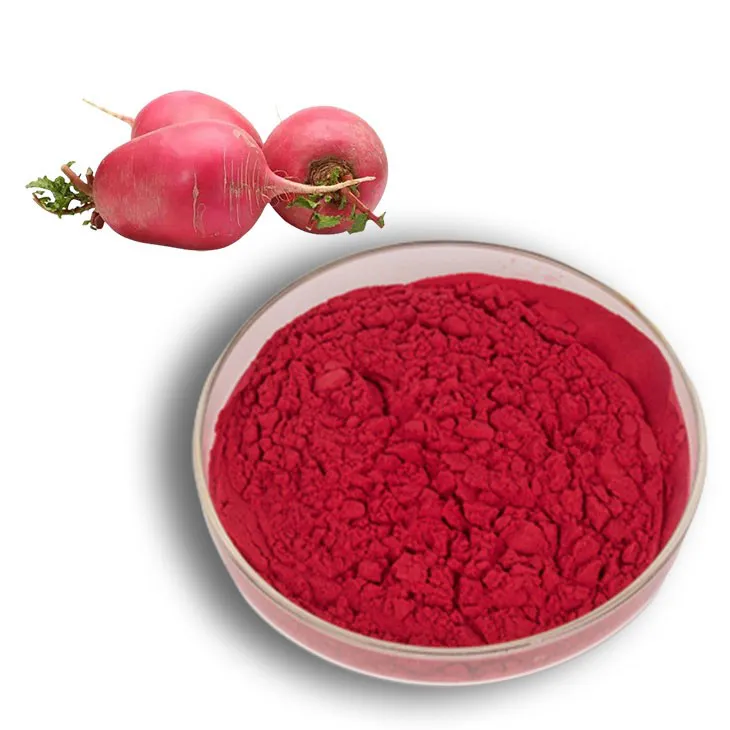
Beetroot powder is a natural powder made from beetroots (Beta vulgaris). Whole beets are washed, sliced, dried at low temperature, and milled into a fine powder. The result keeps most of the root's color, flavor, and nutrients in a shelf-stable form that is easy to dose, blend, and transport.
There are two common forms on the market. The first is basic dried beet powder, which is simply whole beets ground down with nothing removed. The second is a concentrated extract, often labeled with a ratio such as 10:1, meaning it took roughly ten grams of raw beet to produce one gram of powder. Concentrated extracts deliver more active compounds per gram, which is why they are preferred in supplements where dosage matters.
The active compounds that make it useful
Most of the interest in beetroot powder comes down to a few naturally occurring compounds:
- Dietary nitrate — converted by the body into nitric oxide, which helps relax blood vessel walls and supports healthy blood pressure and exercise performance.
- Betalains — the red-purple pigments, mainly betanin, that act as antioxidants and give beetroot its signature color.
- Folate and manganese — micronutrients that add to the nutritional profile of the powder.
Because these compounds are sensitive to heat, quality beetroot powder is produced with low-temperature drying to keep the nitrate and pigment content intact.
How beetroot powder is used in supplements
In the supplement industry, beetroot powder appears in several formats depending on the target benefit and the dosage form:
Pre-workout and sports nutrition
This is the most common use. Athletes take beetroot powder two to three hours before training so that nitrate has time to convert into nitric oxide, which improves oxygen efficiency during exercise. It is sold as a standalone powder, mixed into pre-workout blends, or combined with other nitric-oxide supporters such as L-citrulline.
Capsules and tablets
For consumers who dislike the earthy taste, beetroot powder is encapsulated or pressed into tablets. Concentrated extracts are the practical choice here, because a small capsule can hold enough active material to reach a meaningful nitrate dose.
Daily wellness powders
Many brands sell beetroot powder as a daily supplement to be stirred into water, juice, or yogurt. A typical serving is one to three teaspoons, and the powder blends easily without changing the flavor of the drink too much.
For supplement brands, the key specification is nitrate content per serving. A powder that does not disclose its nitrate level makes dosing nearly impossible, so reputable manufacturers always test and label this value.
How beetroot powder is used in foods and beverages
In food manufacturing, beetroot powder plays two roles at once: it adds color and it adds nutrition.
Natural food coloring
The betalain pigments give beetroot powder a vivid red-pink shade that is used to color baked goods, pasta, frostings, yogurt, and confectionery without artificial dyes. It is a popular clean-label alternative to synthetic colorants, and it works well in muffins, cakes, pancakes, and energy bars.
Beverages and juice powders
Beetroot powder dissolves readily in water, making it a convenient base for instant drinks, smoothie mixes, and sports beverages. A related product, beetroot juice powder, is made from beet juice and is widely used to enhance energy, support blood circulation, and aid liver detoxification in functional beverage formulas.
Soups, sauces, and dressings
A spoonful of beetroot powder adds earthy depth and a rich color to tomato-based soups, stews, hummus, and salad dressings. It is a simple way for food brands to add a nutritional story to everyday products.
One practical note for food formulators: high heat degrades nitrate, so when beetroot powder is used in baking primarily for color, the metabolic benefits are reduced. For applications where the active compounds matter, lower-temperature processing and shorter cooking times preserve more of the nitrate.
Why formulators keep choosing beetroot powder
Three benefits drive most of the demand. First, the cardiovascular angle: dietary nitrate supports healthy blood pressure through the nitrate-nitrite-nitric-oxide pathway, and this is the most evidence-backed use of beetroot. Second, the performance angle: athletes use it to reduce the oxygen cost of exercise and improve endurance. Third, the clean-label angle: it provides natural color and nutrition in one ingredient, which fits the growing consumer preference for recognizable, plant-based ingredients.
What to look for in a beetroot powder supplier
For supplement and food brands, the quality of the raw material determines the quality of the finished product. A few things matter most when sourcing beetroot powder:
- Nitrate and pigment content — verified by lab testing, not just claimed.
- Low-temperature processing — preserves the active compounds that heat destroys.
- Consistent particle size and color — important for blending and for end-product appearance.
- Food-grade production and certifications — such as ISO, HALAL, Kosher, and organic standards, which simplify regulatory approval in export markets.
- Reliable supply and documentation — including certificates of analysis and export registration for global submissions.
Greensky, a Hangzhou-based manufacturer with more than twenty years of experience in plant extracts, produces beetroot powder under food-grade conditions, with an independent laboratory, low-temperature drying equipment, and certifications including ISO22000, BRCGS, HALAL, and Kosher. For brands looking for a dependable source of the best beetroot powder for supplements or food applications, working directly with a manufacturer ensures consistent quality, transparent testing, and full documentation.
The bottom line
Beetroot powder earns its place in both supplements and foods because it is genuinely multifunctional: it supports cardiovascular health and exercise performance through dietary nitrate, provides antioxidant pigments, and delivers natural color for clean-label products. Whether it is encapsulated for a daily wellness line, blended into a pre-workout formula, or used to color a bakery product, the ingredient performs best when sourced from a manufacturer that controls quality from raw beet to finished powder.
- ▶ Hesperidin
- ▶ Citrus Bioflavonoids
- ▶ Plant Extract
- ▶ lycopene
- ▶ Diosmin
- ▶ Grape seed extract
- ▶ Sea buckthorn Juice Powder
- ▶ Fruit Juice Powder
- ▶ Hops Extract
- ▶ Artichoke Extract
- ▶ Mushroom extract
- ▶ Astaxanthin
- ▶ Green Tea Extract
- ▶ Curcumin
- ▶ Horse Chestnut Extract
- ▶ Other Product
- ▶ Boswellia Serrata Extract
- ▶ Resveratrol
- ▶ Marigold Extract
- ▶ Grape Leaf Extract
- ▶ New Product
- ▶ Aminolevulinic acid
- ▶ Cranberry Extract
- ▶ Red Yeast Rice
- ▶ Red Wine Extract
- ▶ blog
-
Sea buckthorn oil
2026-08-19
-
Berberis aristata Extract
2026-08-19
-
Astaxanthin
2026-08-19
-
Apricot Powder
2026-08-19
-
Phosphatidylserine
2026-08-19
-
Hedyotis Diffusa Extract
2026-08-19
-
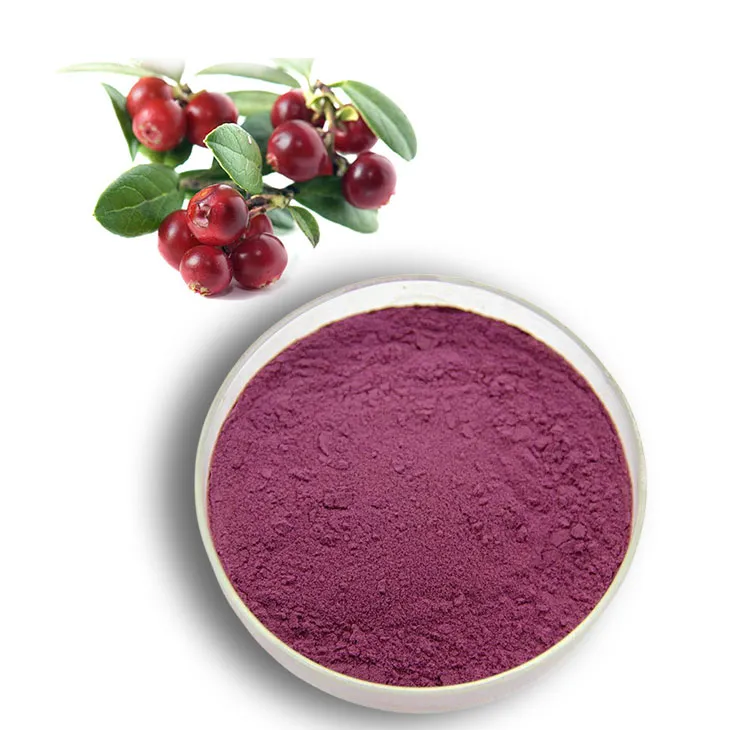
Bilberry Extract
2026-08-19
-
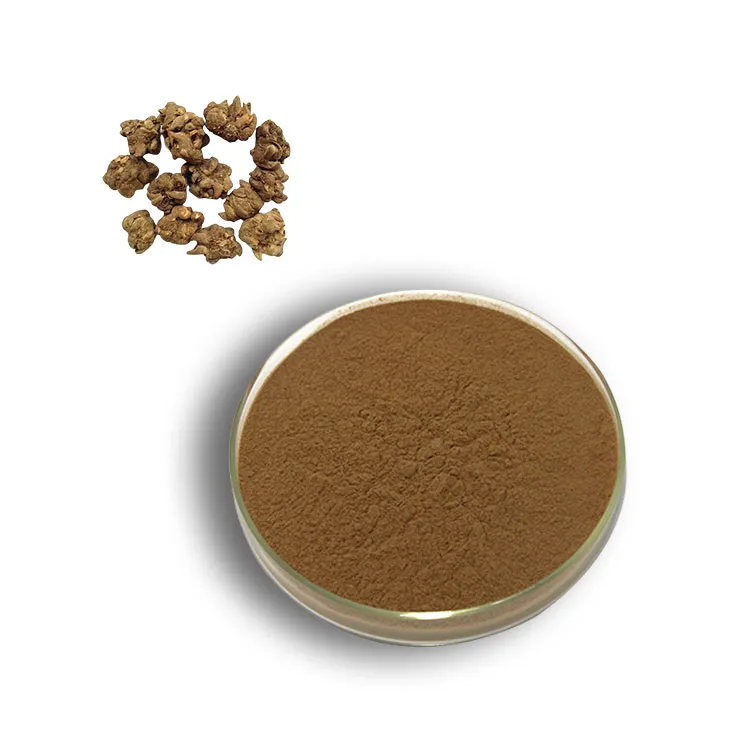
Cat Claw Extract
2026-08-19
-
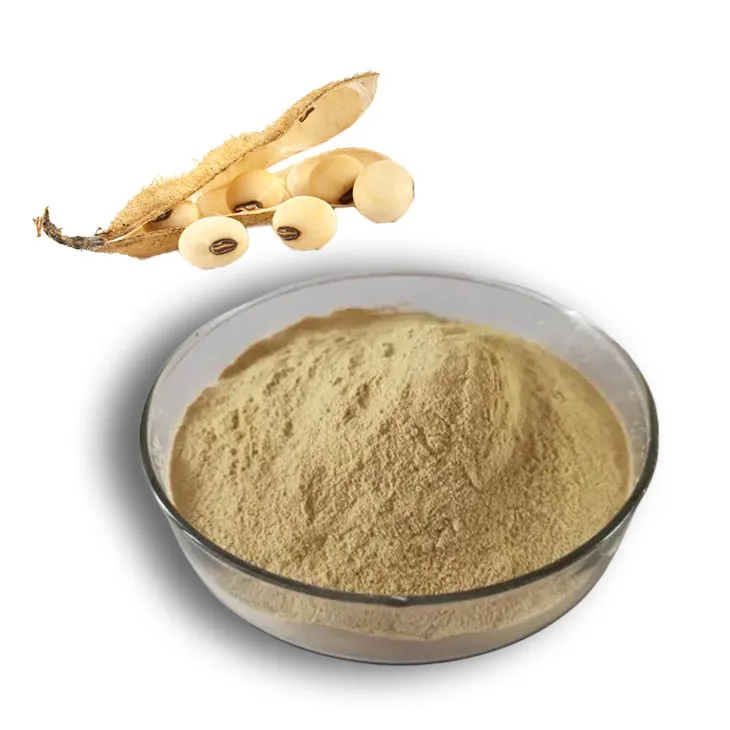
Soy Extract
2026-08-19
-
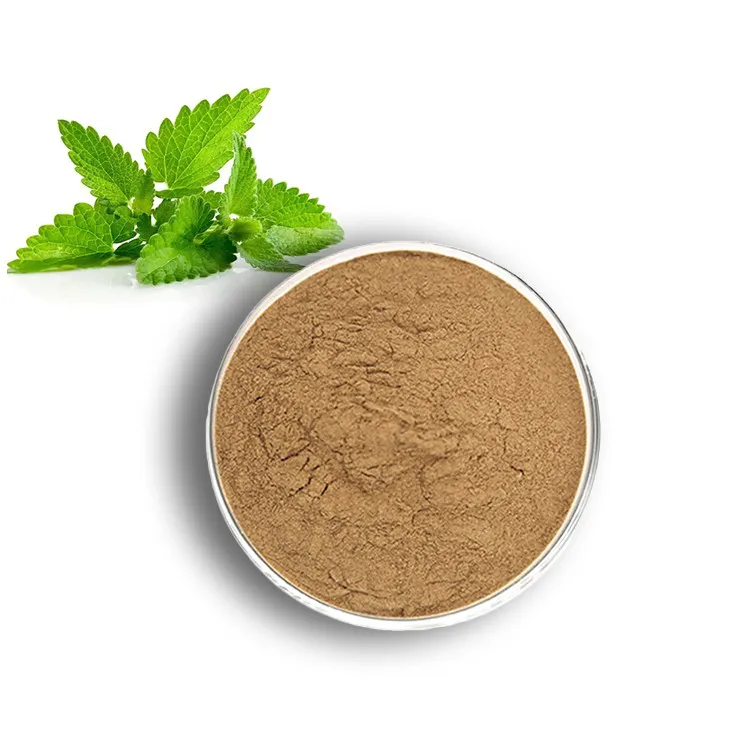
Lemon Balm Extract
2026-08-19
