We have five factories and 23 years of experience in plant extracts
- 0086-571-85302990
- [email protected]






How does milk thistle extract support liver detoxification?
2026-08-13
Related Product
Milk Thistle Extract
We are the leading milk thistle extract manufacturer and also the leading supplier and exporter of milk thistle extract. We specialize in providing natural and organic milk thistle extract to meet your needs.
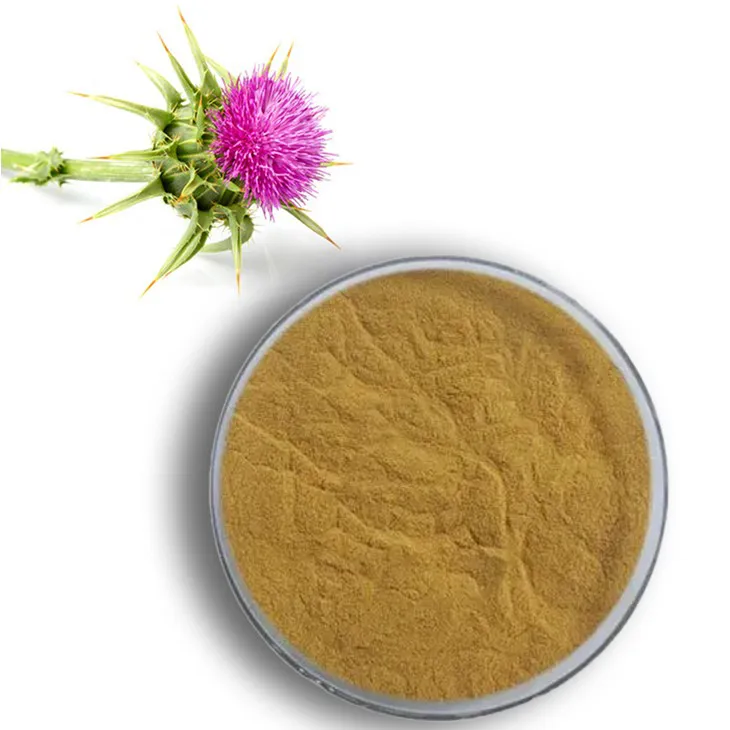
Milk thistle (Silybum marianum) has earned a reputation as one of the most trusted botanicals for liver care, and the demand for high-quality milk thistle extract keeps growing among supplement makers and functional food formulators. The plant has been used in traditional medicine for more than two thousand years, largely because its seeds carry a concentrated complex of active compounds. Understanding how this extract actually supports liver detoxification matters whether you are a formulation scientist, a purchasing manager, or a brand owner choosing a raw material partner.
The active chemistry behind milk thistle is a group of flavonolignans known collectively as silymarin. Extracted from the seeds, silymarin includes compounds such as silibinin, silychristin, and silydianin. Silibinin is the most studied of the group and largely drives the liver-protective effects that make Milk Thistle Extract a staple ingredient in hepatoprotection supplements.
What liver detoxification really means
The liver is the body's main filtering organ. It processes alcohol, drugs, environmental pollutants, and metabolic waste, converting them into forms the body can safely remove. This constant workload creates oxidative stress, because the breakdown of toxins produces reactive molecules that can damage liver cells. Over time, poor diet, medication, and alcohol misuse can overwhelm the liver's natural defenses, leading to inflammation and impaired function.
This is where silymarin steps in. It supports the liver in several parallel ways rather than through a single mechanism, which is why it has been studied so extensively.
Neutralizing free radicals before they cause damage
Silymarin acts as a scavenger of free radicals, unstable molecules produced during detoxification that can attack the lipids, proteins, and DNA of liver cells. By neutralizing these reactive species, it limits the oxidative damage that drives conditions such as alcoholic liver disease and non-alcoholic fatty liver disease. This antioxidant activity is the foundation of the extract's protective role.
Boosting glutathione, the liver's own detoxifier
Glutathione is a powerful antioxidant produced inside liver cells, and it plays a central part in removing harmful substances from the bloodstream. Silymarin has been shown to raise glutathione levels within hepatocytes. With more glutathione available, the liver can neutralize toxins more effectively, including heavy metals, pollutants, and by-products of alcohol metabolism. This makes Milk Thistle Extract especially relevant for people regularly exposed to environmental or dietary toxins.
Cooling inflammation and stabilizing cell membranes
Chronic inflammation is a common driver of progressive liver disease. Silymarin helps reduce the production of pro-inflammatory cytokines such as TNF-alpha and interleukins, lowering the inflammatory burden on the organ. At the same time, it stabilizes liver cell membranes, preventing the leakage of enzymes and other cellular contents that can irritate surrounding tissue. Together these effects help preserve healthy liver function even under stress.
Supporting the liver's natural repair process
The liver is one of the few organs that can regenerate, but chronic damage can weaken this ability. Research suggests silymarin supports liver cell regeneration by promoting protein synthesis and by activating pathways tied to cellular defense, including the Nrf2 signaling pathway that regulates antioxidant and detoxification enzymes. Supporting these natural repair mechanisms is what distinguishes a genuinely supportive botanical from a simple antioxidant.
Why raw material quality determines how well it works
The benefits above only hold if the extract is properly sourced, standardized, and tested. Silymarin content varies with the origin of the seeds and the extraction process, so a reliable supplier must document the actual concentration in every batch. For buyers, this is where working with an experienced plant extract manufacturer makes a real difference. A dependable partner should provide certificates of analysis, batch-to-batch consistency, and clear specifications for active compounds.
Choosing a Milk Thistle Extract supplier you can trust
When evaluating a plant extract supplier, look beyond the product sheet. Consider whether the company controls the full chain from research and development through production and sales, because vertical integration usually means tighter quality control. Manufacturing facilities should meet food-grade standards, and independent laboratories equipped with instruments such as GC, HPLC, and UV should verify purity and potency in-house.
Greensky, a plant extract factory based in Hangzhou with more than twenty years of experience, produces milk thistle extract under tight specifications. The company operates a 100,000-class clean production area, runs its own testing laboratory, and holds certifications including ISO22000, BRCGS, Ecocert Organic Standard, SGS-GMP, HALAL, and Kosher. Its export business reached roughly thirty million dollars in 2023, with customers across Europe, the United States, South Korea, and Russia. For a raw material as sensitive to quality as silymarin, this level of control matters.
Final thoughts
Milk thistle extract supports liver detoxification through a combination of antioxidant defense, glutathione support, anti-inflammatory action, membrane stabilization, and assistance with cell regeneration. For formulators and brands, the takeaway is clear: the science behind silymarin is well established, but the quality of the extract you source determines whether those benefits reach the end consumer. Working with a certified, vertically integrated manufacturer is the surest way to build a liver-support product that performs as claimed.
TAGS:
FAQ
- ▶ Hesperidin
- ▶ Citrus Bioflavonoids
- ▶ Plant Extract
- ▶ lycopene
- ▶ Diosmin
- ▶ Grape seed extract
- ▶ Sea buckthorn Juice Powder
- ▶ Fruit Juice Powder
- ▶ Hops Extract
- ▶ Artichoke Extract
- ▶ Mushroom extract
- ▶ Astaxanthin
- ▶ Green Tea Extract
- ▶ Curcumin
- ▶ Horse Chestnut Extract
- ▶ Other Product
- ▶ Boswellia Serrata Extract
- ▶ Resveratrol
- ▶ Marigold Extract
- ▶ Grape Leaf Extract
- ▶ New Product
- ▶ Aminolevulinic acid
- ▶ Cranberry Extract
- ▶ Red Yeast Rice
- ▶ Red Wine Extract
- ▶ blog
Recommended Products
-
Yellow Pine Extract
2026-08-13
-
Kidney Bean Extract
2026-08-13
-
Tamarind extract powder
2026-08-13
-
Nattokinase
2026-08-13
-
Purple Sweet Potato Extract
2026-08-13
-
Phosphatidylserine
2026-08-13
-
Clove Powder
2026-08-13
-
Passionflower Extract
2026-08-13
-
Angelica sinensis extract
2026-08-13
-
Sophora Japonica Flower Extract
2026-08-13
Get a Quote
