- 0086-571-85302990
- [email protected]




How does astaxanthin skin lightening compare to other brightening ingredients?
2026-08-15
Why Astaxanthin Is Different
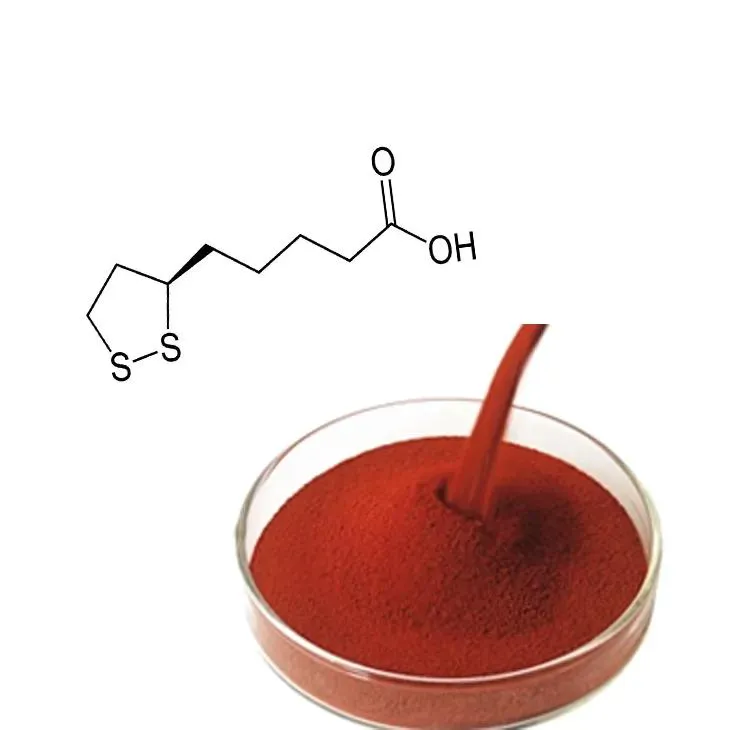
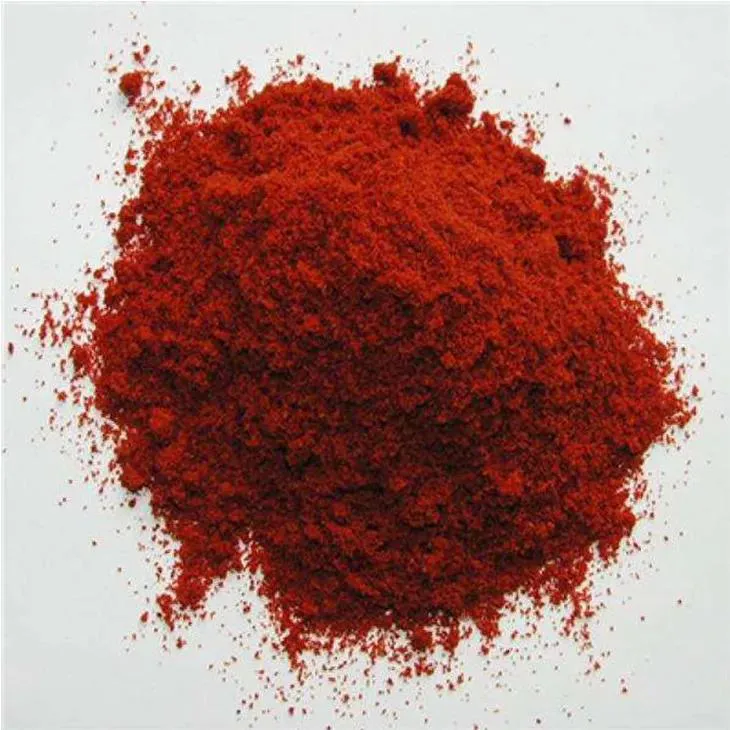
Astaxanthin is a carotenoid pigment produced by microalgae such as Haematococcus pluvialis, and it is the compound responsible for the pink color of salmon, shrimp, and flamingos. Unlike many brightening ingredients that work by shutting down melanin production alone, astaxanthin is first and foremost a powerful antioxidant. It scavenges free radicals generated by UV exposure and pollution before they can trigger the chain of events that leads to new pigment formation. This makes it a preventive, rather than purely corrective, brightening agent.
Its antioxidant capacity is widely described as far exceeding that of vitamin C and coenzyme Q10, which is why it is often called one of nature's most potent antioxidants. For a astaxanthin manufacturer, that antioxidant profile translates into a versatile ingredient that supports both skin luminosity and overall skin health, protecting eyes, skin, and immunity at the same time.
Astaxanthin vs. Vitamin C
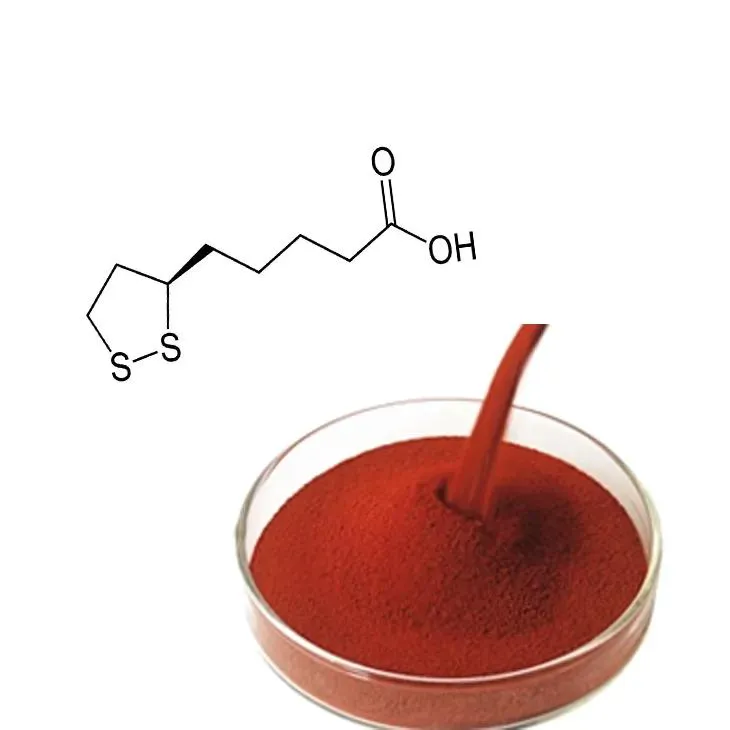
Vitamin C, especially L-ascorbic acid, is the benchmark brightening antioxidant. It inhibits the enzyme tyrosinase, reduces oxidized melanin, and boosts collagen synthesis. Its main drawback is instability: L-ascorbic acid degrades quickly in air, water, and light, and it can sting or irritate sensitive skin. Astaxanthin, by contrast, is far more stable and is generally well tolerated even by reactive skin types. Where vitamin C targets pigmentation directly, astaxanthin defends the skin from oxidative triggers, which is why the two are often paired rather than swapped.
Astaxanthin vs. Niacinamide
Niacinamide (vitamin B3) does not stop melanin from being made. Instead, it blocks the transfer of melanosomes from melanocytes to keratinocytes, which reduces how much pigment actually reaches the surface of the skin. It is gentle, well tolerated, and works nicely in combination with other actives. However, niacinamide offers little direct antioxidant protection against UV-induced free radicals. Astaxanthin and niacinamide can therefore work together: niacinamide manages existing pigment transfer while astaxanthin prevents new pigmentation from forming.
Astaxanthin vs. Kojic Acid and Arbutin
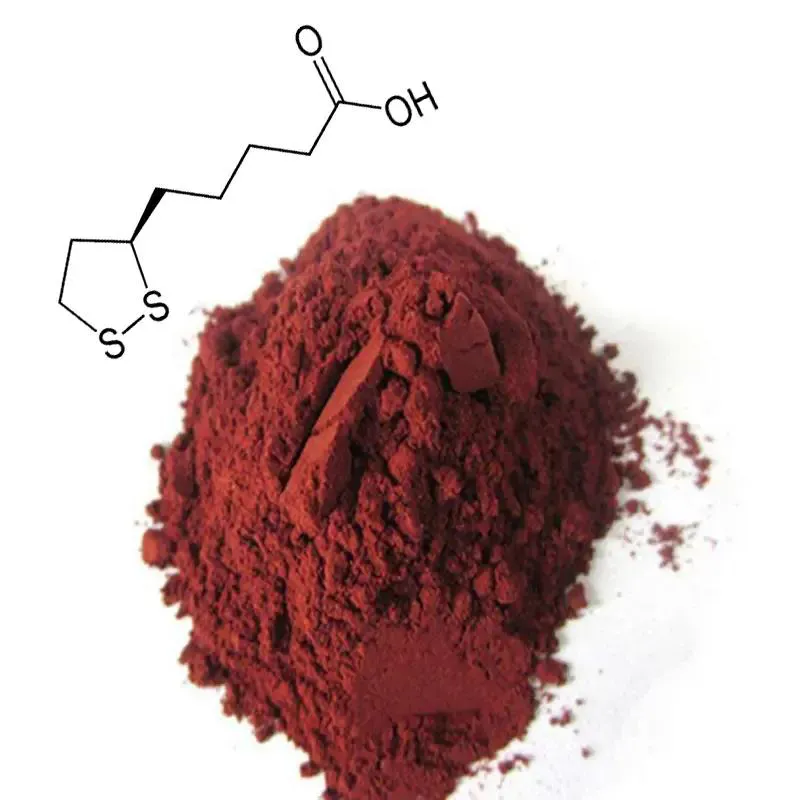
Kojic acid and arbutin are classic tyrosinase inhibitors. They directly slow the production of melanin and are effective at fading existing dark spots, but their effect is limited to pigmentation pathways. They do not address the oxidative stress and inflammation that cause new spots to appear. They can also be irritating at higher concentrations, and kojic acid is notoriously unstable in formulations. Astaxanthin takes a different route: it protects the skin from the environmental stress that drives dyspigmentation, complementing these direct inhibitors rather than replacing them.
Astaxanthin vs. Licorice and Other Botanical Extracts
Licorice root extract contains glabridin, a gentle tyrosinase inhibitor that also calms inflammation, making it popular for sensitive skin. Other botanical extracts used in brightening formulas include vitamin C-rich sources like acerola and antioxidant-rich options such as Lycopene. For formulators seeking a preventive, antioxidant-driven brightening angle, lycopene for skin and astaxanthin are both valuable, with astaxanthin offering one of the most concentrated antioxidant profiles available in a single plant-derived ingredient.
Side-by-Side Comparison
| Ingredient | Primary Mechanism | Key Strength | Main Limitation |
|---|---|---|---|
| Astaxanthin | Antioxidant protection against oxidative and UV stress | Prevents new pigment; very stable; well tolerated | Less direct tyrosinase inhibition |
| Vitamin C | Tyrosinase inhibition; reduces oxidized melanin | Proven brightening plus collagen support | Unstable; can irritate sensitive skin |
| Niacinamide | Blocks melanosome transfer to skin surface | Gentle; great for existing spots | Little direct antioxidant value |
| Kojic acid / Arbutin | Direct tyrosinase inhibition | Effective at fading dark spots | Does not stop new pigmentation; may irritate |
| Licorice extract | Gentle tyrosinase inhibition; anti-inflammatory | Soothing; ideal for sensitive skin | Milder, slower results |
Combining Astaxanthin with Other Brighteners
Because astaxanthin addresses the root cause of oxidative-driven pigmentation rather than competing with direct inhibitors, it is unusually well suited to combination formulas. A typical brightening system pairs astaxanthin with niacinamide for pigment transfer, a stable vitamin C derivative for collagen and tyrosinase support, and a botanical like licorice for sensitive, reactive skin. In ingestible beauty, astaxanthin is often combined with vitamin C and collagen to support luminosity from within.
Sourcing High-Quality Astaxanthin
Not all astaxanthin is equal. Purity, source (microalgae versus synthetic), and manufacturing quality all affect both efficacy and consumer trust. Choosing a reliable best astaxanthin supplier means working with a manufacturer that can document purity, provide batch-specific testing, and support regulatory submissions. A producer with an independent laboratory equipped with HPLC, UV, and GC instruments can verify astaxanthin content and help ensure the ingredient performs consistently from batch to batch.
The Bottom Line
Astaxanthin does not replace traditional brightening ingredients; it reshapes how they are used. Where vitamin C, niacinamide, kojic acid, and arbutin manage pigment that already exists, astaxanthin protects the skin from the oxidative triggers that create new discoloration in the first place. For brands and formulators, that makes astaxanthin a valuable foundation for preventive, antioxidant-led brightening claims, particularly when paired with a proven direct inhibitor.
Greensky, a plant extract manufacturer operating since 2004, supplies high-quality astaxanthin and a broad range of botanical skin-care ingredients such as Lycopene, vitamin C-rich acerola, and licorice root extract. With ISO22000, BRCGS, HALAL, and Kosher certifications and an independent testing laboratory, the company is positioned to support global brands building the next generation of brightening formulas. To discuss sourcing, contact [email protected].
TAGS:
- ▶ Hesperidin
- ▶ Citrus Bioflavonoids
- ▶ Plant Extract
- ▶ lycopene
- ▶ Diosmin
- ▶ Grape seed extract
- ▶ Sea buckthorn Juice Powder
- ▶ Fruit Juice Powder
- ▶ Hops Extract
- ▶ Artichoke Extract
- ▶ Mushroom extract
- ▶ Astaxanthin
- ▶ Green Tea Extract
- ▶ Curcumin
- ▶ Horse Chestnut Extract
- ▶ Other Product
- ▶ Boswellia Serrata Extract
- ▶ Resveratrol
- ▶ Marigold Extract
- ▶ Grape Leaf Extract
- ▶ New Product
- ▶ Aminolevulinic acid
- ▶ Cranberry Extract
- ▶ Red Yeast Rice
- ▶ Red Wine Extract
- ▶ blog
-
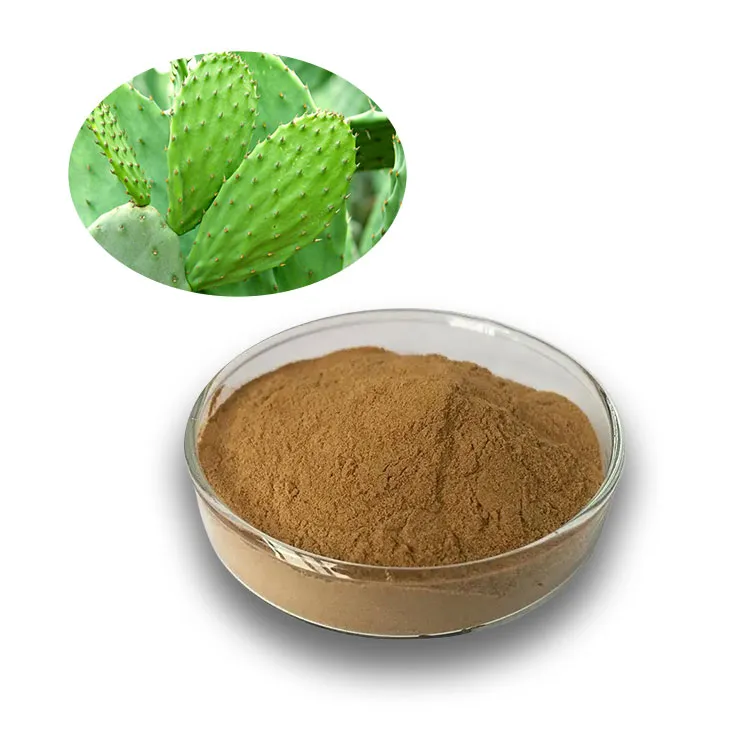
Cactus Extract
2026-08-15
-
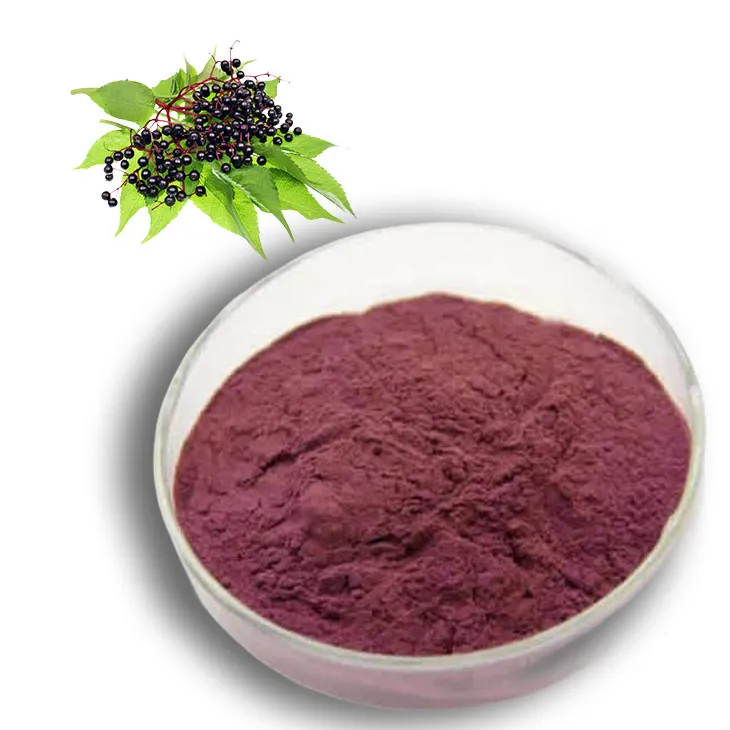
Elderberry Extract
2026-08-15
-
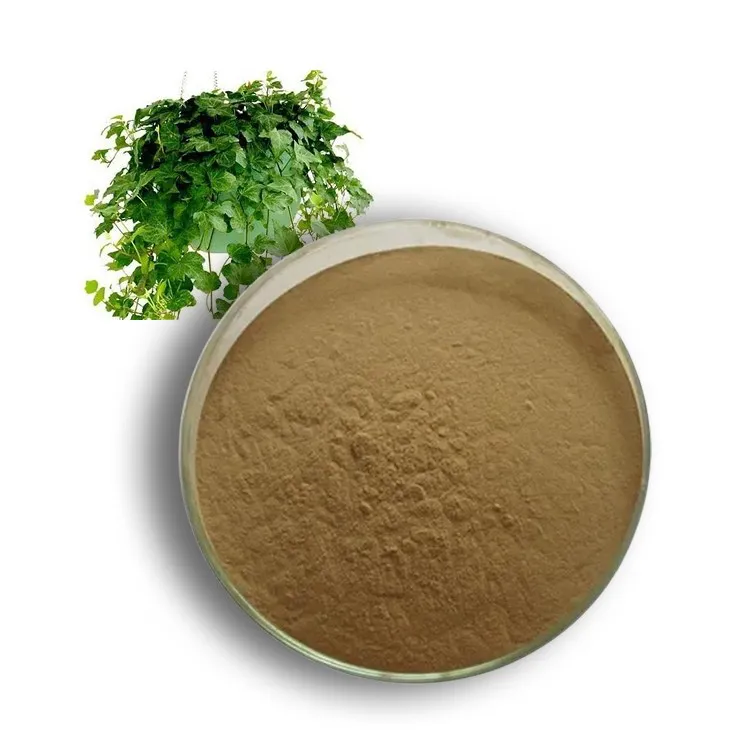
Ivy Extract
2026-08-15
-
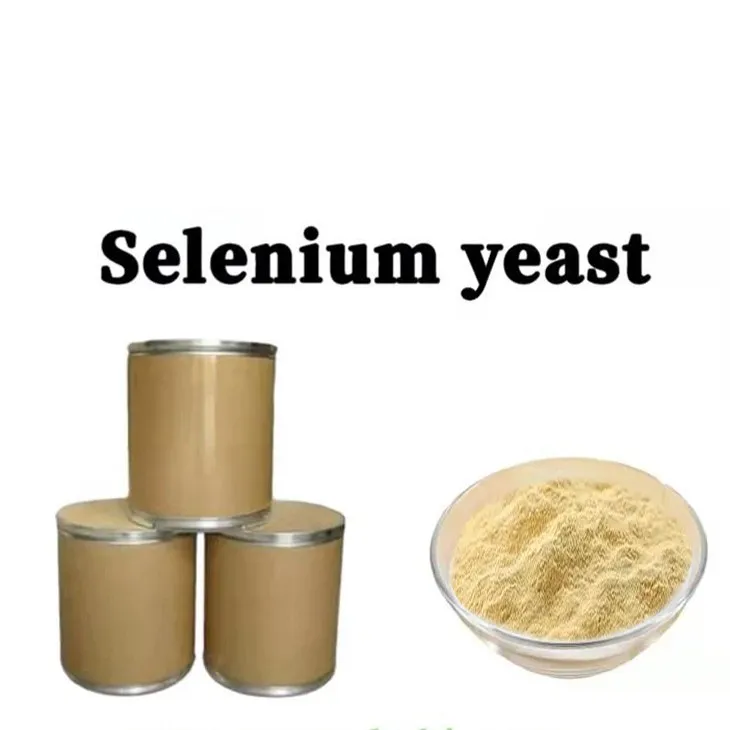
Selenium yeast
2026-08-15
-
Tamarind extract powder
2026-08-15
-
Horse Chestnut Extract
2026-08-15
-
Echinacea Extract
2026-08-15
-
Saw Palmetto Extract
2026-08-15
-
Europen Bilberry Extract
2026-08-15
-
Nattokinase
2026-08-15