- 0086-571-85302990
- [email protected]






Does resveratrol in grape seed extract provide the same benefits?
2026-08-13
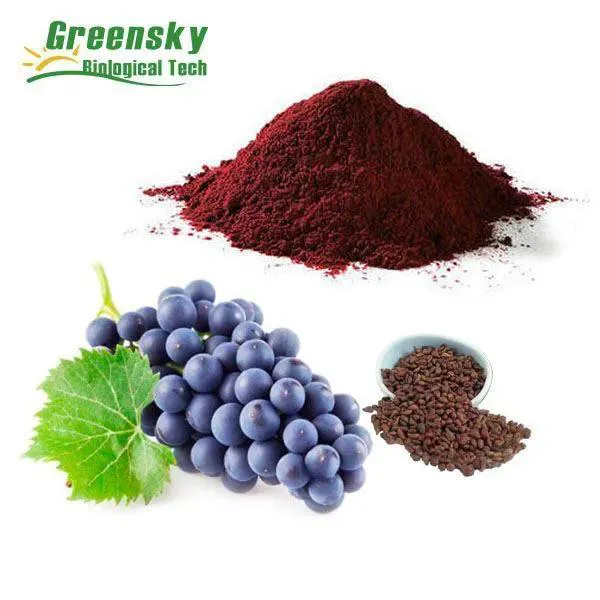
If you have ever compared nutrition labels or browsed antioxidant supplements, you have probably noticed that both resveratrol and Grape Seed Extract are promoted as powerful additions to a health routine. Since both come from the same fruit, it is natural to ask a simple question: does resveratrol in Grape Seed Extract provide the same benefits? The short answer is that they are related but not identical, and understanding the difference helps you choose the right ingredient for the right purpose.
The confusion is easy to understand. Grapes contain a range of polyphenols, and resveratrol is one of the most famous. However, resveratrol and the compounds found in grape seeds are chemically and functionally different, which means they are not interchangeable in a formulation.
Where each compound comes from
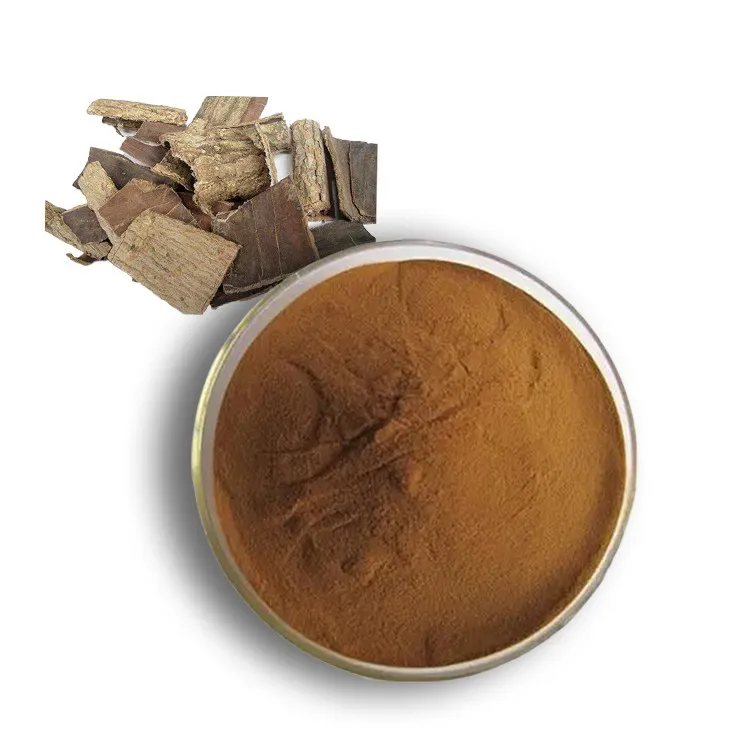
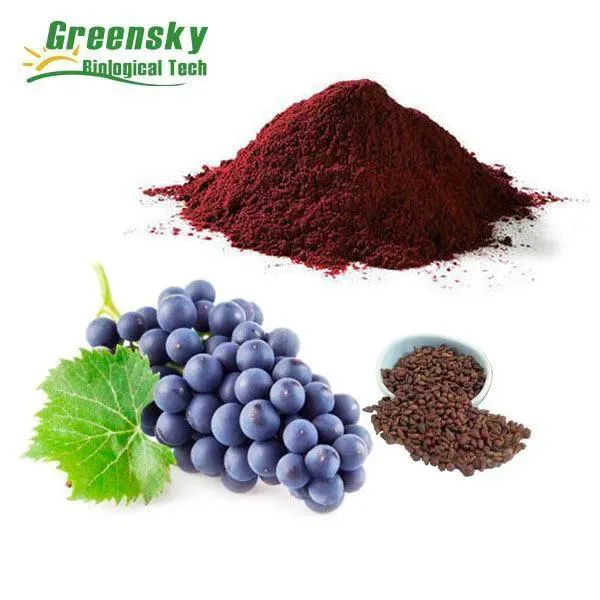
The first difference is location. Resveratrol is concentrated mainly in the skin of grapes, which is why red wine, produced with the skins included, is one of the most widely mentioned dietary sources. It is also found in smaller amounts in berries, peanuts, and some other plants. Grape Seed Extract, as the name suggests, is made from the seeds of the grape rather than the skin. The seeds are carefully processed to preserve their naturally occurring polyphenols.
Because they come from different parts of the fruit, the active compounds are different too. Resveratrol is a stilbene polyphenol known for supporting the body's natural antioxidant defenses and for its connection to pathways associated with healthy aging. Grape seed extract, in contrast, is a rich source of oligomeric proanthocyanidins, often called OPCs, along with vitamin E and flavonoids. Both act as antioxidants, but the specific molecules involved are not the same.
How their benefits differ
Resveratrol has attracted a great deal of scientific attention because it appears to activate certain genes sometimes described as longevity genes, which instruct the body to produce proteins called sirtuins. Preclinical research has linked this activity to support for healthy aging and cellular resilience. This distinctive mechanism is one reason resveratrol is studied separately from other grape-derived compounds.
Grape seed extract offers its own set of benefits, largely driven by its proanthocyanidin content. These antioxidant compounds are most often associated with cardiovascular support, healthy blood flow, and maintaining already-healthy blood pressure. Some research has also suggested benefits for skin, cognitive function, and overall oxidative stress defense. Because the active compounds differ, grape seed extract and resveratrol complement each other rather than replace one another.
What they share: antioxidant power
The key point of overlap is that both are powerful antioxidants that help the body neutralize free radicals. Free radicals are unstable molecules that, in excess, can contribute to oxidative stress and the natural aging of cells. By supporting the body's defense against oxidative stress, both resveratrol and grape seed extract can play a supportive role in overall wellness.
So when comparing resveratrol vs grape seed extract, the honest answer is that neither is simply a substitute for the other. Think of them as two useful ingredients with overlapping antioxidant activity but different strengths and areas of focus.
Quality matters when sourcing ingredients
For formulators and brands, the reliability of the raw material is just as important as the science behind it. The antioxidant activity and purity of plant extracts can vary widely depending on the raw material, the extraction process, and the quality controls in place. Working with an experienced manufacturer helps ensure consistent quality and dependable documentation.
Greensky, a plant extract manufacturer based in Hangzhou with more than twenty years of experience, produces a broad catalog of botanical extracts that includes both resveratrol and grape seed extract. The company operates an independent laboratory with advanced testing equipment and follows internationally recognized quality standards, which gives downstream customers confidence in the purity and consistency of the ingredients they source.
Choosing the right ingredient for your product
Whether you are developing a supplement, a functional food, or a cosmetic formulation, the decision between resveratrol and grape seed extract should be based on your target benefit. If your goal is to support healthy aging pathways associated with sirtuin activity, resveratrol is the more relevant ingredient. If you are focused on cardiovascular support, healthy circulation, and antioxidant protection, grape seed extract is a strong choice given its proanthocyanidin content.
Many products choose to combine both ingredients to take advantage of their complementary profiles. For commercial buyers seeking consistent supply, asking about standardization, certificate of analysis, and regulatory documentation is a practical way to evaluate potential plant extract suppliers.
The bottom line
Does resveratrol in grape seed extract provide the same benefits? Not exactly. Resveratrol and grape seed extract come from different parts of the grape, contain different active compounds, and support the body in different ways. Both are valuable antioxidants, but they are best understood as complementary ingredients rather than interchangeable ones. Choosing the right one, or the right combination, starts with a clear understanding of your goal and a reliable source for the raw material.
TAGS:
- ▶ Hesperidin
- ▶ Citrus Bioflavonoids
- ▶ Plant Extract
- ▶ lycopene
- ▶ Diosmin
- ▶ Grape seed extract
- ▶ Sea buckthorn Juice Powder
- ▶ Fruit Juice Powder
- ▶ Hops Extract
- ▶ Artichoke Extract
- ▶ Mushroom extract
- ▶ Astaxanthin
- ▶ Green Tea Extract
- ▶ Curcumin
- ▶ Horse Chestnut Extract
- ▶ Other Product
- ▶ Boswellia Serrata Extract
- ▶ Resveratrol
- ▶ Marigold Extract
- ▶ Grape Leaf Extract
- ▶ New Product
- ▶ Aminolevulinic acid
- ▶ Cranberry Extract
- ▶ Red Yeast Rice
- ▶ Red Wine Extract
- ▶ blog
-
Gynostemma pentaphyllum extract
2026-08-13
-
Wheat Germ Extract
2026-08-13
-
Cat Claw Extract
2026-08-13
-
Nettle Root Extract
2026-08-13
-
Acai Berry Extract
2026-08-13
-
Mulberry Extract
2026-08-13
-
Hesperidin
2026-08-13
-
Uridine-5'-monophosphate Disodium salt
2026-08-13
-
Lavender Extract
2026-08-13
-
Peppermint Extract Powder
2026-08-13
