- 0086-571-85302990
- [email protected]






Do manufacturers offer wholesale astaxanthin with private label and custom packaging?
2026-08-19
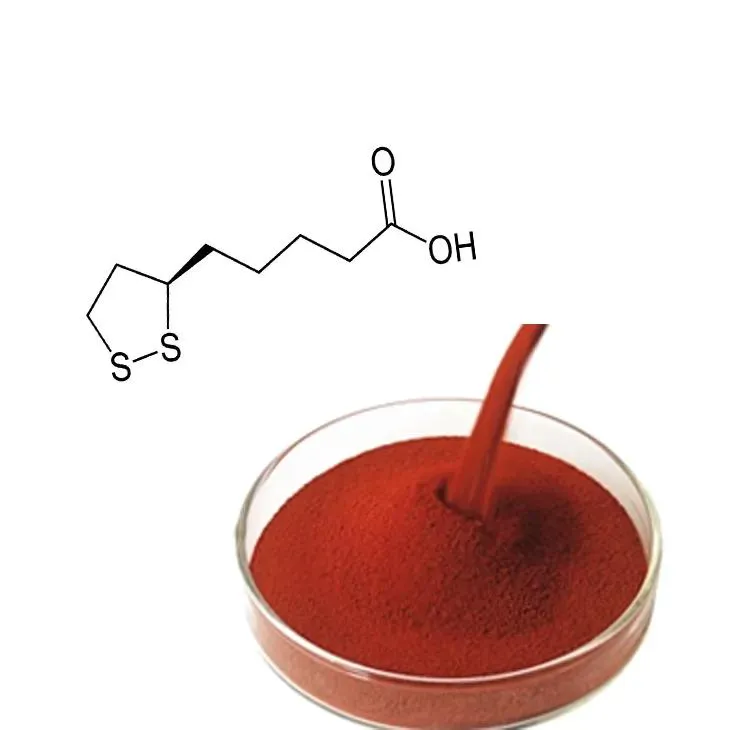
If you run a supplement brand, a pharmacy chain, or a health retail business and have been searching for a reliable bulk source of this pigment, you have probably asked one question more than any other: do manufacturers actually offer wholesale Astaxanthin with private label and custom packaging? The short answer is yes — established manufacturers do, and the level of service matters a great deal for your launch timeline, your margins, and your brand image.
This article explains exactly what private label and custom packaging mean in the Astaxanthin ingredient market, what a serious astaxanthin supplier should be able to do for you, and how to tell a genuine factory from a simple reseller before you commit.
What Does “Wholesale Astaxanthin” Mean in Practice?
Astaxanthin is a red-orange carotenoid produced naturally by the microalgae Haematococcus pluvialis. It gives salmon, shrimp, and krill their colour, and it is widely studied for its antioxidant activity and its support for the eyes, the skin, cardiovascular health, and immunity. In the B2B market, astaxanthin is traded in bulk ingredient forms — typically powder and oil at standardized concentrations — because most customers plan to formulate their own end products.
Wholesale simply means you are buying production-scale quantities at factory pricing rather than consumer units. A genuine astaxanthin wholesale partner supplies consistent, documented batches, supports your requested specifications, and stands behind the material with analysis documents you can pass to your own quality team.
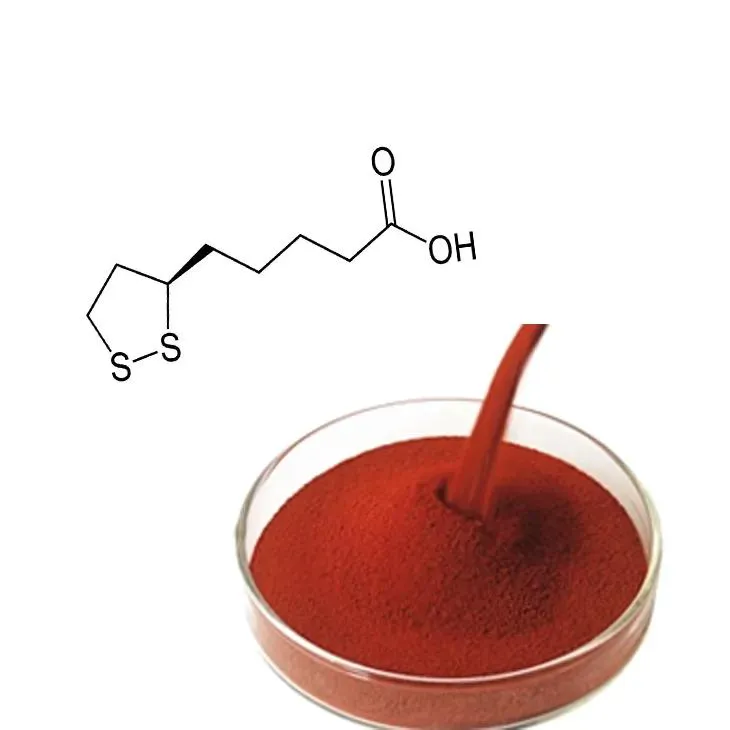
What Is Private Label Astaxanthin?
Private label means the manufacturer makes the product for you, and you sell it under your own brand name. You do not need to build a production facility, buy extraction and drying equipment, or hire a formulation lab. Instead, the factory produces the astaxanthin ingredient to your required concentration and format, and delivers it ready for your packaging and your label.
Private label is especially attractive for new and growing brands because it turns a capital-heavy operation into a simple purchasing decision. A manufacturer with in-house production and independent testing can offer you the same quality you would expect from your own facility — without the fixed costs.
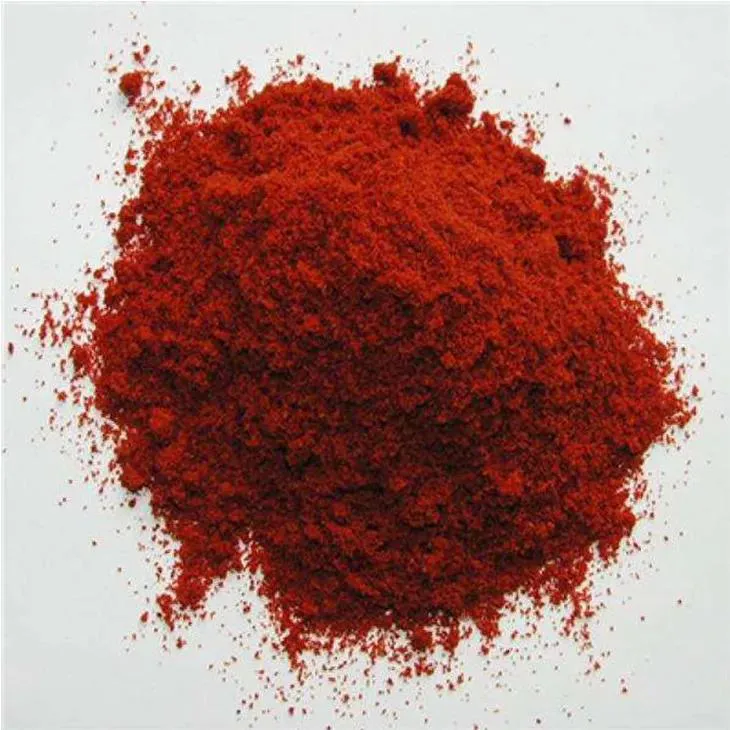
What Does Custom Packaging Cover?
Custom packaging goes beyond stickers. A full-service supplier can adapt the bottle or pouch size and count, the design artwork, and the finished presentation so the product fits your market positioning. You may also choose the dosage form — for example powder for drink mixes, oil for softgels, or standardized solid forms — depending on the formula you want to release.
The value of custom packaging is that your astaxanthin product stops looking like a generic commodity and starts looking like a considered addition to your own lineup, which directly supports premium pricing and repeat customers.
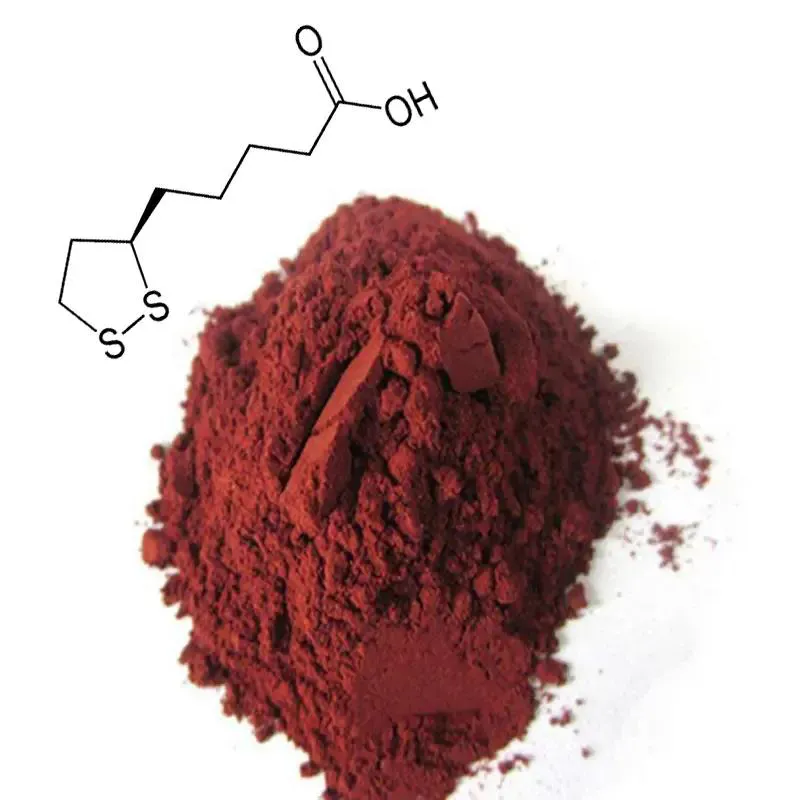
Why Choose a Manufacturer That Produces In-House?
Not every company that sells astaxanthin actually produces it. Trading houses and resellers buy from factories and resell with a margin, which gives you less control over pricing, availability, and documentation. A true astaxanthin manufacturer with vertical integration offers three practical advantages:
- Consistent supply and production capacity across research, extraction, and finishing under one roof, so lead times and batch quality stay under the manufacturer’s control.
- Direct quality assurance, including in-house laboratory testing, so you receive reliable certificate documentation with every shipment.
- Flexible, direct customer service, which makes negotiating specifications, packaging, and documentation far more straightforward than dealing with an intermediary.
Established factories in the botanical extract industry combine decades of processing experience with certified production facilities. When you work with a manufacturer that owns its extraction line, you can trace the material from raw botanical input to finished ingredient — exactly what more and more buyers now ask for.
Quality and Certifications to Look For
Before you agree to any private label arrangement, confirm the manufacturer operates to recognized standards. Common certifications in this segment include ISO 9001, ISO 22000, HACCP-based food safety systems, and Halal or Kosher status where relevant. Documents such as Certificates of Analysis, allergen declarations, and export paperwork should be available on request so your own compliance team has what it needs.
A factory runs a 100,000-class clean production area and an independent laboratory with modern analytical instruments will normally be more transparent about specifications than a small trader, because it has the equipment and the quality system in place to back up its claims.
How to Start a Private Label Astaxanthin Project
A typical project follows a clear, manageable sequence:
- Define your target specification — concentration, dosage form, and target markets you plan to serve.
- Request samples and documentation to verify quality and confirm the material meets your internal standards.
- Agree on packaging and labeling with the factory so the finished product matches your brand.
- Confirm MOQ, lead time, and export terms so your launch plan is realistic and profitable.
- Review certificate documentation for the production batch before it ships.
A manufacturer that has exported for years to regulated markets will guide you through these steps smoothly and flag any specification that does not suit your target region before you place a large order.
Frequently Asked Questions
Is private label astaxanthin the same as generic bulk astaxanthin?
No. Bulk astaxanthin is sold as an ingredient, while private label covers production set up for your brand, including your chosen format, packaging, and labeling.
Do I need a large order to get custom packaging?
Minimum order quantities vary by factory, but a true manufacturer is normally more flexible than a middleman because it controls production and packaging in-house. Confirm your MOQ directly with the supplier before committing.
What certifications should a partner hold?
Look for recognized food safety and quality certifications such as ISO 9001, ISO 22000, and Halal or Kosher status where relevant, and confirm that Certificates of Analysis are provided for each batch.
How do I choose between an astaxanthin supplier and a reseller?
A supplier with its own production, laboratories, and export experience gives you better control over quality, pricing, and supply continuity, which matters most for a long-term brand program.
Finding a Partner That Delivers on Private Label and Custom Packaging
The clearest way to answer the question in our title is to work with a manufacturer that can show you its facility, its certifications, and its export record. Hangzhou Greensky Biological Tech Co., Ltd., established in 2004, is one such producer. The company specializes in natural plant extracts and health product raw materials, operates its production and laboratory in-house, and has served export customers for well over a decade across Europe, the United States, South Korea, and Russia.
When you are ready to explore wholesale astaxanthin with private label and custom packaging, begin by requesting material details, samples, and shipping terms. A transparent partner will answer quickly, document everything, and help you turn a simple ingredient purchase into a launch-ready product under your own brand.
TAGS:
- ▶ Hesperidin
- ▶ Citrus Bioflavonoids
- ▶ Plant Extract
- ▶ lycopene
- ▶ Diosmin
- ▶ Grape seed extract
- ▶ Sea buckthorn Juice Powder
- ▶ Fruit Juice Powder
- ▶ Hops Extract
- ▶ Artichoke Extract
- ▶ Mushroom extract
- ▶ Astaxanthin
- ▶ Green Tea Extract
- ▶ Curcumin
- ▶ Horse Chestnut Extract
- ▶ Other Product
- ▶ Boswellia Serrata Extract
- ▶ Resveratrol
- ▶ Marigold Extract
- ▶ Grape Leaf Extract
- ▶ New Product
- ▶ Aminolevulinic acid
- ▶ Cranberry Extract
- ▶ Red Yeast Rice
- ▶ Red Wine Extract
- ▶ blog
-
Green coffee bean Extract
2026-08-19
-
Beetroot juice Powder
2026-08-19
-
Beetroot Powder
2026-08-19
-
Lion's Mane Mushroom Extract
2026-08-19
-
Gynostemma pentaphyllum extract
2026-08-19
-
Sea buckthorn oil
2026-08-19
-
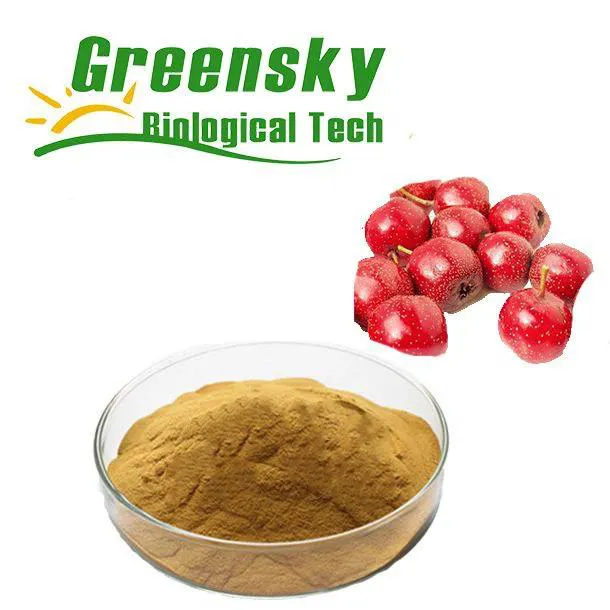
Hawthorn Extract
2026-08-19
-
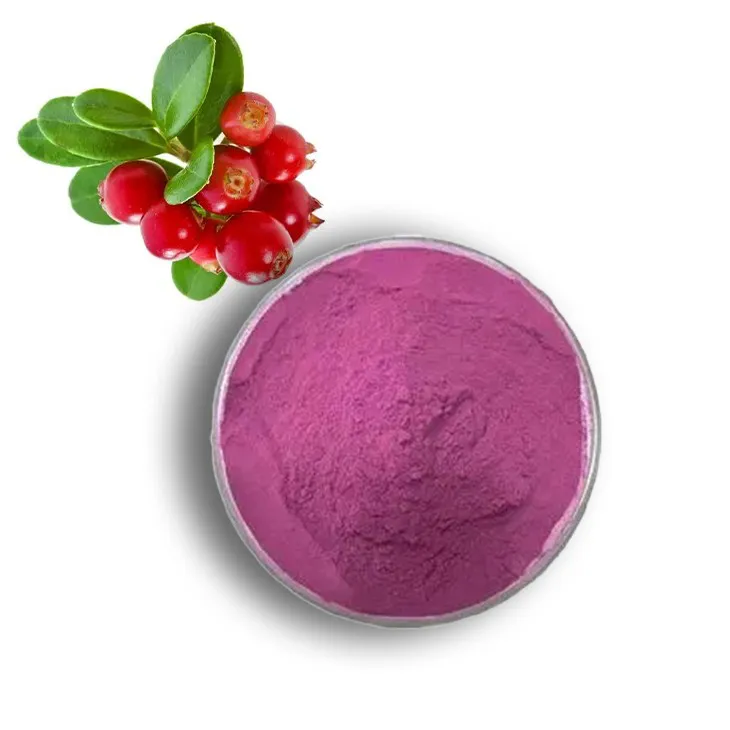
Europen Bilberry Extract
2026-08-19
-
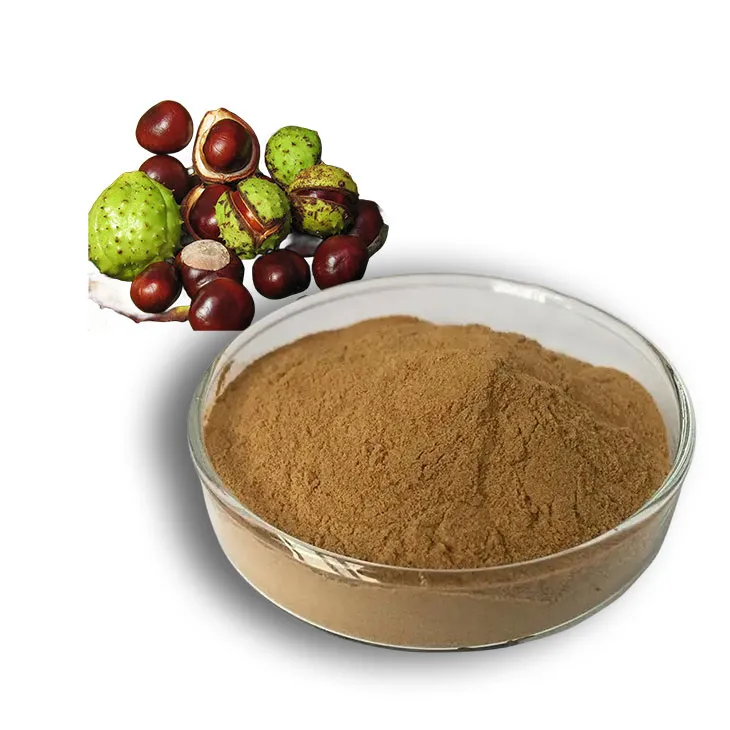
Horse Chestnut Extract
2026-08-19
-
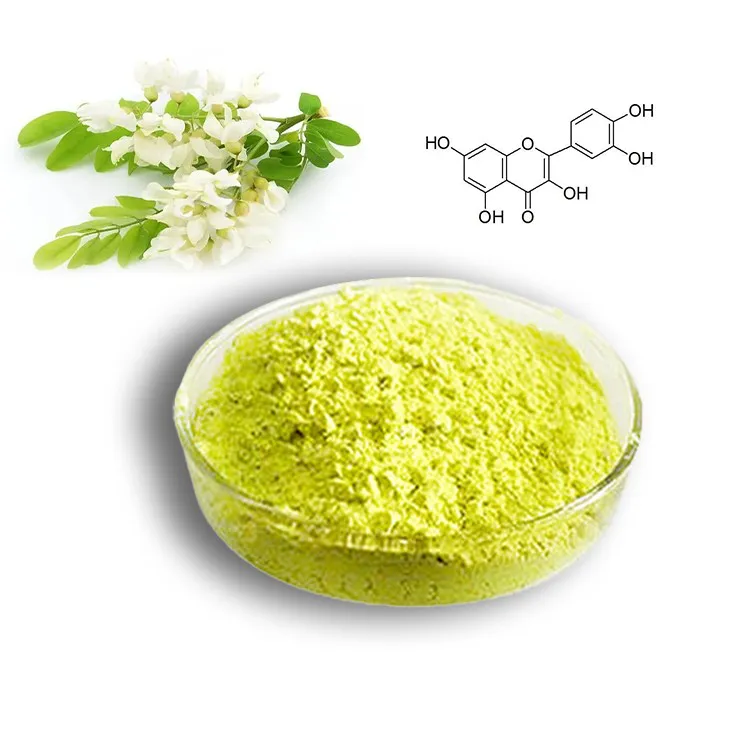
Quercetin
2026-08-19
