- 0086-571-85302990
- [email protected]




Astaxanthin: The Most Powerful Natural Antioxidant — Science, Sourcing & Applications (2026)
2026-11-28
Table of Contents
What Is Astaxanthin and Why Is It Called the "King of Carotenoids"? <a id="what-is-Astaxanthin"></a>
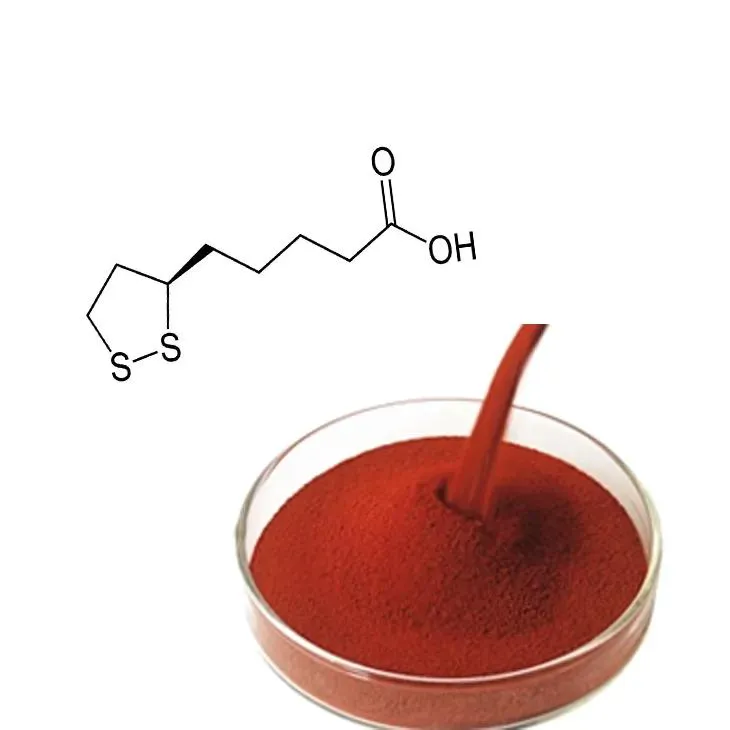
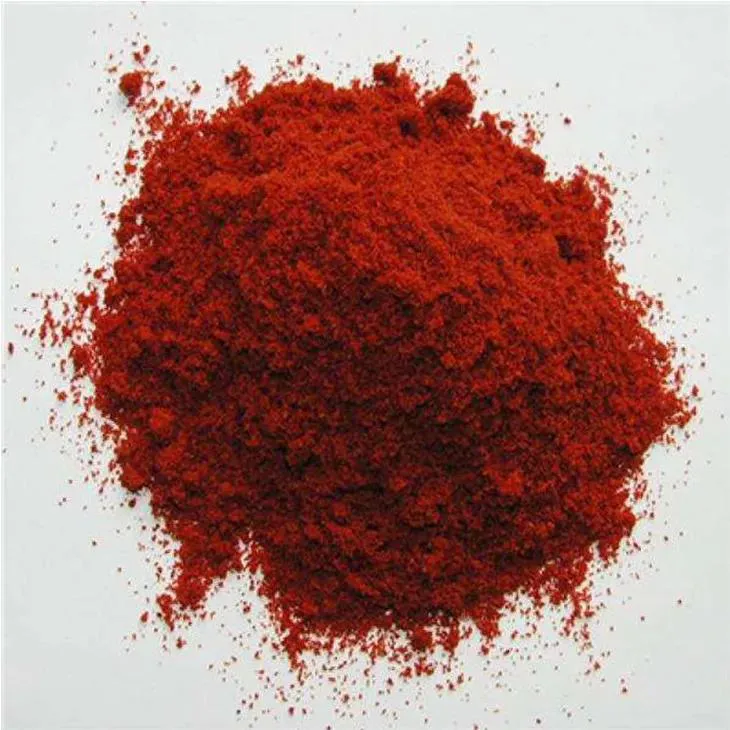
Astaxanthin is a naturally occurring red-orange carotenoid pigment found in algae, salmon, shrimp, krill, and other marine organisms. It belongs to the xanthophyll family of carotenoids and is responsible for the pink-red coloration in flamingos, salmon flesh, and crustacean shells.
The primary natural source of commercial astaxanthin is the microalga Haematococcus pluvialis, which produces astaxanthin as a protective response to environmental stress (UV radiation, nutrient deficiency, salinity changes). Under stress conditions, H. pluvialis can accumulate astaxanthin to levels as high as 4–5% of its dry cell weight — making it the richest natural source known.
Astaxanthin has earned the title "King of Carotenoids" because of its uniquely powerful antioxidant properties, which surpass those of many well-known antioxidants:
Antioxidant Relative Antioxidant Power Astaxanthin 1x (baseline) Vitamin C 6,000x weaker Vitamin E 550x weaker Beta-carotene 40x weaker CoQ10 800x weaker Green tea catechins 550x weaker
Natural vs. Synthetic Astaxanthin: Critical Differences <a id="natural-vs-synthetic"></a>
Not all astaxanthin is created equal. The source and production method dramatically affect both quality and biological activity.
Natural Astaxanthin (from Haematococcus pluvialis)
Production: Cultivated microalgae under controlled stress conditions
Stereoisomer profile: Natural 3S,3'S configuration (most biologically active)
Safety: GRAS status, no known toxicity at recommended doses
Applications: Dietary supplements, functional foods, cosmetics, aquaculture feed
Cost: Higher (due to cultivation complexity)
Synthetic Astaxanthin (petrochemical-derived)
Production: Chemical synthesis from petrochemical precursors
Stereoisomer profile: Mixed isomers (3S,3'S; 3R,3'R; 3R,3'S) — less biologically active
Safety: Approved for aquaculture feed but not for human dietary supplements in many markets
Applications: Primarily aquaculture feed (salmon coloring)
Cost: Significantly lower
Key Takeaway for B2B Buyers
For human consumption applications (supplements, functional foods, cosmetics), always specify natural astaxanthin from Haematococcus pluvialis. Synthetic astaxanthin is unsuitable for human dietary supplement use in the EU, US, and most Asian markets.
Astaxanthin's Antioxidant Power: How Strong Is It Really? <a id="antioxidant-power"></a>
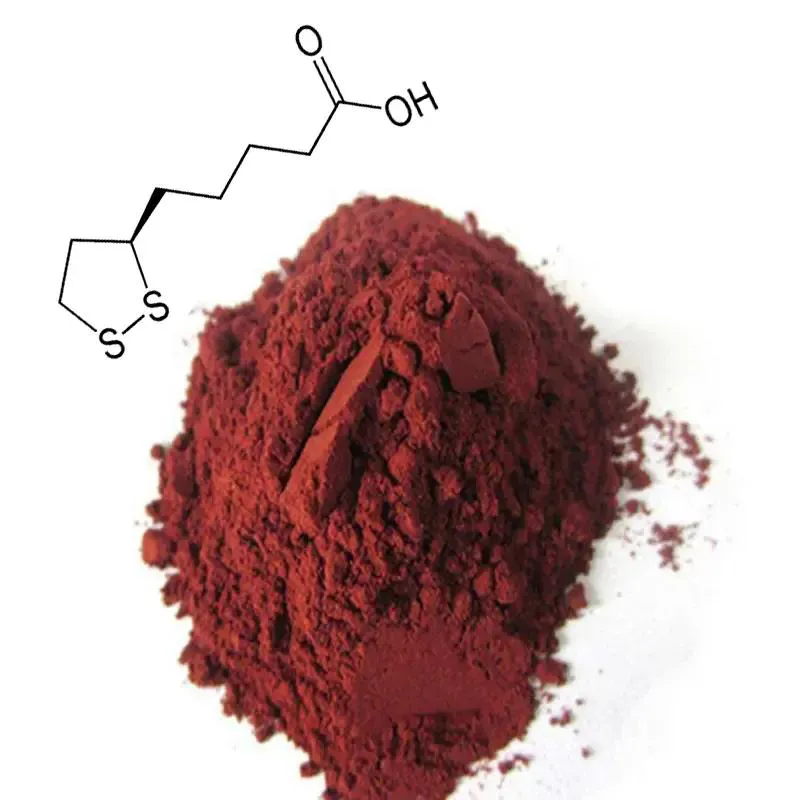
Astaxanthin's molecular structure gives it extraordinary antioxidant capabilities:
Unique Molecular Features
Spans the cell membrane — Unlike most antioxidants that work either inside or outside the cell membrane, astaxanthin's structure allows it to span the entire lipid bilayer, providing protection on both sides simultaneously.
No pro-oxidant activity — Some antioxidants (like high-dose vitamin C) can become pro-oxidants under certain conditions. Astaxanthin does not exhibit this behavior.
Singlet oxygen quenching — Astaxanthin is exceptionally effective at neutralizing singlet oxygen, a highly reactive form of oxygen that damages cellular components.
Free radical scavenging — Neutralizes multiple types of free radicals including hydroxyl, peroxyl, and superoxide radicals.
Clinically Proven Health Benefits of Astaxanthin <a id="health-benefits"></a>
1. Skin Health and Anti-Aging
Multiple clinical studies have demonstrated that astaxanthin supplementation improves:
Skin elasticity — 28% improvement in a 6-week study (Tominaga et al., 2012)
Moisture content — Significant increase in stratum corneum moisture
Wrinkle reduction — Visible decrease in crow's feet wrinkle depth
Age spot size — Reduction in hyperpigmentation
UV damage protection — Acts as an internal sunscreen
2. Eye Health
Astaxanthin crosses the blood-retinal barrier and provides direct antioxidant protection to eye tissues:
Reduces digital eye strain — Particularly relevant for screen users
Improves accommodation — Enhances the eye's ability to focus
Supports macular health — May reduce risk of age-related macular degeneration (AMD)
Reduces eye fatigue — Clinical studies show improvement after 4 weeks of supplementation
3. Cardiovascular Health
Improves lipid profiles — Reduces triglycerides and increases HDL cholesterol
Reduces oxidative stress — Protects LDL cholesterol from oxidation (a key factor in atherosclerosis)
Improves blood flow — Enhances endothelial function
Anti-inflammatory effects — Reduces C-reactive protein (CRP) levels
4. Athletic Performance and Recovery
Increases endurance — Improves fat utilization during exercise
Reduces muscle damage — Lower creatine kinase levels post-exercise
Faster recovery — Reduced muscle soreness and inflammation
Improved mitochondrial function — Enhanced cellular energy production
5. Cognitive Function
Neuroprotective effects — Crosses the blood-brain barrier
Memory support — Animal studies show improved spatial memory
May reduce neuroinflammation — Potential role in neurodegenerative disease prevention
Astaxanthin for Skin Health: Anti-Aging and UV Protection <a id="skin-health"></a>
The skin health benefits of astaxanthin are among the most commercially significant applications in the cosmetic and nutraceutical industries.
How Astaxanthin Protects Skin
Internal photoprotection: Astaxanthin accumulates in skin tissue and absorbs UV radiation, reducing DNA damage from sun exposure.
Collagen preservation: By neutralizing free radicals that break down collagen fibers, astaxanthin helps maintain skin firmness and elasticity.
Anti-inflammatory action: Reduces UV-induced inflammation (erythema), protecting against photoaging.
Moisture barrier enhancement: Improves the skin's natural moisture retention capacity.
Clinical Evidence
A landmark Japanese study (Tominaga et al., 2012) found that women who took 6 mg/day of natural astaxanthin plus 400 mg/day of collagen peptide for 8 weeks showed:
Significant improvement in skin elasticity (p < 0.01)
Reduced crow's feet wrinkle area
Improved transepidermal water loss (TEWL)
Enhanced skin moisture content
Applications in the Beauty Industry
Oral supplements — Capsules, tablets, gummies, liquid shots
Topical skincare — Serums, creams, masks, sunscreens
Functional beverages — Beauty-from-within drink formulations
Nutricosmetics — Combined formulations with collagen, hyaluronic acid, vitamin C
Astaxanthin for Eye Health: Fighting Digital Eye Strain <a id="eye-health"></a>
With the rise of screen-based work and entertainment, digital eye strain (also known as computer vision syndrome) has become a global health concern. Astaxanthin offers a natural, clinically-supported solution.
How Astaxanthin Supports Eye Health
Blood-retinal barrier penetration: Astaxanthin is one of the few carotenoids that can cross the blood-retinal barrier, delivering antioxidant protection directly to the retina.
Ciliary muscle recovery: Reduces fatigue in the ciliary muscles responsible for focusing, improving accommodation speed and accuracy.
Capillary blood flow: Improves blood flow to the tiny blood vessels in the retina.
Anti-inflammatory effects: Reduces inflammation in ocular tissues.
Recommended Eye Health Dosage
General eye health maintenance: 4–6 mg/day
Digital eye strain relief: 6–12 mg/day
Clinical study dosages: 4–12 mg/day for 4–12 weeks
Athletic Performance and Recovery Benefits <a id="athletic-performance"></a>
Astaxanthin has gained significant attention in the sports nutrition industry for its ability to enhance performance and accelerate recovery.
Performance Enhancement Mechanisms
Mitochondrial efficiency: Improves the efficiency of cellular energy production by protecting mitochondrial membranes from oxidative damage.
Fat utilization: Shifts energy metabolism toward fat oxidation, preserving glycogen stores for endurance activities.
Lactic acid reduction: Some studies suggest reduced lactate accumulation during intense exercise.
Recovery Benefits
Reduced muscle damage: Lower levels of creatine kinase (CK) and lactate dehydrogenase (LDH) post-exercise indicate less muscle damage.
Anti-inflammatory: Reduces exercise-induced inflammation and associated soreness.
Faster recovery: Athletes report quicker recovery between training sessions.
Sports Nutrition Applications
Pre-workout formulations
Recovery supplements
Endurance nutrition products
Post-workout protein blends
Recommended Dosage and Bioavailability <a id="dosage"></a>
General Dosage Guidelines
Application Daily Dosage Notes General antioxidant support 4 mg Maintenance level Skin health 4–6 mg Best taken with food containing fats Eye health 6–12 mg Higher dose for digital eye strain Athletic performance 4–12 mg Pre-workout timing preferred Cardiovascular support 6–12 mg Long-term supplementation
Bioavailability Considerations
Astaxanthin is fat-soluble, meaning absorption is significantly enhanced when taken with dietary fats. For optimal bioavailability:
Take with meals containing healthy fats (olive oil, avocado, fish oil)
Consider esterified forms (astaxanthin fatty acid esters) for improved absorption
Microencapsulation technology can enhance water dispersibility for beverage applications
How to Source High-Quality Natural Astaxanthin for B2B <a id="sourcing"></a>
When sourcing astaxanthin extract for commercial products, evaluate suppliers based on these criteria:
1. Source Verification
Confirm the astaxanthin is derived from Haematococcus pluvialis (not synthetic or from other sources)
Request documentation of the cultivation process
Verify organic certification if required (Ecocert, USDA Organic)
2. Product Specifications
Specification Typical Range Astaxanthin content 1.5% – 10% (powder), 5% – 20% (oil) Moisture < 5% Heavy metals Pb < 1ppm, As < 0.5ppm, Cd < 0.5ppm Microbiological Total plate count < 1,000 CFU/g Solvent residue None (for supercritical CO₂ extraction)
3. Certifications to Look For
ISO22000 — Food safety management
BRCGS — Global food safety standard
GMP — Good Manufacturing Practice
Organic certifications (Ecocert, USDA, JAS)
HALAL and Kosher — For global market access
Novel Food approval (EU) — If applicable
4. Quality Testing
A reliable manufacturer should provide:
HPLC verification of astaxanthin content
Heavy metals panel (ICP-MS)
Pesticide residue screening
Microbiological testing
Stability testing data
Greensky Bio: Your Natural Astaxanthin Supplier <a id="greensky-bio"></a>
is a professional natural plant extract manufacturer with over 20 years of experience in the research, development, and production of botanical active ingredients.
Why partner with Greensky Bio for astaxanthin:
20+ years of expertise in herbal active ingredient production
GMP-certified facility with 100,000-class clean area
Advanced testing laboratory with HPLC, GC, and UV equipment
ISO22000, BRCGS, Ecocert Organic, SGS-GMP certified
Global export experience — Europe, US, South Korea, Russia
Competitive pricing with consistent quality
Custom formulation support — Various concentrations and carrier options
for astaxanthin specifications, pricing, and sample requests.
- ▶ Hesperidin
- ▶ Citrus Bioflavonoids
- ▶ Plant Extract
- ▶ lycopene
- ▶ Diosmin
- ▶ Grape seed extract
- ▶ Sea buckthorn Juice Powder
- ▶ Fruit Juice Powder
- ▶ Hops Extract
- ▶ Artichoke Extract
- ▶ Mushroom extract
- ▶ Astaxanthin
- ▶ Green Tea Extract
- ▶ Curcumin
- ▶ Horse Chestnut Extract
- ▶ Other Product
- ▶ Boswellia Serrata Extract
- ▶ Resveratrol
- ▶ Marigold Extract
- ▶ Grape Leaf Extract
- ▶ New Product
- ▶ Aminolevulinic acid
- ▶ Cranberry Extract
- ▶ Red Yeast Rice
- ▶ Red Wine Extract
- ▶ blog
-
Baobab Fruit Extract
2026-11-28
-
Dan Shen Root Extract/Salvia Root Extract
2026-11-28
-
Maca Extract
2026-11-28
-
PQQ ( Pyrroloquinoline Quinone)
2026-11-28
-
Lavender Extract
2026-11-28
-
Lotus leaf extract
2026-11-28
-
Rose Hip Extract
2026-11-28
-
American Ginseng Root Extract
2026-11-28
-
Wheat Germ Extract
2026-11-28
-
Uridine-5'-monophosphate Disodium salt
2026-11-28