- 0086-571-85302990
- [email protected]






Grape Seed Extract (OPC): The Complete Guide to Antioxidant Power, Cardiovascular Health, and Premiu
2026-10-03
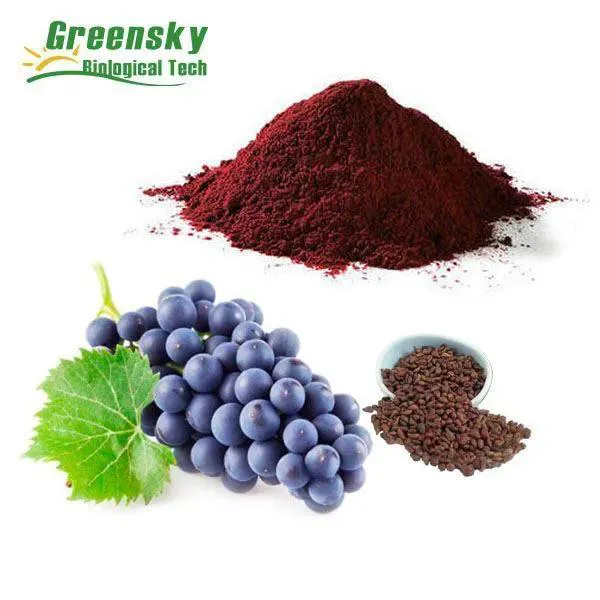
Grape Seed Extract (OPC): The Complete Guide to Antioxidant Power, Cardiovascular Health, and Premium Quality
Grape Seed Extract (GSE) has become one of the most important botanical ingredients in the global nutraceutical industry. Rich in oligomeric procyanidins (OPCs) — powerful antioxidant compounds — Grape Seed Extract delivers cardiovascular protection, skin health support, and anti-aging benefits that have been validated through decades of scientific research. This guide provides B2B buyers, supplement formulators, and health professionals with everything needed to understand, evaluate, and source premium-grade Grape Seed Extract.
What Is Grape Seed Extract?
Grape Seed Extract is a concentrated botanical preparation derived from the seeds of Vitis vinifera L., the common grapevine. Grape seeds — a byproduct of winemaking and grape juice production — are exceptionally rich in proanthocyanidins, a class of polyphenolic compounds with extraordinary antioxidant capacity.
The extract is most commonly standardized to 95% OPC (oligomeric procyanidins), though specifications ranging from 40% to 95% are available depending on the intended application. OPC-standardized grape seed extract exhibits an ORAC (Oxygen Radical Absorbance Capacity) value significantly higher than vitamins C and E, making it one of the most potent natural antioxidants commercially available.
Key Bioactive Compounds
The therapeutic value of Grape Seed Extract is primarily attributed to its proanthocyanidin profile:
Oligomeric procyanidins (OPCs, 40–95%): Chains of catechin and epicatechin units (dimers through decamers). OPCs are the primary active constituents, responsible for the extract's exceptional free-radical scavenging activity, collagen stabilization, and vascular protective effects.
Monomeric flavan-3-ols: Including (+)-catechin and (−)-epicatechin, which contribute to overall antioxidant capacity and support endothelial function.
Phenolic acids: Gallic acid, caffeic acid, and ferulic acid derivatives provide complementary antioxidant and anti-inflammatory activity.
Proanthocyanidin polymers: Higher-molecular-weight polymers contribute to the extract's astringent properties and gastrointestinal protective effects.
Clinically Supported Health Benefits
Cardiovascular Protection
Grape Seed Extract's most well-documented benefit is its protective effect on the cardiovascular system. Clinical trials have demonstrated that daily supplementation with 100–300 mg of OPC-standardized extract can:
Reduce systolic and diastolic blood pressure in prehypertensive and mildly hypertensive individuals
>Improve endothelial function by enhancing nitric oxide (NO) bioavailability
Reduce LDL cholesterol oxidation — a key step in atherosclerosis development
Decrease platelet aggregation and improve blood flow
The mechanism involves OPC-mediated upregulation of endothelial nitric oxide synthase (eNOS), protection of vascular endothelial cells from oxidative damage, and inhibition of angiotensin-converting enzyme (ACE).
Skin Health and Anti-Aging
OPCs' ability to bind with collagen and elastin fibers makes Grape Seed Extract a highly sought-after ingredient in both oral and topical skincare formulations. Documented benefits include:
Protection against UV-induced skin damage and photoaging
Improved skin elasticity and hydration through collagen stabilization
Reduction in hyperpigmentation and melasma severity
Acceleration of wound healing and tissue repair
Cognitive and Neuroprotective Effects
Emerging research indicates that grape seed procyanidins can cross the blood-brain barrier, where they exert neuroprotective effects by reducing oxidative stress, inhibiting β-amyloid aggregation, and modulating neuroinflammatory pathways. These properties position GSE as a promising ingredient in cognitive health and brain-aging supplements.
Anti-inflammatory and Immune Support
OPCs modulate inflammatory signaling pathways, including NF-κB and COX-2, reducing the production of pro-inflammatory cytokines. This broad anti-inflammatory activity supports immune function and may benefit conditions characterized by chronic low-grade inflammation.
Extraction Technology and Production Process
Industrial-Scale Production
High-quality Grape Seed Extract production involves a carefully controlled multi-step process:
Raw material preparation: Grape seeds are separated from pomace after winemaking or juice production, cleaned, dried, and milled to increase extraction surface area.
Solvent extraction: Milled seeds are extracted using food-grade ethanol or acetone-water mixtures at controlled temperatures (40–60°C) in multi-functional extraction tanks. As a professional plant extract manufacturer, Greensky Bio utilizes 6-ton multi-functional extraction tanks with precise temperature and pressure control.
Filtration and concentration: The extract solution is filtered and concentrated under vacuum at low temperatures to preserve heat-sensitive procyanidins.
Resin purification and standardization: Macroporous resin column chromatography enriches OPC content to target specifications (40%, 75%, 95%) while removing sugars, proteins, and pigments.
Spray drying: The purified extract is spray-dried to produce a fine, free-flowing powder with uniform particle size and consistent potency.
Quality Specifications
Premium-grade Grape Seed Extract should meet the following specifications:
| Parameter | Specification (OPC 95%) |
|---|---|
| OPC content | ≥95% (UV/HPLC) |
| Total polyphenols | ≥98% |
| Moisture | ≤5.0% |
| Ash | ≤2.0% |
| Heavy metals | Pb <2 ppm, Cd <1 ppm, As <1 ppm, Hg <0.1 ppm |
| Microbiological | TPC <1,000 CFU/g; Yeast/Mold <100 CFU/g; E. coli, Salmonella: negative |
| Pesticide residues | Compliant with EU/USP limits |
| Solvent residue | Within ICH Q3C limits |
As a certified botanical extract supplier with ISO22000, BRCGS, and SGS-GMP certifications, Greensky Bio provides comprehensive Certificates of Analysis (COA) for every batch, along with third-party testing documentation.
Applications and Formulation Guidelines
Grape Seed Extract is formulated in a wide range of products:
Dietary supplement capsules: 50–200 mg per serving of OPC 95% extract
Beauty-from-within supplements: Combined with collagen peptides, hyaluronic acid, and vitamin C
Topical skincare: Anti-aging serums, creams, and sunscreens at 0.5–2% concentration
Functional beverages: Antioxidant-enriched juices and sports drinks
Pet health supplements: Joint and cardiovascular support for companion animals
Why Choose Greensky Bio as Your Grape Seed Extract Supplier?
Hangzhou Greensky Biological Tech. Co., Ltd., established in 2004, brings over 20 years of expertise to every aspect of natural plant extract production. Our competitive advantages include:
Advanced extraction technology: Supercritical CO₂ extraction and low-temperature concentration preserve bioactive compound integrity
Rigorous quality control: Independent laboratory equipped with HPLC, GC, UV, and other analytical instruments
International certifications: ISO22000, BRCGS, Ecocert Organic Standard, SGS-GMP
Customization capability: R&D team can develop custom specifications, ratios, and formulations
Global supply chain: Export experience serving Europe, the United States, South Korea, and Russia with annual export value nearing $30 million
Whether you need standard OPC 95% grape seed extract for capsule formulation or custom-specification extracts for innovative product development, our team is ready to support your business with premium-quality ingredients and reliable supply.
Frequently Asked Questions
Q: What is the difference between grape seed extract and resveratrol?
A: Grape seed extract is rich in procyanidins (OPCs) and provides broad-spectrum antioxidant and cardiovascular benefits. Resveratrol is a specific stilbene compound found primarily in grape skins. Both are beneficial but serve different formulation purposes.
Q: What is the recommended daily dosage of Grape Seed Extract?
A: Most clinical studies use 100–300 mg/day of OPC 95% standardized extract. Dosage should be adjusted based on the specific health application and target population.
Q: Can Grape Seed Extract be combined with other antioxidants?
A: Yes, GSE works synergistically with vitamins C and E, coenzyme Q10, and other polyphenol-rich extracts. Vitamin C can help regenerate oxidized OPCs, enhancing overall antioxidant protection.
- ▶ Hesperidin
- ▶ Citrus Bioflavonoids
- ▶ Plant Extract
- ▶ lycopene
- ▶ Diosmin
- ▶ Grape seed extract
- ▶ Sea buckthorn Juice Powder
- ▶ Fruit Juice Powder
- ▶ Hops Extract
- ▶ Artichoke Extract
- ▶ Mushroom extract
- ▶ Astaxanthin
- ▶ Green Tea Extract
- ▶ Curcumin
- ▶ Horse Chestnut Extract
- ▶ Other Product
- ▶ Boswellia Serrata Extract
- ▶ Resveratrol
- ▶ Marigold Extract
- ▶ Grape Leaf Extract
- ▶ New Product
- ▶ Aminolevulinic acid
- ▶ Cranberry Extract
- ▶ Red Yeast Rice
- ▶ Red Wine Extract
- ▶ blog
-
Green coffee bean Extract
2026-10-03
-
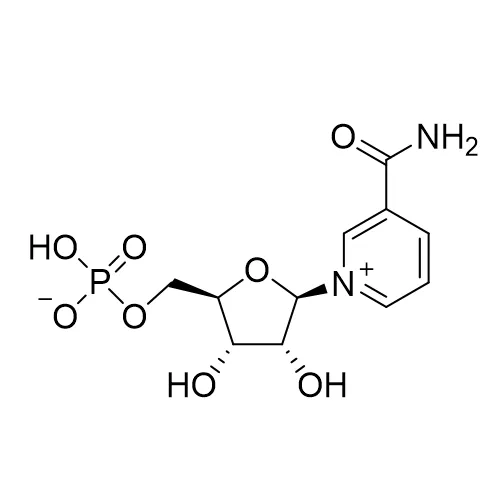
Liposomal NMN
2026-10-03
-
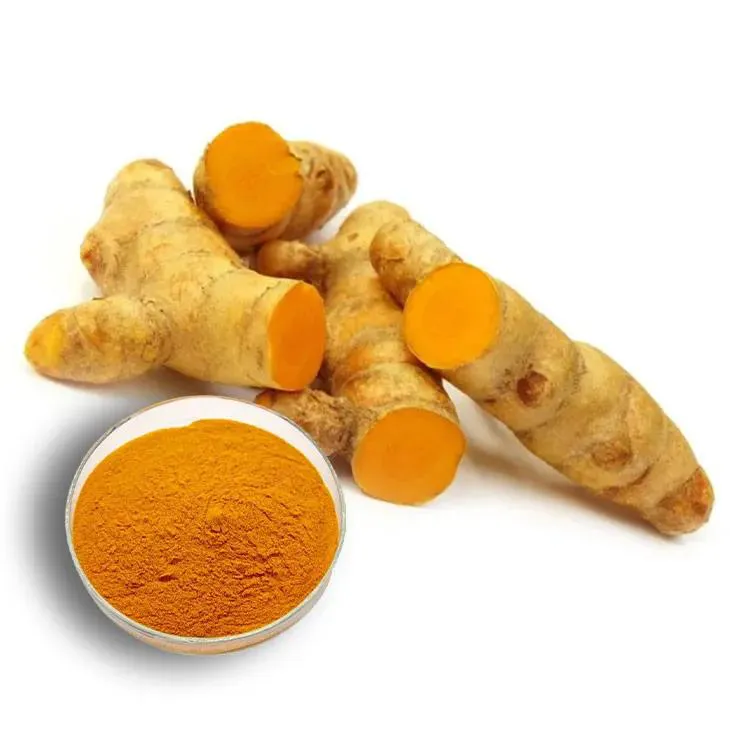
Curcumin
2026-10-03
-
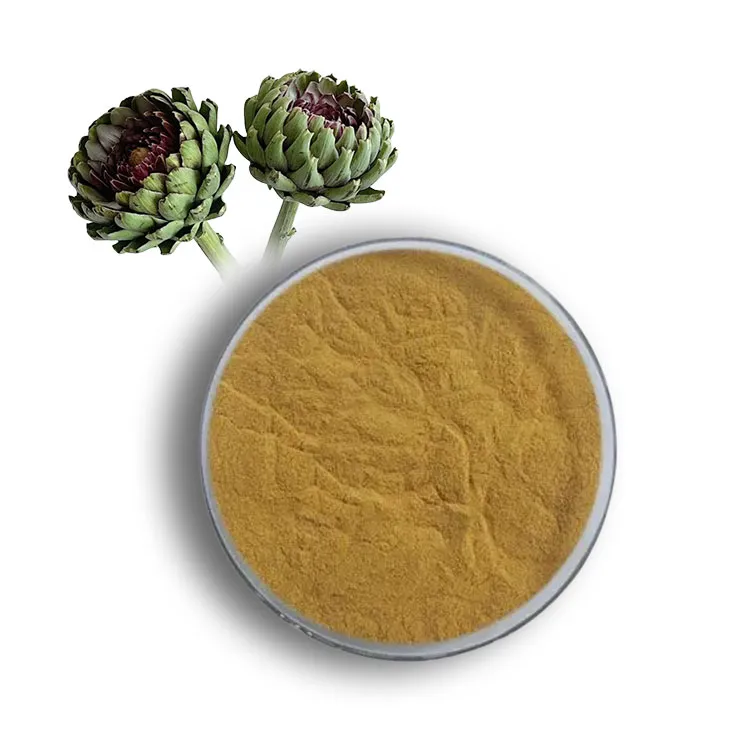
Artichoke Leaf Extract
2026-10-03
-
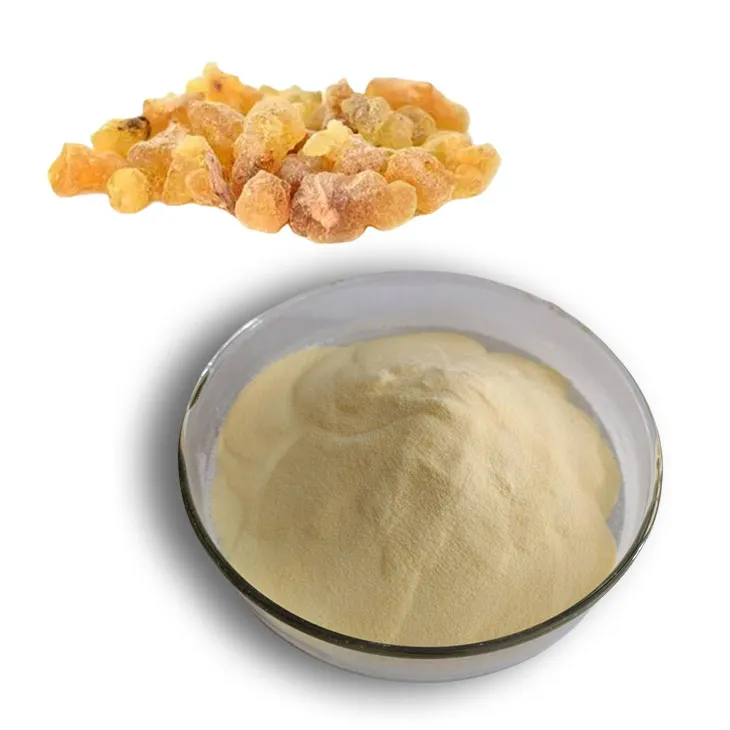
Boswellia Serrata Extract
2026-10-03
-
Licorice Root Extract Powder
2026-10-03
-
Kidney Bean Extract
2026-10-03
-
Nettle leaf extract
2026-10-03
-
Saw Palmetto Extract
2026-10-03
-
Astaxanthin
2026-10-03
