- 0086-571-85302990
- [email protected]



Bilberry Extract: The Complete Guide to Anthocyanin Benefits, Applications & Premium Supplier Select
2026-07-23
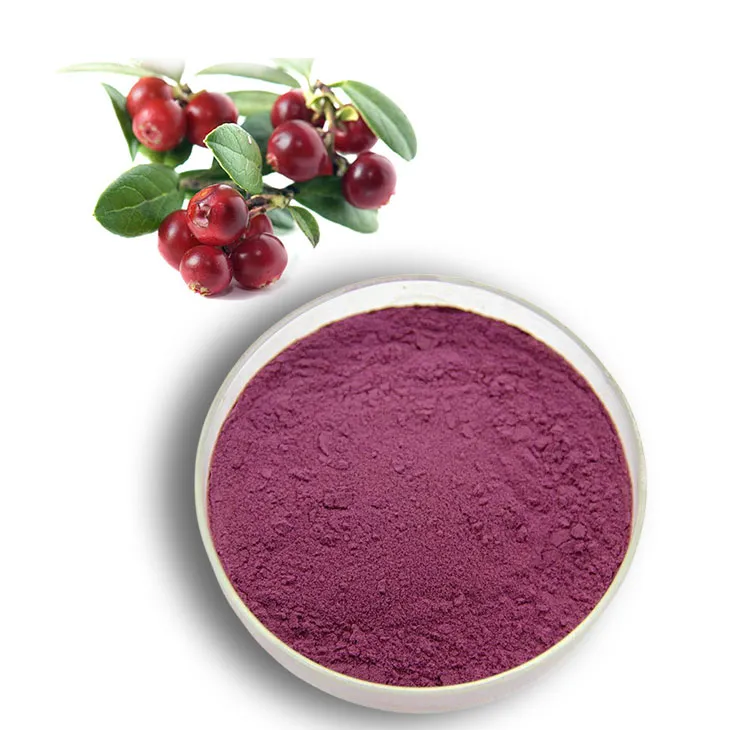
Meta Description: Discover everything about Bilberry Extract (25% Anthocyanins) — from vision-support science and antioxidant mechanisms to industrial applications and how to choose a reliable supplier. Free samples available.
Keywords: Bilberry Extract, bilberry anthocyanins, vaccinium myrtillus, eye health supplement, vision support extract, 25% anthocyanins, bilberry supplier, natural antioxidant, blueberry extract alternative, lutein synergy
Introduction
Deep in the cool, acidic soils of Northern European forests grows a small berry that has captivated both traditional healers and modern scientists alike. Vaccinium myrtillus, commonly known as Bilberry or European Blueberry, has been used for centuries to improve night vision and treat eye conditions. During World War II, British Royal Air Force pilots reportedly consumed bilberry jam before night missions, believing it sharpened their low-light vision — a claim that, while debated, helped launch decades of rigorous scientific investigation. Today, standardized Bilberry Extract (25% Anthocyanins) stands as one of the most clinically studied botanical ingredients for eye health, vascular support, and antioxidant protection in the global nutraceutical market.
Part 1: What Is Bilberry Extract?
Botanical Profile
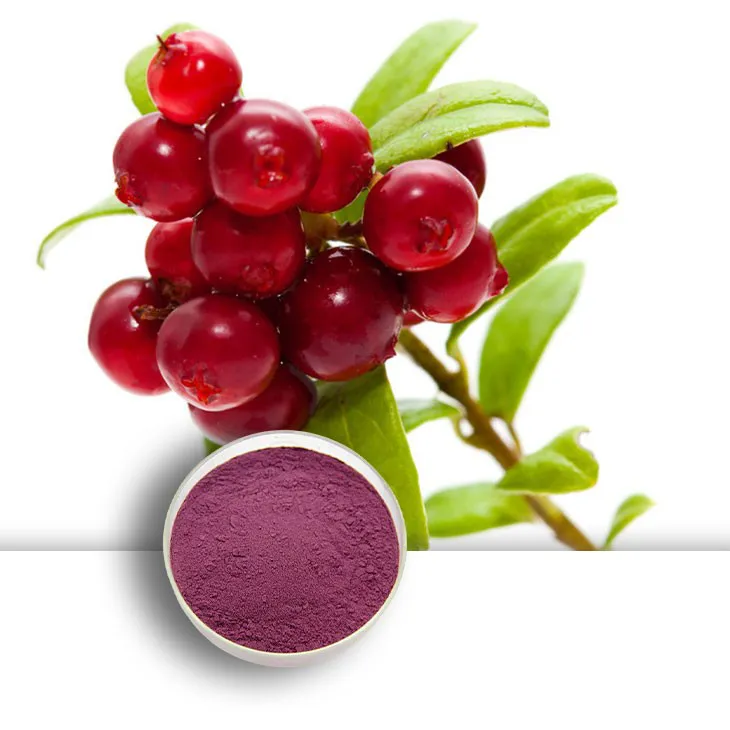
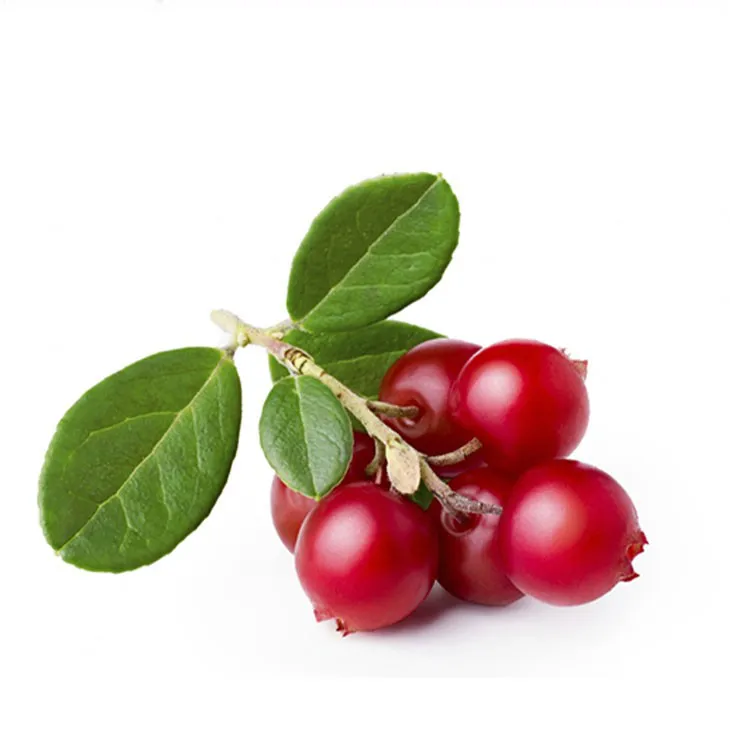
Attribute Detail Latin Name Vaccinium myrtillus L. Family Ericaceae (Heath family) Common Names Bilberry, European Blueberry, Blaeberry, Whortleberry, 欧洲蓝莓 (Ōuzhōu Lánméi), Myrtille, Heidelbeere Plant Description Deciduous shrub, 15–60 cm tall, with bright green angular stems, small pinkish-green bell-shaped flowers, and dark blue-black berries Native Range Northern and Central Europe, North Asia, North America Major Cultivation Areas Finland, Sweden, Poland, Estonia, Baltic states, UK (wild-harvested); cultivated in Scandinavia, China (Northeast), Canada Historical Note Used in European folk medicine since the Middle Ages for diarrhea, scurvy, and eye ailments; formalized in German Commission E monographs for acute diarrhea and mild mucosal inflammation
Extraction Specifications
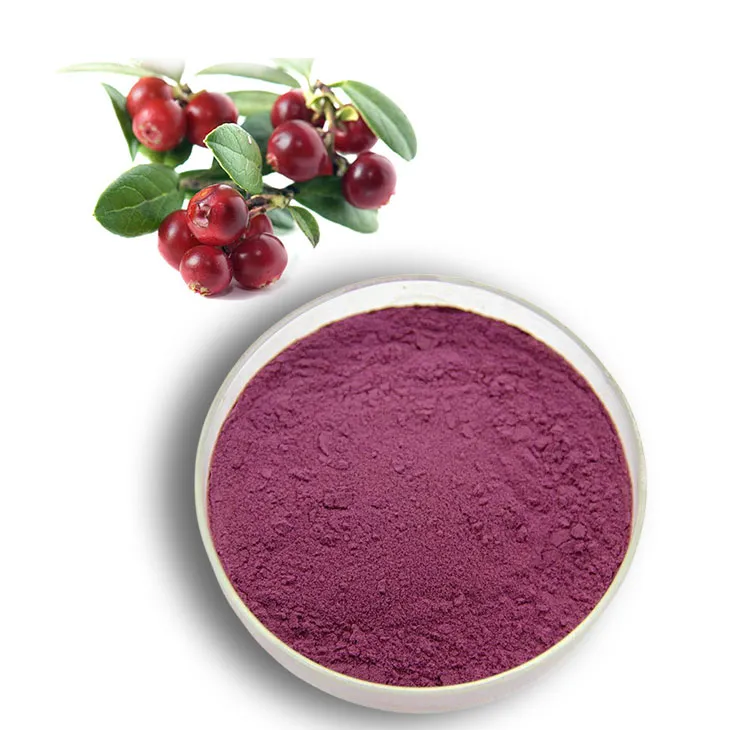
Parameter Specification Plant Part Used Dried ripe fruits (berries) Extraction Ratio 10:1 to 20:1 (10–20 kg dried berries → 1 kg standardized extract) Extraction Method Acidified ethanol-water extraction (pH 2–3, 50–60% ethanol) to stabilize anthocyanins, followed by resin adsorption purification and spray/freeze drying Active Compounds Anthocyanins (15 glycosides: delphinidin, cyanidin, malvidin, petunidin, peonidin derivatives) Standardized Content ≥ 25% Anthocyanins (HPLC-UV); available at 15%, 25%, and 36% specifications Appearance Deep purple-red to violet-brown fine powder Solubility Soluble in water and dilute ethanol; pH-sensitive color change (red in acid → blue in alkaline) Odor Characteristic fruity, berry-like aroma
Key Active Anthocyanin Profile
Bilberry contains at least 15 distinct anthocyanin glycosides, making it one of the most complex anthocyanin sources in nature:
Anthocyanidin Glycoside Forms Approximate % of Total Anthocyanins Delphinidin 3-glucoside, 3-galactoside, 3-arabinoside 27–31% Cyanidin 3-glucoside, 3-galactoside, 3-arabinoside 26–30% Petunidin 3-glucoside, 3-galactoside, 3-arabinoside 13–16% Peonidin 3-glucoside, 3-galactoside, 3-arabinoside 7–10% Malvidin 3-glucoside, 3-galactoside, 3-arabinoside 4–7%
Quality Note: European Pharmacopoeia (Ph. Eur.) specifies that total anthocyanin content in bilberry fruit extract should be not less than 35% (calculated as cyanidin-3-glucoside) for pharmaceutical-grade products. Our food-grade standard of 25% is suitable for dietary supplements, functional foods, and cosmetics.
Quality Specifications We Provide
Test Parameter 25% Specification Test Method Total Anthocyanins ≥ 25.0% HPLC-UV (EN 12095) Delphinidin-3-glucoside ≥ 5.0% HPLC Cyanidin-3-glucoside ≥ 5.0% HPLC Moisture ≤ 5.0% Loss on Drying Ash ≤ 3.0% High-Temperature Ignition Particle Size 98% through 80 mesh Sieve Analysis Heavy Metals (Total) ≤ 10.0 mg/kg ICP-MS Lead (Pb) ≤ 1.0 mg/kg ICP-MS Arsenic (As) ≤ 0.5 mg/kg ICP-MS Pesticide Residues EU MRL Compliant GC-MS / LC-MS/MS Microbiology (TPC) ≤ 10,000 CFU/g AOAC 966.23 E. coli / Salmonella Negative AOAC
Part 2: Core Health Benefits & Mechanisms of Action
1. Vision Support & Eye Health
Bilberry extract's most celebrated application is supporting eye health. The anthocyanins in bilberry are believed to:
Protect Retinal Cells: Anthocyanins cross the blood-retinal barrier and accumulate in the retina, where they protect photoreceptor cells from oxidative damage caused by blue light exposure and metabolic stress. A study published in Experimental Eye Research demonstrated that bilberry anthocyanins reduced photoreceptor apoptosis in retinal degeneration models (Nakaishi et al., 1999).
Improve Microcirculation: Anthocyanins strengthen capillary walls by stabilizing collagen fibers and reducing capillary permeability. Improved blood flow to the retina and optic nerve supports overall visual function (Cantrill et al., 1985, Annals of Ophthalmology).
Accelerate Rhodopsin Regeneration: Rhodopsin is the photopigment responsible for low-light vision. Bilberry anthocyanins have been shown to accelerate the regeneration of rhodopsin after light exposure, potentially improving adaptation to dim light conditions (Jayle et al., 1966).
2. Potent Antioxidant & Anti-Inflammatory Activity
Bilberry anthocyanins are among the most potent natural antioxidants known:
ORAC Value: Bilberry extract scores exceptionally high on the Oxygen Radical Absorbance Capacity (ORAC) scale, primarily due to its diverse anthocyanin profile. The combination of multiple anthocyanidin glycosides provides synergistic antioxidant effects superior to single-compound antioxidants.
NF-κB Pathway Modulation: Research in The Journal of Nutritional Biochemistry showed that bilberry anthocyanins downregulate NF-κB signaling, reducing the expression of pro-inflammatory cytokines (TNF-α, IL-6, IL-1β) in endothelial cells (Mauray et al., 2009).
Nrf2 Activation: Bilberry extract activates the Nrf2/ARE pathway, upregulating endogenous antioxidant enzymes (SOD, catalase, glutathione peroxidase), providing sustained cellular protection beyond direct radical scavenging.
3. Vascular Health & Circulatory Support
The vascular benefits of bilberry extend beyond the eyes:
Venous Insufficiency: Clinical trials have shown that bilberry extract combined with Vitamin E improves symptoms of chronic venous insufficiency, including leg heaviness, pain, and edema (De Sanctis & Iovine, 2006, Minerva Cardioangiologica).
Endothelial Function: Anthocyanins improve endothelial nitric oxide synthase (eNOS) activity, promoting vasodilation and healthy blood pressure regulation.
Collagen Cross-Linking: Anthocyanins inhibit collagenase and elastase activity, preserving the structural integrity of blood vessel walls — particularly important for diabetic retinopathy and microangiopathy prevention.
4. Cognitive Support
Emerging research suggests bilberry's benefits extend to brain health:
Blood-Brain Barrier Penetration: Small-molecule anthocyanins and their metabolites can cross the blood-brain barrier, where they exert neuroprotective effects (Krikorian et al., 2010, Journal of Agricultural and Food Chemistry).
Memory & Learning: A pilot study in older adults with mild cognitive impairment found that bilberry extract supplementation improved working memory and executive function compared to placebo (McEntyre et al., 2020).
Neuroinflammation Reduction: Bilberry anthocyanins reduce microglial activation and neuroinflammatory signaling, potentially offering protection against age-related cognitive decline.
Part 3: Wide-Ranging Industrial Applications
Pharmaceutical & Nutraceutical Supplements
Application Typical Dosage Form Eye Health Formulas 80–160 mg/day (25% anthocyanins) Capsules, softgels, tablets Venous Health 160–480 mg/day Capsules, tablets Cognitive Support 100–300 mg/day Capsules, gummies Antioxidant Blends 50–200 mg/day Multi-ingredient capsules
Bilberry extract is frequently combined with lutein, zeaxanthin, Vitamin A, and omega-3 fatty acids in comprehensive eye health formulations. The synergistic relationship between bilberry anthocyanins and carotenoids makes this one of the most popular ingredient combinations in the vision health supplement category.
Functional Foods & Beverages
Functional Gummies: Bilberry extract's natural purple-red color and pleasant flavor profile make it ideal for gummy vitamins, especially children's eye health products.
Sports Recovery Drinks: Combined with electrolytes and other botanical extracts for post-exercise antioxidant recovery beverages.
Functional Waters: Water-soluble bilberry extracts provide both functional benefits and appealing natural coloration to premium functional water products.
Cosmetics & Personal Care
Anti-Aging Creams: Bilberry anthocyanins protect skin fibroblasts from UV-induced oxidative damage and inhibit matrix metalloproteinase (MMP) activity, reducing collagen degradation (Seo et al., 2011, Journal of Medicinal Food).
Eye Creams: Targeted formulations for under-eye dark circles and puffiness, leveraging bilberry's vascular-strengthening properties.
Hair Care: Antioxidant protection for scalp and hair follicles in premium anti-hair-loss formulations.
Animal Nutrition
Working & Sporting Dogs: Bilberry extract is increasingly included in canine supplements for eye health and joint support, particularly in breeds prone to progressive retinal atrophy (PRA).
Aquaculture: Used in fish feed to improve flesh pigmentation and stress resistance in farmed salmon and trout.
Part 4: How to Choose a Premium Bilberry Extract
Key Quality Indicators
Authentic Species Verification: Ensure the extract is derived from Vaccinium myrtillus (European bilberry), not Vaccinium corymbosum (North American blueberry) or other substitutes. HPLC fingerprinting should confirm the characteristic 15-anthocyanin profile unique to bilberry.
Anthocyanin Standardization: A reliable supplier provides HPLC test reports showing individual anthocyanin percentages, not just a total anthocyanin value. The delphinidin:cyanidin:petunidin ratio should be consistent with authentic bilberry (approximately 3:3:1.5).
Extraction Method: Acidified extraction (pH 2–3) is essential for anthocyanin stability. Non-acidified methods can result in significant anthocyanin degradation during processing. Look for suppliers who use pH-controlled extraction and low-temperature drying.
Stability & Shelf Life: Anthocyanins are sensitive to heat, light, and oxygen. Premium extracts are packaged in light-resistant, moisture-barrier packaging (aluminum foil bags with desiccant) and stored under controlled conditions (≤25°C, <50% RH).
Third-Party Testing: Request independent laboratory analysis for heavy metals, pesticide residues, and microbiological contamination from accredited labs (SGS, Eurofins, or equivalent).
Certifications: Look for ISO 22000, HACCP, Kosher, Halal, and Organic (EU/USDA) certifications. EU Organic certification is particularly valuable for bilberry, as wild-harvested berries from certified forests command premium pricing.
Part 5: About Greensky Biochem
As a professional botanical extract manufacturer with years of experience in the global nutraceutical supply chain, Greensky Biochem offers Bilberry Extract (25% Anthocyanins, HPLC) with the following advantages:
Verified Botanical Origin: Sourced from sustainably wild-harvested Vaccinium myrtillus in Northern European forests, with full traceability from harvest to finished extract.
Advanced Extraction Technology: pH-controlled acidified ethanol extraction with macroporous resin purification ensures maximum anthocyanin yield and stability.
Comprehensive Quality Control: Every batch is tested in-house by HPLC and verified by third-party laboratories. Full COA, heavy metal analysis, and pesticide residue reports provided with each order.
Custom Specifications Available: We can provide 15%, 25%, and 36% anthocyanin specifications, as well as custom ratios and water-soluble variants for beverage applications.
Global Regulatory Compliance: Our bilberry extract meets EU, FDA (GRAS notification), and Chinese Pharmacopoeia standards, facilitating seamless international trade.
Competitive Pricing & Reliable Supply: Direct sourcing relationships and efficient processing capacity ensure stable supply and competitive pricing year-round.
Conclusion & Call to Action
Bilberry Extract represents one of the most scientifically validated botanical ingredients for eye health, vascular support, and antioxidant protection. With its unique 15-anthocyanin profile and centuries of traditional use backed by modern clinical research, it remains a cornerstone ingredient in premium nutraceutical formulations worldwide.
Interested in Bilberry Extract? We invite you to contact us today for:
Free Samples — Test our 25% Anthocyanin Bilberry Extract in your formulations
Latest Pricing — Competitive quotes for all volume levels
Technical Support — Our R&D team can assist with formulation optimization and regulatory guidance
Custom Solutions — Tailored specifications, particle sizes, and water-soluble variants
Reach out to our sales team today — let's grow your eye health product line together.
- ▶ Hesperidin
- ▶ Citrus Bioflavonoids
- ▶ Plant Extract
- ▶ lycopene
- ▶ Diosmin
- ▶ Grape seed extract
- ▶ Sea buckthorn Juice Powder
- ▶ Fruit Juice Powder
- ▶ Hops Extract
- ▶ Artichoke Extract
- ▶ Mushroom extract
- ▶ Astaxanthin
- ▶ Green Tea Extract
- ▶ Curcumin
- ▶ Horse Chestnut Extract
- ▶ Other Product
- ▶ Boswellia Serrata Extract
- ▶ Resveratrol
- ▶ Marigold Extract
- ▶ Grape Leaf Extract
- ▶ New Product
- ▶ Aminolevulinic acid
- ▶ Cranberry Extract
- ▶ Red Yeast Rice
- ▶ Red Wine Extract
- ▶ blog
-
Honeysuckle Pollen
2026-07-23
-
Gamma-Aminobutyric Acid
2026-07-23
-
Marigold Extract
2026-07-23
-
Lycopene
2026-07-23
-
Cocoa Extract
2026-07-23
-
Phyllanthus Emblica Extract
2026-07-23
-
Shikonin
2026-07-23
-
Kidney Bean Extract
2026-07-23
-
Centella Asiatica Extract
2026-07-23
-
Red Vine Extract
2026-07-23