- 0086-571-85302990
- [email protected]




How to Choose the Best Purple Yam Powder: The Ultimate Buyer's Guide (2026)
2026-09-02
Meta Title: Best Purple Yam Powder Buying Guide 2026 — How to Choose QualityMeta Description: Learn how to choose the best purple yam powder with our comprehensive buying guide. Compare origin, processing, ingredients, certifications, and price.Target Keywords: best purple yam powder, purple yam powder buy, how to choose purple yam powder, purple yam powder review, organic purple yam powderSuggested URL: /blog/best-purple-yam-powder-buying-guide
Introduction
The purple yam powder market is booming — and not all products are created equal. Prices range from under $5 to over $20 per pouch, and the quality difference is real.
This guide will teach you exactly what to look for, what to avoid, and how to spot a quality purple yam powder — so you can buy with confidence.
1. Check the Origin: Where It Grows Matters
Purple yam quality is heavily influenced by growing conditions. Here are the top sourcing regions:
Origin Reputation Key Characteristics Liancheng, Fujian, China ★★★★★ "Hometown of Purple Yam in China" — centuries of cultivation, ideal soil and climate Guangchang, Jiangxi, China ★★★★☆ Mountain-grown, eco-friendly farming, high anthocyanin content Hunan / Guangxi, China ★★★☆☆ Larger production, variable quality Philippines (Ube) ★★★★☆ Traditional variety, great for culinary use Vietnam ★★★☆☆ Growing production, quality improving
What to look for: A quality brand will proudly display the origin on the label. If there's no origin listed, that's a red flag.
Top pick: Liancheng, Fujian is widely considered the gold standard for purple yam quality in the industry.
2. Processing Method: Low-Temperature Drying Is Non-Negotiable
The way purple yam is dried determines how many nutrients survive the journey from farm to your cup.
Low-Temperature Drying / Freeze-Drying (Recommended)
Temperature: 45-60°C (113-140°F)
Anthocyanin retention: 80-90%
Enzyme activity: Preserved
Flavor: Natural, authentic
Cost: Higher
High-Temperature Baking / Spray Drying (Avoid)
Temperature: 100°C+ (212°F+)
Anthocyanin retention: 40-50% (significant loss)
Enzyme activity: Destroyed
Color: Often pale or artificially enhanced
Cost: Lower
How to tell: Check the product description for "low-temperature dried," "freeze-dried," or "FD" (freeze-dried). If the processing method isn't mentioned, contact the seller or choose a different brand.
3. Ingredients List: The Shorter, the Better
A premium purple yam powder should have one ingredient:
Ingredients: Purple Yam
That's it. Nothing else.
Ingredients to Watch Out For
Additive Why It's Used Why to Avoid Maltodextrin Filler — adds weight cheaply Dilutes nutritional value, spikes blood sugar Artificial flavors Masks poor-quality raw material Unnecessary chemicals, may cause sensitivities Added sugar Improves taste of inferior product Unwanted calories, undermines low-GI benefits Anti-caking agents Prevents clumping during storage Chemical additives (silicon dioxide, etc.) Color additives (E133, etc.) Makes pale powder look purple Deceptive — real purple yam is naturally vibrant
Rule of thumb: If the ingredient list is longer than one item, put it back.
4. Color & Aroma: Your First Quality Test
Before you even open the package, the color and smell tell you a lot.
Visual Inspection
Quality Indicator Good Sign Bad Sign Dry powder color Deep purple, even tone Pale, grayish, or unnaturally bright After mixing with water Purple-red, naturally rich Watery, pale pink, or neon purple Consistency Uniform color throughout Patchy or streaky coloring
Smell Test
Quality Indicator Good Sign Bad Sign Dry powder Light, natural yam aroma, slightly nutty No smell, musty, or rancid After mixing Pleasant, mild sweetness Chemical or artificial smell
Pro tip: If the color is too vibrant (almost neon purple), it may contain artificial coloring. Natural purple yam has a rich but muted purple-red tone.
5. Particle Size: Finer Is Better
The fineness of the powder (measured in "mesh") affects both taste and absorption:
Mesh Size Texture Absorption Best For 60-80 mesh (coarse) Grainy, noticeable particles Slower Cooking/baking where texture doesn't matter 80-120 mesh (medium) Slight granularity Moderate General use 200+ mesh (ultra-fine) Smooth like flour Fast, efficient Drinks, smoothies, premium products 300+ mesh (nano-grade) Extremely fine, silky Maximum Premium/medical-grade products
Recommendation: Look for 200 mesh or higher for the best drinking experience. Ultra-fine powder dissolves more easily and feels smoother on the palate.
6. Certifications & Testing: Your Safety Net
Reputable purple yam powder brands invest in quality verification. Look for:
Must-Have
SC License Number (China's food production license)
Production date & expiry date
Manufacturer information
Nice-to-Have
Third-party test reports (heavy metals, pesticide residues, microbiology)
Organic certification (USDA Organic, EU Organic, China Organic)
HACCP / ISO 22000 (food safety management systems)
Non-GMO certification
Red Flags
No production date
No manufacturer address or contact
No SC license number (for Chinese products)
Vague or missing ingredient list
Unrealistic health claims ("cures diabetes," etc.)
7. Price Guide: What's a Fair Price?
Here's what to expect in the current market (per 100g):
Tier Price Range What You Get Premium $5-10 / 100g Liancheng origin, freeze-dried, 200+ mesh, organic certified Mid-Range $2.50-5 / 100g Clear origin, low-temperature dried, clean ingredient list Budget Under $2.50 / 100g Origin unclear, possible additives, coarser grind
Our advice: Don't go for the cheapest option. The raw material and processing costs for quality purple yam powder are real — prices that seem too good to be true usually are.
Sweet spot: The mid-to-premium range offers the best balance of quality and value.
8. Brand Types Compared
Brand Type Pros Cons Best For Major commercial brands Consistent quality, reliable after-sales, certified Higher price, sometimes less "authentic" Consumers who prioritize peace of mind Direct-from-farm brands Great value, fresh product, supports local farmers Lower brand recognition, variable marketing Value-conscious buyers Organic-certified brands No pesticides, full traceability, highest standards Highest price point Quality-first consumers, parents Bulk/unbranded Lowest price Unpredictable quality, no testing, risky Not recommended
9. Storage & Shelf Life
Once you've bought your purple yam powder, proper storage ensures it stays fresh:
Unopened: Store in a cool, dry place away from direct sunlight. Shelf life is typically 12-18 months.
Opened: Reseal tightly after each use. Use within 3-6 months for best quality.
Avoid: Humidity, heat, and sunlight — all three accelerate nutrient degradation and can cause clumping or mold.
Pro tip: Don't store it in the refrigerator unless the packaging specifically recommends it. Condensation from temperature changes can introduce moisture.
10. Quick Buying Checklist
Print this or save it to your phone before your next purchase:
Origin clearly stated (ideally Liancheng, Fujian)
Low-temperature dried or freeze-dried
Single ingredient: Purple Yam only
Ultra-fine grind (200+ mesh)
SC license number present
Production date and expiry date visible
Third-party test results available (bonus)
Deep, natural purple color
Pleasant, natural aroma
Reasonable price (not suspiciously cheap)
If a product checks at least 7 out of 10 of these boxes, it's a solid buy.
Frequently Asked Questions
Q: Can I return purple yam powder if I don't like the taste?A: Check the seller's return policy. Many online retailers accept returns on unopened products.
Q: Does purple yam powder expire?A: Yes. Most products have a shelf life of 12-18 months unopened. After opening, consume within 3-6 months.
Q: Is organic purple yam powder worth the extra cost?A: If budget allows, yes — organic certification means no synthetic pesticides or fertilizers were used during growing, which is especially relevant for root vegetables.
Q: Can I buy purple yam powder in bulk?A: Yes, but only from trusted suppliers. Bulk products without proper packaging can degrade quickly.
Q: What's the difference between "purple yam powder" and "ube powder"?A: They're the same thing. "Ube" is simply the Filipino word for purple yam.
Final Verdict
Choosing the right purple yam powder doesn't have to be complicated. Focus on these four pillars:
Clean origin — know where it comes from
Gentle processing — low-temperature drying preserves nutrients
Simple ingredients — just purple yam, nothing else
Verified quality — certifications and test reports
Get these four right, and you'll have a product that's as good for you as it is beautiful to look at.
- ▶ Hesperidin
- ▶ Citrus Bioflavonoids
- ▶ Plant Extract
- ▶ lycopene
- ▶ Diosmin
- ▶ Grape seed extract
- ▶ Sea buckthorn Juice Powder
- ▶ Fruit Juice Powder
- ▶ Hops Extract
- ▶ Artichoke Extract
- ▶ Mushroom extract
- ▶ Astaxanthin
- ▶ Green Tea Extract
- ▶ Curcumin
- ▶ Horse Chestnut Extract
- ▶ Other Product
- ▶ Boswellia Serrata Extract
- ▶ Resveratrol
- ▶ Marigold Extract
- ▶ Grape Leaf Extract
- ▶ New Product
- ▶ Aminolevulinic acid
- ▶ Cranberry Extract
- ▶ Red Yeast Rice
- ▶ Red Wine Extract
- ▶ blog
-
Feverfew Extract
2026-09-02
-
Cactus Extract
2026-09-02
-
Calendula Extract
2026-09-02
-
Black Seed Extract
2026-09-02
-
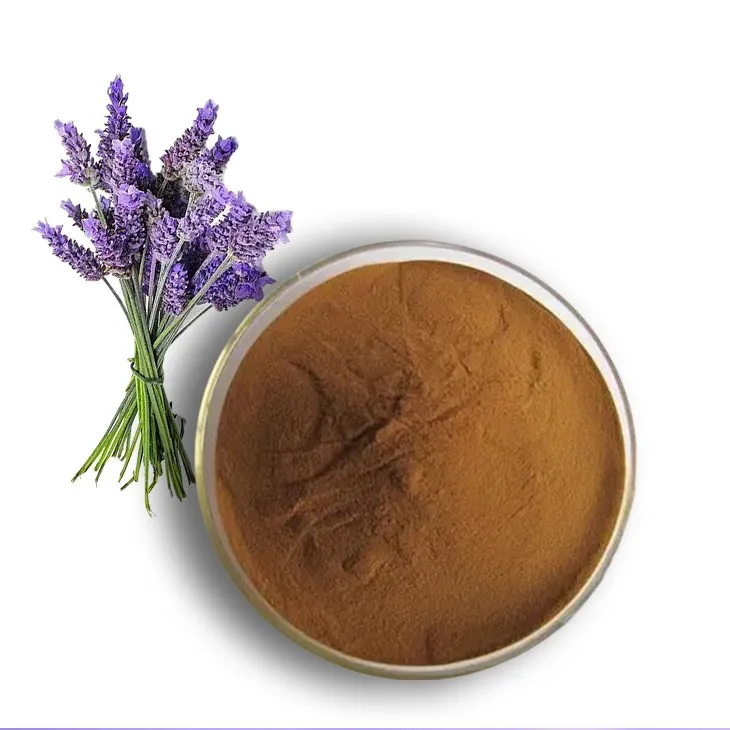
Lavender Extract
2026-09-02
-
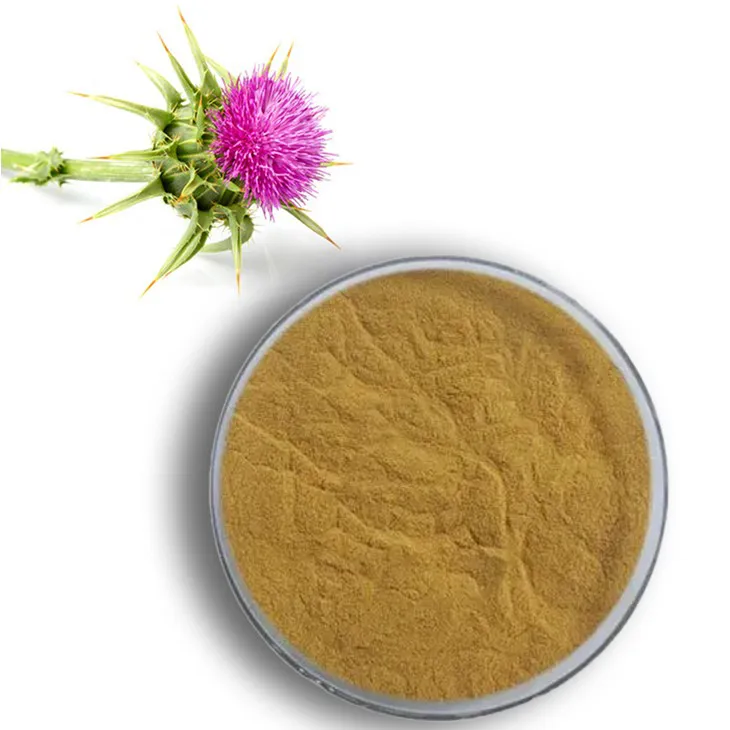
Milk Thistle Extract
2026-09-02
-
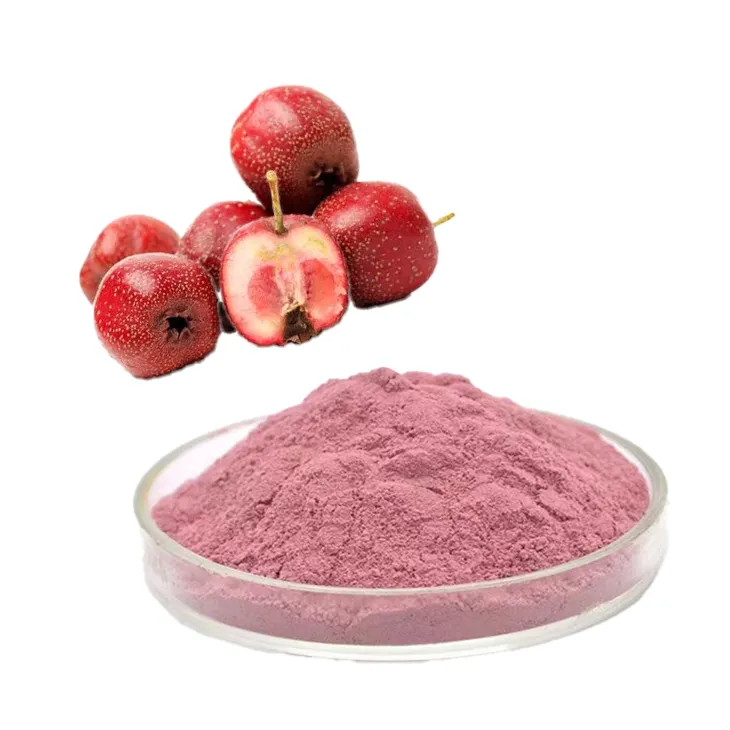
Hawthorn powder
2026-09-02
-
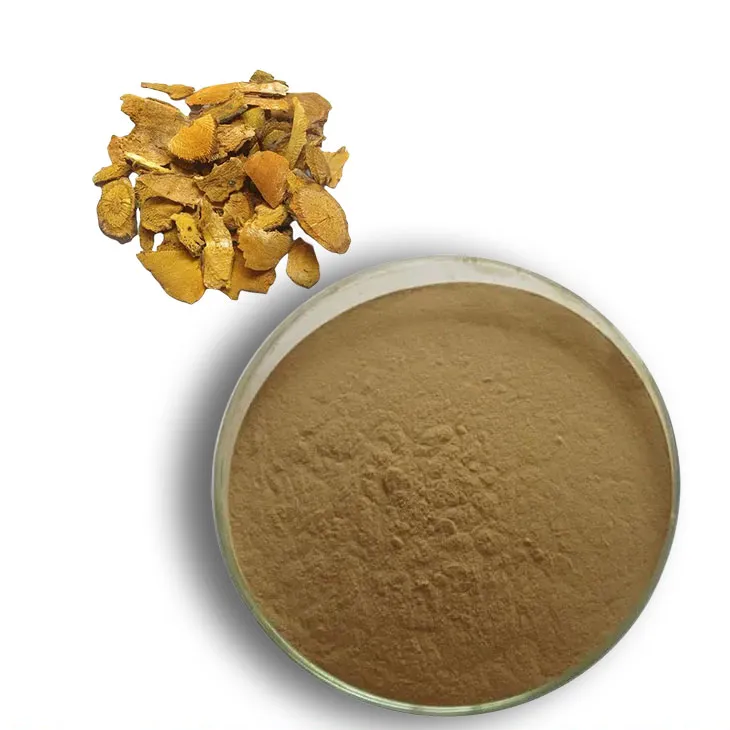
Polygonum Cuspidatum Extract
2026-09-02
-
Senna Leaf Extract
2026-09-02
-
Golden Seal Extract
2026-09-02