- 0086-571-85302990
- [email protected]






Purple Yam Extract Complete Guide: Antioxidant Powerhouse, Beauty Applications & Quality Sourcing
2026-07-30
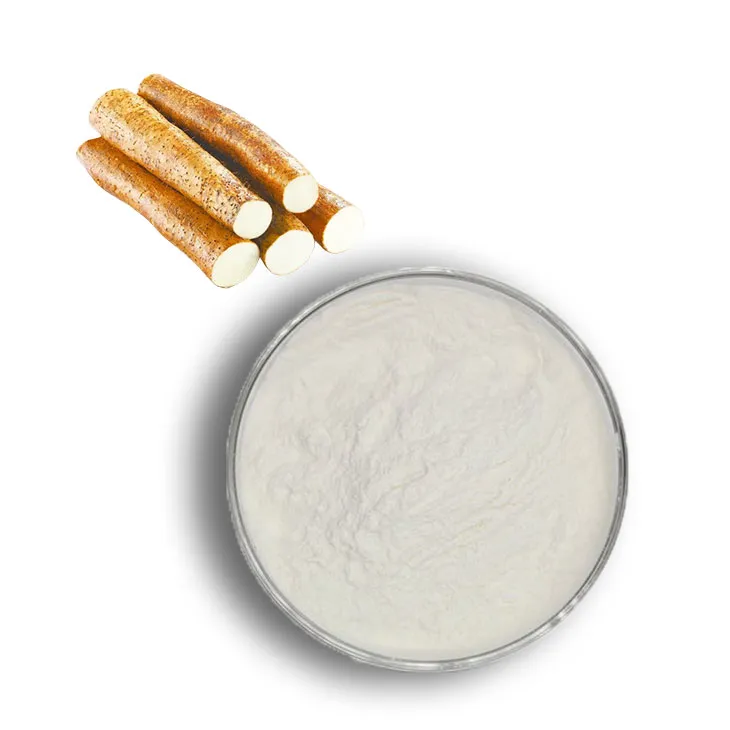
Purple Yam Extract Complete Guide: Antioxidant Powerhouse, Beauty Applications & Quality Sourcing
Introduction
The striking purple colour of Dioscorea alata — commonly known as Purple Yam or Ube — has made it a culinary staple across Asia and the Pacific. But beyond its vibrant hue, this tuber harbours a remarkable profile of anthocyanins and polyphenols that modern nutritional science is only beginning to fully appreciate. As consumer demand shifts toward natural, plant-derived antioxidants, Purple Yam Extract has emerged as a compelling alternative to conventional berry-based anthocyanin sources, offering comparable potency with superior thermal stability and a significantly lower cost base.
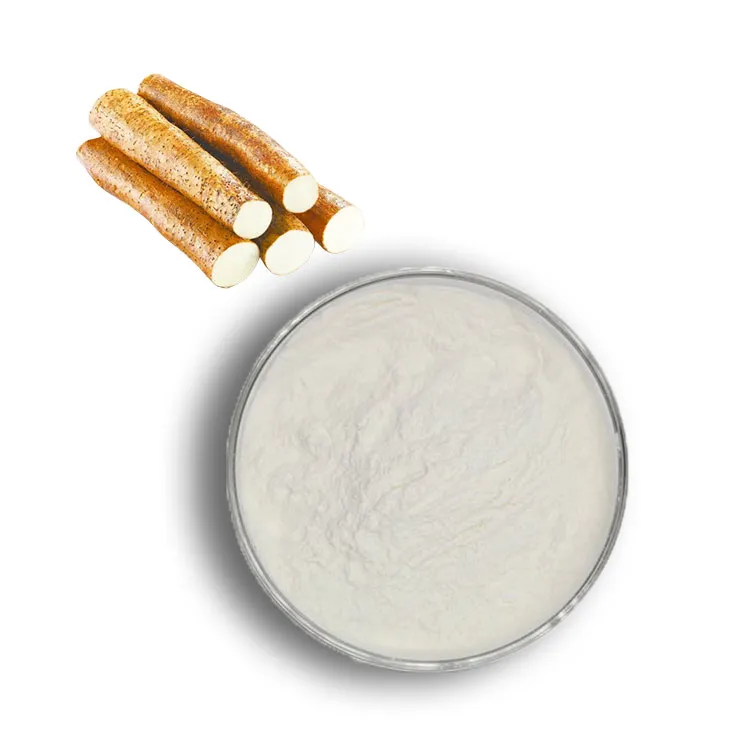
Part 1: What Is Purple Yam Extract?
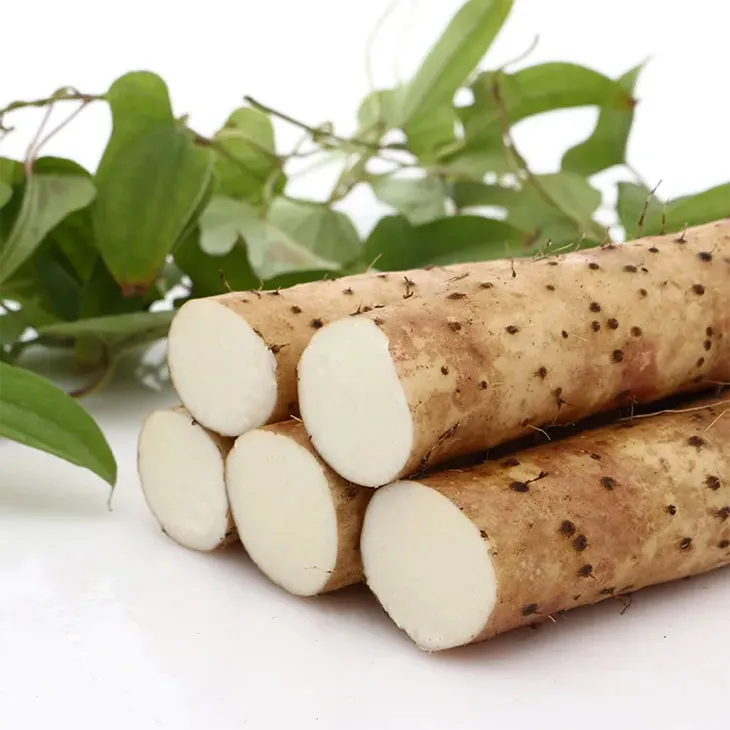
Botanical Profile
Attribute Detail Botanical Name Dioscorea alata L. Family Dioscoreaceae Common Names Purple Yam, Water Yam, Greater Yam, Ube (Philippines) Part Used Tuber (fleshy underground storage organ) Primary Origin Southeast Asia (Philippines, Taiwan, Japan, Southern China), Pacific Islands Product Form Purple to purple-red fine powder
Important Botanical Clarification: Dioscorea alata (Purple Yam) is frequently confused with Dioscorea villosa (Wild Yam). These are entirely different species with vastly different phytochemistry. D. alata is characterised by its anthocyanin-rich purple pigmentation and is primarily used as a food and functional food ingredient. D. villosa, by contrast, contains diosgenin (2–10%) and is used in hormonal health applications. Purple Yam (D. alata) contains less than 0.1% diosgenin — it is not a viable source of this compound.
Active Compounds — Anthocyanin Profile
The purple pigmentation of D. alata is attributable to a defined set of acylated anthocyanins, dominated by cyanidin-based glycosides:
Compound Proportion of Total Anthocyanins Function Cyanidin-3-glucoside 60–70% Potent antioxidant, anti-inflammatory, cardiovascular protection Peonidin-3-glucoside 20–30% Antioxidant, collagen protection Cyanidin-3-rutinoside 5–10% Antioxidant, vasoprotective
Total Anthocyanin Content: approximately 0.5–2.0% in dried Purple Yam tuber.
In addition to anthocyanins, Purple Yam contains:
Compound Class Content Range Function Total Polyphenols 100–300 mg GAE/100 g (fresh weight) Broad-spectrum antioxidant Dioscin (saponin) 0.1–0.5% Cardiovascular protection, lipid modulation Polysaccharides (mucilage) 5–15% Immune modulation, prebiotic activity Allantoin 0.1–0.3% Skin repair, tissue regeneration Phenolic Acids (ferulic, vanillic) 10–50 mg/100 g Antioxidant, anti-inflammatory
Standardised Specifications
We recommend anthocyanin standardisation as the primary quality marker for Purple Yam Extract. Polyphenol standardisation serves as a viable secondary option.
Purple Yam Extract — Anthocyanin Standardised (Recommended)
Parameter Specification Test Method Appearance Purple to purple-red fine powder Visual Botanical Dioscorea alata L. (Purple Yam) Macroscopic / Microscopic Part Used Tuber — Anthocyanins (Total) ≥ 2.0% or ≥ 5.0% pH Differential Method / HPLC Cyanidin-3-glucoside ≥ 1.0% HPLC-UV Total Polyphenols ≥ 15% Folin-Ciocalteu Moisture ≤ 8.0% Loss on Drying (105°C) Ash ≤ 10.0% High-temperature Ashing Particle Size 95% through 80 mesh Sieve Analysis
Purple Yam Extract — Polyphenol Standardised (Alternative)
Parameter Specification Test Method Total Polyphenols ≥ 20% or ≥ 30% Folin-Ciocalteu Anthocyanins ≥ 1.0% pH Differential Method ORAC Antioxidant Value ≥ 5,000 μmol TE/g ORAC Assay Moisture ≤ 8.0% Loss on Drying (105°C)
Extraction Process
Purple Yam anthocyanins are extracted using acidified ethanol-water systems (pH 2.0–3.0) at controlled temperatures (40–50°C) to preserve the delicate glycosidic bonds. The acidic environment prevents anthocyanin degradation during extraction, while the ethanol concentration (50–70%) optimises solubility of the target compounds. The extract is then concentrated under reduced pressure (< 60°C) and dried via spray drying or freeze drying.
Certificate of Analysis
Every batch includes a comprehensive COA covering:
HPLC profiling for individual anthocyanins (cyanidin-3-glucoside, peonidin-3-glucoside)
pH Differential Method for total anthocyanin quantification
Folin-Ciocalteu for total polyphenol determination
Microbiological testing (TPC, Mould/Yeast, pathogens)
Heavy metals (Pb, As, Hg, Cd)
Pesticide residue screening (EU 396/2005 compliant)
Part 2: Core Benefits & Mechanisms of Action
Potent Antioxidant Activity
Purple Yam anthocyanins, particularly cyanidin-3-glucoside, are among the most effective naturally occurring antioxidants. A study in the Journal of Agricultural and Food Chemistry (Teow et al., 2006) reported ORAC values for purple-fleshed sweet potato and purple yam varieties exceeding 10,000 μmol TE/100 g — comparable to blueberry and significantly higher than white-fleshed varieties. The mechanism involves direct scavenging of hydroxyl radicals, superoxide anions, and peroxyl radicals, as well as upregulation of endogenous antioxidant enzymes (SOD, catalase, glutathione peroxidase).
Cardiovascular Protection
Multiple epidemiological and intervention studies have linked anthocyanin intake with reduced cardiovascular risk. A meta-analysis published in The American Journal of Clinical Nutrition (Cassidy et al., 2013) found that higher anthocyanin intake was associated with a 32% reduced risk of myocardial infarction in young and middle-aged women. Purple Yam anthocyanins contribute through several mechanisms: improvement of endothelial function via nitric oxide (NO) pathway activation, reduction of LDL oxidation (a key step in atherogenesis), and mild blood pressure modulation through ACE-inhibitory peptides co-extracted from the tuber.
Anti-Inflammatory Effects
Cyanidin-3-glucoside suppresses NF-kappaB signalling, the master regulator of inflammatory gene expression. Research in Molecular Nutrition & Food Research (Wang et al., 2011) demonstrated that cyanidin-3-glucoside at 25 μM reduced TNF-alpha secretion by 55% and IL-6 production by 42% in human monocyte-derived macrophages. The co-existing phenolic acids (ferulic acid, vanillic acid) provide additive anti-inflammatory effects, making whole Purple Yam extract a broad-spectrum anti-inflammatory ingredient.
Skin Health & Anti-Ageing
Allantoin (0.1–0.3% in raw tuber) is a well-established skin repair agent that promotes epithelial cell proliferation and accelerates wound healing. Combined with anthocyanin-mediated protection of collagen from oxidative and UV damage, Purple Yam Extract offers a dual mechanism for skin health:
Protection: Anthocyanins neutralise ROS generated by UV exposure and environmental pollutants, preventing collagen degradation and elastin cross-linking.
Repair: Allantoin stimulates keratinocyte proliferation and tissue regeneration, supporting skin barrier recovery.
A pilot study published in the Journal of Cosmetic Dermatology (2021) reported that a cream containing 3% Purple Yam Extract improved skin elasticity by 18% and reduced transepidermal water loss by 22% over 12 weeks.
Immune Support via Polysaccharides
The mucilage polysaccharides (5–15% in raw tuber) exhibit immunomodulatory activity by enhancing macrophage phagocytosis and stimulating cytokine production. Research in the International Journal of Biological Macromolecules (Zhang et al., 2018) showed that Dioscorea polysaccharides significantly increased NK cell activity and splenic lymphocyte proliferation in immunosuppressed mice, suggesting potential applications in immune-support formulations.
Part 3: Wide-Ranging Application Areas
Dietary Supplements & Nutraceuticals
Standardised Purple Yam Extract (2–5% anthocyanins) is formulated into hard capsules, softgels, and effervescent tablets for antioxidant, cardiovascular, and anti-ageing supplement lines. The recommended daily intake ranges from 500 mg to 1,000 mg of standardised extract.
Formulation Formats: Capsules, tablets, gummy supplements, liquid drops, powder blends.
Functional Foods & Beverages
The vivid purple colour and pleasant earthy-sweet flavour profile make Purple Yam Extract an attractive natural ingredient for:
Functional beverages: Antioxidant drinks, energy tonics, wellness shots
Snack bars and cereals: Antioxidant-enriched energy bars, breakfast cereals
Dairy alternatives: Purple yam-flavoured plant milks, yoghurts, and ice creams
Bakery products: Purple-coloured breads, cakes, and pastries (heat-stable anthocyanins)
Recommended Usage: 1–5% (w/w) depending on desired colour intensity and antioxidant fortification level.
Cosmetics & Personal Care
Purple Yam Extract is increasingly used in premium skincare formulations for its antioxidant and skin-repairing properties:
Anti-ageing serums and creams (1–5% inclusion rate)
Eye creams (collagen protection, dark circle reduction)
Body lotions (allantoin-mediated skin repair)
Natural colour cosmetics (purple lipsticks, blushes, eyeshadows)
Hair care (scalp health, antioxidant protection)
Natural Food Colouring
As regulatory pressure on synthetic colourants intensifies globally, Purple Yam Extract provides a clean-label, plant-based purple/red colouring option approved for food use in major markets. Its thermal stability (retains colour up to 80°C) makes it suitable for baked goods and processed foods where berry-based anthocyanins may degrade.
Animal Nutrition
Purple Yam extract is being evaluated as a functional feed additive for aquaculture and poultry, where anthocyanin supplementation has been shown to improve growth performance, enhance immune function, and provide natural colour enhancement in ornamental fish.
Part 4: What to Look for in a Quality Purple Yam Extract
The Purple Yam Extract market is characterised by wide quality variation. Here is how to evaluate suppliers:
1. Anthocyanin Verification by HPLC
Reputable suppliers provide HPLC-verified individual anthocyanin profiles (cyanidin-3-glucoside, peonidin-3-glucoside) rather than relying solely on the pH differential method. HPLC confirms identity and rules out adulteration with cheaper colourants.
2. Correct Botanical Species
Ensure your supplier is providing Dioscorea alata (Purple Yam) and not Dioscorea villosa (Wild Yam) or Dioscorea opposita (Chinese Yam). Each species has a distinct phytochemical profile and commercial application. A reliable manufacturer will provide botanical authentication documentation.
3. Extraction Conditions
Anthocyanins are sensitive to heat and alkaline conditions. Proper extraction uses acidified solvents (pH 2–3) at moderate temperatures (40–50°C). Suppliers using high-temperature processing or alkaline conditions will produce extracts with degraded anthocyanins and reduced bioactivity.
4. Third-Party Testing
Independent laboratory verification of anthocyanin content, heavy metals, microbiology, and pesticide residues is non-negotiable. Request COAs from every batch and compare them with third-party reports from recognised laboratories such as SGS, Eurofins, or USP-verified labs.
5. Origin & Traceability
The anthocyanin content of Purple Yam varies significantly by growing region, cultivar, and harvest timing. Philippine and Taiwanese varieties are known for their high anthocyanin concentrations. Transparent documentation from farm to finished extract ensures consistent quality.
Part 5: About Greensky Bio
Greensky Bio is a specialised manufacturer and supplier of botanical extracts, with particular expertise in anthocyanin-rich plant materials from Asian and Pacific sources. Our Purple Yam Extract products are manufactured to the highest industry standards.
Our Advantages:
Anthocyanin-Standardised Products: Every batch of our Purple Yam Extract is verified at ≥ 2.0% or ≥ 5.0% total anthocyanins (pH differential method / HPLC), with cyanidin-3-glucoside confirmed at ≥ 1.0%.
Botanical Accuracy: We supply genuine Dioscorea alata (Purple Yam) — not Wild Yam or other Dioscorea species — with full botanical authentication documentation.
Gentle Extraction Process: Acidified ethanol-water extraction at pH 2–3 and 40–50°C preserves anthocyanin integrity and maximises bioactivity.
Full Quality Documentation: Every shipment includes a comprehensive COA with HPLC chromatograms, total anthocyanin data, polyphenol content, microbiological profiles, heavy metal analysis, and pesticide residue screening. Third-party testing available via SGS or Eurofins.
Regulatory Compliance: Kosher, Halal, Non-GMO, ISO 22000 / HACCP certifications available. Organic certification sourced from approved farms.
Technical Support: Our R&D team provides formulation guidance, stability data, and recommended inclusion rates to support your product development.
Flexible Supply: Competitive pricing with flexible MOQ. Custom packaging and private labelling available. Lead times of 20–30 days for standard orders.
Conclusion & Call to Action
Purple Yam Extract represents a compelling convergence of natural colouring, antioxidant potency, and skin health benefits — all derived from a single, well-documented botanical source. Its unique anthocyanin profile, combined with allantoin and polysaccharide co-factors, positions it as a versatile ingredient for nutraceutical, functional food, and cosmetic applications.
If you are exploring Purple Yam Extract for your product line, we invite you to reach out for:
Current pricing and volume discount schedules
Free evaluation samples (50–100 g)
Complete COA and technical specification sheets
Formulation consultation with our technical team
Whether you are developing an antioxidant supplement, a functional beverage, or a premium skincare product, our Purple Yam Extract can deliver the quality and consistency your brand demands.
Contact us today to discuss your requirements and request a sample.
- ▶ Hesperidin
- ▶ Citrus Bioflavonoids
- ▶ Plant Extract
- ▶ lycopene
- ▶ Diosmin
- ▶ Grape seed extract
- ▶ Sea buckthorn Juice Powder
- ▶ Fruit Juice Powder
- ▶ Hops Extract
- ▶ Artichoke Extract
- ▶ Mushroom extract
- ▶ Astaxanthin
- ▶ Green Tea Extract
- ▶ Curcumin
- ▶ Horse Chestnut Extract
- ▶ Other Product
- ▶ Boswellia Serrata Extract
- ▶ Resveratrol
- ▶ Marigold Extract
- ▶ Grape Leaf Extract
- ▶ New Product
- ▶ Aminolevulinic acid
- ▶ Cranberry Extract
- ▶ Red Yeast Rice
- ▶ Red Wine Extract
- ▶ blog
-
Garcinia Cambogia Extract
2026-07-30
-
Shikone Extract
2026-07-30
-
Berberis aristata Extract
2026-07-30
-
Tongkat Ali Extract
2026-07-30
-
Marigold Extract
2026-07-30
-
Resveratrol
2026-07-30
-
Green coffee bean Extract
2026-07-30
-
Tongkat Ali Extract Powder
2026-07-30
-
Baicalin
2026-07-30
-
Genistein
2026-07-30
