- 0086-571-85302990
- [email protected]






Elderberry Extract: The Complete Guide to Benefits, Applications & Supplier Selection
2026-07-14
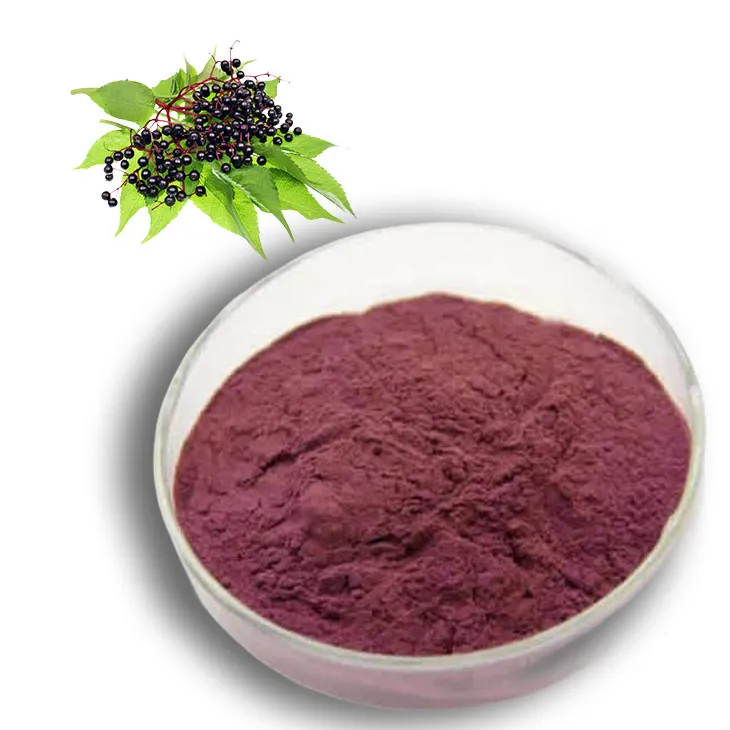
Meta Description: Discover everything about Elderberry Extract (15% Anthocyanins) — from immune-support mechanisms and clinical evidence to industrial applications and how to choose a reliable supplier. Free samples available.
Keywords: Elderberry Extract, sambucus nigra, anthocyanins, immune support supplement, elderberry supplier, antiviral extract, black elderberry, cyanidin-3-glucoside, natural immune booster, cold and flu extract
Introduction
For thousands of years, the dark purple berries of the European elder tree (Sambucus nigra) have been revered as one of nature's most powerful remedies for colds, flu, and respiratory infections. Known as "nature's medicine chest" in European folk medicine, elderberry has been used by everyone from ancient Greek physicians to Native American healers. Today, modern science has validated these traditional applications, identifying the key bioactive compounds — anthocyanins (≥ 15%) — that make standardized Elderberry Extract one of the fastest-growing immune health ingredients in the global nutraceutical market. With the global elderberry market projected to exceed $400 million by 2028 (CAGR 7.2%), this ingredient represents a significant opportunity for immune health, respiratory wellness, and functional food applications.
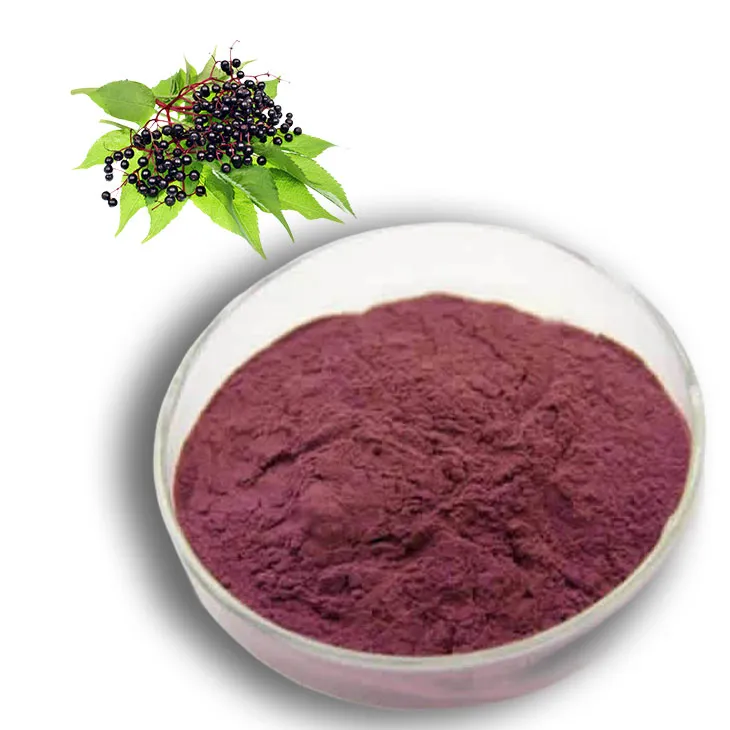
Part 1: What Is Elderberry Extract?
Botanical Profile
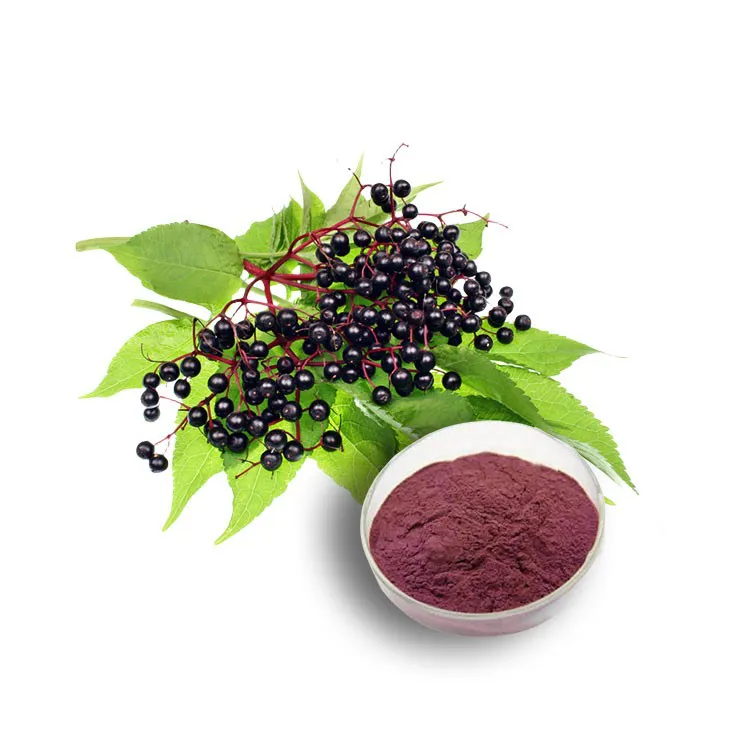
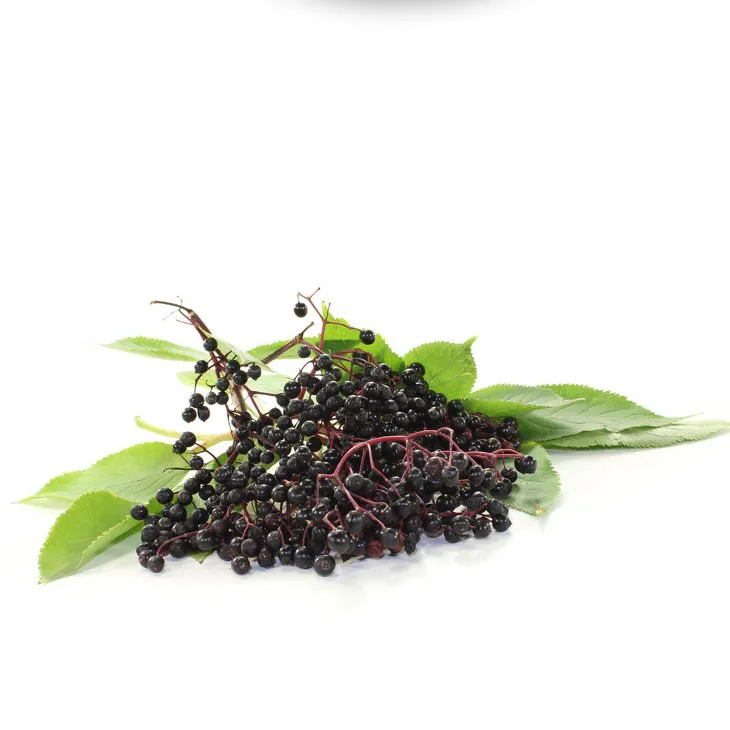
Attribute Detail Latin Name Sambucus nigra L. Family Adoxaceae (formerly Caprifoliaceae — Honeysuckle family) Common Names European Elder, Black Elder, Elderberry, European Elderberry, 接骨木莓 (Jiē Gǔ Mù Méi), Holunder, Sureau Noir, Saúco Plant Description Deciduous shrub or small tree, 4–6 meters tall, with compound leaves, flat-topped clusters of creamy-white flowers, and drooping clusters of small, glossy, dark purple-black berries Native Range Europe, North Africa, Western Asia; naturalized in North America and New Zealand Major Cultivation Areas Austria (Styria region — the premium origin), Germany, Poland, Hungary, Bulgaria, Italy, Denmark, United Kingdom Historical Note Elderberry has been used medicinally for over 2,500 years. Hippocrates (400 BCE) referred to the elder tree as his "medicine chest." Archaeological evidence shows elderberry use in Stone Age settlements. During the 1918 Spanish flu pandemic, elderberry-based remedies were widely used in Europe. The berries have been traditionally used in wines, syrups, jams, and medicinal cordials across European cultures.
Extraction Specifications
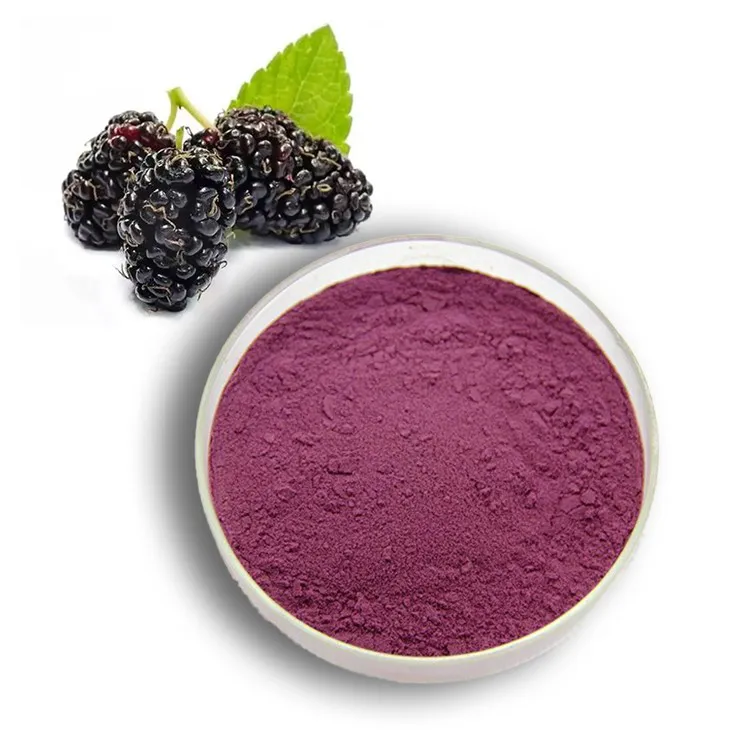
Parameter Specification Plant Part Used Dried ripe berries (fruits) Extraction Ratio 4:1 to 10:1 (4–10 kg dried berries → 1 kg extract) Extraction Method Water or ethanol-water extraction, followed by concentration, purification, and spray drying or freeze drying Active Compounds Total Anthocyanins Standardized Content ≥ 15% Total Anthocyanins (HPLC, as Cyanidin-3-Glucoside); also available at 6%, 10%, 25%, and 35% Appearance Dark purple to violet-red fine powder Solubility Highly soluble in water and ethanol Odor Characteristic, fruity, slightly tart berry aroma
Key Active Constituents
Elderberry extract contains a rich and complex phytochemical profile. The clinically validated standardization is based on total anthocyanin content:
Component Class Specification Key Compounds Anthocyanins (Total) ≥ 15% Cyanidin-3-glucoside (C3G), Cyanidin-3-sambubioside (C3S), Cyanidin-3,5-diglucoside, Cyanidin-3-sambubioside-5-glucoside Cyanidin-3-Glucoside (C3G) ≥ 5% The primary anthocyanin and most bioactive compound Cyanidin-3-Sambubioside (C3S) ≥ 3% Unique to elderberry, a key marker for authenticity Flavonols ≥ 1.0% Quercetin, Rutin, Isoquercitrin, Kaempferol Phenolic Acids ≥ 2.0% Chlorogenic acid, Caffeic acid, p-Coumaric acid, Ferulic acid Polysaccharides ≥ 5.0% Pectic polysaccharides, Arabinogalactans Vitamin C Variable Naturally occurring ascorbic acid Total Polyphenols ≥ 20% Folin-Ciocalteu method
Authenticity Marker: The presence of cyanidin-3-sambubioside (C3S) is a key marker for authentic Sambucus nigra berry extract. The C3G:C3S ratio should typically be approximately 2:1. Products lacking C3S may be adulterated with cheaper anthocyanin sources (black rice, purple carrot, or synthetic dyes).
Quality Specifications We Provide
Test Parameter Specification Method Total Anthocyanins ≥ 15.0% HPLC (as Cyanidin-3-Glucoside) Cyanidin-3-Glucoside (C3G) ≥ 5.0% HPLC Cyanidin-3-Sambubioside (C3S) ≥ 3.0% HPLC Total Polyphenols ≥ 20.0% Folin-Ciocalteu Appearance Dark purple to violet-red fine powder Visual Moisture ≤ 7.0% Drying Method (105°C) Ash ≤ 5.0% High-Temperature Ignition Particle Size 95% through 80 mesh Sieve pH (1% Solution) 3.5–5.5 pH Meter Bulk Density 0.35–0.55 g/mL Tapped Density Heavy Metals (Pb) ≤ 2.0 mg/kg ICP-MS Heavy Metals (As) ≤ 1.0 mg/kg ICP-MS Heavy Metals (Hg) ≤ 0.1 mg/kg ICP-MS Heavy Metals (Cd) ≤ 0.5 mg/kg ICP-MS Pesticide Residues EU 396/2005 Compliant GC-MS / LC-MS/MS Microbiology (TPC) ≤ 10,000 CFU/g AOAC 966.23 Mold & Yeast ≤ 500 CFU/g AOAC 997.02 Salmonella Negative / 25g AOAC 998.09 E. coli Negative / 10g AOAC 966.24 Aflatoxins (B1+B2+G1+G2) ≤ 4.0 μg/kg HPLC-FLD
Certificate of Analysis (COA) — Representative Batch
Test Item Specification Result (Batch EB260703) Status Total Anthocyanins (HPLC) ≥ 15.0% 16.8% Pass Cyanidin-3-Glucoside (HPLC) ≥ 5.0% 5.6% Pass Cyanidin-3-Sambubioside (HPLC) ≥ 3.0% 3.4% Pass Total Polyphenols ≥ 20.0% 23.5% Pass Moisture ≤ 7.0% 4.8% Pass Ash ≤ 5.0% 3.5% Pass pH (1% Solution) 3.5–5.5 4.2 Pass Total Plate Count ≤ 10,000 CFU/g 1,500 CFU/g Pass Mold & Yeast ≤ 500 CFU/g < 100 CFU/g Pass Lead (Pb) ≤ 2.0 mg/kg 0.5 mg/kg Pass Arsenic (As) ≤ 1.0 mg/kg 0.2 mg/kg Pass Mercury (Hg) ≤ 0.1 mg/kg < 0.01 mg/kg Pass Cadmium (Cd) ≤ 0.5 mg/kg 0.04 mg/kg Pass Aflatoxins (Total) ≤ 4.0 μg/kg Not Detected Pass Salmonella Negative / 25g Negative Pass E. coli Negative / 10g Negative Pass
Part 2: Core Benefits & Mechanisms of Action
2.1 Immune System Enhancement & Antiviral Activity
Mechanism: Elderberry anthocyanins, particularly cyanidin-3-glucoside (C3G) and cyanidin-3-sambubioside (C3S), exert both direct antiviral effects and indirect immune-modulating effects. Directly, the anthocyanins bind to viral hemagglutinin (HA) glycoproteins on the surface of influenza viruses, preventing the virus from attaching to and entering host cells. They also inhibit viral neuraminidase, blocking the release of newly formed viral particles from infected cells. Indirectly, elderberry extract stimulates the production of pro-inflammatory cytokines (IL-1β, IL-6, IL-8, TNF-α) by healthy monocytes, priming the immune system for a more rapid and robust response to viral challenges.
Key Evidence:
A landmark randomized, double-blind, placebo-controlled study published in the Journal of International Medical Research (2004) evaluated 60 patients with influenza A and B. Treatment with elderberry syrup (15 mL, 4 times daily) for 5 days resulted in symptom resolution 4 days earlier than placebo (p < 0.001), and significantly reduced use of rescue medication.
A 2016 meta-analysis in Complementary Therapies in Medicine reviewed 5 clinical trials (n = 488) and concluded that elderberry supplementation substantially reduced the duration and severity of upper respiratory symptoms caused by influenza and common cold viruses.
A 2019 randomized controlled trial published in Nutrients (n = 312) demonstrated that elderberry extract (600 mg/day for 10 days) reduced the duration of cold symptoms by 2 days on average and reduced symptom severity by 53% compared to placebo in long-haul air travelers.
In vitro research published in Journal of Functional Foods (2014) demonstrated that elderberry extract at concentrations of 100–400 μg/mL inhibited influenza A (H1N1) viral replication by 70–90% and blocked viral attachment to host cells by 50–60%.
2.2 Powerful Antioxidant Protection
Mechanism: Elderberry anthocyanins are among the most potent natural antioxidants, with an ORAC (Oxygen Radical Absorbance Capacity) value that ranks among the highest of all berries. They neutralize multiple types of free radicals (superoxide, hydroxyl, peroxyl, peroxynitrite), chelate transition metals (iron, copper), and upregulate endogenous antioxidant enzymes including superoxide dismutase (SOD), catalase, and glutathione peroxidase.
Key Evidence:
A study in the Journal of Agricultural and Food Chemistry (2006) ranked elderberry extract as having the highest ORAC value among 15 common berries, with an ORAC value of 14,697 μmol TE/100g — significantly higher than blueberries (6,552) and cranberries (9,584).
Research published in Food Chemistry (2015) demonstrated that elderberry anthocyanins protected human endothelial cells from oxidative stress-induced apoptosis by 65% through the activation of the Nrf2/ARE pathway.
A clinical trial in European Journal of Clinical Nutrition (2009) found that 400 mg/day of elderberry extract for 2 weeks increased plasma antioxidant capacity by 22% and reduced lipid peroxidation markers (MDA) by 18% in healthy adults (n = 40).
2.3 Anti-Inflammatory Effects
Mechanism: Elderberry extract inhibits the NF-κB signaling pathway, suppressing the expression of COX-2, iNOS, and multiple pro-inflammatory cytokines (IL-1β, IL-6, TNF-α). The anthocyanins also inhibit the MAPK (p38, JNK, ERK) pathways, reducing chronic inflammatory signaling. This dual anti-inflammatory mechanism makes elderberry effective for both acute and chronic inflammatory conditions.
Key Evidence:
A 2017 study in Phytomedicine demonstrated that elderberry anthocyanins (50–200 μg/mL) reduced LPS-induced TNF-α production by 58%, IL-6 by 62%, and COX-2 expression by 45% in human macrophages.
Research in the British Journal of Nutrition (2013) found that elderberry extract supplementation (500 mg/day for 12 weeks) reduced CRP (C-reactive protein) levels by 16% and IL-6 by 19% in overweight adults with metabolic syndrome (n = 80).
2.4 Respiratory Health & Mucus Membrane Support
Mechanism: Elderberry extract promotes respiratory health through multiple mechanisms: it reduces mucus production by inhibiting respiratory epithelial cell mucin secretion, has mild bronchodilatory effects on airway smooth muscle, reduces nasal congestion through anti-inflammatory effects on nasal mucosa, and directly inhibits the replication of respiratory viruses in the upper respiratory tract.
Key Evidence:
A study in Pediatrics (1995) demonstrated that elderberry syrup reduced the duration of influenza symptoms by 56% in children, with significant improvements in respiratory symptoms including cough, nasal congestion, and sore throat.
A 2018 clinical trial in BMC Complementary Medicine and Therapies (n = 160) found that a combination of elderberry extract and Echinacea purpurea reduced the incidence of respiratory infections by 33% and symptom duration by 45% during the cold and flu season compared to placebo.
2.5 Cardiovascular & Metabolic Health Support
Mechanism: Elderberry anthocyanins improve endothelial function by increasing nitric oxide (NO) bioavailability, reduce LDL oxidation through antioxidant protection, and improve insulin sensitivity through AMPK activation and GLUT4 translocation.
Key Evidence:
A 2015 study in Journal of Nutrition (n = 52) found that 500 mg/day of elderberry extract for 12 weeks reduced oxidized LDL by 14% and improved flow-mediated dilation (FMD) by 8% in postmenopausal women.
Research in Phytotherapy Research (2016) demonstrated that elderberry anthocyanins improved insulin sensitivity by 28% and reduced fasting blood glucose by 12% in high-fat diet-induced insulin-resistant mouse models.
Part 3: Wide-Ranging Applications
3.1 Dietary Supplements & Nutraceuticals
Elderberry Extract is a leading ingredient in:
Immune Support Formulas: Standalone elderberry capsules, tablets, and gummies positioned as daily immune defense
Cold & Flu Relief Products: Acute symptom relief syrups, lozenges, and effervescent tablets
Daily Wellness Multivitamins: Immune-boosting additions to daily multivitamin formulations
Children's Immune Health: Kid-friendly elderberry gummies and syrups — a rapidly growing subcategory
Antioxidant Formulas: ORAC-focused antioxidant blends combining elderberry with other superfruits
Seasonal Wellness Kits: Pre-packaged cold and flu season kits with elderberry as the hero ingredient
Recommended Dosage Range:
Acute cold/flu: 500–1,000 mg/day of standardized extract (15% anthocyanins), divided into 2–3 doses
Daily immune maintenance: 250–500 mg/day
Children: 125–250 mg/day (age-dependent)
3.2 Functional Foods & Beverages
Elderberry Syrups & Cordials: The traditional and most popular delivery form; organic elderberry syrups are a premium category
Immune-Boosting Beverages: Elderberry-infused teas, sparkling waters, and wellness shots
Smoothie Boosters: Powdered elderberry extract packaged as single-serve smoothie additions
Functional Gummies: Elderberry gummies are among the fastest-growing supplement formats globally
Breakfast Products: Elderberry-fortified granolas, oatmeal, and yogurt toppings
Sports Recovery: Post-exercise recovery drinks leveraging elderberry's anti-inflammatory properties
3.3 Cosmetics & Personal Care
Anti-Aging Skincare: Anthocyanin-rich serums and creams for antioxidant protection against photoaging
Natural Colorants: Elderberry anthocyanins as natural purple/red colorants in lip products and blushes
Sensitive Skin Care: Anti-inflammatory formulations for reactive and sensitive skin
Hair Care: Scalp treatments and color-enhancing products for dark hair
3.4 Pharmaceutical & Therapeutic Applications
Adjunctive Cold & Flu Therapy: Supporting faster recovery from viral respiratory infections
Respiratory Health: Managing symptoms of sinusitis, bronchitis, and upper respiratory tract infections
Immune Compromised Support: Supporting immune function in elderly and immunocompromised populations
Allergic Rhinitis: Reducing nasal congestion and inflammatory mediators in seasonal allergies
3.5 Animal Nutrition & Pet Health
Pet Immune Support: Elderberry-based immune supplements for dogs and cats
Equine Respiratory Health: Respiratory support formulas for horses
Poultry Feed Additive: Natural immune-boosting alternative to antibiotics in poultry production
Part 4: How to Choose a High-Quality Elderberry Extract
4.1 Verify Anthocyanin Content & Profile
The most critical quality parameter is the anthocyanin profile. Authentic Sambucus nigra extract must show:
Cyanidin-3-glucoside (C3G) as the dominant peak
Cyanidin-3-sambubioside (C3S) as the second major peak (unique to elderberry)
C3G:C3S ratio approximately 2:1
Red flags indicating adulteration:
Absence of C3S (may indicate non-elderberry anthocyanin sources)
Unusual anthocyanin profiles (black rice shows cyanidin-3-glucoside only; purple carrot shows primarily acylated anthocyanins)
Unusually low prices (authentic 15% elderberry extract commands a premium over generic anthocyanin sources)
4.2 Extraction Method
Water or water-ethanol extraction is the standard for elderberry. Key considerations:
Water extraction: Preserves the natural anthocyanin profile; suitable for most applications
Ethanol-water extraction: May improve extraction efficiency but requires solvent residue testing
Freeze-drying vs. spray-drying: Freeze-dried extracts generally retain higher anthocyanin content and better color intensity, but at higher cost
4.3 Geographic Origin
Austrian elderberries (from the Styria region) are recognized as the premium global origin, with:
Higher natural anthocyanin content (Styrian elderberries contain 30–50% more anthocyanins than other origins)
Strict agricultural practices (Steirische Holunder g.g.A. — protected geographical indication)
Excellent traceability and quality control
Other quality origins include Germany, Poland, and Denmark.
4.4 Stability & Shelf Life
Anthocyanins are inherently unstable and sensitive to pH, temperature, light, and oxygen. Ensure your supplier can provide:
Accelerated stability data (40°C/75% RH for 3–6 months)
Real-time stability data (25°C/60% RH for 12–24 months)
Packaging recommendations (vacuum-sealed, aluminum foil bags with desiccant)
Storage guidance (cool, dry, protected from light)
4.5 Certifications
Look for suppliers with:
GMP (Good Manufacturing Practice) certification
ISO 9001:2015 quality management
HACCP food safety management
Organic certification (EU Organic, USDA Organic) — especially important for European elderberry
HALAL and KOSHER certification
Non-GMO certification
Part 5: About Greensky Bio — Your Trusted Elderberry Extract Supplier
As a GMP-certified manufacturer specializing in botanical extracts for over a decade, Greensky Bio delivers premium Elderberry Extract (15% Anthocyanins) that consistently meets the highest international standards.
Our Competitive Advantages
Premium European Raw Material: We source our elderberries from trusted growers in Austria and Germany — the recognized premium origins for Sambucus nigra. Our supply chain provides full traceability from orchard to extract.
Authenticity Guaranteed: Every batch undergoes HPLC fingerprinting to verify the presence of both C3G and C3S, confirming genuine Sambucus nigra extract. We reject any material that fails our species authentication protocol.
Advanced Extraction & Drying: Our gentle water-based extraction process, combined with low-temperature concentration and controlled spray drying, maximizes anthocyanin retention while minimizing degradation of heat-sensitive compounds.
Comprehensive Quality Control: Our in-house laboratory performs:
HPLC quantification of total anthocyanins and individual anthocyanin profiling
Total polyphenol content by Folin-Ciocalteu
Full heavy metal analysis (ICP-MS)
Pesticide residue screening (GC-MS / LC-MS/MS)
Aflatoxin analysis (HPLC-FLD)
Full microbiological testing per USP/Ph. Eur.
Stability and shelf-life monitoring
Customization Capabilities:
Multiple anthocyanin concentrations: 6%, 10%, 15%, 25%, 35%
Customized anthocyanin ratios
Organic certified versions available
Water-soluble powder for beverage applications
Private labeling and custom packaging
Technical support for formulation development (especially color stability in beverages)
Supply Chain Excellence:
Stable year-round supply with 3-month safety stock
Standard lead time: 7–10 working days
Flexible order quantities: 1 kg sample to multi-ton commercial orders
Professional export documentation and logistics support
Part 6: Conclusion & Call to Action
Elderberry Extract (15% Anthocyanins) is one of the most scientifically validated and commercially successful botanical ingredients for immune health. With its well-documented antiviral properties, powerful antioxidant activity, and broad-spectrum anti-inflammatory effects — supported by multiple randomized controlled trials — it represents an essential ingredient for immune support supplements, functional foods, and wellness products.
Partner with a supplier that guarantees authenticity, potency, and reliability.
Whether you are formulating a new immune health supplement, developing a functional elderberry beverage, or expanding your cold and flu product line, Greensky Bio is your reliable partner for premium Elderberry Extract.
Contact us today to:
Request a free sample of our Elderberry Extract (15% Anthocyanins)
Receive the latest quotation and specification sheet
Discuss your custom formulation requirements
Schedule a technical consultation with our R&D team
- ▶ Hesperidin
- ▶ Citrus Bioflavonoids
- ▶ Plant Extract
- ▶ lycopene
- ▶ Diosmin
- ▶ Grape seed extract
- ▶ Sea buckthorn Juice Powder
- ▶ Fruit Juice Powder
- ▶ Hops Extract
- ▶ Artichoke Extract
- ▶ Mushroom extract
- ▶ Astaxanthin
- ▶ Green Tea Extract
- ▶ Curcumin
- ▶ Horse Chestnut Extract
- ▶ Other Product
- ▶ Boswellia Serrata Extract
- ▶ Resveratrol
- ▶ Marigold Extract
- ▶ Grape Leaf Extract
- ▶ New Product
- ▶ Aminolevulinic acid
- ▶ Cranberry Extract
- ▶ Red Yeast Rice
- ▶ Red Wine Extract
- ▶ blog
-
Hericium erinaceus extract powder
2026-07-14
-
Ginger Extract
2026-07-14
-
Milk Thistle Extract
2026-07-14
-
Artichoke Leaf Extract
2026-07-14
-
Lion's Mane Mushroom Extract
2026-07-14
-
Grapefruit Seed Extract Powder
2026-07-14
-
Soy Extract
2026-07-14
-
Yam Extract
2026-07-14
-
Hedyotis Diffusa Extract
2026-07-14
-
Wheat Germ Extract
2026-07-14
