- 0086-571-85302990
- [email protected]




International Botanical Extracts Industry News & Market Insights — August 2026
2026-09-02
Global botanical extracts market projected to reach USD 20.26 billion by 2035, expanding at a CAGR of 10.17% from 2026 to 2035.
Global Botanical Extracts Market: Growth Drivers and Key Trends in 2026
The international botanical extracts industry continues to experience robust growth as global consumers increasingly prioritize natural, clean-label, and sustainably sourced ingredients across food, beverage, pharmaceutical, nutraceutical, and cosmetic applications.
According to the latest market research, the global botanical extracts market was valued at USD 7.69 billion in 2025 and is expected to grow from USD 8.57 billion in 2026 to approximately USD 20.26 billion by 2035, representing a compound annual growth rate (CAGR) of 10.17%.
This article provides a comprehensive overview of the latest developments, market trends, technological innovations, and growth opportunities shaping the global plant extract industry in 2026.
Market Overview: Regional Performance and Growth Forecasts
North America Maintains Market Leadership
North America continues to lead the global botanical extracts market, accounting for the highest market share of 30.17% in 2025. The region's dominance is driven by strong consumer demand for natural health products, well-established regulatory frameworks, and the presence of major industry players including Givaudan SA, International Flavors & Fragrances (IFF), Kerry Group, and Sensient Technologies Corporation.
Asia-Pacific: The Fastest-Growing Region
The Asia-Pacific region is estimated to expand at the fastest CAGR of 12.48% between 2026 and 2035. Key growth factors include:
Rising disposable income and growing middle-class populations in China, India, and Southeast Asian countries
Deep-rooted traditions of herbal medicine (Ayurveda, Traditional Chinese Medicine) gaining global recognition
Increasing investment in modern extraction infrastructure and quality control
Government support for agricultural and botanical product exports
Other regions, including Europe, Latin America, and the Middle East & Africa, are also witnessing steady growth driven by increasing awareness of preventive healthcare and the therapeutic benefits of plant-based compounds.
Key Market Trends Driving the Botanical Extracts Industry
1. Clean-Label Movement Accelerates Demand
Consumer attitudes have fundamentally shifted toward healthier living and transparency in product formulations. The clean-label movement — driven by growing concern over synthetic additives and artificial ingredients — is one of the most powerful forces propelling botanical extract demand. Manufacturers across food, beverage, cosmetics, and pharmaceutical sectors are reformulating products to replace synthetic ingredients with natural plant-based alternatives.
2. Preventive Healthcare and Wellness Boom
The global health and wellness industry is experiencing unprecedented growth. Consumers are proactively incorporating plant-based compounds into their daily routines through:
Dietary supplements and nutraceuticals — targeting immunity, stress management, and metabolic health
Functional foods and beverages — including ready-to-drink (RTD) beverages, sports drinks, and energy drinks infused with botanical actives
Personalized nutrition — tailored supplement regimens based on individual health profiles
3. Sustainable and Ethical Sourcing
Environmental responsibility and supply chain traceability have become critical priorities. Leading companies are investing in:
Sustainable farming practices and fair-trade sourcing agreements
Full supply chain traceability from farm to finished product
Eco-friendly extraction processes that minimize environmental impact
Certifications for organic, non-GMO, and ethically sourced raw materials
4. Pharmaceutical Applications Lead Growth
By application, the pharmaceutical and nutraceutical segment dominated the botanical extracts market in 2025 and is projected to experience the highest growth rate through 2035. Factors contributing to this growth include:
Increasing prevalence of chronic and lifestyle diseases driving demand for natural therapeutic alternatives
Growing awareness of the side effects associated with synthetic allopathic medications
Ongoing clinical research validating the efficacy of botanical compounds
Integration of nanotechnology and advanced delivery systems for enhanced bioavailability
5. Spices and Herbal Extracts Gain Momentum
By product category, the spices segment is set to experience the fastest growth rate from 2026 to 2035. Simultaneously, the leaves/herbs segment dominated revenue share in 2025, driven by widespread use of herb-based ingredients in traditional remedies, pharmaceuticals, and natural health solutions.
Technological Innovations Reshaping Plant Extraction
Supercritical Fluid Extraction (SFE)
The supercritical CO₂ extraction segment is expected to grow at the highest CAGR during the forecast period. This technology is rapidly becoming the industry standard for producing premium botanical ingredients due to:
Cold extraction process — preserving heat-sensitive bioactive compounds
100% pure and residue-free output without solvent contamination
Full-spectrum potency — capturing the complete profile of beneficial compounds
Eco-friendly and sustainable — using recyclable CO₂ instead of harsh chemical solvents
Superior quality for food, pharmaceutical, and cosmetic-grade applications
Emerging Extraction Technologies
Beyond supercritical fluid extraction, several innovative technologies are gaining traction:
Ultrasonic-assisted extraction — using sound waves to improve yield and reduce processing time
Enzyme-assisted extraction — leveraging biological catalysts for targeted compound release
Microwave-assisted extraction — achieving faster extraction with reduced energy consumption
AI-optimized extraction — machine learning algorithms optimizing extraction parameters in real-time for maximum yield and purity
AI and Automation in Botanical Research
The integration of artificial intelligence is transforming the botanical extracts industry:
Machine learning is being used to predict bioactivity and toxicity of plant compounds
Natural language processing (NLP) accelerates the review of scientific literature for new compound discovery
Computer vision enables automated plant species identification and quality assessment
Automation and robotics enhance consistency, productivity, and safety throughout extraction pipelines
Competitive Landscape: Key Industry Players
The global botanical extracts market is highly competitive, with participants ranging from small-scale specialty growers to major multinational corporations. Key players shaping the industry include:
Company Headquarters Key Focus Areas Givaudan SA Switzerland Flavors, fragrances, active beauty ingredients International Flavors & Fragrances (IFF) USA Botanical extracts for food, beverage, and health Symrise AG Germany Natural ingredients, flavor & fragrance solutions Kerry Group plc Ireland Taste & nutrition, botanical ingredient systems dsm-firmenich Switzerland Health & nutrition, sustainable ingredients Sensient Technologies Corporation USA Natural colors, flavors, and botanical extracts ADM (Archer Daniels Midland) USA Plant-based ingredients, sustainable sourcing Martin Bauer Germany Botanicals, tea, and herbal extracts Sabinsa Corporation USA Standardized herbal extracts, nutraceuticals Kemin Industries USA Natural health and nutrition ingredients
Startup Ecosystem
The botanical extracts sector is also seeing a vibrant startup ecosystem, with emerging companies leveraging biotechnology and green chemistry to:
Enhance bioavailability of botanical compounds
Develop novel extraction methods for rare and high-value plant species
Create standardized formulations for consistent quality
Address sustainability challenges through circular economy approaches
Market Challenges and Opportunities
Challenges
Supply chain vulnerability: Climate change, seasonal fluctuations, and pest outbreaks threaten the consistent supply of high-quality plant raw materials
Regulatory complexity: Fragmented regulatory requirements across different markets create compliance challenges, particularly for companies operating internationally
Price volatility: Crop failures and overharvesting can lead to significant price instability
Quality assurance: Ensuring consistent potency and purity across batches remains technically demanding
Opportunities
Premium product development: High-quality, ethically sourced botanical extracts command premium margins
Emerging market expansion: Growing consumer awareness in developing economies presents significant growth potential
Product diversification: Expanding applications in animal feed, aromatherapy, and natural pest control
Technology accessibility: As advanced extraction technologies become more affordable, smaller players can compete in high-value niche segments
Future Outlook: What to Watch in 2026 and Beyond
As the botanical extracts industry continues its strong growth trajectory, several developments are worth watching:
Regulatory harmonization — efforts to standardize botanical extract regulations across major markets
Climate-resilient sourcing — investments in drought-resistant and pest-resistant botanical crops
Personalized botanical products — tailored plant-based formulations based on individual genetic and health profiles
Green chemistry breakthroughs — new solvent-free and low-energy extraction methods
Blockchain traceability — end-to-end supply chain transparency for consumer trust and regulatory compliance
Conclusion
The global botanical extracts industry stands at the intersection of ancient wisdom and modern science. With a projected market value of USD 20.26 billion by 2035, the industry is poised for sustained growth driven by consumer demand for natural products, technological innovation in extraction methods, and expanding applications across multiple sectors.
For businesses operating in or entering the botanical extracts space, success will depend on:
Quality and consistency — delivering standardized, potent, and reliable products
Sustainability — implementing responsible sourcing and environmentally friendly processing
Innovation — adopting advanced extraction technologies and exploring new plant-based compounds
Compliance — navigating complex regulatory landscapes with rigor and transparency
Consumer education — building trust through transparent labeling and scientific substantiation
The future of the botanical extracts industry is bright, and companies that can combine traditional botanical knowledge with cutting-edge science and sustainable practices will be well-positioned to capture the growing global demand for nature's solutions to modern health and wellness needs.
This article is for informational purposes only and does not constitute investment advice. Market data sourced from publicly available industry research reports.
Keywords:

- ▶ Hesperidin
- ▶ Citrus Bioflavonoids
- ▶ Plant Extract
- ▶ lycopene
- ▶ Diosmin
- ▶ Grape seed extract
- ▶ Sea buckthorn Juice Powder
- ▶ Fruit Juice Powder
- ▶ Hops Extract
- ▶ Artichoke Extract
- ▶ Mushroom extract
- ▶ Astaxanthin
- ▶ Green Tea Extract
- ▶ Curcumin
- ▶ Horse Chestnut Extract
- ▶ Other Product
- ▶ Boswellia Serrata Extract
- ▶ Resveratrol
- ▶ Marigold Extract
- ▶ Grape Leaf Extract
- ▶ New Product
- ▶ Aminolevulinic acid
- ▶ Cranberry Extract
- ▶ Red Yeast Rice
- ▶ Red Wine Extract
- ▶ blog
-
Uridine-5'-monophosphate Disodium salt
2026-09-02
-

White Willow Bark Extract
2026-09-02
-

Lycopene
2026-09-02
-
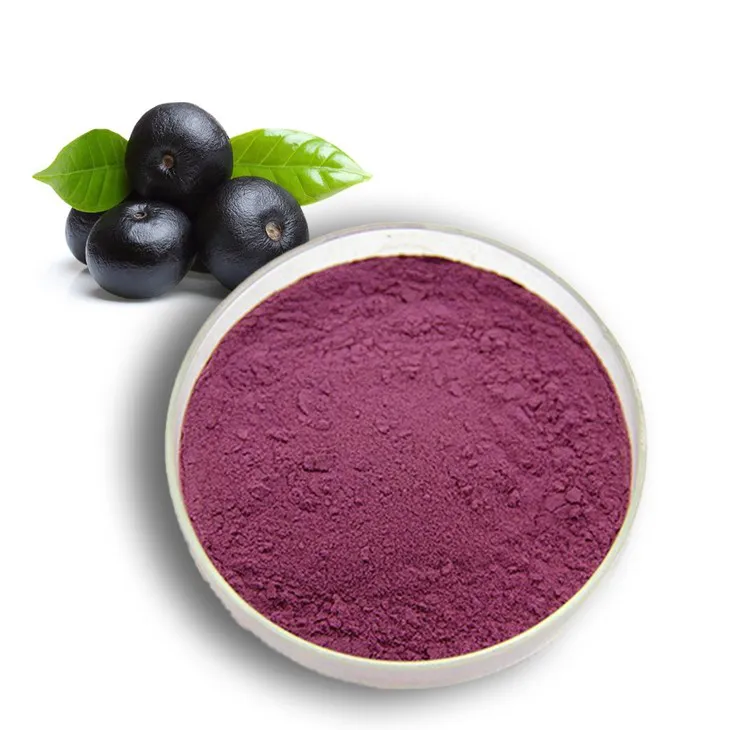
Acai Berry Extract
2026-09-02
-
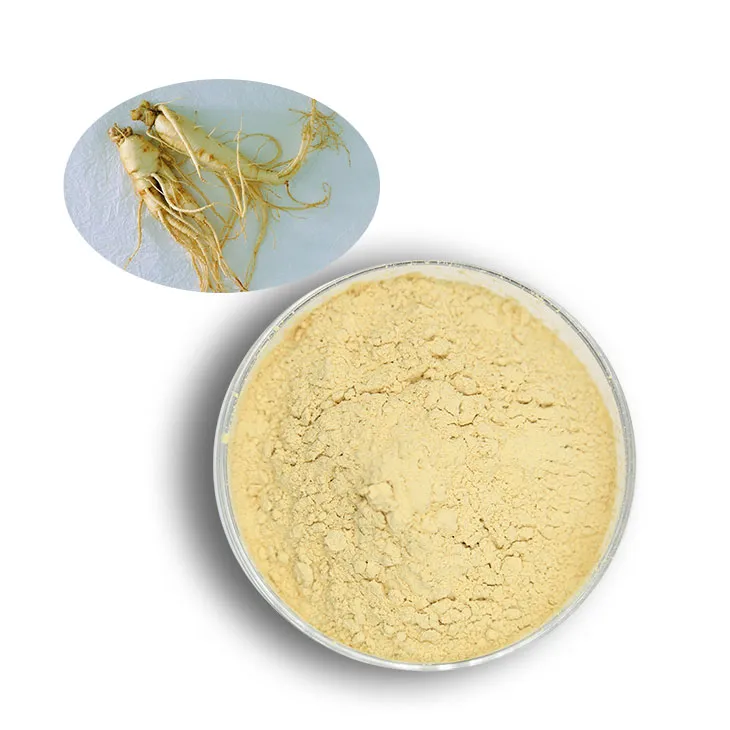
American Ginseng Root Extract
2026-09-02
-
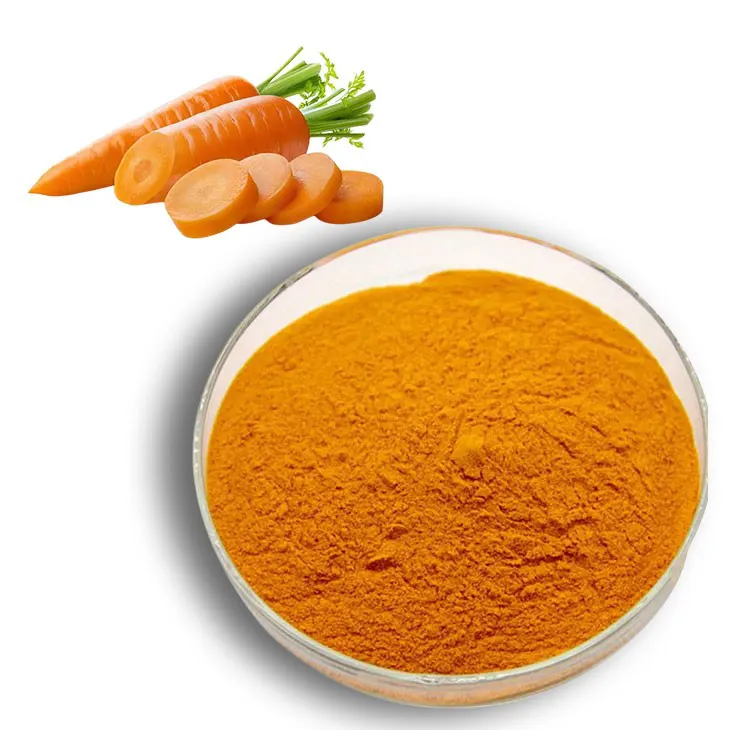
Beta Carotene
2026-09-02
-

Bayberry Extract
2026-09-02
-
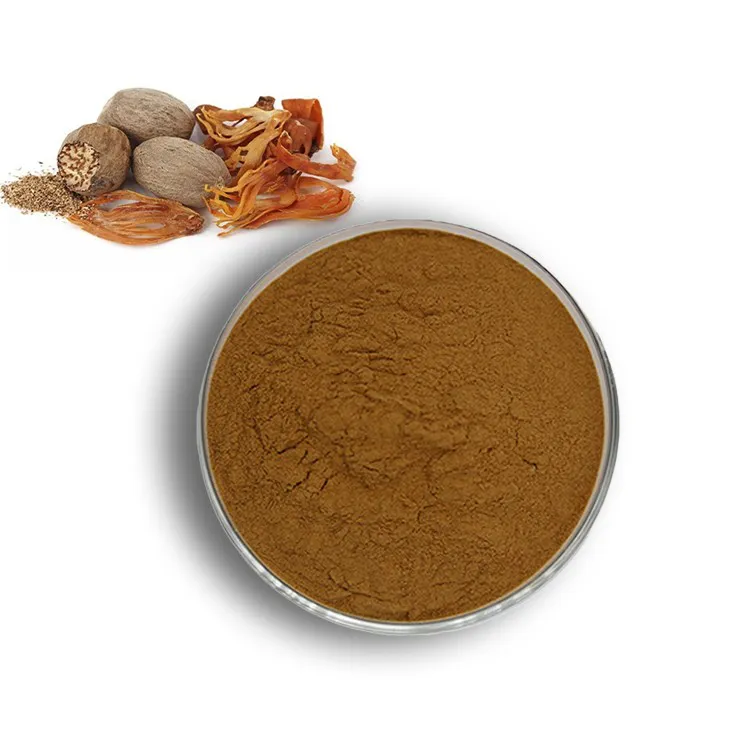
Nutmeg Extract
2026-09-02
-

Sophora Japonica Flower Extract
2026-09-02
-

Curcumin
2026-09-02