- 0086-571-85302990
- [email protected]






Global Plant Extracts Industry: Market Trends, News & Key Developments in 2026
2026-08-07
Global Plant Extracts Industry: Market Trends, News & Key Developments in 2026
The global plant extracts market is experiencing unprecedented growth in 2026, fueled by surging consumer demand for natural, clean-label ingredients across food & beverages, pharmaceuticals, cosmetics, and nutraceuticals. Driven by regulatory reforms, advances in green extraction technologies, and the rise of plant-based diets, the industry is poised for robust expansion over the coming decade.
This comprehensive article provides the latest market data, industry developments, regulatory updates, and emerging trends that are shaping the international botanical extracts and plant-derived ingredients sector.
Global Plant Extracts Market Size & Forecast (2026–2035)
Multiple research firms converge on strong growth trajectories for the plant extracts industry:
According to Precedence Research, the global plant extracts market reached USD 39.04 billion in 2025 and is projected to exceed USD 109.49 billion by 2035, growing at a CAGR of 10.86%. Mordor Intelligence estimates the market at USD 45.31 billion in 2025, growing to USD 70.89 billion by 2031 at a CAGR of 7.76%.
Market Segmentation & Key Findings
By Product Type
Herbal & Botanical Extracts — Led the market with a 36.02% revenue share in 2025, driven by demand in dietary supplements and traditional medicine.
Essential Oils — Projected as the fastest-growing segment with a CAGR of 8.10% through 2031, fueled by aromatherapy, personal care, and natural fragrance applications.
Phytomedicines, Flavonoids, Alkaloids, Carotenoids — Significant growth in pharmaceutical and nutraceutical applications.
By Source
Herbs & Spices — Dominated with a 51.89% share in 2025, reflecting their widespread use in food & beverage and healthcare applications.
Fruits & Vegetables — Fastest-growing source segment, projected to expand at a CAGR of 8.36%.
Leaves — Held the largest revenue share in 2025 (per Precedence Research).
Flowers, Flowers & Bulbs — Expected to show the fastest growth over the forecast period.
By Form
Powder formats captured 42.11% of revenue in 2025.
Liquid Extracts are anticipated to expand at a CAGR of 8.41% through 2031, driven by ease of formulation in beverages and supplements.
By Application
Food & Beverage — Held 43.86% of demand in 2025, the largest application segment.
Dietary Supplements & Functional Foods — Poised for the fastest growth at a CAGR of 8.25%.
Pharmaceuticals & Cosmetics — Rapidly expanding segments driven by consumer preference for plant-based and clean-label products.
Regional Market Analysis
| Region | Market Position | Key Highlights |
|---|---|---|
| North America | Largest Market (36.03% share) | Leading demand from nutraceuticals, clean-label foods, and dietary supplements; strong regulatory framework with FDA guidance updates. |
| Europe | Fastest Growing (8.78% CAGR) | EU "Farm to Fork" strategy driving clean-label adoption; revised Novel Foods Compendium simplifying authorization for botanical ingredients. |
| Asia Pacific | Fastest Growing (per multiple sources) | Rising disposable incomes, traditional medicine heritage, and expanding manufacturing capacity in India and China. |
| LATAM & MEA | Emerging Markets | Growing adoption in agriculture (biopesticides), personal care, and food applications. |
Latest Industry News & Developments (2025–2026)
1. Strategic Partnerships & Collaborations
In June 2025, a landmark collaboration was announced between Gelteq Limited, a clinical and science-based company developing gel-based delivery solutions, and Healthy Extracts Inc., a publicly traded company focused on plant-based health supplements. The partnership aims to expand commercial strategies through exclusive logistics and distribution agreements across the U.S., signaling growing consolidation and vertical integration in the botanical extracts supply chain.
2. Breakthrough Research: Anti-Inflammatory Plant Compounds
In February 2025, researchers from James Cook University (JCU) in collaboration with Traditional Owners from North Queensland discovered a native plant compound capable of alleviating symptoms of inflammatory bowel disease (IBD). The Medical Research Council and the Australian Government's National Health provided funding to support the development of these new bioactive molecules with anti-inflammatory properties — a significant milestone for the pharmaceutical plant extracts sector.
3. Regulatory Milestones
FDA Updated Guidance (September 2024): The U.S. FDA released updated guidance on new dietary ingredients (NDIs), specifying pre-market notification requirements for botanical extracts not previously marketed in the U.S. This reduces uncertainty for formulators introducing novel phytochemicals.
EFSA Novel Foods Compendium (April 2025): The European Food Safety Authority created a centralized database of botanical safety assessments to simplify authorization pathways for plant extract ingredients in the EU market.
Yellow Tomato Extract Approval (November 2025): Received regulatory approval for use in food supplements at doses up to 30 mg per day, opening new commercial opportunities.
India FSSAI Updates (2024): India's Food Safety and Standards Authority introduced updated labeling standards for nutraceuticals, requiring batch-specific testing for heavy metals, pesticide residues, and microbial contaminants.
4. AI Integration in Plant Science
The integration of artificial intelligence and machine learning into plant science is transforming the industry. AI is being deployed for:
Crop yield predictions and early disease diagnosis
Accurate plant species identification
Precision agriculture optimizations
Biodiversity conservation and ecological research
Identifying herbal properties and informing decisions on medicinal, food additive, or supplement applications
5. Green Extraction Technology Advances
The industry is rapidly adopting environmentally friendly extraction methods:
Supercritical CO₂ extraction — Minimizing solvent use and energy consumption while preserving bioactive compound integrity.
Enzyme-assisted extraction — Improving yields and purity of targeted phytochemicals.
Ultrasonic-assisted extraction — Reducing processing time and thermal degradation of heat-sensitive compounds.
Biorefinery projects — Converting agricultural waste into valuable botanical actives, supporting circular economy objectives.
6. India's Strategic Initiatives
India has launched several national-level programs to boost its botanical extracts sector:
Nutra Task Force & Dedicated HS Codes: Assigning dedicated Harmonized System codes to more than 16 botanical extracts for better trade tracking, quality control, and export facilitation.
Forward and Backward Linkage Scheme: Providing subsidies for post-harvest infrastructure to local farmers, ensuring raw material quality and sustainable supply chains.
Biomanufacturing & Bio-RIDE Initiatives: Supporting the adoption of green extraction technologies, including supercritical fluid extraction and bio-based manufacturing processes.
Key Growth Drivers Shaping the Industry
| Growth Driver | Impact on CAGR | Geographic Focus |
|---|---|---|
| Surge in clean-label demand | +1.2% | Global (peak: North America, Western Europe) |
| Growth of vegan & plant-based diets | +1.3% | Global (led by North America, Europe, urban Asia-Pacific) |
| Expansion of nutraceutical regulations | +1.0% | North America, Europe, Asia-Pacific |
| Advances in green extraction technologies | +0.9% | Global (research hubs in Europe, North America, East Asia) |
| Biorefinery-driven agri-waste valorization | +0.8% | Europe, North America; emerging in Brazil, India |
| AI-led phytochemical discovery pipelines | +0.7% | North America, Europe, China |
Competitive Landscape: Key Players
The global plant extracts market features a mix of multinational corporations and regional specialists. Leading companies include:
International Flavors & Fragrances Inc. (IFF) — United States
Givaudan — Switzerland
Symrise — Germany
Kerry Group Plc — Ireland
Archer Daniels Midland (ADM) — United States
Synthite Industries Ltd — India
Kalsec Inc. — United States
Kangcare Bioindustry Co. Ltd — China
Carbery Group — Ireland
DSM (Royal DSM) — Netherlands
Döhler — Germany
Indesso — Indonesia
Vidya Herbs — India
Industry Challenges & Considerations
Despite strong growth, the plant extracts industry faces several challenges:
Compliance Costs: Stricter regulatory standards (heavy metal testing, pesticide residue analysis, microbial contamination checks) increase operational costs, particularly for smaller manufacturers.
Supply Chain Vulnerability: Climate change, geopolitical tensions, and agricultural disruptions affect the consistent supply of botanical raw materials.
Adulteration Risks: The industry is working to implement blockchain-enabled traceability and third-party certifications to combat ingredient adulteration.
Stability Challenges: Natural color extracts (anthocyanins, phycocyanin, Curcumin) face higher costs and stability issues in acidic or high-temperature processing environments compared to synthetic alternatives.
Standardization: Variability in bioactive compound concentration across batches remains a challenge for pharmaceutical-grade applications.
Future Outlook: What to Watch in 2026 and Beyond
Sustainable Sourcing: Expect increased investment in certified organic and sustainably sourced botanical raw materials, driven by both consumer demand and regulatory requirements.
Advanced Extraction Technologies: Companies adopting supercritical CO₂, enzyme-assisted, and ultrasonic extraction will gain competitive advantages in yield, purity, and cost efficiency.
Value-Added Products: Development of functional, clean-label, and personalized botanical ingredients for food, pharmaceutical, and personal care applications will accelerate.
Strategic Partnerships: Collaborations between ingredient producers, research institutions, and consumer goods companies will strengthen supply chain resilience and speed time-to-market.
Emerging Market Expansion: Local manufacturing and distribution in Asia-Pacific, Latin America, and Africa will unlock new growth opportunities and improve market access.
AI-Powered Discovery: Machine learning models for phytochemical identification and bioactivity prediction will accelerate new product development cycles.
Interested in Premium Plant Extract Ingredients?
Contact us to learn about our comprehensive range of high-quality botanical extracts, essential oils, and herbal ingredients — sourced sustainably and manufactured to the highest international standards.
Conclusion
The global plant extracts industry stands at the intersection of traditional botanical knowledge and cutting-edge science. With a market projected to grow from approximately USD 45 billion in 2025 to over USD 109 billion by 2035, the sector is one of the fastest-growing in the natural ingredients space.
Key catalysts — including clean-label reformulation trends, the global shift toward plant-based diets, regulatory clarity for botanical ingredients, and AI-driven phytochemical discovery — position the industry for sustained, multi-decade growth. Companies that invest in sustainable sourcing, advanced extraction technologies, and strategic partnerships will be best positioned to capitalize on this expanding market.
For businesses operating in the plant extracts sector, staying informed about regulatory changes, technological advances, and evolving consumer preferences is essential to maintaining competitive advantage in this dynamic and rapidly growing industry.
Disclaimer: Market data and statistics in this article are sourced from publicly available industry reports and market research publications, including Precedence Research, Mordor Intelligence, and MarketsandMarkets. All figures are estimates and should be used for informational purposes only. Actual market performance may vary.
Sources:
Precedence Research — Plant Extracts Market Size, Share & Trends (2025–2035)
Mordor Intelligence — Plant Extracts Market Analysis (2026–2031)
MarketsandMarkets — Plant Extracts Market Forecast to 2027

- ▶ Hesperidin
- ▶ Citrus Bioflavonoids
- ▶ Plant Extract
- ▶ lycopene
- ▶ Diosmin
- ▶ Grape seed extract
- ▶ Sea buckthorn Juice Powder
- ▶ Fruit Juice Powder
- ▶ Hops Extract
- ▶ Artichoke Extract
- ▶ Mushroom extract
- ▶ Astaxanthin
- ▶ Green Tea Extract
- ▶ Curcumin
- ▶ Horse Chestnut Extract
- ▶ Other Product
- ▶ Boswellia Serrata Extract
- ▶ Resveratrol
- ▶ Marigold Extract
- ▶ Grape Leaf Extract
- ▶ New Product
- ▶ Aminolevulinic acid
- ▶ Cranberry Extract
- ▶ Red Yeast Rice
- ▶ Red Wine Extract
- ▶ blog
-
Rose Hip Extract
2026-08-07
-
Berberis aristata Extract
2026-08-07
-
Saffron Extract Powder
2026-08-07
-
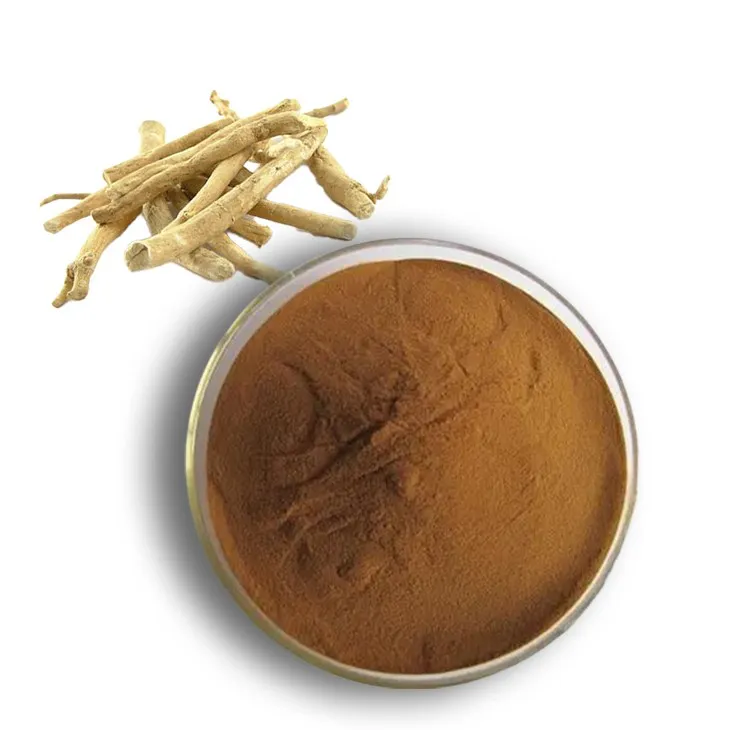
Withania Somnifera Extract
2026-08-07
-
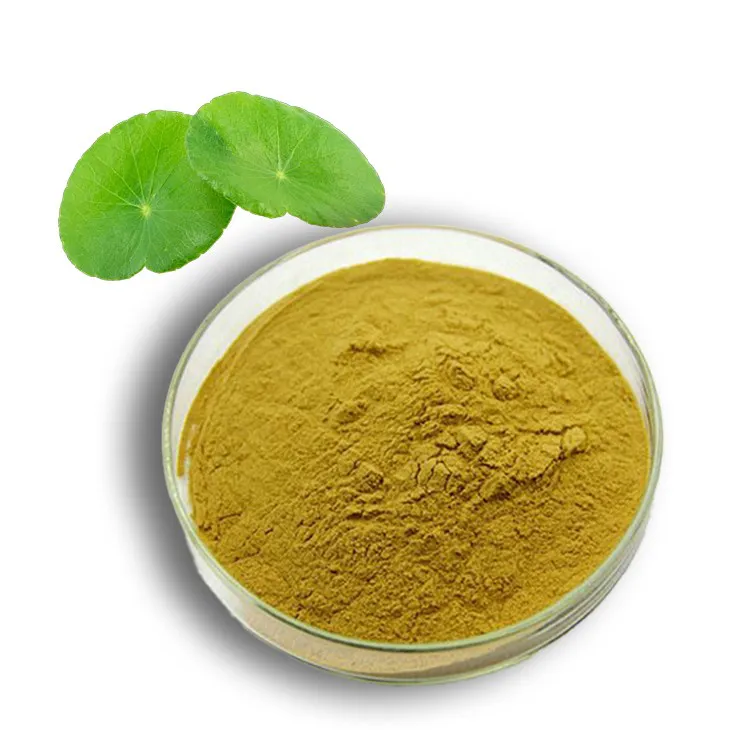
Centella Asiatica Extract
2026-08-07
-
Gamma-Aminobutyric Acid
2026-08-07
-
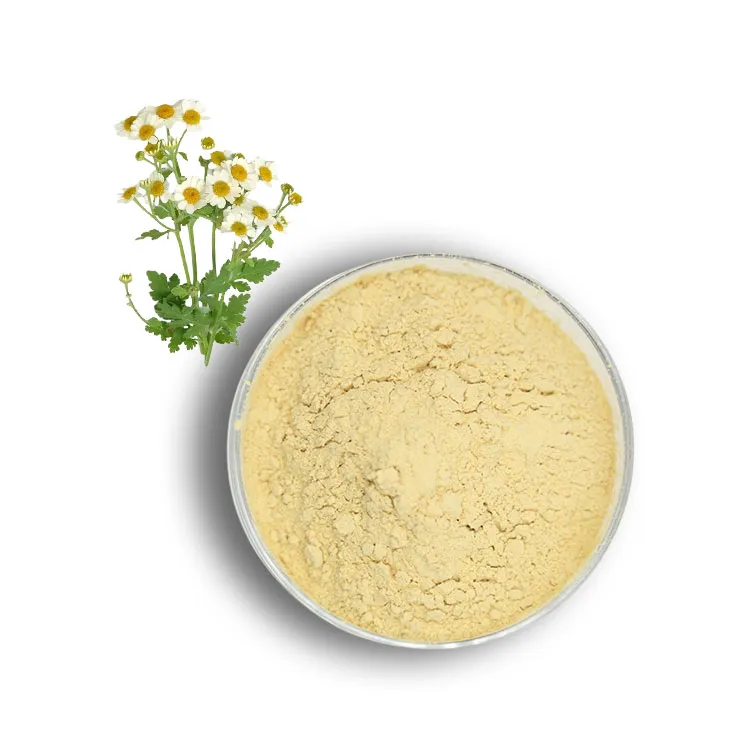
Feverfew Extract
2026-08-07
-
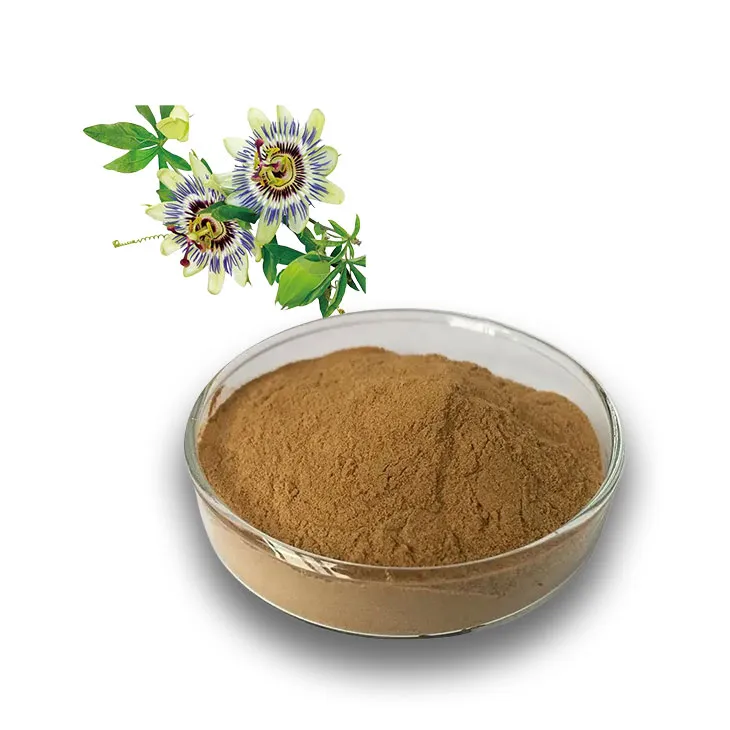
Passionflower Extract
2026-08-07
-
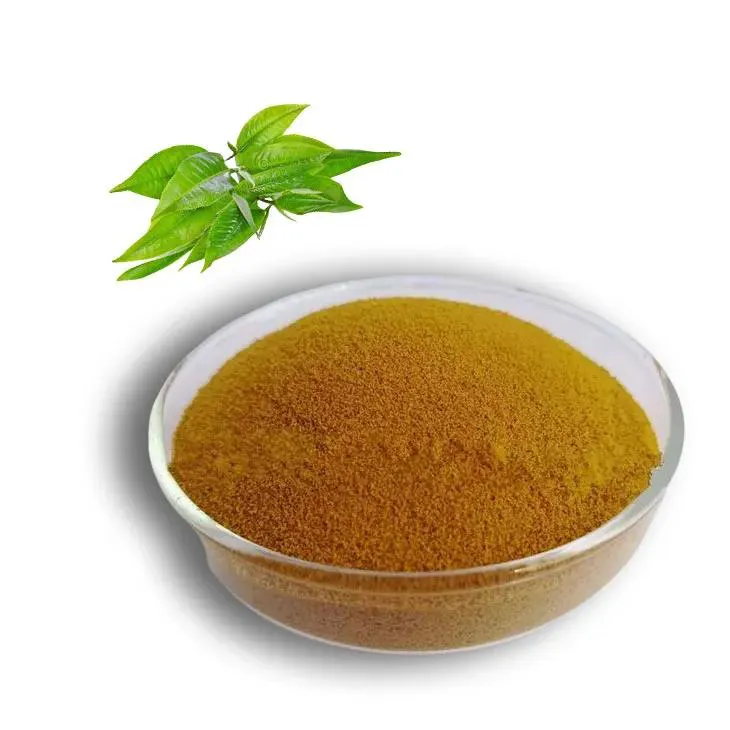
Green Tea Extract
2026-08-07
-
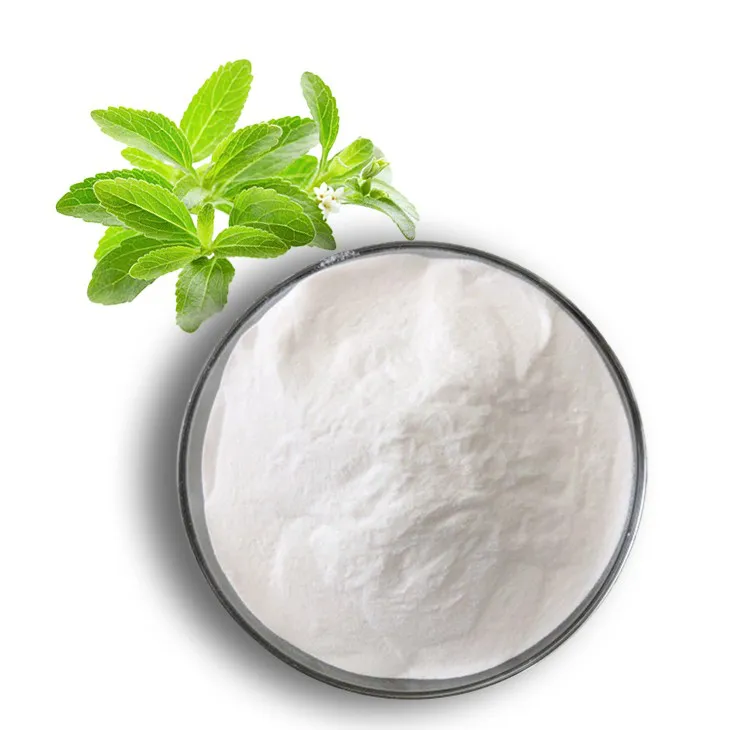
Stevia Extract
2026-08-07
