- 0086-571-85302990
- [email protected]




Resveratrol Extract: The Complete B2B Buyer's Guide to Sourcing Trans-Resveratrol 98%
2026-10-03
Meta Title: Resveratrol extract Manufacturer | Trans-Resveratrol 98% Bulk Supplier | Greensky BioMeta Description: Leading Resveratrol extract manufacturer offering trans-resveratrol 98% from Japanese Knotweed. GMP certified, HPLC verified, bulk supply for supplements and cosmetics.
Related Product
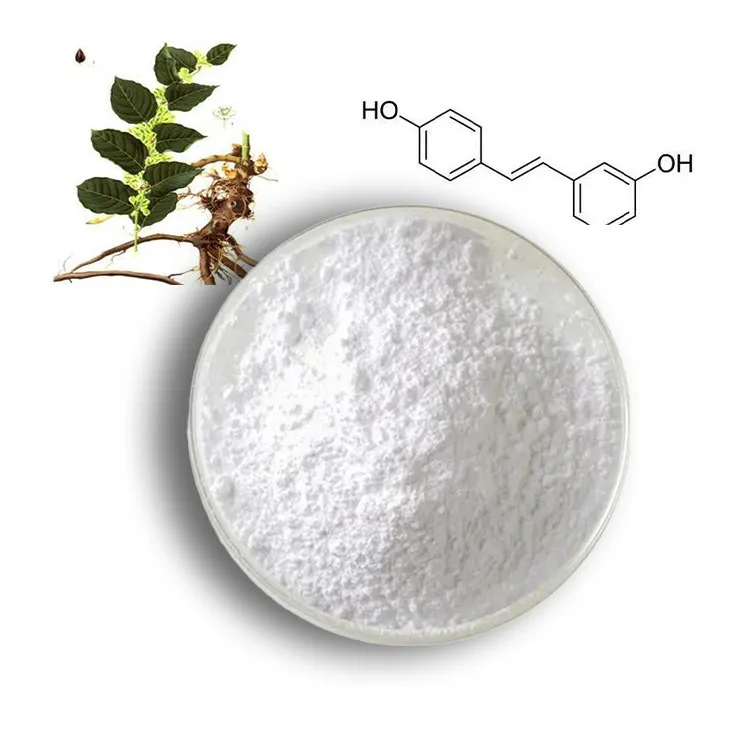
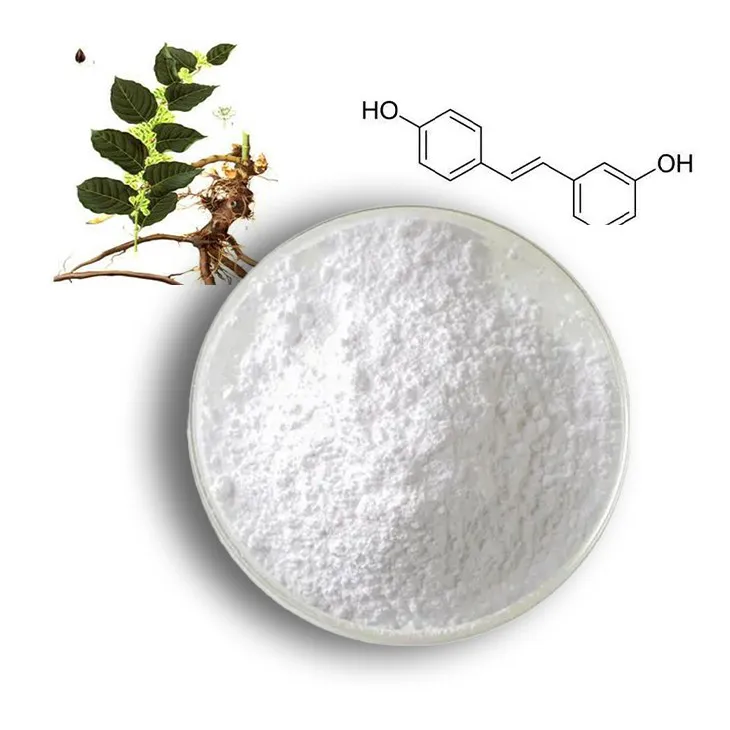
We are a professional resveratrol extract manufacturer, specializing in high-purity trans-resveratrol 98% from Japanese Knotweed (Polygonum cuspidatum) for dietary supplements, nutraceuticals, and cosmetic applications.
Resveratrol Extract: The Complete B2B Buyer's Guide to Sourcing Trans-Resveratrol 98%
Trans-resveratrol — the celebrated polyphenolic compound first identified in grape skins and later found in Japanese knotweed — has become one of the most recognized and commercially significant anti-aging ingredients in the global dietary supplement market. Originally propelled into scientific prominence through research on the "French Paradox" and calorie restriction mimetics, resveratrol has since accumulated over 10,000 peer-reviewed publications documenting its antioxidant, anti-inflammatory, and metabolic health properties. The global resveratrol market, valued at approximately USD 80 million in 2024, continues to grow as new clinical evidence expands its application across longevity, cardiovascular, cognitive, and skin health categories.
For B2B buyers — including supplement brands, contract manufacturers, and cosmetics formulators — sourcing high-purity trans-resveratrol from a qualified requires understanding the botanical, chemical, and quality considerations outlined in this guide.
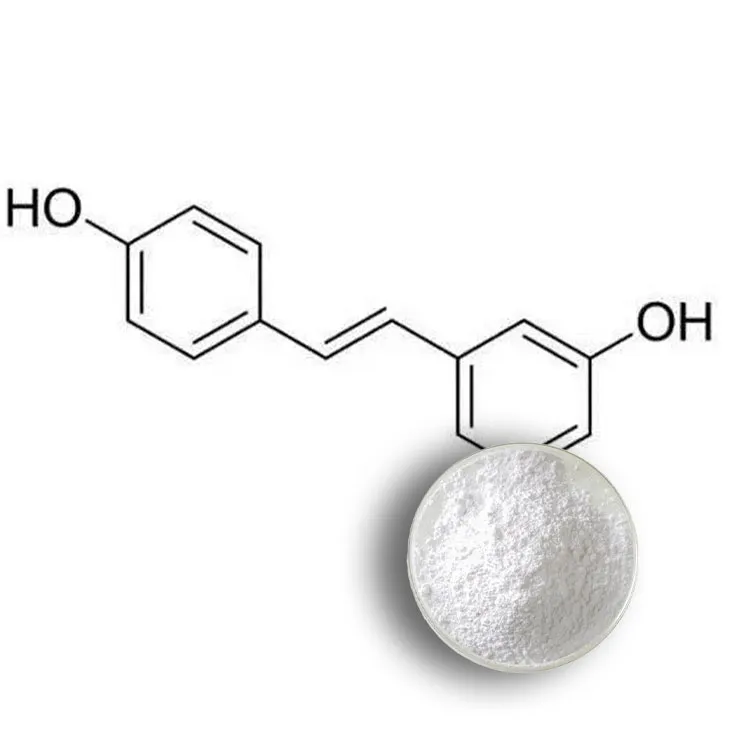
What Is Resveratrol? Chemistry and Natural Sources
Resveratrol (3,5,4′-trihydroxystilbene) is a naturally occurring stilbenoid — a type of phenolic compound — produced by certain plants in response to environmental stress, injury, fungal attack, or UV radiation. It exists in two geometric isomers:
Trans-resveratrol — The biologically active isomer responsible for the compound's documented health benefits. This is the form measured in clinical studies and the form specified by premium supplement formulations.
Cis-resveratrol — The less stable isomer formed when trans-resveratrol is exposed to UV light or heat. Cis-resveratrol exhibits significantly reduced biological activity.
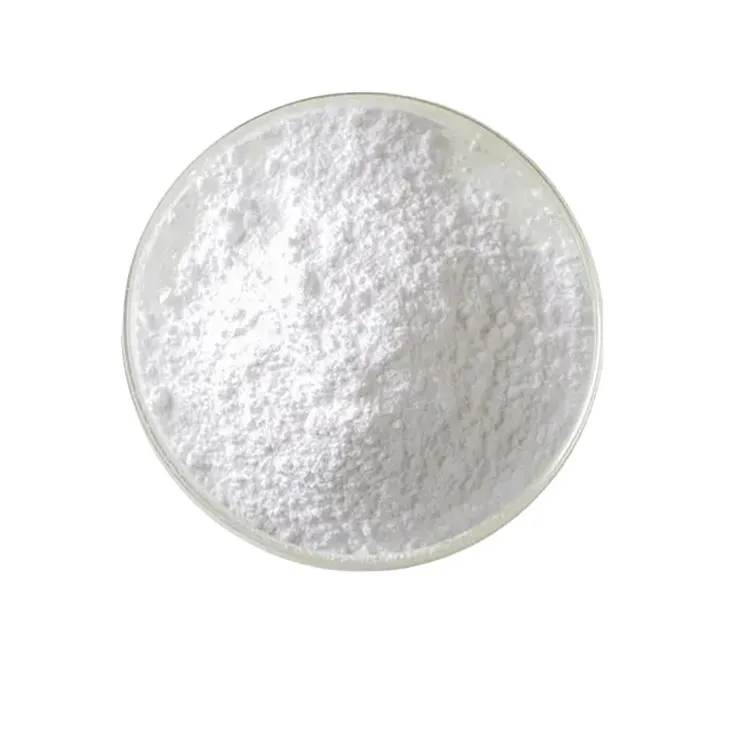
The distinction between trans- and cis-resveratrol is critical for B2B buyers. A product labeled simply as "resveratrol" without isomer specification may contain a significant proportion of the less active cis form. Premium trans-resveratrol extracts should specify ≥98% trans-isomer content, verified by HPLC analysis.
Primary Commercial Sources
Resveratrol is found in several natural sources, but two dominate commercial production:
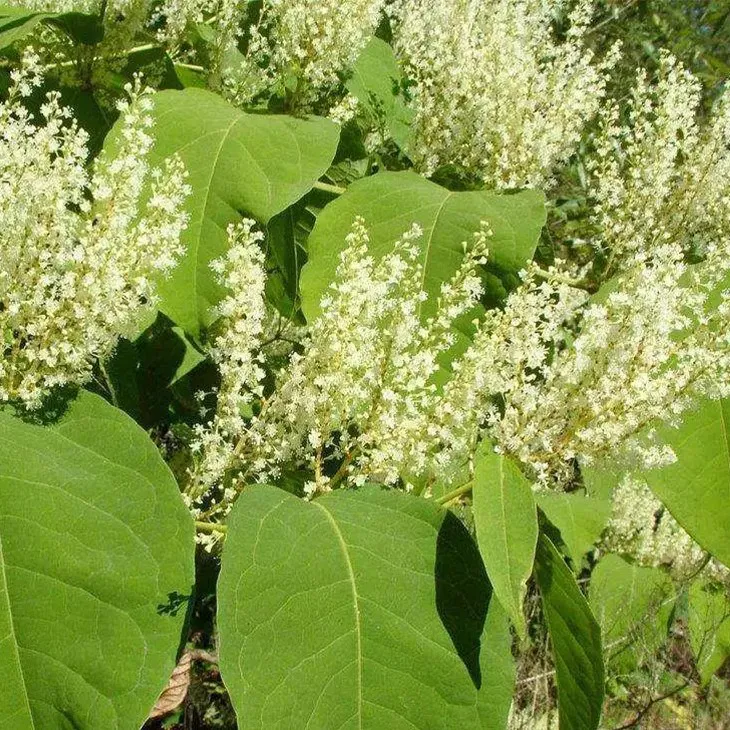
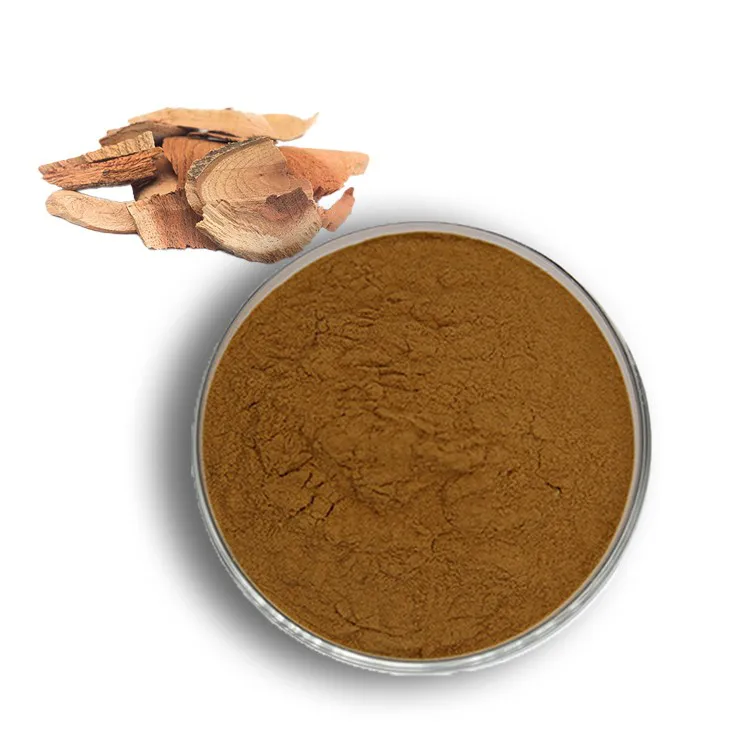
Japanese Knotweed (Polygonum cuspidatum) — The root of Japanese knotweed contains the highest concentration of resveratrol among commercially viable plant sources (1–5% by dry weight in raw root material). This species is the primary raw material for global trans-resveratrol production, offering the best combination of yield, cost-effectiveness, and supply reliability. As an invasive species in many regions, its harvest also carries environmental management benefits.
Grape Skin Extract (Vitis vinifera) — Grape skins contain resveratrol at much lower concentrations (typically 0.01–0.1% of fresh grape skin weight). While grape-derived resveratrol benefits from the "French Paradox" marketing narrative, the lower natural concentration makes it significantly more expensive per gram of active compound compared to Japanese knotweed-derived resveratrol.
Other minor sources include mulberries, blueberries, and peanuts, but none currently support commercial-scale resveratrol extraction.
Clinically Supported Health Benefits
Trans-resveratrol's health benefits are supported by an extensive research literature spanning molecular biology, animal models, and human clinical trials.
Longevity and Cellular Health
Resveratrol gained widespread attention through its activation of sirtuin proteins (particularly SIRT1), which are associated with cellular longevity, DNA repair, and metabolic regulation. While early "life extension" claims generated controversy, subsequent research has clarified resveratrol's role in:
Activating AMPK pathways, supporting cellular energy homeostasis
Promoting autophagy — the cellular recycling process that removes damaged organelles and proteins
Supporting mitochondrial function and biogenesis
Modulating inflammatory signaling through NF-κB pathway regulation
These cellular-level effects translate into meaningful support for healthy aging, making resveratrol a foundational ingredient in longevity-focused supplement formulations.
Cardiovascular Health
The cardiovascular benefits of resveratrol are among the most well-documented, building on the original "French Paradox" observations linking red wine consumption to lower cardiovascular disease incidence in French populations despite high saturated fat intake:
Endothelial protection — Resveratrol enhances endothelial nitric oxide synthase (eNOS) activity, supporting healthy blood vessel dilation and blood pressure regulation.
LDL oxidation prevention — Like other polyphenolic antioxidants, resveratrol protects LDL cholesterol from oxidative modification, reducing a key driver of atherosclerotic plaque formation.
Platelet aggregation inhibition — Resveratrol modulates platelet function, supporting healthy blood viscosity and reducing excessive clotting tendencies.
Anti-inflammatory action — By suppressing pro-inflammatory cytokine production, resveratrol contributes to reduced vascular inflammation — a key factor in cardiovascular disease progression.
Multiple human clinical trials have confirmed that resveratrol supplementation (typically 100–500 mg/day of trans-resveratrol) produces measurable improvements in blood pressure, arterial stiffness, and inflammatory markers in at-risk populations.
Cognitive Function and Neuroprotection
Resveratrol's ability to cross the blood-brain barrier has generated significant research interest in its neuroprotective potential. Key findings include:
Increased cerebral blood flow following resveratrol supplementation, demonstrated in functional MRI studies
Protection of neurons against oxidative stress and amyloid-beta toxicity
Improved memory performance in clinical trials with older adults
Modulation of microglial activation, reducing neuroinflammation
These findings position resveratrol as a compelling ingredient for brain health and cognitive support supplement categories, one of the fastest-growing segments in the dietary supplement industry.
Skin Health and Anti-Aging
In the cosmetics and nutricosmetics sectors, resveratrol's antioxidant potency — significantly exceeding that of vitamins C and E — drives its use in premium anti-aging formulations. Topical and oral resveratrol application has been shown to:
Neutralize free radicals generated by UV exposure and environmental pollutants
Inhibit matrix metalloproteinases (MMPs) that degrade collagen and elastin in skin
Support skin barrier function and reduce transepidermal water loss
Reduce the appearance of fine lines, wrinkles, and age-related hyperpigmentation
Extraction and Purification Processes
Producing pharmaceutical-grade trans-resveratrol 98% requires sophisticated extraction and purification technology.
Raw Material Preparation
Japanese knotweed roots are harvested, cleaned, dried, and milled to increase surface area for extraction. The root's resveratrol content varies by harvest season, growing region, and plant age — factors that a qualified monitors through regular raw material testing.
Solvent Extraction
The milled root material is extracted using ethanol or ethanol-water mixtures under controlled temperature (50–70°C) and time conditions. The resveratrol and other stilbenoids dissolve into the solvent phase, which is then separated from the spent plant material through filtration.
Purification Technology
The crude extract contains resveratrol alongside emodin, physcion, and other anthraquinone compounds naturally present in Japanese knotweed. Purification involves:
Macroporous resin chromatography — Selective adsorption resins capture stilbenoids while allowing smaller molecules and sugars to pass through.
Column chromatography — Further separation of resveratrol from emodin and other co-extracted compounds using silica gel or other stationary phases.
Recrystallization — Multiple crystallization cycles from ethanol or ethanol-water solvents progressively increase purity from approximately 50% crude extract to ≥98% trans-resveratrol.
Greensky Bio's production facilities employ multi-stage purification under GMP-standard conditions, with HPLC monitoring at each stage to ensure target purity levels are achieved.
Trans- to Cis-Isomer Control
During extraction and drying, exposure to UV light and elevated temperatures can convert trans-resveratrol to the less active cis form. Quality manufacturers implement the following controls:
UV-protected processing equipment and storage containers
Temperature-controlled drying (below 40°C)
HPLC verification of trans:cis ratio in finished product
Nitrogen-flushed packaging to minimize oxidative degradation
Quality Specifications
B2B buyers should require the following quality documentation when sourcing trans-resveratrol:
Parameter Premium Specification Trans-resveratrol content (HPLC) ≥98% Cis-resveratrol content ≤1.0% Emodin ≤0.1% Moisture ≤0.5% Ash ≤0.5% Heavy metals (Pb) ≤2.0 ppm Heavy metals (Cd) ≤1.0 ppm Heavy metals (As) ≤1.0 ppm Heavy metals (Hg) ≤0.1 ppm Residual solvents Compliant with ICH Q3C Total plate count ≤1,000 CFU/g E. coli / Salmonella Negative
Every batch should be accompanied by a comprehensive Certificate of Analysis (COA) including HPLC chromatograms confirming trans-resveratrol purity and cis-resveratrol content.
Regulatory Landscape
Trans-resveratrol enjoys broad regulatory acceptance:
United States — Accepted as a dietary supplement ingredient. Self-affirmed GRAS status available for food applications at defined usage levels.
European Union — Accepted in food supplements. EFSA has evaluated resveratrol safety with established acceptable daily intake levels.
Australia/New Zealand — Listed for use in complementary medicines.
China — Approved as a health food raw material.
This broad regulatory acceptance facilitates global product distribution for brands incorporating trans-resveratrol.
Market Trends and Growth Drivers
Several trends are driving continued growth in the resveratrol market:
Longevity science mainstreaming — The anti-aging supplement category is experiencing rapid growth, with resveratrol positioned as a foundational longevity ingredient alongside NMN, NR, and other NAD+ precursors.
Combination product innovation — Resveratrol is increasingly formulated with Quercetin, pterostilbene, and other polyphenols to create synergistic antioxidant and anti-aging blends.
Cosmeceutical expansion — The integration of resveratrol into topical skincare products, particularly premium anti-aging serums and creams, represents a high-growth application channel.
Clinical evidence accumulation — Ongoing human trials continue to strengthen the scientific foundation for resveratrol's health claims, supporting stronger product positioning.
Conclusion
Trans-resveratrol's combination of extensive scientific validation, broad health application potential, and strong consumer recognition makes it an essential ingredient for supplement brands operating in the longevity, cardiovascular, cognitive, and skin health categories. Its well-characterized chemistry and established extraction technologies provide B2B buyers with reliable sourcing options from qualified manufacturers.
Greensky Bio offers premium trans-resveratrol 98% produced under GMP-standard conditions from sustainably sourced Japanese knotweed. Our ensure consistent quality, and our independent laboratory provides comprehensive analytical testing for every production batch. Whether you are formulating a longevity supplement, a cardiovascular support capsule, or an anti-aging skincare product, our resveratrol meets the exacting standards of global supplement and cosmetics brands.
Ready to source premium trans-resveratrol? today for specifications, pricing, and free sample requests. Our technical team provides formulation guidance and regulatory documentation support to accelerate your product development timeline.
- ▶ Hesperidin
- ▶ Citrus Bioflavonoids
- ▶ Plant Extract
- ▶ lycopene
- ▶ Diosmin
- ▶ Grape seed extract
- ▶ Sea buckthorn Juice Powder
- ▶ Fruit Juice Powder
- ▶ Hops Extract
- ▶ Artichoke Extract
- ▶ Mushroom extract
- ▶ Astaxanthin
- ▶ Green Tea Extract
- ▶ Curcumin
- ▶ Horse Chestnut Extract
- ▶ Other Product
- ▶ Boswellia Serrata Extract
- ▶ Resveratrol
- ▶ Marigold Extract
- ▶ Grape Leaf Extract
- ▶ New Product
- ▶ Aminolevulinic acid
- ▶ Cranberry Extract
- ▶ Red Yeast Rice
- ▶ Red Wine Extract
- ▶ blog
-
Curcumin
2026-10-03
-
Natural grape seed extract
2026-10-03
-
Carrageenan Extract Powder
2026-10-03
-
Elderberry Extract
2026-10-03
-
Moringa powder
2026-10-03
-
Nettle leaf extract
2026-10-03
-
Lily extract
2026-10-03
-
Peppermint Extract Powder
2026-10-03
-
Yam Extract
2026-10-03
-
Boswellia Serrata Extract
2026-10-03