- 0086-571-85302990
- [email protected]




Milk Thistle Extract: Complete Guide to Liver Health, Silymarin Science & B2B Sourcing (2026)
2026-11-22
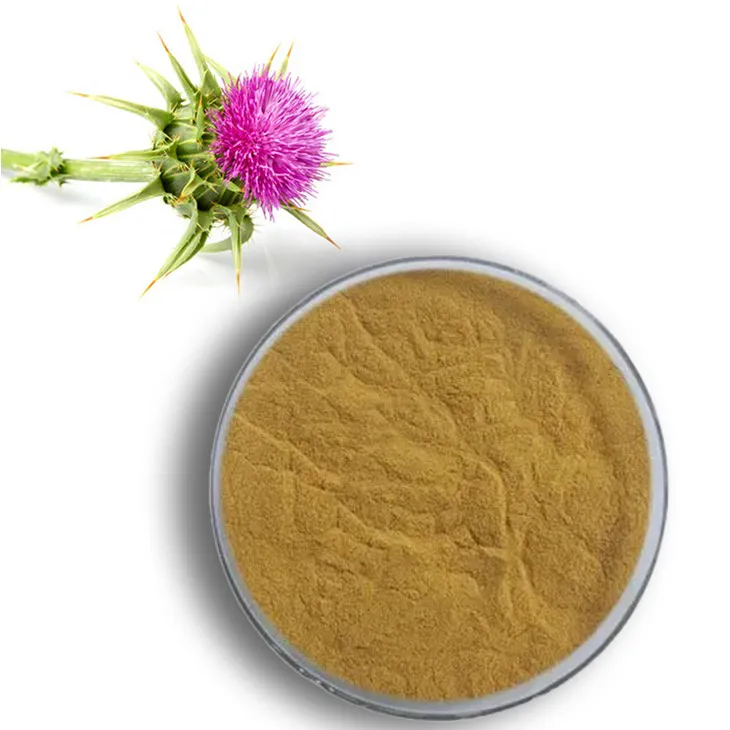
Table of Contents
What Is Milk Thistle Extract and Why Is It the Gold Standard for Liver Health?
Active Compounds: Silymarin, Silybin, Isosilybin, and Their Unique Chemistry
Mechanisms of Hepatoprotection: How Silymarin Protects and Regenerates Liver Cells
Clinical Evidence for Liver Disease: NAFLD, NASH, Hepatitis, and Cirrhosis
Detoxification Support, Drug-Induced Liver Injury, and Alcohol-Related Damage
Antioxidant, Anti-Inflammatory, and Metabolic Benefits Beyond the Liver
Standardization, Bioavailability Enhancement, and Quality Control
Product Applications: Capsules, IV Preparations, Functional Foods, and Pet Health
B2B Sourcing: How to Select a Premium Milk Thistle Extract Manufacturer
FAQ: Common Questions About Milk Thistle Extract
What Is Milk Thistle Extract and Why Is It the Gold Standard for Liver Health?
Milk thistle (Silybum marianum) is a flowering herb in the Asteraceae family, native to the Mediterranean region. For over 2,000 years, it has been used as a natural remedy for liver and gallbladder conditions. Today, it is the most widely researched and clinically validated botanical for hepatoprotection — the protection and regeneration of liver cells.
The global milk thistle extract market is projected to exceed $450 million by 2028, driven by rising prevalence of non-alcoholic fatty liver disease (NAFLD), increasing awareness of liver health, and growing demand for natural hepatoprotective supplements. Milk thistle is classified as a Commission E-approved herb in Germany and is included in the European Pharmacopoeia.
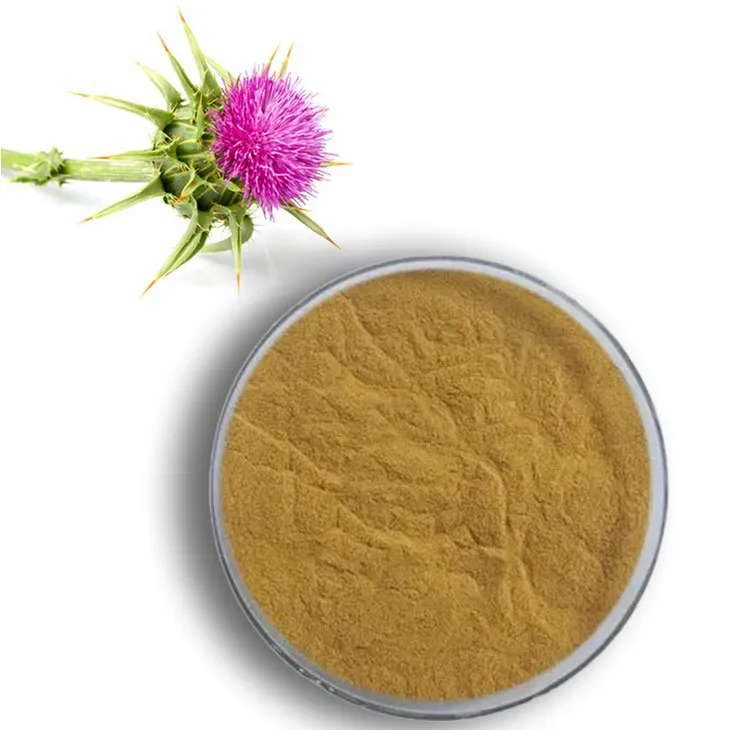
Active Compounds: Silymarin, Silybin, Isosilybin, and Their Unique Chemistry
The active complex of milk thistle is called silymarin — a group of flavonolignans extracted from the seeds and fruits of Silybum marianum.
Silymarin Composition
Silymarin consists of approximately 65-80% flavonolignans, with the major components being:
Silybin (Silybinin A & B): The most abundant and biologically active component, comprising 50-70% of silymarin
Isosilybin (A & B): Stereoisomers of silybin with similar but distinct pharmacological profiles
Silychristin: Contributes to antioxidant and anti-inflammatory activity
Silydianin: Less studied but contributes to the overall hepatoprotective complex
Taxifolin: A flavonoid with independent antioxidant properties
Concentration Standards
Commercial milk thistle extracts are typically standardized to 70-80% silymarin by HPLC. Some premium products further standardize to specific silybin content for enhanced bioactivity.
Mechanisms of Hepatoprotection: How Silymarin Protects and Regenerates Liver Cells
Silymarin's hepatoprotective effects operate through multiple complementary mechanisms:
Cell Membrane Stabilization
Silymarin alters the structure of hepatocyte cell membranes, preventing the penetration of toxins such as amatoxins (from death cap mushroom poisoning). This membrane-stabilizing effect is one of the most well-documented mechanisms and explains silymarin's use as an antidote for Amanita phalloides mushroom poisoning.
Antioxidant Activity
Silymarin is a potent antioxidant that:
Scavenges free radicals and reactive oxygen species (ROS)
Increases intracellular glutathione (GSH) levels by up to 35%
Enhances superoxide dismutase (SOD) activity
Reduces lipid peroxidation in hepatocyte membranes
Protein Synthesis Stimulation
Silymarin stimulates RNA polymerase I activity, leading to increased ribosomal protein synthesis and accelerated hepatocyte regeneration. This mechanism is particularly relevant for recovery from liver damage and surgical interventions.
Anti-Fibrotic Effects
Silymarin inhibits the activation of hepatic stellate cells (HSCs), the primary drivers of liver fibrosis. By reducing collagen deposition and fibrotic signaling pathways (TGF-β, PDGF), silymarin may slow the progression of chronic liver disease toward cirrhosis.
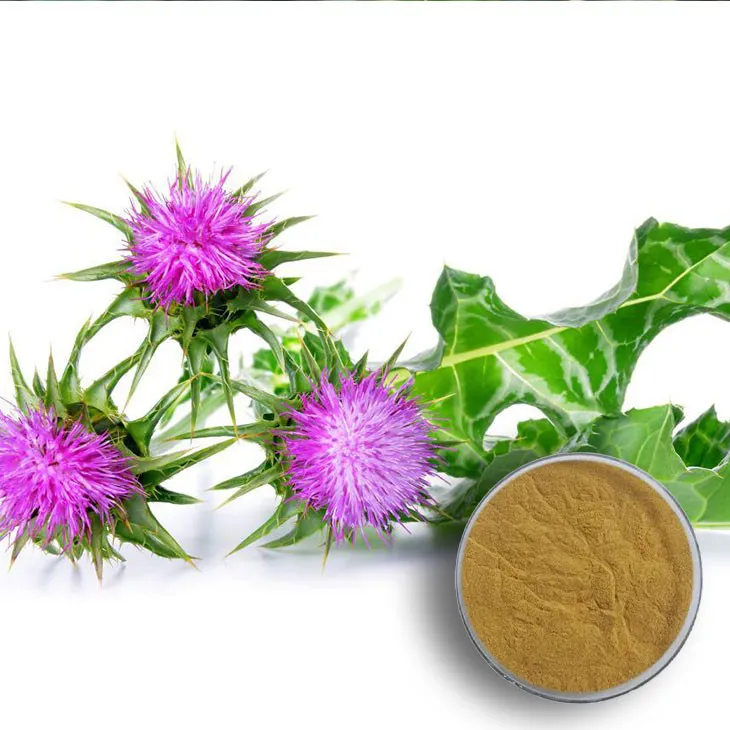
Clinical Evidence for Liver Disease: NAFLD, NASH, Hepatitis, and Cirrhosis
Non-Alcoholic Fatty Liver Disease (NAFLD)
NAFLD affects approximately 25% of the global population. Multiple clinical trials have demonstrated silymarin's effectiveness:
A 2017 meta-analysis found significant reductions in ALT, AST, and total bilirubin levels in NAFLD patients treated with silymarin (200-420 mg/day)
A 2020 RCT showed improved liver ultrasound parameters and reduced hepatic steatosis grade after 6 months of silymarin-phosphatidylcholine complex supplementation
Combination therapy with vitamin E showed enhanced benefits in reducing liver fat content
Hepatitis B and C
Silymarin supplementation has been shown to improve liver enzyme profiles in chronic hepatitis patients. While it does not replace antiviral therapy, it provides supportive hepatoprotection that may improve treatment outcomes and quality of life.
Alcoholic Liver Disease
Long-term silymarin supplementation (420 mg/day) has been associated with improved survival rates in alcoholic cirrhosis patients. The herb's antioxidant and anti-inflammatory effects help mitigate alcohol-induced oxidative stress and liver cell damage.
Detoxification Support, Drug-Induced Liver Injury, and Alcohol-Related Damage
Drug-Induced Liver Injury (DILI)
Silymarin shows promise in protecting against DILI from medications including acetaminophen, antituberculosis drugs, statins, and antipsychotics. By enhancing phase II detoxification pathways and maintaining glutathione reserves, silymarin provides a safety net for patients on hepatotoxic medications.
Environmental Toxin Exposure
Occupational and environmental exposure to heavy metals, pesticides, and industrial chemicals creates chronic liver stress. Silymarin's ability to enhance detoxification enzyme activity (glutathione S-transferase, quinone reductase) supports the liver's natural defense mechanisms.
Antioxidant, Anti-Inflammatory, and Metabolic Benefits Beyond the Liver
While the liver is the primary target organ, silymarin's benefits extend to other systems:
Skin Health: Topical silymarin protects against UV-induced skin damage and may reduce photoaging
Blood Sugar Control: Silymarin has demonstrated modest improvements in glycemic control in type 2 diabetes, potentially through AMPK activation
Cholesterol Management: Some studies suggest reductions in LDL cholesterol and triglycerides
Cancer Prevention: Preclinical studies show silybin's anti-proliferative effects on prostate, breast, and colon cancer cell lines
Bone Health: Emerging evidence suggests silymarin may support bone mineral density through anti-osteoclastogenic effects
Standardization, Bioavailability Enhancement, and Quality Control
Standardization
Quality milk thistle extract should be standardized to 70-80% silymarin by HPLC, with documented levels of individual flavonolignans (silybin A/B, isosilybin A/B, silychristin, silydianin).
Bioavailability Challenges
Silymarin has inherently poor water solubility and bioavailability. Several approaches address this limitation:
Silymarin-Phosphatidylcholine Complex (Phytosome®): Up to 10x improved bioavailability vs. standard extract
Particle Size Reduction: Micronized silymarin for enhanced dissolution
Liposomal Formulations: Encapsulation in lipid vesicles for improved absorption
Self-Emulsifying Drug Delivery Systems (SEDDS): For liquid and softgel formulations
Product Applications: Capsules, IV Preparations, Functional Foods, and Pet Health
Capsules/Tablets: Standard delivery format, typically 150-420 mg silymarin per serving
IV Preparations: Used in clinical settings for acute poisoning (Silibinin IV, Legalon SIL)
Liquid Extracts/Tinctures: Traditional format with faster absorption
Functional Beverages: Growing category for liver health and detox positioning
Pet Supplements: Increasingly used in veterinary hepatoprotection for dogs and cats
Combination Formulas: Often paired with NAC, alpha-lipoic acid, turmeric, and dandelion root
B2B Sourcing: How to Select a Premium Milk Thistle Extract Manufacturer
When evaluating milk thistle extract suppliers, consider:
Standardization Verification: HPLC-confirmed silymarin content (70-80%) with individual component analysis
Extraction Technology: Supercritical CO₂ vs. solvent extraction — impacts flavonolignan profile and solvent residue
Certifications: ISO 22000, BRCGS, GMP, Organic, HALAL, Kosher
Bioavailability Solutions: Ability to supply phytosome, liposomal, or micronized formats
Regulatory Documentation: COA, MSDS, allergen statements, heavy metal testing, pesticide screening
Supply Capacity: Consistent availability and scalable production
Greensky Bio manufactures milk thistle extract with standardized silymarin content (70-80%) in our GMP-certified Jiangxi facility. We offer conventional and organic options with full analytical documentation and batch traceability. Contact our team for samples and technical specifications.
FAQ: Common Questions About Milk Thistle Extract
What is the effective dose of milk thistle extract?
Clinical studies typically use 150-420 mg of standardized silymarin extract (70-80%) per day, divided into 2-3 doses. For general liver support, 150-200 mg/day is common. For therapeutic applications (NAFLD, hepatitis), 300-420 mg/day has been studied.
How long does it take for milk thistle to improve liver function?
Improvements in liver enzymes (ALT, AST) are typically seen within 4-12 weeks of supplementation. Structural improvements (reduced hepatic steatosis) may require 3-6 months of consistent use.
Is milk thistle extract safe?
Milk thistle is generally well-tolerated. Mild GI side effects occur in less than 2% of users. It is contraindicated in individuals with allergies to Asteraceae plants (ragweed, daisies, chrysanthemums). Pregnant and breastfeeding women should consult their healthcare provider.
What's the difference between silymarin and silybin?
Silymarin is the total flavonolignan complex extracted from milk thistle. Silybin is the single most active component within silymarin, comprising about 50-70% of the total. Some premium products are standardized specifically to silybin content for enhanced potency.
Can milk thistle extract be used in food products?
Milk thistle extract is approved as a dietary supplement ingredient in most markets. For food applications, check local regulations — it is approved as a food ingredient in the EU (Novel Food catalogue) and has GRAS status in the United States for specific uses.
- ▶ Hesperidin
- ▶ Citrus Bioflavonoids
- ▶ Plant Extract
- ▶ lycopene
- ▶ Diosmin
- ▶ Grape seed extract
- ▶ Sea buckthorn Juice Powder
- ▶ Fruit Juice Powder
- ▶ Hops Extract
- ▶ Artichoke Extract
- ▶ Mushroom extract
- ▶ Astaxanthin
- ▶ Green Tea Extract
- ▶ Curcumin
- ▶ Horse Chestnut Extract
- ▶ Other Product
- ▶ Boswellia Serrata Extract
- ▶ Resveratrol
- ▶ Marigold Extract
- ▶ Grape Leaf Extract
- ▶ New Product
- ▶ Aminolevulinic acid
- ▶ Cranberry Extract
- ▶ Red Yeast Rice
- ▶ Red Wine Extract
- ▶ blog
-
Resveratrol
2026-11-22
-
Phellodendron Extract
2026-11-22
-
Saffron Extract Powder
2026-11-22
-
Propolis Extract Powder
2026-11-22
-
Beta Carotene
2026-11-22
-
Bayberry Extract
2026-11-22
-
Boswellia Serrata Extract
2026-11-22
-
Berberine Extract
2026-11-22
-
Artichoke Leaf Extract
2026-11-22
-
Angelica sinensis extract
2026-11-22