- 0086-571-85302990
- [email protected]




Ginkgo Biloba Extract: Complete Guide to Cognitive Function, Circulation Science & B2B Sourcing (202
2026-11-22
Ginkgo Biloba Extract: Complete Guide to Cognitive Function, Circulation Science & B2B Sourcing (2026)
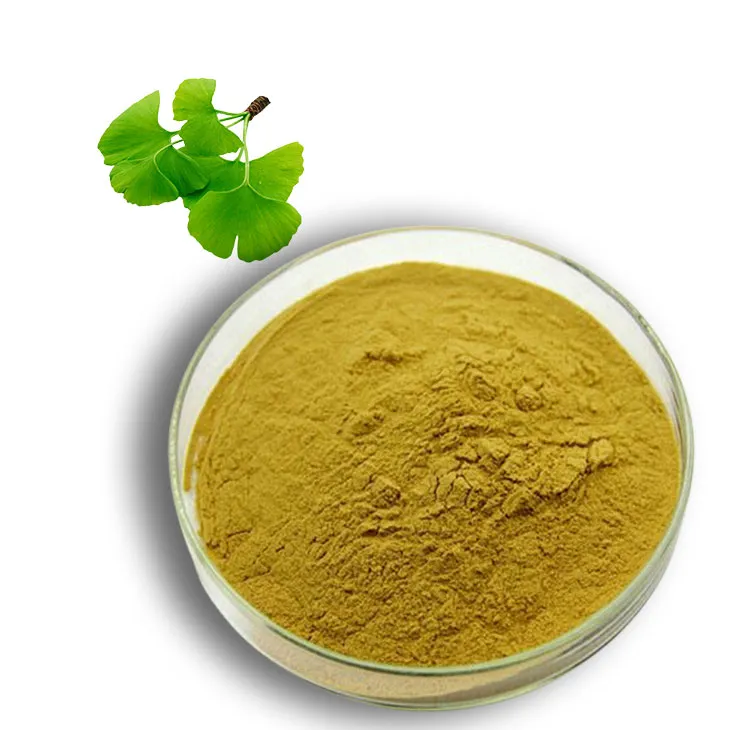
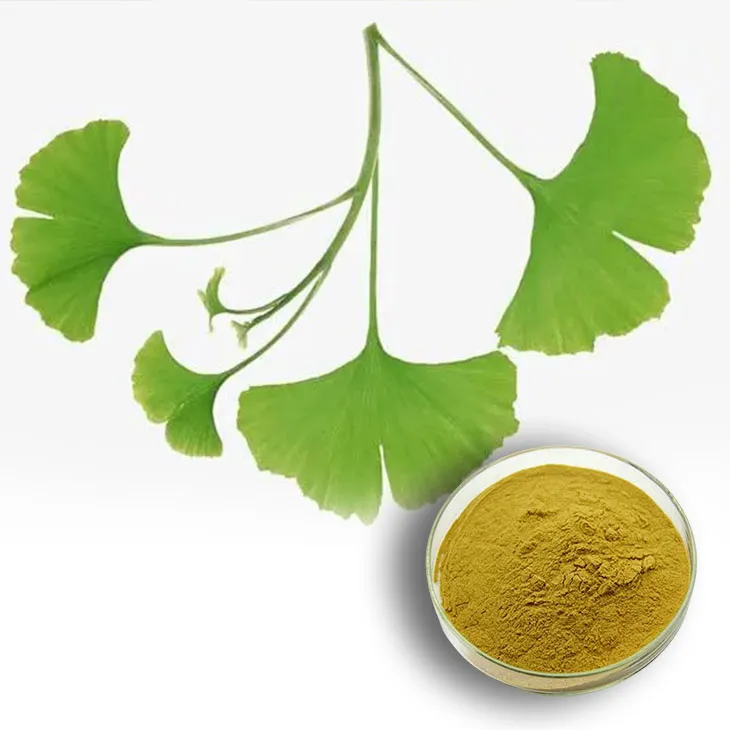
Related Product: Ginkgo Biloba Extract — Greensky offers premium standardized Ginkgo Biloba Extract (EGb 761-type) with verified flavone glycoside and terpene lactone content. We are a professional natural plant extract manufacturer established in 2004, with ISO22000, BRCGS, Ecocert Organic, and SGS-GMP certifications.
Table of Contents
What Is Ginkgo Biloba Extract and Why Is It the Most Researched Botanical for Brain Health?
Active Compounds: Flavone Glycosides, Terpene Lactones, and Ginkgolic Acids
Mechanisms of Action: Neuroprotection, Blood Flow, and Antioxidant Defense
Clinical Evidence for Cognitive Function, Memory, and Dementia Support
Circulation, Tinnitus, Eye Health, and Peripheral Vascular Benefits
Quality Standards: The EGb 761 Benchmark and Pharmacopoeia Specifications
Ginkgolic Acid Safety: Why This Contaminant Matters
Applications in Supplements, Pharmaceuticals, and Functional Foods
How to Source Premium Ginkgo Biloba Extract: A B2B Buyer's Guide
Why Choose Greensky as Your Ginkgo Biloba Extract Supplier
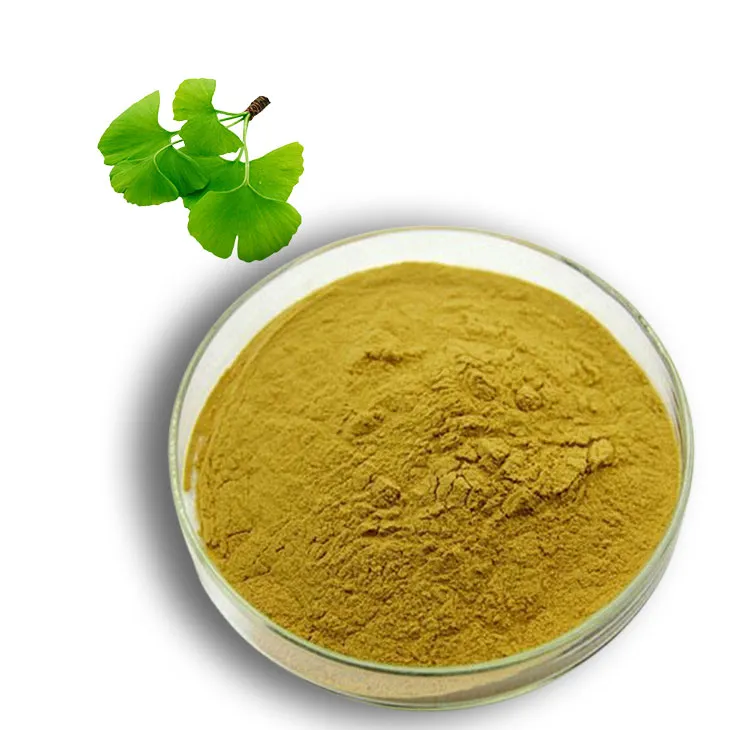
1. What Is Ginkgo Biloba Extract and Why Is It the Most Researched Botanical for Brain Health?
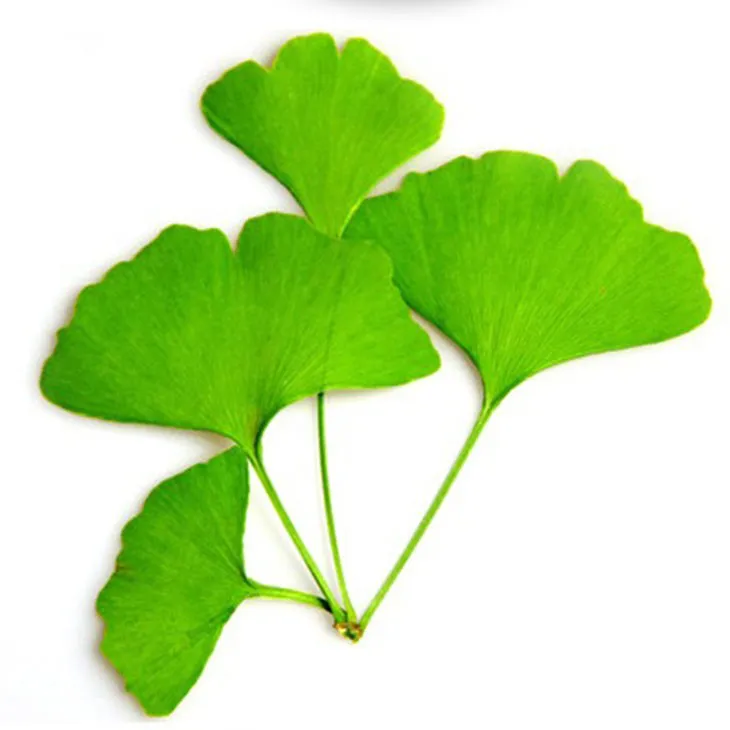
Ginkgo biloba, the sole surviving species of the ancient Ginkgoaceae family, is often called a "living fossil" — unchanged for over 200 million years. Native to China, Ginkgo trees can live for over 1,000 years, and their remarkable resilience to environmental stress, disease, and aging has long fascinated scientists and traditional medicine practitioners alike.
Ginkgo biloba leaves have been used in Traditional Chinese Medicine (TCM) for centuries to support lung and heart health. Modern pharmaceutical-grade Ginkgo biloba extract was developed in the 1960s by Dr. Willmar Schwabe in Germany, leading to the creation of EGb 761 — the most extensively studied botanical extract in medical history, with over 600 peer-reviewed publications and dozens of large-scale clinical trials.
The global Ginkgo biloba extract market is projected to exceed USD 1.5 billion by 2028, driven by aging populations, growing awareness of cognitive health, and expanding applications in cardiovascular health, eye health, and cosmetics.

2. Active Compounds: Flavone Glycosides, Terpene Lactones, and Ginkgolic Acids
2.1 Primary Bioactive Components
| Compound Class | Specific Compounds | Standard Content | Primary Function |
|---|---|---|---|
| Flavone Glycosides | Quercetin, kaempferol, isorhamnetin glycosides | 24% (HPLC/UV) | Antioxidant, free radical scavenging, vascular protection |
| Terpene Lactones | Ginkgolides A, B, C, J; Bilobalide | 6% (HPLC) | PAF antagonism, neuroprotection, anti-platelet |
| Organic Acids | Ginkgolic acids | < 5 ppm (safety limit) | Contaminant — must be minimized due to allergenicity |
| Proanthocyanidins | Oligomeric procyanidins | Variable | Additional antioxidant support |
2.2 The 24/6 Standard
The pharmacopoeial standard for Ginkgo biloba extract specifies:
24% flavone glycosides (calculated as Quercetin and kaempferol glycosides)
6% terpene lactones (ginkgolides A, B, C, J + bilobalide)
< 5 ppm ginkgolic acids (safety requirement)
This "24/6" standard was established based on the composition of EGb 761 and has been adopted by the European Pharmacopoeia (Ph. Eur.), United States Pharmacopeia (USP), and Chinese Pharmacopoeia.
3. Mechanisms of Action: Neuroprotection, Blood Flow, and Antioxidant Defense
3.1 Cerebral Blood Flow Enhancement
Ginkgo biloba extract improves cerebral circulation through multiple mechanisms:
Vasodilation: Increased nitric oxide (NO) release from endothelial cells, dilating cerebral blood vessels
Blood rheology: Reduced blood viscosity and improved red blood cell deformability for better microcirculation
PAF antagonism: Ginkgolide B is a potent platelet-activating factor (PAF) receptor antagonist, reducing platelet aggregation and inflammation
Capillary integrity: Strengthened capillary walls, reducing vascular permeability and fluid leakage
3.2 Neuroprotection
Antioxidant defense: Flavone glycosides scavenge reactive oxygen species (ROS) and reactive nitrogen species (RNS) in neural tissue
Anti-apoptotic effects: Bilobalide protects neurons from excitotoxicity and oxidative stress-induced apoptosis
Neurotransmitter modulation: Enhanced cholinergic and dopaminergic signaling
Amyloid-beta interaction: Ginkgo extract has been shown to reduce amyloid plaque formation in preclinical Alzheimer's models
Neurogenesis: Emerging evidence for stimulation of neural stem cell proliferation
3.3 Mitochondrial Protection
Bilobalide, one of the unique terpene lactones in Ginkgo, has demonstrated protective effects on mitochondrial function — the energy-producing organelles critical for neuronal health. This mechanism may contribute to Ginkgo's benefits in age-related cognitive decline.
4. Clinical Evidence for Cognitive Function, Memory, and Dementia Support
4.1 Dementia and Alzheimer's Disease
Multiple systematic reviews and meta-analyses have evaluated Ginkgo biloba extract for dementia:
Cognitive improvement: The Cochrane Database systematic review (2009) concluded that Ginkgo biloba extract appears safe and shows promising benefits for cognitive function and social competence in dementia patients
Dose-response: 240 mg/day of standardized extract showed greater efficacy than 120 mg/day in some trials
Behavioral symptoms: Improvements in neuropsychiatric symptoms (apathy, anxiety, depression) in dementia patients
Guidelines recognition: Ginkgo biloba extract (EGb 761) is recommended for dementia treatment in the German S3 dementia guidelines and the Chinese dementia guidelines
4.2 Cognitive Enhancement in Healthy Adults
Working memory: Improved performance on working memory tasks in healthy young and middle-aged adults
Processing speed: Faster cognitive processing speed in multiple controlled trials
Attention: Enhanced sustained attention and reduced mental fatigue
Dose: Most cognitive enhancement studies use 120-240 mg/day of standardized extract
4.3 Age-Related Cognitive Decline
The GEM (Ginkgo Evaluation of Memory) study, a large randomized controlled trial involving over 3,000 elderly participants, found that while Ginkgo biloba extract did not prevent the development of Alzheimer's disease, it showed trends toward improved cognitive performance in specific domains over the 6-year study period.
5. Circulation, Tinnitus, Eye Health, and Peripheral Vascular Benefits
5.1 Peripheral Arterial Disease (Intermittent Claudication)
Ginkgo biloba extract has demonstrated efficacy in improving walking distance in patients with intermittent claudication (pain in leg muscles during exercise due to reduced blood flow):
Walking distance: 40-60% improvement in pain-free walking distance in multiple trials
Mechanism: Improved peripheral microcirculation and reduced blood viscosity
5.2 Tinnitus
Ginkgo biloba is one of the most commonly prescribed treatments for tinnitus in Europe:
Vascular tinnitus: Most effective when tinnitus has a vascular origin (reduced cochlear blood flow)
Onset-dependent efficacy: More effective for recent-onset tinnitus than chronic cases
Dose: 120-160 mg/day of standardized extract
5.3 Eye Health
Glaucoma: Improved visual field parameters in pre-existing glaucoma patients
Diabetic retinopathy: Reduced retinal capillary damage and improved retinal blood flow
Age-related macular degeneration (AMD): Antioxidant protection of retinal tissue
Normal-tension glaucoma: Some evidence for slowing visual field progression
6. Quality Standards: The EGb 761 Benchmark and Pharmacopoeia Specifications
6.1 Pharmacopoeial Standards
| Parameter | European Pharmacopoeia | USP Standard |
|---|---|---|
| Flavone glycosides | 22.0-27.0% | 22.0-27.0% |
| Terpene lactones (total) | 5.4-7.2% | 5.4-7.2% |
| Ginkgolide A | 2.8-3.4% | 2.8-3.4% |
| Ginkgolide B | 2.6-3.2% | 2.6-3.2% |
| Ginkgolide C | 0.5-1.9% | 0.5-1.9% |
| Bilobalide | 2.6-3.2% | 2.6-3.2% |
| Ginkgolic acids | < 5 ppm | < 5 ppm |
6.2 Key Quality Parameters
| Parameter | Standard |
|---|---|
| Flavone glycosides | 24% ± 2% (HPLC/UV) |
| Terpene lactones | 6% ± 1% (HPLC) |
| Ginkgolic acids | ≤ 5 ppm (HPLC) |
| Heavy Metals | Pb ≤ 5 ppm; As ≤ 2 ppm; Cd ≤ 1 ppm; Hg ≤ 0.1 ppm |
| Pesticide Residues | EU/US pharmacopoeia compliant |
| Microbiological | TAMC < 1,000 CFU/g; E. coli, Salmonella negative |
| Residual Solvents | ICH Q3C compliant |
7. Ginkgolic Acid Safety: Why This Contaminant Matters
Ginkgolic acids are alkylphenols present in Ginkgo biloba leaves that share structural similarity with urushiol (the allergenic compound in poison ivy). They are potent sensitizers that can cause allergic reactions, including contact dermatitis and anaphylaxis.
Regulatory authorities worldwide mandate strict limits on ginkgolic acid content:
European Pharmacopoeia: ≤ 5 ppm
USP: ≤ 5 ppm
Chinese Pharmacopoeia: ≤ 5 ppm
German Commission E: ≤ 5 ppm
Premium extraction processes remove ginkgolic acids to well below these limits. Always verify ginkgolic acid content through independent HPLC testing when sourcing Ginkgo biloba extract.
8. Applications in Supplements, Pharmaceuticals, and Functional Foods
8.1 Primary Application Categories
Dietary Supplements: Brain health capsules, memory formulas, cognitive support blends, senior wellness products
Pharmaceuticals: EGb 761 (Tebonin, Tanakan) — registered prescription medicine in Germany, France, and other European countries for dementia and tinnitus
Functional Beverages: Brain-boosting drinks, focus-enhanced waters, nootropic beverages
Pet Supplements: Senior dog cognitive support and mobility products
8.2 Effective Synergistic Combinations
Ginkgo + Phosphatidylserine: Complementary cognitive support — cerebral blood flow + neuronal membrane health
Ginkgo + Bacopa Monnieri: Dual-action cognitive enhancement with different mechanisms
Ginkgo + Resveratrol: Comprehensive neurovascular and antioxidant protection
Ginkgo + Omega-3 (DHA): Brain structure + brain function combination
9. How to Source Premium Ginkgo Biloba Extract: A B2B Buyer's Guide
9.1 Key Evaluation Criteria
| Factor | What to Verify |
|---|---|
| Flavone glycoside content | 24% confirmed by HPLC (Quercetin + kaempferol glycosides) |
| Terpene lactone profile | 6% total with individual ginkgolide and bilobalide quantification |
| Ginkgolic acid level | Must be ≤ 5 ppm; request HPLC chromatogram |
| Source leaves | Verify cultivated Ginkgo biloba leaf origin (China is the primary global source) |
| Extraction solvent | Ethanol-water preferred; verify solvent removal efficiency |
| Certifications | ISO 22000, BRCGS, GMP at minimum |
| Batch consistency | Request COAs from multiple batches for variability analysis |
9.2 Common Sourcing Pitfalls
Elevated ginkgolic acids: Inadequate purification can leave allergenic levels; always test independently
Fake flavone content: Some suppliers artificially inflate flavone readings with non-Ginkgo flavonoids; require HPLC fingerprinting
Low terpene lactone content: Terpene lactones are more expensive to preserve; verify individual ginkgolide levels
Heavy metal accumulation: Ginkgo leaves can accumulate heavy metals from urban environments; require full heavy metal panel
10. Why Choose Greensky as Your Ginkgo Biloba Extract Supplier
Hangzhou Greensky Biological Tech Co., Ltd., established in 2004, is a professional natural plant extract manufacturer with over 20 years of experience in plant extract research, development, production, and global export. Our Ginkgo biloba extract advantages include:
20+ years of expertise in natural plant extract identification, research, development, and production
Full certification portfolio: ISO22000, BRCGS, Ecocert Organic, SGS-GMP, HALAL, Kosher
Advanced extraction technology including supercritical CO₂, low-temperature concentration, and multi-functional extraction tanks
100,000-class clean area ensuring pharmaceutical-grade production standards
Independent laboratory equipped with HPLC, GC, UV for comprehensive quality testing
Strict ginkgolic acid control with verified levels well below 5 ppm
Global export experience with nearly USD 30 million in annual exports to Europe, the US, South Korea, and Russia
Custom specifications available with various flavone glycoside and terpene lactone ratios
Technical support including formulation guidance, regulatory documentation, and application consulting
Contact Greensky today for a free sample, competitive quotation, and technical consultation on Ginkgo biloba extract for your brain health or circulatory support product line.
- ▶ Hesperidin
- ▶ Citrus Bioflavonoids
- ▶ Plant Extract
- ▶ lycopene
- ▶ Diosmin
- ▶ Grape seed extract
- ▶ Sea buckthorn Juice Powder
- ▶ Fruit Juice Powder
- ▶ Hops Extract
- ▶ Artichoke Extract
- ▶ Mushroom extract
- ▶ Astaxanthin
- ▶ Green Tea Extract
- ▶ Curcumin
- ▶ Horse Chestnut Extract
- ▶ Other Product
- ▶ Boswellia Serrata Extract
- ▶ Resveratrol
- ▶ Marigold Extract
- ▶ Grape Leaf Extract
- ▶ New Product
- ▶ Aminolevulinic acid
- ▶ Cranberry Extract
- ▶ Red Yeast Rice
- ▶ Red Wine Extract
- ▶ blog
-
Liposomal Berberine HCl
2026-11-22
-
5-HTP (5-Hydroxytryptophan)
2026-11-22
-
White mustard seed extract
2026-11-22
-
Hedyotis Diffusa Extract
2026-11-22
-
Nettle Root Extract
2026-11-22
-
Lycopene
2026-11-22
-
Fenugreek Extract Powder
2026-11-22
-
NMN (Nicotinamide Mononucleotide)
2026-11-22
-
Shikone Extract
2026-11-22
-
Acerola Extract
2026-11-22