- 0086-571-85302990
- [email protected]






What Is Nattokinase?
2026-10-08
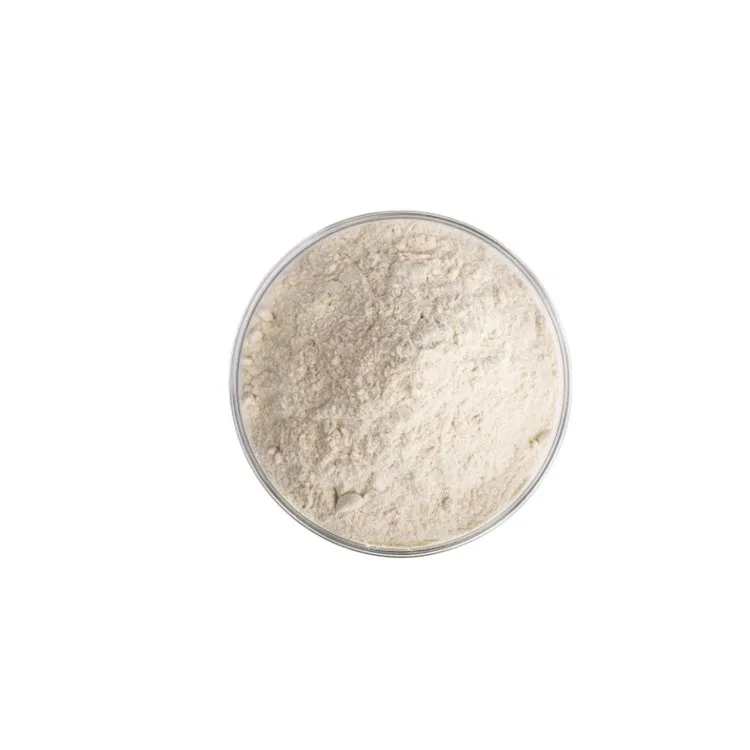
What Is Nattokinase?
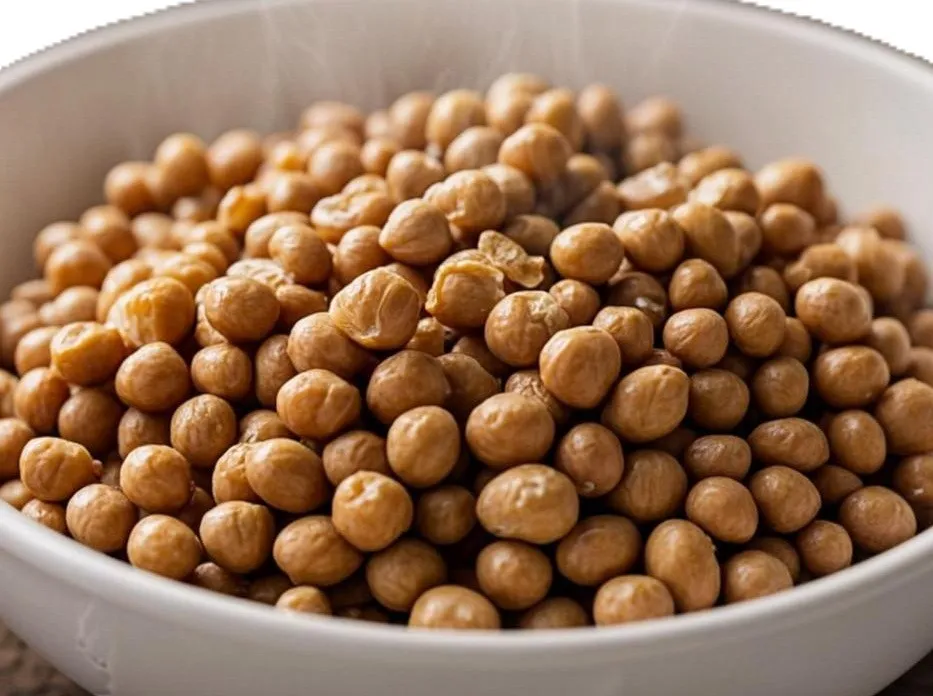
Nattokinase is a potent fibrinolytic enzyme extracted from natto, a traditional Japanese food made from fermented soybeans. It was first discovered in 1987 by Dr. Hiroyuki Sumi at Kurashiki University in Japan, who identified a powerful clot-dissolving enzyme produced by Bacillus subtilis natto during the soybean fermentation process.
The name "nattokinase" combines "natto" (the food source) and "kinase" (an enzyme that acts on a specific substrate). It is a serine protease with a molecular weight of approximately 27,700 daltons and consists of 275 amino acids.
The global nattokinase market is valued at approximately USD 80-120 million (2024) and is growing at 10-13% CAGR, driven by increasing awareness of cardiovascular health, aging populations, and consumer preference for natural alternatives to pharmaceutical blood thinners.
Nattokinase vs. Natto: Understanding the Difference
Aspect Natto (Food) Nattokinase (Extract) Form Fermented soybeans Purified enzyme powder/capsule Nattokinase content Variable (2,000-4,000 FU per serving) Standardized (e.g., 2,000-4,000 FU per capsule) Taste/Odor Strong ammonia-like odor Odorless, tasteless Vitamin K2 High (menaquinone-7) Removed or minimal in purified extract Soy allergens Present Reduced in purified extract Convenience Requires preparation Ready-to-consume supplement Dosing precision Variable Precise (FU units per serving)
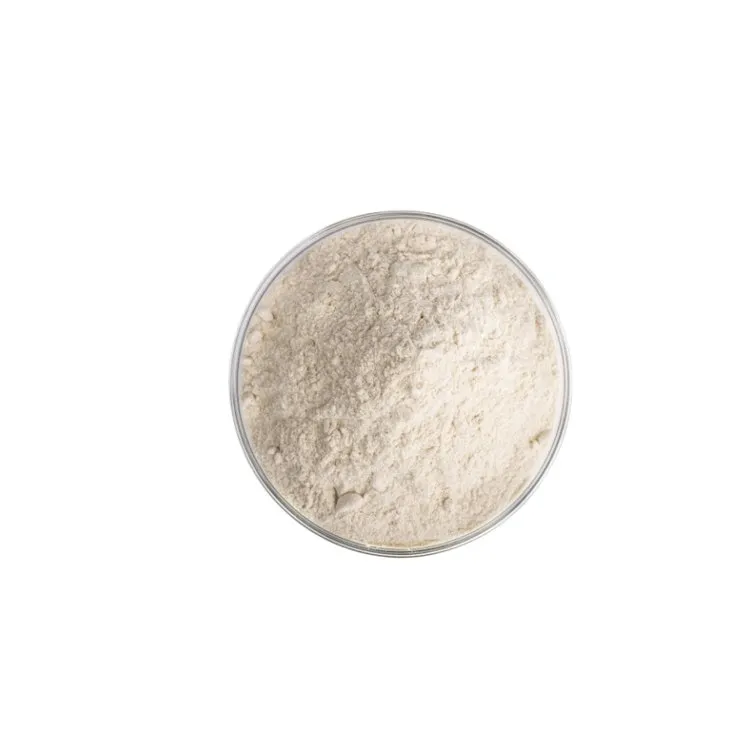
Production Method: Submerged Fermentation
Industrial Fermentation Process
Unlike plant extracts, nattokinase is produced through microbial fermentation:
Process Flow:
Strain selection — Bacillus subtilis natto (strain CK SUMI 3077 or equivalent) is selected and cultured
Seed culture preparation — Bacterial strain is grown in a nutrient-rich seed medium at 37°C for 12-24 hours
Fermentation — Seed culture is transferred to a larger fermentation tank containing:
Soybean meal or soy peptone as the primary nitrogen source
Glucose or starch as the carbon source
Minerals and trace elements
Temperature: 35-40°C, pH: 6.5-7.5
Fermentation duration — Typically 24-48 hours under controlled aeration and agitation
Harvesting — Fermentation broth containing nattokinase is collected
Ultrafiltration — Concentrates the enzyme while removing bacterial cells and debris
Purification — Ion exchange chromatography or membrane filtration for higher purity
Lyophilization (freeze-drying) — Preserves enzymatic activity; spray drying is an alternative
Standardization — Adjusted to target FU (Fibrinolytic Units) per gram
Quality testing — Fibrinolytic activity assay, microbial testing, purity analysis
Yield: Typical nattokinase activity in fermentation broth is 50,000-200,000 FU/mL before concentration
Key Production Parameters
Parameter Optimal Range Impact Fermentation temperature 35-40°C Affects enzyme yield and activity Fermentation pH 6.5-7.5 Optimal for B. subtilis natto growth Aeration rate 0.5-1.5 vvm Oxygen supply critical for aerobic fermentation Soy peptone concentration 2-4% Primary nitrogen source for enzyme production Fermentation time 24-48 hours Longer time may increase yield but risk contamination Drying method Freeze-drying preferred Preserves enzyme activity better than spray drying
Standardization: Understanding FU Units
What Is an FU (Fibrinolytic Unit)?
The FU (Fibrinolytic Unit) is the standardized measure of nattokinase enzymatic activity, defined by the Japanese Nattokinase Standardization Committee:
Definition: 1 FU is defined as the amount of enzyme that produces a clear zone of 1 mm diameter on a fibrin plate assay under standardized conditions (37°C, 24 hours).
This is the internationally recognized standard for nattokinase potency measurement.
Common Nattokinase Grades
Grade Activity (FU/g) Typical Serving Primary Use Standard powder 20,000-30,000 FU/g 100-200 mg (2,000-6,000 FU) General cardiovascular support High-potency powder 40,000-50,000 FU/g 50-100 mg (2,000-5,000 FU) Premium supplements Ultra-potency powder 80,000-100,000 FU/g 25-50 mg (2,000-5,000 FU) Clinical-grade formulations Nattokinase + Vitamin K2 blend 20,000-40,000 FU/g 100-200 mg Comprehensive cardiovascular support Enteric-coated capsules Varies by formulation 2,000-4,000 FU per capsule Enhanced GI survival
Quality Specification Sheet (Nattokinase Powder, 40,000 FU/g)
Parameter Specification Test Method Nattokinase activity ≥40,000 FU/g Fibrin plate method (JNKA standard) Protein content ≥70% Kjeldahl method Moisture ≤8.0% USP <731> Ash ≤5.0% USP <281> Heavy metals Pb ≤2.0 ppm, As ≤1.0 ppm, Cd ≤0.5 ppm, Hg ≤0.1 ppm ICP-MS Microbial limits TPC <1,000 CFU/g, Yeast/Mold <100 CFU/g USP <61>, <62> Bacillus subtilis Negative (non-viable in final product) Microbiological assay Aflatoxin B1 <5 ppb, Total <10 ppb HPLC Residual solvents Ethanol <5,000 ppm (if used) GC (USP <467>) Allergens Soy (declare if present) ELISA
Mechanism of Action
Direct Fibrinolysis
Nattokinase directly degrades fibrin, the protein that forms blood clots:
Fibrin (blood clot)
    │
    ├── Nattokinase directly cleaves fibrin
    │   (fibrinolytic protease activity)
    │
    ├── Nattokinase activates plasminogen → Plasmin
    │   (endogenous fibrinolytic system activation)
    │
    ├── Nattokinase increases t-PA (tissue plasminogen activator)
    │   (enhances body's natural clot-dissolving capacity)
    │
    └── Nattokinase reduces PAI-1 (plasminogen activator inhibitor)
        (removes the brake on natural fibrinolysis)

Result: Enhanced fibrinolytic activity → improved blood flow → reduced clot risk
Blood Pressure Modulation
Nattokinase has demonstrated blood pressure-lowering effects:
ACE inhibition — Mild angiotensin-converting enzyme (ACE) inhibitory activity
Improved endothelial function — Enhanced nitric oxide production
Reduced blood viscosity — Improved blood flow characteristics
Additional Cardiovascular Mechanisms
Mechanism Evidence Level Implication Fibrin degradation Strong (in vitro, animal, clinical) Primary mechanism for cardiovascular support Plasminogen activation Strong (in vitro) Endogenous fibrinolytic enhancement Anti-platelet aggregation Moderate (animal) Complementary anti-clot effect Blood pressure reduction Moderate (clinical) Mild antihypertensive effect Anti-atherosclerotic Growing (animal) Plaque formation prevention Anti-thrombotic Moderate (animal/clinical) Clot prevention
Clinical Evidence Summary
Health Area Key Findings Representative Studies Fibrinolytic activity Single dose of 10 mg nattokinase significantly increased fibrinolytic activity and reduced fibrinogen levels in healthy adults Sumi et al. (1990), J Physiol Sci Blood pressure Nattokinase (2,000 FU/day) significantly reduced systolic (-5.4 mmHg) and diastolic (-2.8 mmHg) blood pressure in hypertensive subjects (8 weeks) Kim et al. (2008), Hypertens Res Deep vein thrombosis prevention Nattokinase (2,000 FU/capsule, 1-2 capsules) reduced DVT incidence in high-risk travelers during long-haul flights Jang et al. (2023), Front Nutr Carotid artery plaque Nattokinase supplementation reduced carotid intima-media thickness and plaque size in atherosclerosis patients (26 weeks) Wu et al. (2023), Front Cardiovasc Med Blood viscosity Significant improvement in whole blood viscosity and plasma viscosity after nattokinase supplementation Chen et al. (2022), Evid Based Complement Alternat Med Alzheimer's disease potential Nattokinase degraded amyloid-beta fibrils in vitro; potential neuroprotective applications Sumi et al. (2022), J Agric Food Chem
Applications in Product Formulation
Cardiovascular Health Supplements
Formulation Type Recommended Grade Typical Dosage Notes Capsules 40,000-50,000 FU/g powder 50-100 mg (2,000-5,000 FU) Standard cardiovascular dose Enteric-coated capsules Encapsulated powder 2,000-4,000 FU per capsule Protects enzyme from stomach acid Softgels Oil-dispersed nattokinase 2,000-4,000 FU Alternative delivery format Combination formulas Nattokinase + 2,000 FU + Monacolin K Comprehensive cardiovascular support Powder sachets Standard powder 100-200 mg Convenience format
Combination Synergies
Combination Rationale Nattokinase + Fibrinolysis + cholesterol management = comprehensive cardiovascular support Nattokinase + Vitamin K2 (MK-7) Cardiovascular protection + calcium metabolism + bone health Nattokinase + Coenzyme Q10 Blood flow + cellular energy; synergistic cardiovascular support Nattokinase + Omega-3 Anti-clot + anti-inflammatory; comprehensive heart health Nattokinase + Garlic extract Fibrinolysis + mild blood pressure support
Formulation Considerations
Enteric coating — Nattokinase is a protein enzyme that may be partially degraded by stomach acid; enteric coating ensures delivery to the small intestine
Temperature sensitivity — Nattokinase is heat-sensitive; avoid high-temperature processing during manufacturing
Storage — Store in cool, dry conditions; enzymatic activity degrades over time with heat and humidity
Shelf life — Typically 24 months when stored properly at room temperature
Sourcing Considerations for B2B Buyers
Key Questions for Suppliers
What is the FU activity per gram? — Verify with independent fibrin plate assay
Is the fermentation process GMP-certified? — Ensures consistent quality and safety
Can you provide batch-to-batch consistency data? — Enzyme activity can vary between batches
Is soy allergen content declared? — Important for allergen-free formulations
What drying method is used? — Freeze-drying preserves more enzymatic activity than spray drying
Is Vitamin K2 present or removed? — Important for customers on blood thinners
Quality Red Flags
Inconsistent FU values between batches — Indicates poor fermentation control or testing accuracy
Missing fibrin plate assay data — FU measurement is the only reliable potency indicator
Unusually high pricing for low FU product — Poor value proposition
No microbial testing — Fermentation products require thorough microbial screening
B. subtilis viable count in final product — Should be non-viable in purified nattokinase
Why Choose Greensky Bio as Your Nattokinase Supplier
GMP-certified production — ISO22000, BRCGS, Ecocert Organic Standard, SGS-GMP certified facilities
Advanced testing capabilities — Independent laboratory with HPLC, GC, UV, ICP-MS for comprehensive quality control
20+ years experience — Established in 2004, with deep expertise in functional ingredient R&D and production
Global market presence — Export to Europe, the United States, South Korea, and Russia
Cardiovascular ingredient portfolio — Complementary to our product line for comprehensive heart health formulations
GreenSky Bio — Professional Natural Plant Extract and Functional Ingredient Manufacturer Since 2004. For inquiries about nattokinase and other cardiovascular health ingredients, .
Related Products: | | |
- ▶ Hesperidin
- ▶ Citrus Bioflavonoids
- ▶ Plant Extract
- ▶ lycopene
- ▶ Diosmin
- ▶ Grape seed extract
- ▶ Sea buckthorn Juice Powder
- ▶ Fruit Juice Powder
- ▶ Hops Extract
- ▶ Artichoke Extract
- ▶ Mushroom extract
- ▶ Astaxanthin
- ▶ Green Tea Extract
- ▶ Curcumin
- ▶ Horse Chestnut Extract
- ▶ Other Product
- ▶ Boswellia Serrata Extract
- ▶ Resveratrol
- ▶ Marigold Extract
- ▶ Grape Leaf Extract
- ▶ New Product
- ▶ Aminolevulinic acid
- ▶ Cranberry Extract
- ▶ Red Yeast Rice
- ▶ Red Wine Extract
- ▶ blog
-
Cactus Extract
2026-10-08
-
Curcumin
2026-10-08
-
Carrageenan Extract Powder
2026-10-08
-
Nettle Root Extract
2026-10-08
-
Epimedium extract powder
2026-10-08
-
5-HTP (5-Hydroxytryptophan)
2026-10-08
-
Baobab Fruit Extract
2026-10-08
-
Chia Seed Powder
2026-10-08
-
Black Pepper Extract
2026-10-08
-
White Peony Extract
2026-10-08
