- 0086-571-85302990
- [email protected]




Ginkgo Biloba Extract Complete Guide: Cognitive Health, Circulation Benefits & Supplier Guide
2026-07-28
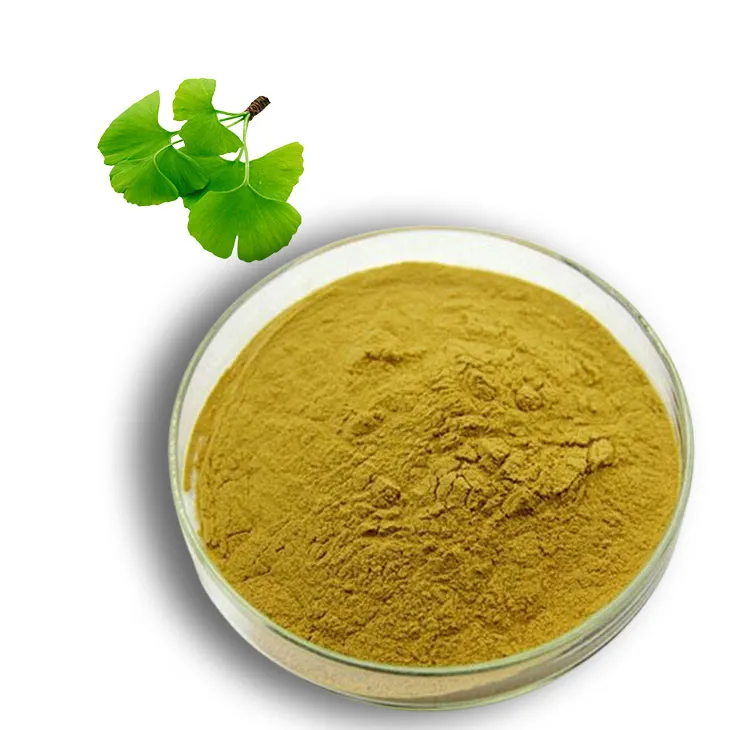
Meta Description: Discover the science behind Ginkgo Biloba Extract (EGb 761 standard), its flavonoids and terpene lactones, proven benefits for brain health and circulation. Request a free quote from Greensky Bio.
Keywords: ginkgo biloba extract, Ginkgo biloba, EGb 761, ginkgo flavone glycosides, terpene lactones, brain health supplement, cognitive support, memory extract, botanical extract supplier China, ginkgolides
Introduction
Ginkgo biloba is often called a "living fossil" — the sole surviving species of an ancient plant lineage dating back 270 million years. It is also one of the most extensively researched herbal medicines in the world, with over 500 published clinical studies examining its effects on cognitive function, peripheral circulation, and antioxidant defense. The standardized extract of Ginkgo biloba leaves, particularly the EGb 761 reference preparation, has become a global benchmark for brain health supplementation. At Greensky Bio, we manufacture premium Ginkgo Biloba Leaf Extract standardized to 24% flavone glycosides and 6% terpene lactones, serving the international dietary supplement, pharmaceutical, and functional food industries.
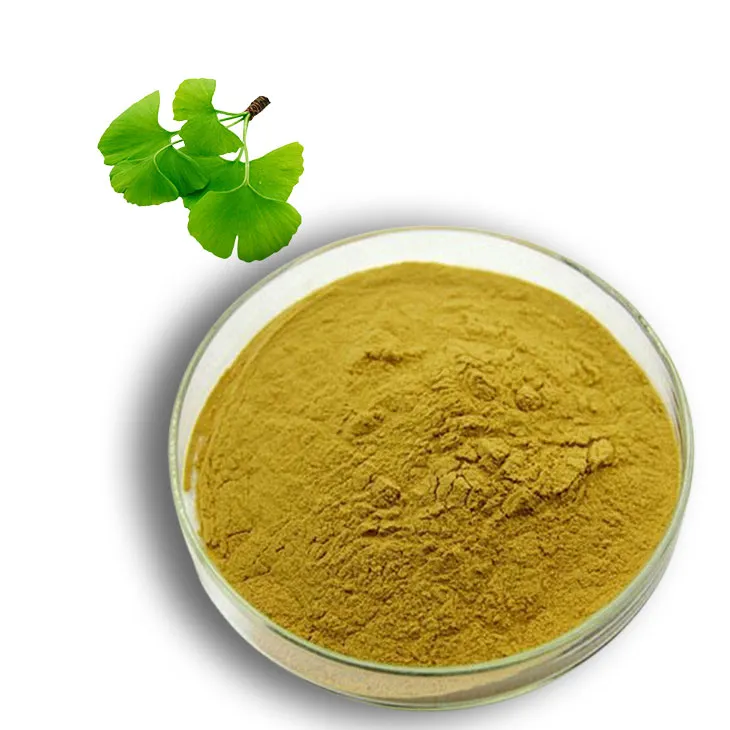
Part 1: What Is Ginkgo Biloba Extract?
Botanical Profile
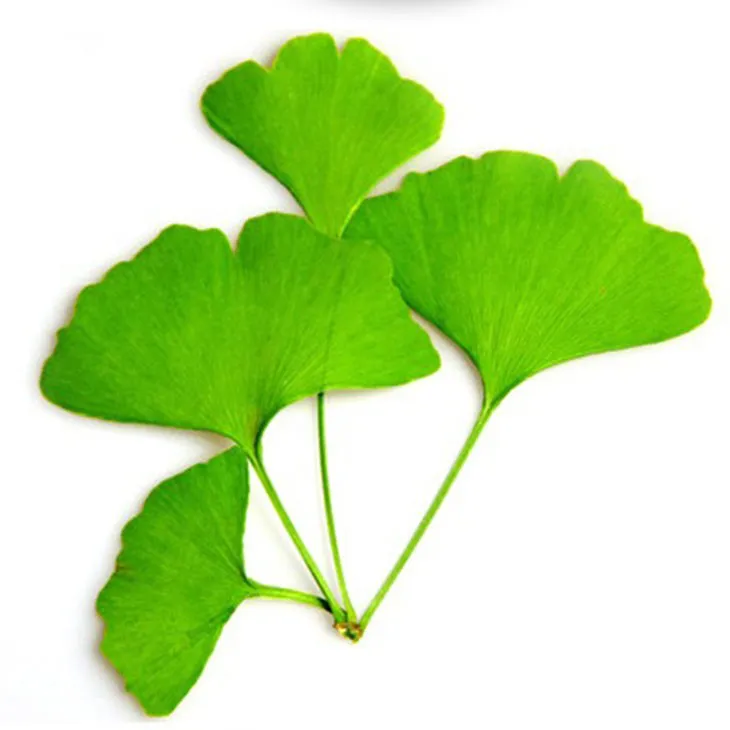
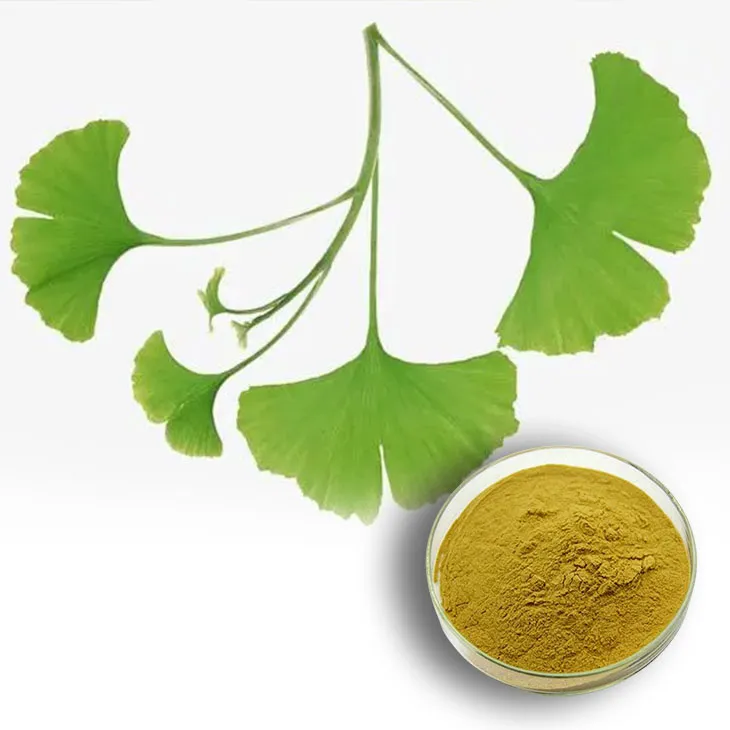
Attribute Details Botanical Name Ginkgo biloba L. Family Ginkgoaceae (the only surviving species) Common Names Ginkgo, Maidenhair Tree, Yin Xing (银杏) Part Used Leaf Major Growing Regions China (Jiangsu, Zhejiang, Shandong, Hubei), France, South Carolina (USA)
Active Compounds
Ginkgo biloba extract contains two primary groups of bioactive compounds that are responsible for its therapeutic effects:
Flavone Glycosides (Standardized to 24%)
Compound Significance Quercetin glycosides Antioxidant, vascular protection Kaempferol glycosides Anti-inflammatory, neuroprotective Isorhamnetin glycosides Antioxidant, vasodilatory
Terpene Lactones (Standardized to 6%)
Compound Typical Content Significance Ginkgolide A 2.4%–3.2% Platelet-activating factor (PAF) antagonist Ginkgolide B 0.8%–1.4% Most potent PAF antagonist, neuroprotective Ginkgolide C 0.8%–1.2% PAF antagonist, anti-inflammatory Bilobalide 2.6%–3.2% Neuroprotective, myelin sheath support
Ginkgolic Acids — Critical Safety Parameter
Ginkgo leaves naturally contain ginkgolic acids, which are potent allergens and cytotoxic. International pharmacopoeia standards require that finished Ginkgo biloba extract contain less than 5 ppm (parts per million) of ginkgolic acids. This is achieved through rigorous purification during the extraction process. Our extracts are tested to confirm compliance with this critical safety threshold.
Specifications We Offer
Specification Appearance Standard Ginkgo Biloba Extract 24/6 Light yellow-green powder HPLC / UV Ginkgo Biloba Extract 24% Flavones / 6% Lactones Yellow-green powder HPLC / UV Ginkgo Biloba Extract 50:1 Brown-green powder UV
The "24/6" specification (24% flavone glycosides, 6% terpene lactones) is the most widely used and pharmacopoeia-aligned standard globally.
Quality Testing
Each batch undergoes comprehensive testing:
Flavone glycosides content (HPLC with aglycone conversion)
Terpene lactones (HPLC-ELSD for ginkgolides A, B, C, and bilobalide)
Ginkgolic acids (HPLC, < 5 ppm required)
Heavy metals (Pb, As, Cd, Hg)
Pesticide residues (multi-residue screening per EU/USP standards)
Microbiological parameters
Solvent residue (ethanol)
Particle size and moisture content

Part 2: Core Benefits & Mechanism of Action
Cognitive Enhancement & Memory Support
Ginkgo biloba extract is the most widely prescribed herbal medicine for cognitive disorders in Europe. A comprehensive meta-analysis published in Human Psychopharmacology (2010) covering 36 randomized controlled trials concluded that EGb 761 (120–240 mg/day) produced statistically significant improvements in cognitive function in patients with dementia and age-related cognitive decline.
Mechanism: Ginkgo biloba extract enhances cerebral blood flow by improving microcirculation and reducing blood viscosity. Flavone glycosides protect neurons from oxidative damage, while terpene lactones (particularly ginkgolide B) act as platelet-activating factor (PAF) antagonists, reducing platelet aggregation and improving blood flow to the brain. Bilobalide has been shown to protect neurons against hypoxia-induced damage and promote remyelination.
Peripheral Circulation Improvement
Ginkgo biloba has well-documented effects on peripheral arterial disease (PAD). The Ginkgo biloba Extract in Peripheral Arterial Disease (GEBPAD) study and multiple other trials have demonstrated improvements in pain-free walking distance in patients with intermittent claudication.
Mechanism: Ginkgo improves endothelial function by increasing nitric oxide (NO) bioavailability and reducing endothelin-1 expression. The PAF antagonism of ginkgolides also contributes to improved microcirculation by reducing platelet aggregation and capillary permeability.
Antioxidant & Free Radical Scavenging
Ginkgo biloba is among the most potent natural antioxidant sources. In vitro studies consistently demonstrate strong DPPH, ABTS, and hydroxyl radical scavenging activity. A study in Free Radical Biology and Medicine showed that Ginkgo extract protects against lipid peroxidation and protein oxidation in brain tissue.
Mechanism: The flavonoid fraction directly scavenges free radicals and chelates transition metals (iron, copper) that catalyze free radical formation. Ginkgo also upregulates endogenous antioxidant enzymes, including superoxide dismutase (SOD) and glutathione peroxidase (GPx).
Anti-Inflammatory Effects
Growing evidence supports the anti-inflammatory properties of Ginkgo biloba extract. A 2018 study in Journal of Neuroinflammation demonstrated that bilobalide inhibited microglial activation and reduced pro-inflammatory cytokine production (TNF-α, IL-6, IL-1β) in neuroinflammatory models.
Mechanism: Ginkgolides inhibit PAF-induced inflammation, while flavonoids suppress NF-κB activation, a master regulator of inflammatory gene expression.
Eye Health & Vision Support
Emerging research has identified Ginkgo biloba extract as beneficial for eye health, particularly in normal-tension glaucoma and age-related macular degeneration. A study published in Journal of Glaucoma (2005) found that Ginkgo biloba extract improved pre-existing visual field damage in patients with normal-tension glaucoma.
Mechanism: Improved ocular blood flow, protection of retinal ganglion cells from oxidative stress, and modulation of vascular endothelial growth factor (VEGF) expression.
Part 3: Wide-Ranging Applications
Dietary Supplements & Pharmaceuticals
Ginkgo biloba extract is formulated into:
Brain health and memory support supplements (capsules, tablets, softgels)
Circulation health formulations (peripheral vascular health)
Multi-ingredient cognitive support blends (combined with Bacopa, Phosphatidylserine, Acetyl-L-Carnitine)
Eye health supplements
Pharmaceutical-grade preparations (EGb 761 and generics approved in multiple countries)
Functional Foods & Beverages
Ginkgo is increasingly incorporated into:
Functional beverages targeting brain health and focus
Energy and cognitive performance drinks
Traditional Chinese medicine-inspired health tonics
Nootropic food products
Cosmetics & Personal Care
Ginkgo biloba extract is valued in topical formulations for:
Anti-aging skincare (free radical protection, collagen support)
Dark circle and eye contour products (microcirculation improvement)
Scalp and hair care (blood circulation stimulation)
Sensitive skin formulations (anti-inflammatory properties)
Animal Health
Applications in:
Senior pet cognitive support supplements
Equine circulation and performance supplements
Aquaculture antioxidant supplementation
Part 4: How to Select Premium Ginkgo Biloba Extract
Standardization is Critical
The gold standard for Ginkgo biloba extract is 24% flavone glycosides and 6% terpene lactones, aligned with the European Pharmacopoeia monograph for EGb 761. Lower-standardized products may not deliver clinically meaningful doses of active compounds. Always verify the specification and testing method.
Ginkgolic Acid Testing is Non-Negotiable
Ginkgolic acids are naturally present in Ginkgo leaves and are classified as sensitizing agents. Products exceeding 5 ppm ginkgolic acids pose allergy risks and fail pharmacopoeia compliance. A reliable supplier must provide ginkgolic acid test results with every batch.
HPLC Testing for Terpene Lactones
Terpene lactones (ginkgolides and bilobalide) require HPLC-ELSD (Evaporative Light Scattering Detector) for accurate quantification, as they lack chromophores for UV detection. UV-only testing cannot accurately measure terpene lactone content. Demand HPLC data for full specification verification.
Raw Material Origin & Season
Ginkgo leaves harvested in autumn (September–November) contain the highest concentrations of flavonoids and terpene lactones. Leaves from Jiangsu and Zhejiang provinces in China are traditionally considered premium quality due to favorable growing conditions.
Regulatory Compliance
Depending on your target market, ensure the extract meets:
European Pharmacopoeia (for EU market)
USP Monograph (for US market)
Chinese Pharmacopoeia (ChP)
FDA GRAS or dietary supplement compliance (US)
Novel Food Regulation compliance (EU)
TGA listing (Australia)
Part 5: Why Choose Greensky Bio
Greensky Bio is an established manufacturer and supplier of premium Ginkgo Biloba Extract:
Pharmacopoeia-aligned specifications: 24/6 standard with full HPLC profiling
Ginkgolic acid control: rigorous testing to ensure < 5 ppm compliance
Third-party verification: SGS, Eurofins, or equivalent independent testing
Autumn-harvested raw materials: from validated growing regions in China
Full documentation package: COA, MSDS, allergen statements, TSE/BSE statements, GMO declarations
Custom development: tailored specifications for specific applications
Regulatory expertise: support for global market registration
Reliable supply: stable quality and consistent delivery
Full certifications: ISO 22000, HACCP, Organic, Kosher, Halal, Non-GMO
Conclusion & Call to Action
Ginkgo Biloba Extract remains one of the most clinically validated and commercially significant botanical extracts in the global market. With extensive research supporting its benefits for cognitive function, peripheral circulation, antioxidant defense, and eye health, it continues to be a cornerstone ingredient in dietary supplements, functional foods, cosmetics, and pharmaceutical products worldwide.
Interested in Ginkgo Biloba Extract? Contact us today for competitive pricing, free samples, and expert technical support.
Our team is ready to provide:
Detailed quotations for any order volume
Free samples for your quality evaluation
Custom specification development
Complete regulatory documentation package
Email us or visit www.greenskybio.com to request your quote today.
- ▶ Hesperidin
- ▶ Citrus Bioflavonoids
- ▶ Plant Extract
- ▶ lycopene
- ▶ Diosmin
- ▶ Grape seed extract
- ▶ Sea buckthorn Juice Powder
- ▶ Fruit Juice Powder
- ▶ Hops Extract
- ▶ Artichoke Extract
- ▶ Mushroom extract
- ▶ Astaxanthin
- ▶ Green Tea Extract
- ▶ Curcumin
- ▶ Horse Chestnut Extract
- ▶ Other Product
- ▶ Boswellia Serrata Extract
- ▶ Resveratrol
- ▶ Marigold Extract
- ▶ Grape Leaf Extract
- ▶ New Product
- ▶ Aminolevulinic acid
- ▶ Cranberry Extract
- ▶ Red Yeast Rice
- ▶ Red Wine Extract
- ▶ blog
-
Lavender Extract
2026-07-28
-
Uridine-5'-monophosphate Disodium salt
2026-07-28
-
Yellow Pine Extract
2026-07-28
-
Rhodiola Rosea Extract
2026-07-28
-
Diosmin
2026-07-28
-
Avocado Extract Powder
2026-07-28
-

5-HTP (5-Hydroxytryptophan)
2026-07-28
-
Resveratrol
2026-07-28
-
Tongkat Ali Extract
2026-07-28
-
Lemon Balm Extract
2026-07-28