- 0086-571-85302990
- [email protected]




Maca Root Extract Complete Guide: Energy, Vitality & Hormonal Balance — Premium Supplier Guide
2026-07-27
Introduction
High in the Peruvian Andes, at altitudes exceeding 4,000 meters, grows a resilient root vegetable that has sustained indigenous populations for millennia. Maca (Lepidium meyenii Walp.) — once the closely guarded energy secret of Incan warriors — has transformed into one of the fastest-growing adaptogenic ingredients in the global wellness market. Today, standardized Maca Root Extract is sought after by supplement manufacturers, food formulators, and cosmetic companies worldwide for its remarkable effects on energy, endurance, and hormonal balance.
Part 1: What Is Maca Root Extract?
Botanical Profile
Latin name: Lepidium meyenii Walp. (synonym: Lepidium peruvianum Chacón)
Family: Brassicaceae (Mustard family)
Primary growing regions: Junín Plateau, Peru (altitudes 3,800-4,500 m)
Part used: Hypocotyl (root/tuber)
Maca is classified into distinct phenotypes based on hypocotyl color — yellow, red, purple, and black — each with subtly different phytochemical profiles and traditional uses. Black maca is particularly valued for energy and stamina, while red maca is traditionally used for prostate and bone health.
Active Compounds
Maca's biological activity is attributed to a unique constellation of bioactive compounds:
Macaenes (macamides): N-benzylamides unique to maca — considered the signature bioactive markers. N-benzyl-5-oxo-6E,8E-octadecadienamide is the most studied macamides
Glucosinolates: Glucotropaeolin, glucobarbarin — sulfur-containing compounds characteristic of Brassicaceae plants
Polyphenols: Flavonoids and phenolic acids with antioxidant activity
Amino acids: Rich in essential amino acids, particularly arginine
Minerals: Iron, iodine, potassium, calcium, magnesium
Sterols: β-sitosterol, campesterol, stigmasterol
Standard Specifications We Supply
Specification Standard Maca Root Extract 4:1 Powder, water-soluble Maca Root Extract 10:1 Concentrated powder Maca Root Extract 20:1 Highly concentrated Maca Powder (gelatinized) Pre-cooked for improved digestibility Maca Extract — Macamides 0.5% HPLC (signature marker) Black Maca Extract Enriched in stamina-associated compounds Red Maca Extract Enriched in prostate-support compounds Organic Maca Powder USDA/EU organic certified
All products are supplied with comprehensive Certificates of Analysis including HPLC testing for macamides, glucosinolate profiling, microbiological analysis, heavy metal screening, and pesticide residue testing per EU and USP requirements.
Part 2: Core Health Benefits & Mechanisms of Action
1. Energy, Stamina & Physical Performance
Maca is perhaps best known for its energizing properties. Unlike stimulants such as caffeine, maca provides sustained energy without the "crash" — making it ideal for athletes, busy professionals, and anyone seeking natural vitality. A randomized, double-blind, placebo-controlled study in Evidence-Based Complementary and Alternative Medicine (2009) found that male cyclists consuming 175 mg/day of maca extract for 14 days significantly improved their 40 km time trial performance (Stone et al., 2009).
The mechanism appears to involve improved mitochondrial efficiency, enhanced glucose utilization, and reduced exercise-induced oxidative stress — rather than central nervous system stimulation.
2. Hormonal Balance & Reproductive Health
Despite popular misconceptions, maca does not contain hormones or directly alter hormone levels. Instead, it acts as an adaptogen — supporting the hypothalamic-pituitary-adrenal (HPA) axis and endocrine system to achieve optimal hormonal function.
Clinical evidence supports maca's role in:
Male fertility: Gonzales et al. (2001, Andrologia) demonstrated that maca supplementation (1,500-3,000 mg/day for 4 months) significantly increased sperm count and motility in healthy men
Female hormonal balance: Maca has been shown to alleviate perimenopausal and menopausal symptoms, including hot flashes, sleep disturbances, and mood changes (Brooks et al., 2008, Menopause)
Libido enhancement: Multiple studies confirm maca's positive effect on sexual desire independent of hormonal changes (Gonzales et al., 2002, CNS Neuroscience & Therapeutics)
3. Mood & Cognitive Support
Maca's flavonoid content has been linked to improved mood and reduced anxiety. A study published in Climacteric (2015) found that maca supplementation significantly reduced psychological symptoms, including depression and anxiety, in postmenopausal women (Lee et al., 2015). Black maca, in particular, has shown promise in animal studies for memory and learning enhancement (Lim et al., 2015, Evidence-Based Complementary and Alternative Medicine).
4. Bone Health
Red maca has been specifically studied for its effects on bone mineral density. Research from Universidad Peruana Cayetano Heredia (Gonzales et al., 2007, Andrologia) demonstrated that red maca protected against bone loss in ovariectomized rats — a model for postmenopausal osteoporosis. This effect is attributed to maca's rich mineral content and specific phytochemicals.
5. Antioxidant & Hepatoprotective Effects
Maca extract exhibits significant free-radical scavenging activity. In vitro studies show strong DPPH and ABTS radical scavenging capacity, comparable to commercial antioxidant standards (Piacenti et al., 2006, Journal of Agricultural and Food Chemistry). Animal studies have also demonstrated hepatoprotective effects against carbon tetrachloride-induced liver damage.
6. Immune Modulation
The glucosinolate content in maca — particularly glucotropaeolin — contributes to immune support. Glucosinolates and their breakdown products (isothiocyanates) have been shown to activate phase II detoxification enzymes, supporting the body's natural defense mechanisms.
Part 3: Wide-Ranging Application Areas
Pharmaceuticals & Dietary Supplements
Energy & vitality capsules: Standalone maca extract or combined with ginseng, ashwagandha, or cordyceps
Men's health formulas: Black maca extract combined with tribulus, saw palmetto, and zinc for male reproductive support
Women's wellness blends: Red maca extract with dong quai, black cohosh, or chasteberry for hormonal balance
Fertility supplements: Maca as a key ingredient in pre-conception and reproductive health formulations
Sports nutrition: Pre-workout and recovery products leveraging maca's endurance-enhancing properties
Functional Foods & Beverages
Energy bars & protein blends: Maca powder incorporated into fitness and wellness food products
Smoothie powders & superfood blends: Part of multi-ingredient green powders and adaptogenic blends
Functional coffees & teas: Maca-infused coffee alternatives and herbal tea blends
Chocolate & confectionery: Maca's malty, butterscotch-like flavor profile pairs beautifully with cacao
Plant-based milks: Added to oat, almond, and hemp milk products for functional benefits
Cosmetics & Personal Care
Anti-aging formulations: Antioxidant protection against environmental stressors
Hair growth products: Maca extract supports scalp circulation and hair follicle health
Body care & massage oils: Traditionally used for vitality and skin nourishment
Men's grooming: Energy and circulation support in skincare targeted at male consumers
Animal Nutrition
Equine performance supplements: Used in racehorse and sport horse nutrition for stamina
Breeding animal nutrition: Supporting reproductive health in livestock and companion animals
Pet wellness supplements: Energy and vitality support for aging dogs and cats
Part 4: Key Factors in Choosing Premium Maca Root Extract
1. Geographic Origin & AltitudeAuthentic Peruvian maca, grown at altitudes above 3,800 meters in the Junín Plateau, produces significantly higher levels of macamides and glucosinolates than maca cultivated at lower altitudes or outside Peru. Origin matters for both efficacy and regulatory compliance.
2. Maca Type (Color Phenotype)Different maca phenotypes have different bioactive profiles:
Yellow maca: Most common, general wellness
Black maca: Highest energy and stamina benefits, preferred for men's health
Red maca: Best for prostate health, bone density, and women's hormonal balanceSpecify the phenotype based on your target application.
3. Gelatinized vs. RawGelatinized maca has been pre-cooked to remove starch (approximately 60% starch reduction), making it more digestible and concentrated in active compounds. For capsules and supplements, gelatinized maca is generally preferred. Raw maca powder is suitable for smoothies and food applications.
4. Macamide Verification (HPLC)Authentic maca quality should be verified by HPLC analysis of macamides — the unique N-benzylamide compounds found exclusively in maca. Products lacking macamides may be adulterated or improperly processed.
5. Processing MethodTraditional sun-drying at high altitude is preferred over artificial drying. Gelatinization should be done at controlled temperatures to preserve heat-sensitive compounds. Avoid products dried at excessive temperatures, which degrade macamides and glucosinolates.
6. Organic CertificationFor premium and clean-label products, USDA Organic and EU Organic certifications guarantee maca grown without synthetic pesticides or fertilizers in its native Peruvian environment.
Part 5: About Greensky Biochem
Greensky Biochem is a reliable supplier of premium Maca Root Extract, sourced directly from high-altitude Peruvian farms and processed to the highest quality standards.
Why choose Greensky:
Authentic Peruvian sourcing: Direct partnerships with growers in the Junín Plateau, altitude 3,800-4,500 m
Full range of specifications: 4:1, 10:1, 20:1 extracts, plus gelatinized powder, organic options, and phenotype-specific extracts (black, red, yellow)
Comprehensive testing: HPLC verification of macamides, glucosinolate profiling, full safety testing panel
Customization: Tailored extract ratios, particle sizes, and custom blends with complementary adaptogens
Technical documentation: Complete CoAs, stability data, and regulatory support for global markets
Competitive pricing: Direct supply chain ensures excellent value without quality compromise
Conclusion & Call to Action
Maca Root Extract has earned its position as one of the world's most popular adaptogenic ingredients — and for good reason. Its unique combination of energy-enhancing, hormonally supportive, and antioxidant properties makes it versatile across multiple product categories, from men's health to sports nutrition to functional foods. The key to a successful maca product lies in sourcing authentic, well-characterized raw material.
Interested in premium Maca Root Extract? Contact Greensky Biochem today for current pricing, free samples, and complete technical documentation. Whether you need standard 10:1 extract, gelatinized powder, or phenotype-specific black or red maca — our team will help you find the perfect specification for your product.
References:
Stone M, et al. "Lepidium meyenii (Maca) improved time trial running performance in trained male cyclists." Evid Based Complement Alternat Med. 2009;6(2):227-233.
Gonzales GF, et al. "Effect of Lepidium meyenii (Maca) on sexual desire and its absent relationship with serum testosterone levels in adult healthy men." Andrologia. 2001;33(6):301-305.
Brooks NA, et al. "Beneficial effects of Lepidium meyenii (Maca) on psychological symptoms and measures of sexual dysfunction in postmenopausal women are not related to estrogen or androgen content." Menopause. 2008;15(6):1157-1163.
Lee MS, et al. "Maca (Lepidium meyenii) for improving menopausal symptoms: A systematic review." Climacteric. 2015;18(2):176-182.
Lim S, et al. "Black maca (Lepidium meyenii) improved memory function in ovariectomized mice." Evid Based Complement Alternat Med. 2015;2015:395636.
Gonzales GF, et al. "Red Maca (Lepidium meyenii) reduced prostate size in rats." Andrologia. 2007;39(2):51-56.
Piacenti JM, et al. "Antioxidant activity of Lepidium meyenii (Maca)." J Agric Food Chem.
- ▶ Hesperidin
- ▶ Citrus Bioflavonoids
- ▶ Plant Extract
- ▶ lycopene
- ▶ Diosmin
- ▶ Grape seed extract
- ▶ Sea buckthorn Juice Powder
- ▶ Fruit Juice Powder
- ▶ Hops Extract
- ▶ Artichoke Extract
- ▶ Mushroom extract
- ▶ Astaxanthin
- ▶ Green Tea Extract
- ▶ Curcumin
- ▶ Horse Chestnut Extract
- ▶ Other Product
- ▶ Boswellia Serrata Extract
- ▶ Resveratrol
- ▶ Marigold Extract
- ▶ Grape Leaf Extract
- ▶ New Product
- ▶ Aminolevulinic acid
- ▶ Cranberry Extract
- ▶ Red Yeast Rice
- ▶ Red Wine Extract
- ▶ blog
-
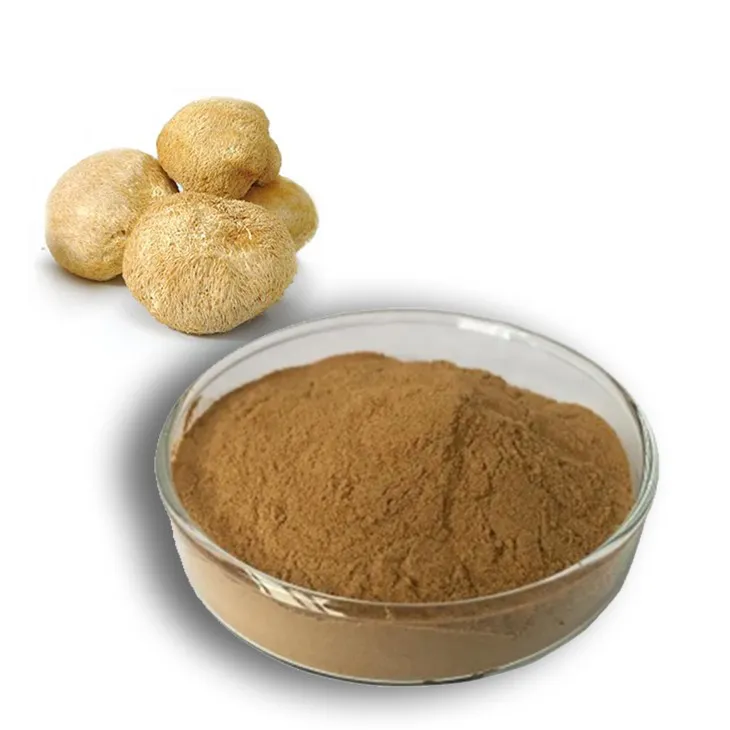
Hericium erinaceus extract powder
2026-07-27
-
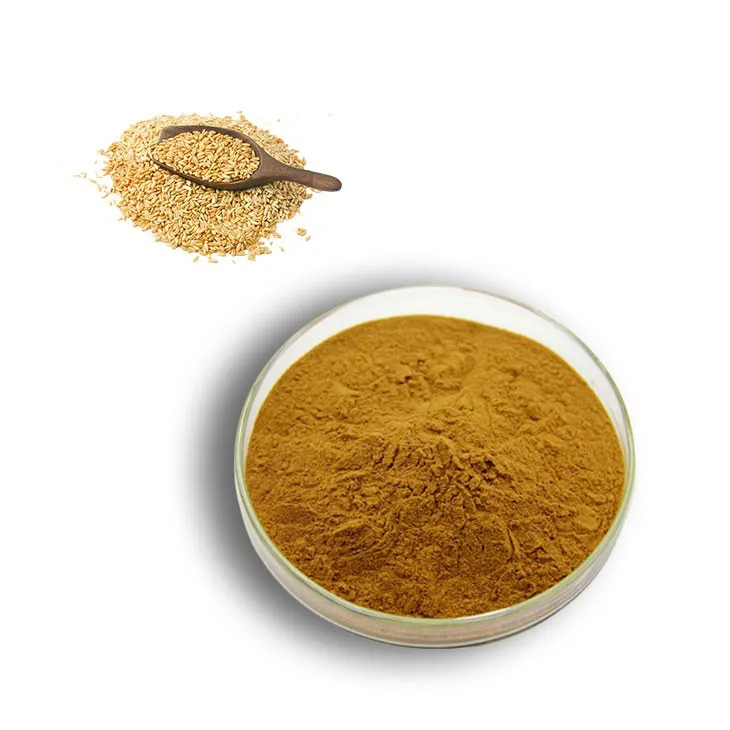
Oat Straw Extract Powder
2026-07-27
-
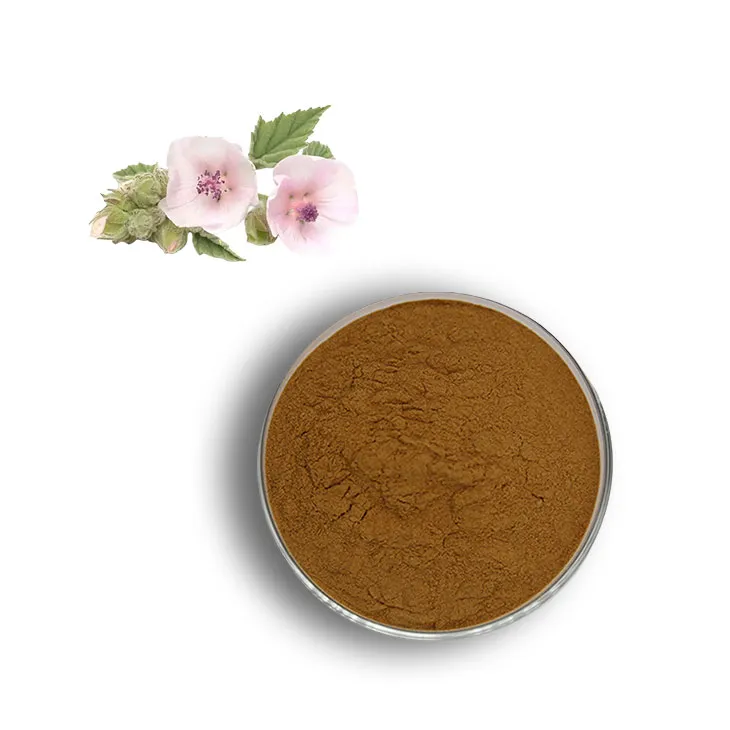
Medicinal Marshmallow Extract
2026-07-27
-
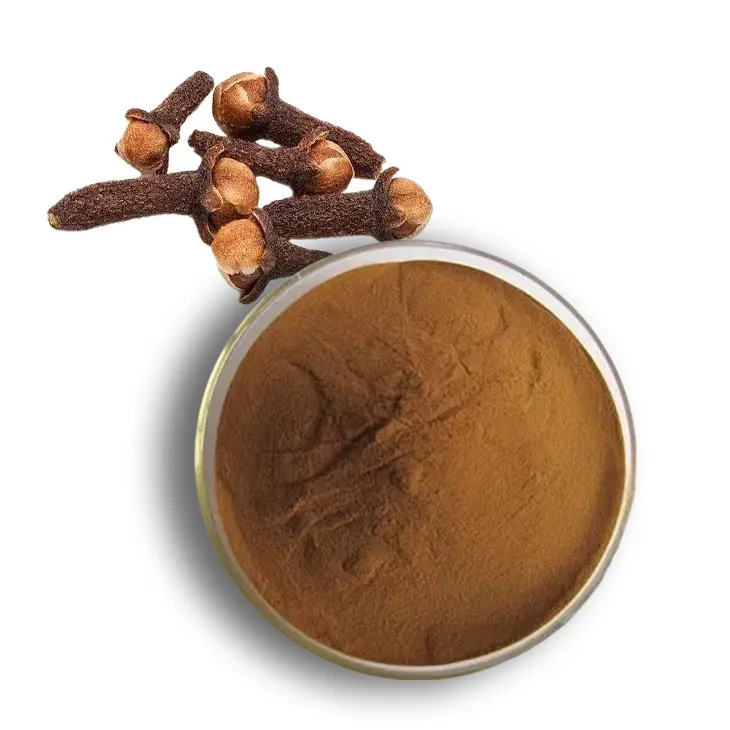
Clove Powder
2026-07-27
-
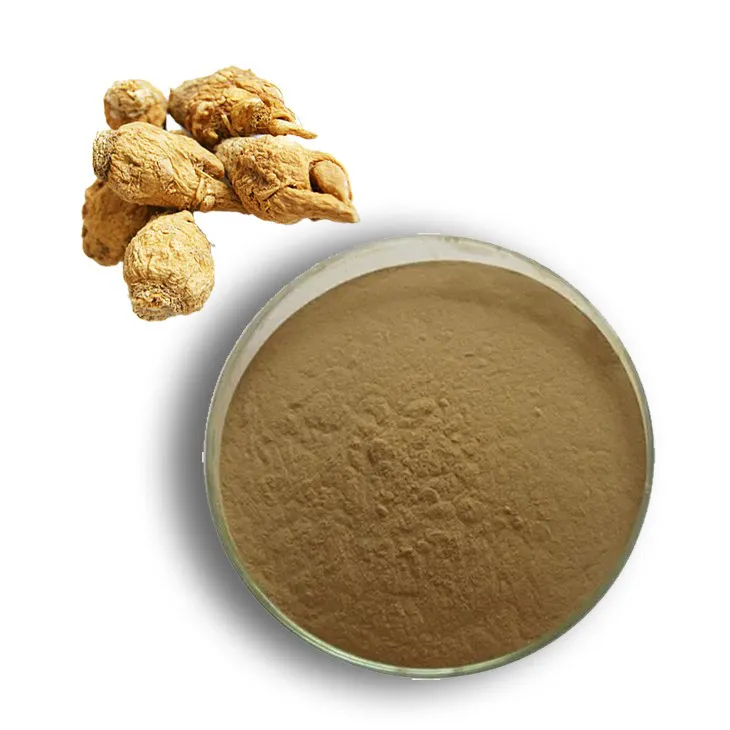
Maca Extract
2026-07-27
-
Scutellaria Extract
2026-07-27
-
Passionflower Extract
2026-07-27
-
Natural grape seed extract
2026-07-27
-
Ginger Extract
2026-07-27
-
Ginseng Root Extract
2026-07-27