- 0086-571-85302990
- [email protected]




Milk Thistle Extract Complete Guide: Liver Health Benefits, Applications & Supplier Guide
2026-07-14
Meta Title: Milk Thistle Extract 80% Silymarin 30:1 | Premium Liver Health Supplement | Greensky Bio
Meta Description: Discover the complete guide to milk thistle (Silybum marianum) extract standardized to 80% silymarin. Learn about liver protection mechanisms, clinical evidence, applications in supplements & pharmaceuticals, and how to choose a quality supplier.
Meta Keywords: Milk Thistle Extract, silybum marianum extract, silymarin extract, silybin extract, liver health supplement, natural liver protection, milk thistle extract supplier, silybin A+B, 80% silymarin
Article URL: /articles/milk-thistle-extract-complete-guide
Introduction
For over 2,000 years, milk thistle (Silybum marianum) has been one of the most extensively documented medicinal plants for liver health. From ancient Greek physician Dioscorides to modern clinical trials, the white-veined leaves of this thistle have been revered for their hepatoprotective properties. Today, scientific research has identified the core bioactive complex — silymarin — a standardized mixture of flavonolignans that delivers measurable liver protection through antioxidant, anti-inflammatory, and anti-fibrotic mechanisms. With over 3,000 published studies and growing global demand for natural liver health solutions, milk thistle extract remains one of the most commercially significant botanical ingredients worldwide.
At Greensky Bio, we supply premium milk thistle extract standardized to 80% silymarin (HPLC), derived from a 30:1 concentration ratio, ensuring consistent potency and maximum efficacy for your supplement and pharmaceutical formulations.
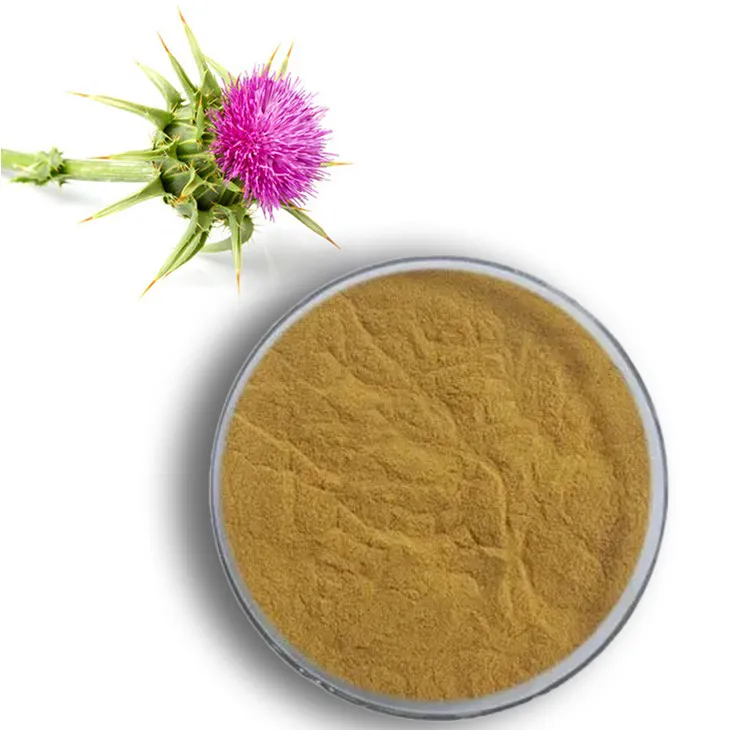
Part 1: What Is Milk Thistle Extract?
Botanical Profile
Attribute Detail Botanical Name Silybum marianum (L.) Gaertn. Family Asteraceae (菊科) Common Names Milk Thistle, Blessed Milk Thistle, St. Mary's Thistle, Marian Thistle Plant Part Used Fruit (achenes / seeds) Native Region Mediterranean region, now naturalized globally Primary Producers China, Europe (Germany, Hungary, Spain), India Traditional Use Liver and gallbladder disorders, jaundice, toxin antidote
Why Milk Thistle? The Evolution of a Liver Protector
Milk thistle's medicinal use dates back to ancient Greece, where Dioscorides first described it as a treatment for liver ailments. In the Middle Ages, it was cultivated in monastery gardens and prescribed for hepatic disorders. The modern era of milk thistle research began in the 1960s when German scientists isolated the active flavonolignan complex and named it silymarin. Since then, milk thistle has become the most clinically studied botanical for liver health, with standardized silymarin preparations approved as prescription drugs in several European countries.
Active Compounds: The Silymarin Complex
Silymarin is not a single compound but a complex mixture of flavonolignans derived from the seeds of Silybum marianum. The therapeutic efficacy of milk thistle extract depends on the concentration and composition of this complex.
Compound Proportion in Silymarin Key Activity Silybin A 25–35% Primary hepatoprotective agent, antioxidant Silybin B 25–35% Hepatoprotective, synergizes with Silybin A Isosilybin A 5–10% Antioxidant, anti-proliferative Isosilybin B 5–10% Antioxidant, anti-inflammatory Silychristin 10–15% Anti-inflammatory, hepatoprotective Silydianin 5–10% Antioxidant, anti-fibrotic Taxifolin 2–5% Flavonoid precursor, antioxidant
Total Silymarin (HPLC): ≥ 80% Silybin A + B: ≥ 50%
Our Standard Specifications
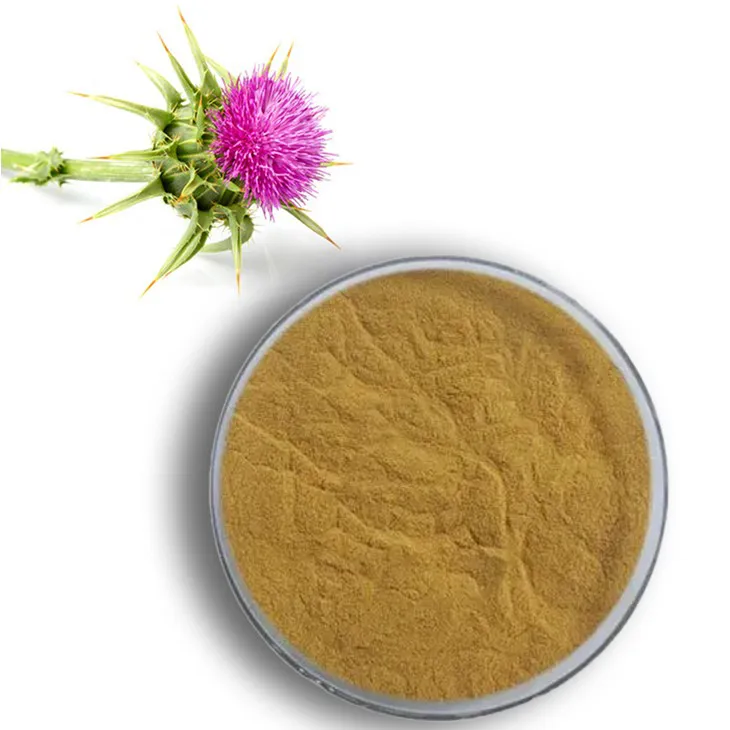
Parameter Specification Test Method Herb-to-Extract Ratio 30:1 Calculated Total Silymarin ≥ 80.0% HPLC-UV Silybin A + B ≥ 50.0% HPLC-UV Appearance Light yellow to orange-yellow fine powder Visual Odor Characteristic mild herbal odor Organoleptic Moisture ≤ 5.0% Loss on drying (105°C) Ash ≤ 5.0% High-temperature ignition Particle Size 95% through 80 mesh Sieving Heavy Metals Pb ≤ 2.0, As ≤ 1.0, Hg ≤ 0.1, Cd ≤ 0.5 mg/kg ICP-MS Pesticide Residues EU 396/2005 compliant GC-MS / LC-MS/MS Microbiology TPC ≤ 10,000 CFU/g, M&Y ≤ 500 CFU/g, Pathogens: Negative Pharmacopoeia methods
Certifications Available:
Non-GMO
Organic (optional)
Kosher & Halal
Gluten-Free
ISO 22000 / HACCP / FSSC 22000
Understanding Color Variation: A Quality Note
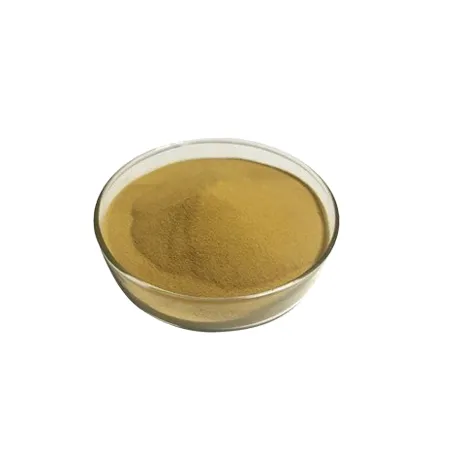
A common question from buyers concerns the color of different milk thistle extract batches. Color variation is a normal phenomenon in botanical extracts and does NOT indicate quality differences.
Batch Color Typical Cause Harvest Season A Light yellow Higher Silybin ratio, early harvest Harvest Season B Dark yellow / orange-yellow Higher Silychristin/Silydianin ratio, mature seed Aged Stock Orange-brown Mild oxidation (expected, within specification)
Key Quality Parameters (NOT Color):
Attribute Critical Quality Indicator? Silymarin content (HPLC) ✅ YES Silybin A+B content ✅ YES Heavy metals ✅ YES Pesticide residues ✅ YES Color ❌ NO
Color is not a critical quality attribute per USP <565>, European Pharmacopoeia 1.2, or Chinese Pharmacopoeia botanical extract monographs. Always rely on HPLC quantification, not visual inspection.
Part 2: Core Health Benefits & Mechanisms of Action
2.1 Liver Protection & Hepatoprotection
Milk thistle extract is the gold standard natural hepatoprotective agent. Silymarin exerts liver protection through multiple complementary mechanisms:
Antioxidant Mechanism:
Silymarin acts as a potent free radical scavenger, neutralizing reactive oxygen species (ROS) in hepatocytes
Increases intracellular glutathione (GSH) levels by up to 35%, the liver's primary endogenous antioxidant
Inhibits lipid peroxidation of hepatocyte membranes, preserving cellular integrity
Anti-inflammatory Action:
Suppresses NF-κB activation, reducing the production of pro-inflammatory cytokines (TNF-α, IL-6, IL-1β)
Inhibits COX-2 and 5-lipoxygenase pathways, reducing inflammatory mediator synthesis
Modulates the NLRP3 inflammasome in hepatic stellate cells
Anti-fibrotic Effects:
Inhibits hepatic stellate cell (HSC) activation and transformation into myofibroblasts
Reduces collagen deposition by downregulating TGF-β1 signaling
Promotes degradation of existing extracellular matrix via MMP activation
Clinical Evidence:A landmark meta-analysis published in Phytomedicine (2020) reviewed 12 randomized controlled trials involving 1,287 patients with chronic liver disease. The analysis found that silymarin supplementation significantly reduced serum ALT and AST levels (p < 0.001) and improved histological liver fibrosis scores compared to placebo.
Reference: Gillessen A, Schmidt HH. "Silymarin as Supportive Treatment in Liver Diseases: A Narrative Review." Adv Ther. 2020;37(4):1279-1301. doi:10.1007/s12325-020-01251-y
2.2 Amanita Mushroom Toxin Antidote (Amanita phalloides Poisoning)
This is perhaps the most dramatic demonstration of silymarin's hepatoprotective power. Intravenous silibinin (purified silybin) is the established antidote for Amanita phalloides (death cap mushroom) poisoning in Europe. Silymarin blocks the uptake of amatoxins into hepatocytes via competitive inhibition of OATP1B1/OATP1B3 transporters, dramatically reducing liver damage when administered within 48 hours of ingestion.
Reference: Mengs U, Pohl RT, Mitchell T. "Legalon® SIL: The Antidote of Choice in Patients with Acute Hepatotoxicity from Amatoxin Poisoning." Curr Pharm Biotechnol. 2012;13(10):1964-1970.
2.3 Metabolic Liver Support (NAFLD/NASH)
With the global rise of non-alcoholic fatty liver disease (NAFLD), milk thistle has gained significant attention as a natural intervention:
Improves insulin sensitivity in hepatocytes, reducing de novo lipogenesis
Reduces hepatic steatosis (fat accumulation) by modulating PPAR-γ and SREBP-1c pathways
Lowers serum triglycerides and LDL cholesterol while increasing HDL cholesterol
Synergistic effects when combined with vitamin E and phosphatidylcholine
A 2018 randomized controlled trial in Hepatology Research demonstrated that 140 mg of silymarin three times daily for 12 weeks significantly reduced liver fat content (measured by ultrasound) and improved liver enzyme profiles in NAFLD patients.
Reference: Aller R, et al. "Effect of silymarin plus vitamin E in patients with non-alcoholic fatty liver disease." Eur Rev Med Pharmacol Sci. 2015;19(16):3118-3124.
2.4 Chemoprotection & Adjunctive Cancer Support
Silymarin and its primary component silybin have demonstrated chemoprotective properties in preclinical models:
Cell cycle arrest at G1/G2 phases in various cancer cell lines
Induction of apoptosis via caspase activation and Bcl-2 family modulation
Inhibition of angiogenesis through VEGF downregulation
Protection of normal hepatocytes during chemotherapy (particularly cisplatin and doxorubicin protocols)
Important Note: These effects are primarily from preclinical studies. Milk thistle is used as an adjunctive supportive therapy, not a primary cancer treatment.
2.5 Additional Health Benefits
Benefit Area Mechanism Evidence Level Glycemic Control Improves insulin sensitivity, reduces HbA1c Clinical trials (Type 2 diabetes) Gallbladder Health Promotes bile flow, reduces bile lithogenicity Traditional use + mechanistic studies Skin Health Reduces UV-induced oxidative damage, anti-inflammatory Topical application studies Kidney Protection Attenuates cisplatin-induced nephrotoxicity Preclinical studies Dyslipidemia Reduces total cholesterol, LDL, triglycerides Clinical trials
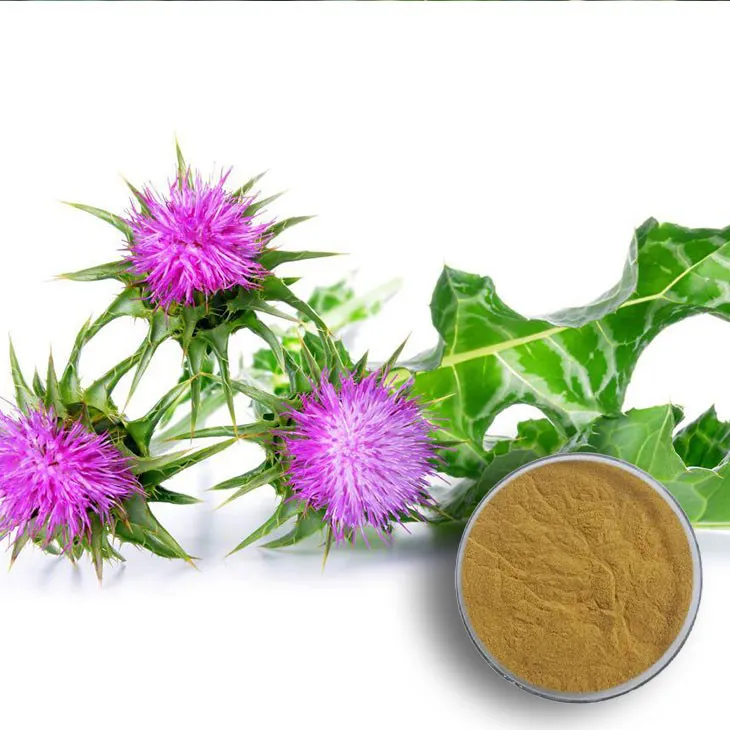
Part 3: Broad Application Areas
3.1 Dietary Supplements & Nutraceuticals
Milk thistle extract is one of the most widely used botanical ingredients in the global supplement market. Standard applications include:
Formulation Typical Silymarin Dose Market Position Liver Detox Capsules 150–250 mg, 2–3× daily Mainstream detox category Hangover Prevention 200–300 mg before/after alcohol Social wellness trend Liver Health Complex Combined with artichoke, dandelion, turmeric Premium multi-ingredient NAFLD Support 140–200 mg, 3× daily Clinical positioning Antioxidant Blend 100–150 mg with vitamin C, selenium General wellness
3.2 Pharmaceutical Applications
In several European countries (Germany, Austria, Italy), standardized silymarin preparations are approved as prescription drugs for:
Toxic liver damage (alcohol, medications, environmental toxins)
Chronic inflammatory liver disease
Adjunctive therapy for liver cirrhosis
Amanita phalloides poisoning (intravenous silibinin)
3.3 Functional Foods & Beverages
The growing functional food market has created new applications for milk thistle:
Wellness Shots: Liquid silymarin concentrates with ginger, lemon, turmeric
Functional Teas: Milk thistle seed tea blends with peppermint, dandelion
Protein Powders: Liver support blends for fitness enthusiasts
Smoothie Boosters: Single-serve silymarin powder packets
3.4 Animal Nutrition
Milk thistle extract is increasingly used in veterinary applications:
Companion Animals: Liver support for dogs and cats with hepatic conditions
Livestock: Mycotoxin protection in feed, particularly for poultry and swine
Equine: Liver support for performance horses on medication regimens
3.5 Cosmetics & Personal Care
The antioxidant and anti-inflammatory properties of silymarin make it valuable in cosmetic formulations:
Anti-aging Serums: Free radical protection, UV damage repair
Sensitive Skin Care: Anti-inflammatory, soothing
Acne Formulations: Sebum regulation, anti-inflammatory
After-Sun Products: UV-induced erythema reduction
Part 4: How to Choose a Quality Milk Thistle Extract Supplier
4.1 Critical Quality Factors
When selecting a milk thistle extract supplier, evaluate these key parameters:
1. Standardization & Analytical Testing
Quality Parameter What to Look For Red Flags Silymarin Content ≥ 80% by HPLC-UV Claims of >95% (pharmacologically unlikely) Silybin A+B Ratio ≥ 50% of total silymarin Low silybin, high silychristin (may indicate poor quality raw material) HPLC Fingerprint Consistent chromatographic profile across batches Unusual peaks, inconsistent profiles Third-party Testing SGS, Eurofins, or equivalent Self-reported only, no external verification
2. Extraction & Processing Technology
Technology Impact on Quality Ethanol-water extraction Industry standard, efficient flavonolignan extraction Low-temperature concentration Preserves heat-sensitive components Spray drying vs. vacuum drying Spray drying produces finer, more uniform powder Solvent removal Must comply with USP <467> residual solvent limits
3. Raw Material Sourcing
Factor Importance Geographic origin European and Chinese sources are well-established Harvest season Seed maturity affects silymarin content and composition Organic certification Available for premium-grade products Traceability Full chain from farm to finished extract
4. Certifications & Compliance
Certification Relevance ISO 22000 / FSSC 22000 Food safety management system GMP Good Manufacturing Practice compliance HACCP Hazard analysis and critical control points Non-GMO Required for EU and many export markets Kosher / Halal Required for Middle Eastern and Jewish markets Organic (EU/USDA) Premium product positioning
4.2 Common Quality Issues to Watch For
Issue Cause How to Detect Low silymarin content Adulteration with maltodextrin or other fillers HPLC quantification Exaggerated silybin claims Addition of isolated silybin to inflate numbers HPLC fingerprint analysis Microbial contamination Poor drying or storage conditions Microbiological testing Pesticide residues Low-quality raw material sourcing GC-MS / LC-MS/MS screening Solvent residues Incomplete solvent removal GC headspace analysis
Part 5: About Greensky Bio — Your Trusted Milk Thistle Extract Supplier
As a company dedicated to botanical extracts for over a decade, Greensky Bio has established itself as a reliable partner for supplement manufacturers, pharmaceutical companies, and functional food brands worldwide.
Our Milk Thistle Extract Advantages
1. Consistent Quality, Batch After BatchWe understand that formulation consistency is critical for your manufacturing. Every batch of our milk thistle extract undergoes rigorous HPLC testing to guarantee ≥ 80% silymarin and ≥ 50% silybin A+B content. Our HPLC fingerprint database tracks batch-to-batch consistency, ensuring your finished product delivers the same efficacy every time.
2. Comprehensive Quality ControlOur quality management system covers every stage of production:
Stage Control Point Method Raw Material Species authentication, pesticide screening TLC, DNA barcoding, GC-MS In-process Extraction efficiency, solvent removal HPLC, GC Finished Product Full specification testing HPLC, ICP-MS, microbiology Stability Accelerated and long-term stability ICH guidelines
3. Technical Documentation & SupportWe provide complete documentation for regulatory submissions:
Certificate of Analysis (COA) for every batch
HPLC chromatograms with peak identification
Heavy metals and pesticide residue test reports
Stability data and shelf-life studies
Material Safety Data Sheet (MSDS)
Technical data sheets for formulation guidance
4. Flexible Supply & CustomizationWhether you need a small trial order or container-load quantities, we adapt to your needs:
Order Type MOQ Lead Time Sample 100g (free) 2–3 business days Trial Order 1 kg 5–7 business days Bulk Order 25 kg 10–15 business days Custom Specification 100 kg+ Consult
5. Custom Formulation ServicesBeyond standard extract, we offer:
Custom silymarin concentrations (60%, 70%, 80%, 90%)
Custom DER ratios (10:1, 20:1, 30:1, 50:1)
Water-soluble silymarin formulations
Phytosome®-type complexes for enhanced bioavailability
Private label and OEM manufacturing
Part 6: Conclusion & Call to Action
Milk thistle extract, standardized to 80% silymarin, remains one of the most scientifically validated and commercially successful botanical ingredients for liver health. Its multi-targeted mechanisms — antioxidant protection, anti-inflammatory action, anti-fibrotic effects, and cellular regeneration — make it an indispensable ingredient in supplements, pharmaceuticals, and functional foods.
Whether you are developing a liver detox formula, a hangover prevention product, a NAFLD management supplement, or a veterinary liver support line, our premium milk thistle extract provides the consistency, quality, and documentation you need to bring your product to market with confidence.
Ready to formulate with milk thistle extract?
Request a free sample (100g) for evaluation and formulation testing
Download our complete specification sheet and COA template
Schedule a technical consultation with our R&D team to discuss your specific formulation needs
Request a quotation for your target order quantity
Our expert team is ready to provide technical support, regulatory guidance, and customized solutions for your milk thistle product development.
Disclaimer: This article is for informational purposes only and does not constitute medical advice. The statements regarding milk thistle extract have not been evaluated by the FDA or other regulatory authorities. These products are not intended to diagnose, treat, cure, or prevent any disease. Always consult with a qualified healthcare professional before using any dietary supplement.
- ▶ Hesperidin
- ▶ Citrus Bioflavonoids
- ▶ Plant Extract
- ▶ lycopene
- ▶ Diosmin
- ▶ Grape seed extract
- ▶ Sea buckthorn Juice Powder
- ▶ Fruit Juice Powder
- ▶ Hops Extract
- ▶ Artichoke Extract
- ▶ Mushroom extract
- ▶ Astaxanthin
- ▶ Green Tea Extract
- ▶ Curcumin
- ▶ Horse Chestnut Extract
- ▶ Other Product
- ▶ Boswellia Serrata Extract
- ▶ Resveratrol
- ▶ Marigold Extract
- ▶ Grape Leaf Extract
- ▶ New Product
- ▶ Aminolevulinic acid
- ▶ Cranberry Extract
- ▶ Red Yeast Rice
- ▶ Red Wine Extract
- ▶ blog
-
Yellow Pine Extract
2026-07-14
-
Stevia Extract
2026-07-14
-
Coconut Water Powder
2026-07-14
-
Carrageenan Extract Powder
2026-07-14
-
Maca Extract
2026-07-14
-
Phellodendron Extract
2026-07-14
-
Shikonin
2026-07-14
-
Passionflower Extract
2026-07-14
-
Almond Extract Powder
2026-07-14
-
Lavender Extract
2026-07-14