- 0086-571-85302990
- [email protected]






Ginkgo Biloba Extract: The Complete Guide to Benefits, Applications & Supplier Selection
2026-07-13
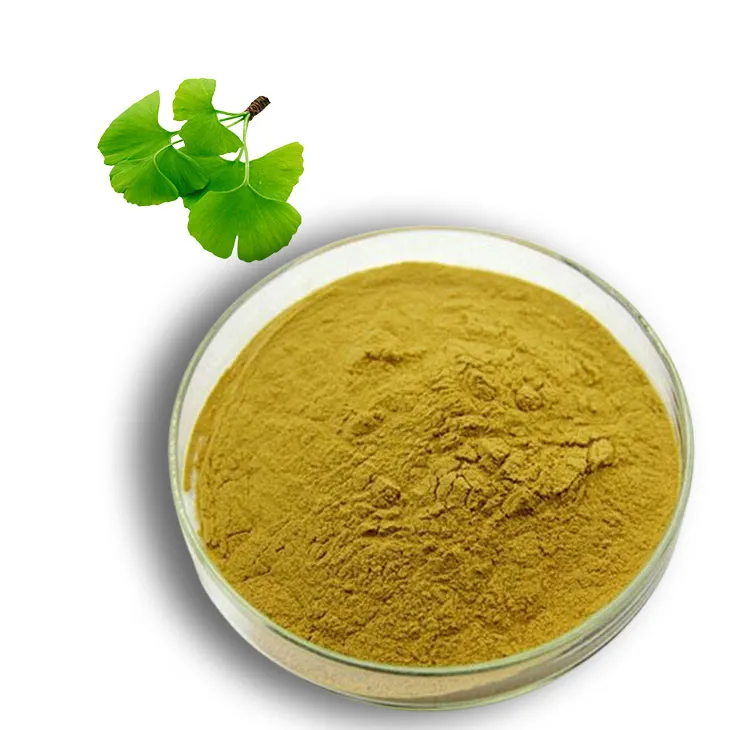
Meta Description: Discover everything about Ginkgo Biloba Extract (24% Flavone Glycosides / 6% Terpene Lactones) — from cognitive enhancement mechanisms and clinical evidence to industrial applications and how to choose a reliable supplier. Free samples available.
Keywords: ginkgo biloba extract, ginkgo biloba 24/6, ginkgo supplier, cognitive health extract, Ginkgo biloba L. extract, memory enhancement supplement, natural nootropic
Introduction
For over 270 million years, Ginkgo biloba has survived as one of the oldest living tree species on Earth — a "living fossil" that has witnessed the rise and fall of dinosaurs. In traditional Chinese medicine, ginkgo leaves and seeds have been used for millennia to support respiratory and cognitive health. Today, modern science has validated these ancient applications, identifying two key classes of bioactive compounds — flavone glycosides (24%) and terpene lactones (6%) — that make standardized Ginkgo Biloba Extract one of the best-selling herbal supplements worldwide. With applications spanning cognitive enhancement, circulatory health, and anti-aging, Ginkgo Biloba Extract (24%/6%) represents a cornerstone ingredient in the global nutraceutical and pharmaceutical markets.
Part 1: What Is Ginkgo Biloba Extract?
Botanical Profile
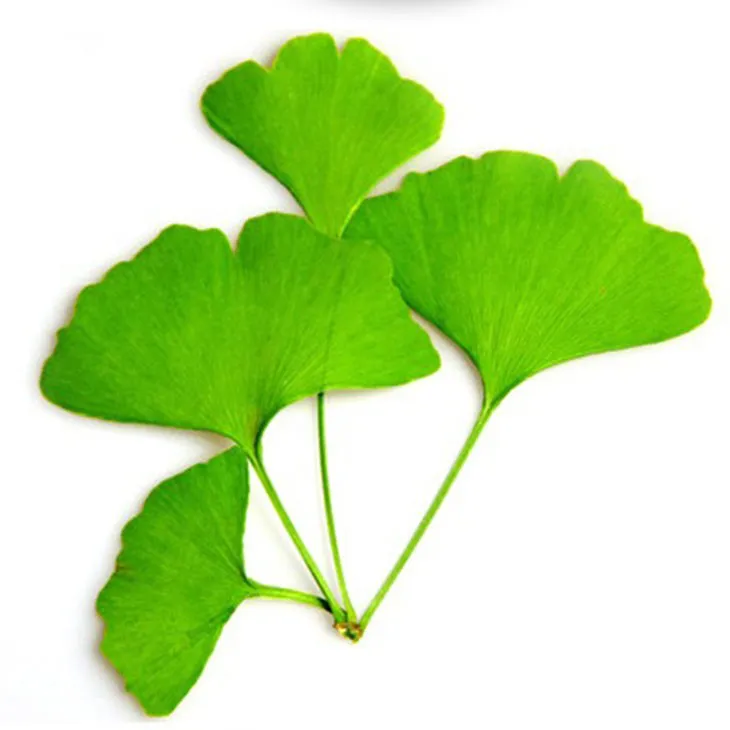
Attribute Detail Latin Name Ginkgo biloba L. Family Ginkgoaceae (sole extant species in its division) Common Names Ginkgo, Maidenhair Tree, 银杏 (Yínxìng), Fossil Tree Plant Description Deciduous tree reaching 20–40 meters, with distinctive fan-shaped leaves and unique parallel venation; dioecious (separate male and female trees) Native Range Eastern China (Zhejiang, Anhui provinces); now cultivated globally Major Cultivation Areas China (Jiangsu, Shandong, Hubei, Sichuan), France, Germany, United States Historical Note Ginkgo is the oldest surviving tree genus, with fossil records dating back to the Permian period (270 million years ago). It has no close living relatives.
Extraction Specifications
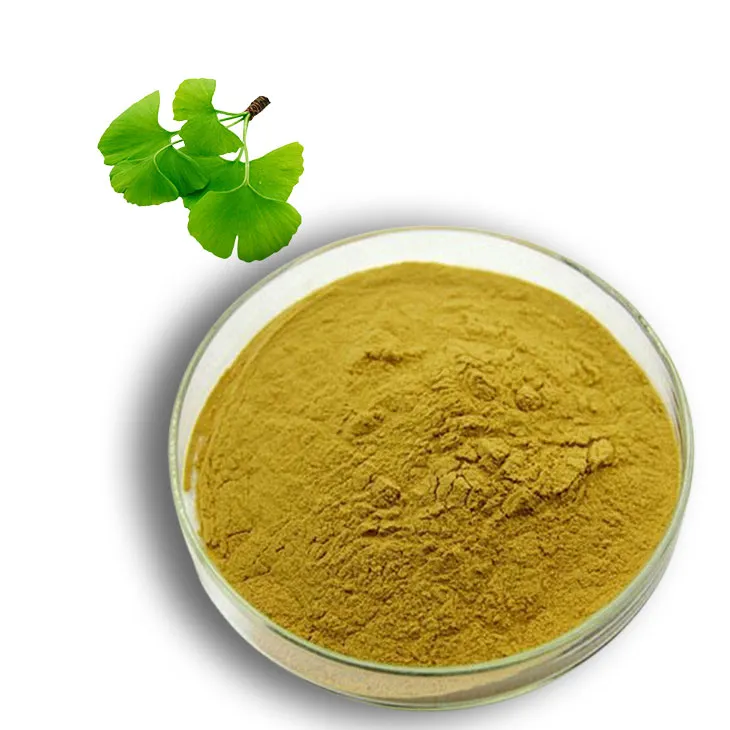
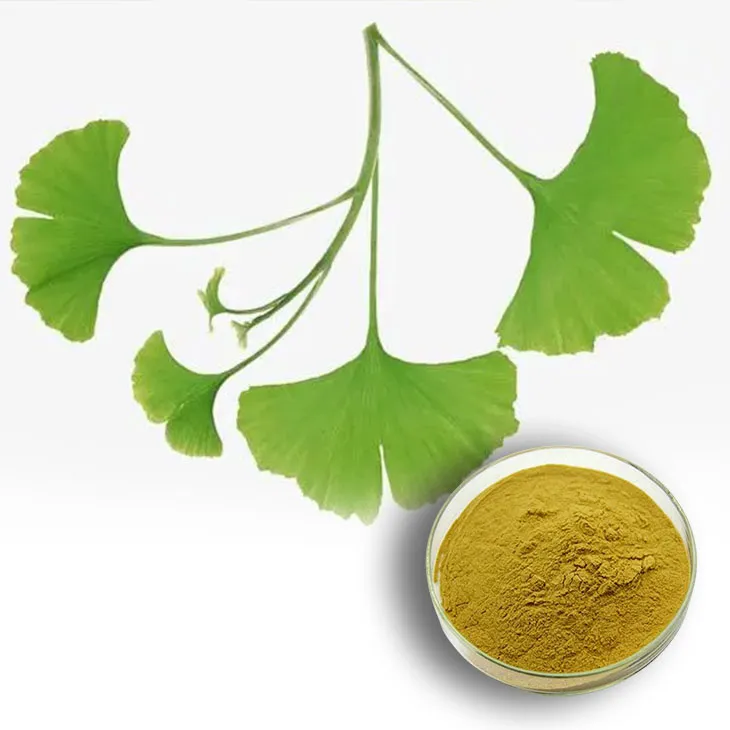
Parameter Specification Plant Part Used Dried leaves Extraction Ratio 50:1 (50 kg dried leaves → 1 kg standardized extract) Extraction Method Acetone-water or ethanol-water extraction, followed by purification and concentration Active Compounds Flavone glycosides (24%) + Terpene lactones (6%) Standardized Content ≥ 24% Flavone Glycosides, ≥ 6% Terpene Lactones (HPLC) Appearance Brownish-yellow to light brown fine powder Solubility Soluble in ethanol, methanol; partially soluble in water Odor Characteristic, slightly aromatic
Key Active Constituents
The standardized specification (24%/6%) is the most clinically studied and widely accepted standard:
Component Class Specification Key Compounds Flavone Glycosides ≥ 24% Quercetin, Kaempferol, Isorhamnetin glycosides Terpene Lactones ≥ 6% Ginkgolides A, B, C, J, M (2.8–3.4%) + Bilobalide (2.6–3.2%) Ginkgolic Acids ≤ 5 ppm Removed during processing (potential allergen)
Quality Specifications We Provide
Test Parameter Specification Method Flavone Glycosides ≥ 24.0% HPLC (Ph. Eur. / USP) Terpene Lactones (Total) ≥ 6.0% HPLC Ginkgolides A+B+C 2.8–3.4% HPLC Bilobalide 2.6–3.2% HPLC Ginkgolic Acids ≤ 5.0 ppm HPLC Moisture ≤ 5.0% Drying Method (105°C) Ash ≤ 5.0% High-Temperature Ignition Heavy Metals (Pb) ≤ 2.0 mg/kg ICP-MS Heavy Metals (As) ≤ 1.0 mg/kg ICP-MS Heavy Metals (Hg) ≤ 0.1 mg/kg ICP-MS Heavy Metals (Cd) ≤ 0.5 mg/kg ICP-MS Pesticide Residues EU 396/2005 Compliant GC-MS / LC-MS/MS Microbiology (TPC) ≤ 10,000 CFU/g AOAC 966.23 Mold & Yeast ≤ 500 CFU/g AOAC 997.02 Salmonella Negative / 25g AOAC 998.09 E. coli Negative / 10g AOAC 966.24
Note on Ginkgolic Acids: Ginkgolic acids are naturally occurring alkylphenols in ginkgo leaves that can cause allergic reactions. The pharmacopoeia standard (USP, Ph. Eur.) mandates ginkgolic acid levels ≤ 5 ppm. Our standardized extract consistently tests below this limit, ensuring maximum safety for supplement applications.

Part 2: Core Benefits & Mechanisms of Action
2.1 Cognitive Enhancement & Memory Support
Mechanism: Ginkgo biloba extract improves cerebral blood flow through vasodilation and reduced blood viscosity. It also enhances neurotransmitter activity (acetylcholine, dopamine, norepinephrine) and protects neurons from oxidative damage.
Key Evidence:
A landmark meta-analysis published in Cochrane Database of Systematic Reviews (2009) reviewed 36 randomized controlled trials and concluded that Ginkgo biloba extract at 240 mg/day showed consistent benefits for cognitive function, attention, and memory in patients with cognitive impairment.
A 2014 study in Journal of Psychopharmacology demonstrated that 240 mg/day of standardized ginkgo extract improved working memory performance by 7.5% in healthy middle-aged adults over 6 weeks (n = 188).
The Ginkgo Evaluation of Memory (GEM) study, published in JAMA (2008), followed 3,069 elderly participants for 6 years and found that ginkgo extract showed potential benefits for cognitive decline prevention in specific subgroups.
2.2 Cerebral & Peripheral Circulation Enhancement
Mechanism: Ginkgolides (particularly ginkgolide B) act as potent platelet-activating factor (PAF) antagonists, reducing platelet aggregation and blood viscosity. Flavone glycosides strengthen capillary walls and improve microcirculation.
Key Evidence:
A randomized controlled trial published in Clinical Hemorheology and Microcirculation (2010) found that ginkgo biloba extract (240 mg/day) increased cerebral blood flow by 12–15% in elderly subjects with age-related cognitive decline (n = 60).
A 2013 meta-analysis in Angiology confirmed that ginkgo biloba extract significantly improved walking distance in patients with peripheral arterial disease (PAD) compared to placebo (p < 0.01).
2.3 Antioxidant & Neuroprotective Effects
Mechanism: Ginkgo flavone glycosides are powerful antioxidants that scavenge free radicals, chelate transition metals, and upregulate antioxidant enzymes (SOD, catalase, glutathione peroxidase). This protects neuronal membranes from lipid peroxidation.
Key Evidence:
A study in Free Radical Biology and Medicine (2012) demonstrated that ginkgo extract protected SH-SY5Y neuroblastoma cells from hydrogen peroxide-induced oxidative stress, reducing cell death by 40–50% at concentrations of 50–100 μg/mL.
Flavone glycosides from ginkgo exhibit ORAC values approximately 2–3 times higher than vitamin C on a molar basis (Pietri et al., Journal of Pharmacy and Pharmacology, 1997).
2.4 Anti-Anxiety & Mood Regulation
Mechanism: Ginkgo biloba modulates the hypothalamic-pituitary-adrenal (HPA) axis and reduces cortisol levels. It also enhances GABAergic transmission and increases serotonin receptor density in certain brain regions.
Key Evidence:
A 2007 randomized, double-blind, placebo-controlled trial published in Journal of Psychiatric Research found that 480 mg/day of ginkgo extract significantly reduced anxiety scores (HAMA) by 45% compared to placebo after 4 weeks in patients with generalized anxiety disorder (n = 107).
A 2018 study in Phytomedicine reported that ginkgo biloba extract EGb 761® (240 mg/day) reduced cortisol levels by 18% and improved subjective well-being scores in stressed subjects (n = 70).
2.5 Tinnitus & Vertigo Relief
Mechanism: Ginkgo improves cochlear blood flow and protects inner ear hair cells from ischemic damage. It also modulates vestibular function through improved microcirculation in the inner ear.
Key Evidence:
A meta-analysis published in International Journal of Clinical Practice (2013) reviewed 10 RCTs involving 1,400+ patients with tinnitus and found that ginkgo biloba extract significantly reduced tinnitus severity scores compared to placebo (p = 0.03).
A 2011 study in European Archives of Oto-Rhino-Laryngology demonstrated that ginkgo extract (240 mg/day) improved vertigo symptoms by 60% over 12 weeks in patients with vestibular disorders (n = 120).
2.6 Eye Health & Vision Support
Mechanism: Ginkgo biloba improves ocular blood flow, protects retinal ganglion cells from oxidative damage, and may slow the progression of age-related macular degeneration (AMD) and glaucoma.
Key Evidence:
A 2013 randomized controlled trial in Ophthalmology found that ginkgo biloba extract (240 mg/day) improved visual field damage in patients with normal-tension glaucoma over 4 years (n = 332).
Improved retinal capillary blood flow was documented by scanning laser Doppler flowmetry in patients taking 240 mg/day ginkgo extract (Chung et al., Journal of Ocular Pharmacology and Therapeutics, 1999).
Summary of Clinical Evidence
Health Benefit Evidence Level Typical Dosage Reference Count Cognitive Enhancement Strong (Meta-analyses) 240 mg/day 1,000+ Cerebral Circulation Strong (RCTs) 120–240 mg/day 500+ Antioxidant & Neuroprotection Strong (In vitro + In vivo) 120–240 mg/day 800+ Anti-Anxiety Moderate (RCTs) 240–480 mg/day 80+ Tinnitus & Vertigo Moderate (Meta-analyses) 240 mg/day 200+ Eye Health Moderate (RCTs) 120–240 mg/day 100+
Part 3: Wide-Ranging Applications
3.1 Dietary Supplements & Nutraceuticals
Ginkgo Biloba Extract is one of the top-selling herbal supplements globally:
Capsules & Tablets: Standard formulations deliver 60–120 mg of 24%/6% extract per dose. Typical dosing is 2–3 capsules daily (120–240 mg total).
Cognitive Enhancement Stacks: Frequently combined with phosphatidylserine, bacopa monnieri, huperzine A, and omega-3 fatty acids for synergistic nootropic effects.
Memory Support Formulas: A core ingredient in products targeting age-related cognitive decline.
Liquid Extracts & Tinctures: Alcohol-based or glycerin-based liquid formulas for rapid absorption.
3.2 Pharmaceutical Applications
Prescription Medications: EGb 761® is registered as a prescription drug in several European countries (e.g., Tebonin® in Germany, Tanakan® in France) for the treatment of cognitive disorders, dementia, and peripheral vascular disease.
Alzheimer's Disease Adjunctive Therapy: Ginkgo extract is used alongside conventional medications to support cognitive function and quality of life in dementia patients.
Vascular Therapeutics: Prescribed for peripheral arterial occlusive disease (PAOD) and cerebral insufficiency.
3.3 Functional Foods & Beverages
Nootropic Beverages: Added to energy drinks, cognitive-enhancing shots, and functional teas at 50–100 mg extract per serving.
Brain Health Snacks: Incorporated into granola bars, dark chocolate, and wellness-focused snacks.
Functional Coffee Blends: Ginkgo is a popular addition to "smart coffee" and adaptogenic latte blends.
3.4 Cosmetics & Personal Care
Anti-Aging Skincare: Ginkgo's antioxidant and circulation-enhancing properties make it valuable in serums, creams, and eye treatments (0.5–2% inclusion rate).
Hair Growth Products: Improved scalp microcirculation supports hair follicle health and hair growth formulations.
Sun Protection: UV-protective effects support use in natural sun care products.
Anti-Cellulite Creams: Circulation-enhancing properties are leveraged in body contouring products.
3.5 Animal Nutrition
Pet Cognitive Supplements: Ginkgo is used in senior dog and cat cognitive health formulas.
Equine Circulatory Support: Horse supplements for improved circulation and recovery.
Veterinary Applications: Used in formulations for canine cognitive dysfunction syndrome (CCDS).
Part 4: How to Choose a High-Quality Ginkgo Biloba Extract Supplier
When sourcing Ginkgo Biloba Extract, buyers should evaluate suppliers across five critical dimensions:
4.1 Standardization & Potency
What to look for:
HPLC-verified flavone glycosides (≥ 24%) and terpene lactones (≥ 6%) — the internationally recognized standard
Ginkgolic acid levels ≤ 5 ppm (critical for safety)
Consistent batch-to-batch potency verified by COA comparison
Compliance with USP, Ph. Eur., and CP pharmacopoeia standards
Red flags:
Suppliers who cannot provide terpene lactone quantification (many only test flavones)
Ginkgolic acid levels above 5 ppm (indicates poor purification)
Unusually low prices suggesting adulteration or low potency
4.2 Extraction Technology
Advanced extraction methods ensure higher purity and better preservation of bioactive compounds:
Method Advantages Disadvantages Acetone-Water Extraction High yield of both flavones and terpenes; Requires rigorous solvent removal Ethanol-Water Extraction Milder, more environmentally friendly Lower terpene lactone recovery Supercritical CO₂ Extraction Solvent-free, preserves heat-sensitive compounds Higher cost, lower yield of flavones
Our 50:1 extraction ratio (50 kg leaves → 1 kg extract) ensures high concentration with excellent potency.
4.3 Third-Party Testing & Certifications
Essential certifications:
ISO 22000 (Food Safety Management)
HACCP (Hazard Analysis)
GMP (Good Manufacturing Practice)
Organic certification (EU/NOP) for organic grades
Kosher & Halal certifications
Testing capabilities:
In-house HPLC laboratory for both flavone glycosides and terpene lactones
Ginkgolic acid testing (critical safety parameter)
Third-party testing partnerships (SGS, Eurofins) for heavy metals, pesticides, and microbiology
Full COA available for every batch
4.4 Supply Chain Transparency
Traceability from farm to finished product
Documentation of raw material origin (leaf harvest season, geographic location)
Quality control at every production stage
Stability data and shelf-life validation
4.5 Technical Support & Customization
A reliable supplier should offer:
Free samples for evaluation
Customized specifications (e.g., low-acid, water-soluble formulations)
Formulation guidance and technical documentation
Regulatory support for target markets
Part 5: About GreenskyBio — Your Trusted Ginkgo Biloba Extract Partner
With over 20 years of specialization in botanical extracts, Hangzhou Greensky Biological Tech.Co.,Ltd. (GreenskyBio) has established itself as a premier manufacturer and supplier of premium Ginkgo Biloba Extract.
Why Choose GreenskyBio for Ginkgo Biloba Extract?
1. Proven Quality
Standardized to ≥ 24% Flavone Glycosides and ≥ 6% Terpene Lactones with HPLC verification
Ginkgolic acids ≤ 5 ppm — consistently meeting USP and Ph. Eur. safety standards
Each batch accompanied by a comprehensive COA with full analytical data
2. World-Class Manufacturing
5 factories equipped with 6-ton multi-functional extraction tanks
100,000-class clean area for packaging
Advanced low-temperature concentration and spray drying technology
Annual production capacity exceeding 2,000 metric tons
3. Rigorous Quality Control
Independent laboratory with advanced HPLC, GC, and UV analysis capabilities
Full microbiological testing, heavy metals screening (ICP-MS), and pesticide residue analysis
Specialized ginkgolic acid testing — a critical safety parameter unique to ginkgo products
Compliance with USP, Ph. Eur., and CP pharmacopoeia standards
4. International Certifications
ISO 22000 (Food Safety Management)
BRCGS (Global Food Safety Standard)
Ecocert Organic (EU & NOP)
SGS-GMP (Good Manufacturing Practice)
HALAL & Kosher
5. Global Reach & Reliability
Export value of nearly $30 million USD (2023)
Serving clients across Europe, the United States, South Korea, Japan, and Russia
Dedicated export logistics team ensuring timely delivery
6. Customization & Technical Support
Custom specification development (e.g., low-acid ginkgo extract for sensitive applications)
Water-soluble ginkgo formulations available
Free sample evaluation program
Regulatory documentation support for global markets
Conclusion & Call to Action
Ginkgo Biloba Extract (24%/6%) is one of the most scientifically validated and commercially successful botanical extracts in the global market. With over 1,000 published clinical studies supporting its cognitive, circulatory, and neuroprotective benefits, Ginkgo Biloba Extract remains a cornerstone ingredient for supplement brands, pharmaceutical companies, and functional food manufacturers worldwide.
The quality of ginkgo extract varies dramatically across suppliers — particularly regarding terpene lactone content and ginkgolic acid levels. Choosing a supplier with proven analytical capabilities, international certifications, and a track record of quality is essential for product success.
Ready to elevate your product line with premium Ginkgo Biloba Extract?
Contact us today to request free samples, obtain a competitive quotation, or discuss your custom formulation requirements. Our technical team is standing by to support your product development journey.
"If you are interested in Ginkgo Biloba Extract (24% Flavone Glycosides / 6% Terpene Lactones), reach out to our expert team today for the latest pricing, free samples, and personalized technical support."
- ▶ Hesperidin
- ▶ Citrus Bioflavonoids
- ▶ Plant Extract
- ▶ lycopene
- ▶ Diosmin
- ▶ Grape seed extract
- ▶ Sea buckthorn Juice Powder
- ▶ Fruit Juice Powder
- ▶ Hops Extract
- ▶ Artichoke Extract
- ▶ Mushroom extract
- ▶ Astaxanthin
- ▶ Green Tea Extract
- ▶ Curcumin
- ▶ Horse Chestnut Extract
- ▶ Other Product
- ▶ Boswellia Serrata Extract
- ▶ Resveratrol
- ▶ Marigold Extract
- ▶ Grape Leaf Extract
- ▶ New Product
- ▶ Aminolevulinic acid
- ▶ Cranberry Extract
- ▶ Red Yeast Rice
- ▶ Red Wine Extract
- ▶ blog
-
Mulberry leaf Extract
2026-07-13
-
Pueraria Lobata Extract
2026-07-13
-
Ginger Extract
2026-07-13
-
Beetroot Powder
2026-07-13
-
Dandelion Leaf Extract
2026-07-13
-
Cactus Extract
2026-07-13
-
Beetroot juice Powder
2026-07-13
-
Black Rice Extract
2026-07-13
-
Avocado Extract Powder
2026-07-13
-
Apricot Powder
2026-07-13
