- 0086-571-85302990
- [email protected]


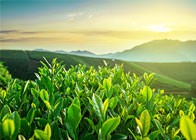


Green Tea Extract: EGCG, Antioxidant Power, and Sourcing Guide for Supplement Brands
2026-10-03
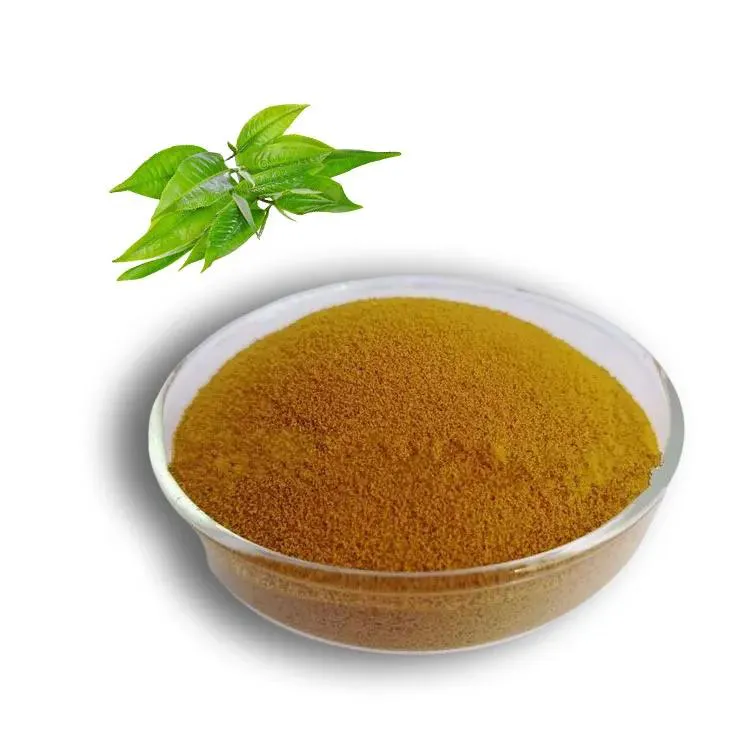
Green Tea Extract: EGCG, Antioxidant Power, and Sourcing Guide for Supplement Brands
Date: 2026-09-29 | Author: Greensky Bio Research Team
Introduction: Why Green Tea Extract Dominates the Antioxidant Market
Green Tea Extract is one of the most commercially significant botanical extracts worldwide, with the global market valued at over USD 300 million and growing steadily. Its popularity stems from a rare combination: overwhelming scientific evidence for health benefits, broad consumer familiarity, and versatile application across dietary supplements, functional beverages, cosmetics, and even sports nutrition products.
For B2B buyers sourcing Green Tea Extract, understanding the differences between standardization levels, extraction quality, and supplier capabilities is essential. This guide, from Greensky Bio — a professional plant extract manufacturer since 2004, covers everything you need to make an informed sourcing decision.
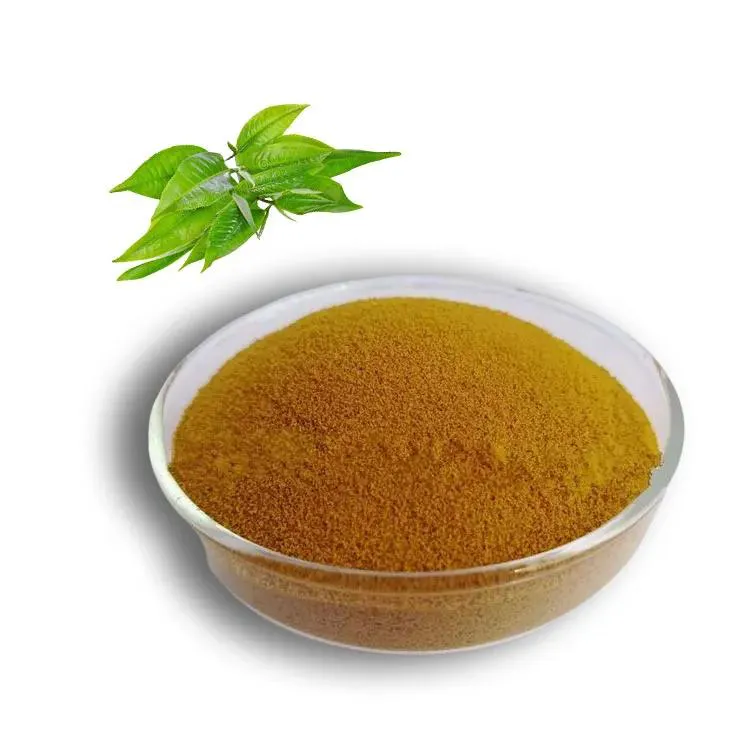
Key Active Compounds: The Science Behind Green Tea Extract
Catechins: The Star Molecules
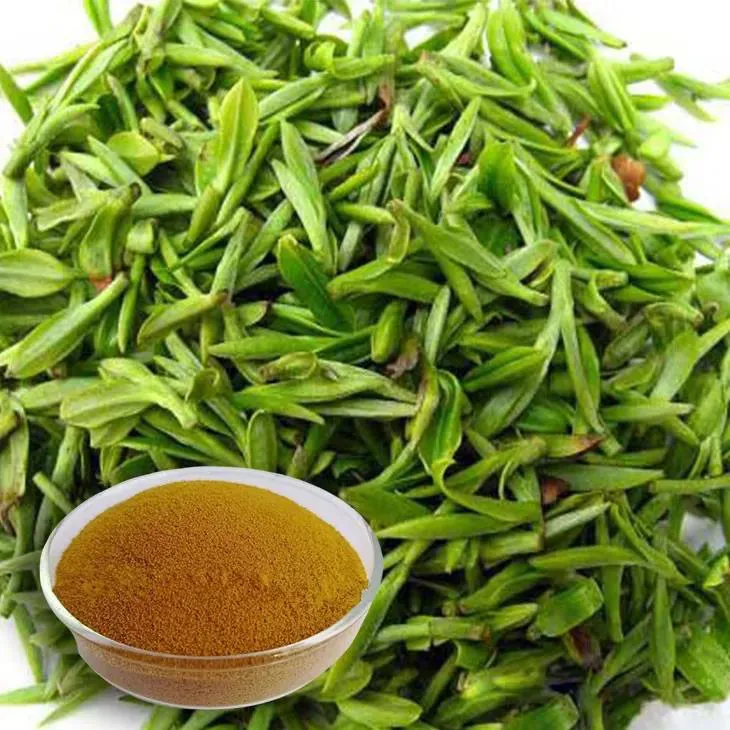
Green tea (Camellia sinensis) leaves contain a class of polyphenols called catechins, which account for 30–40% of the dry weight of the leaf. The four primary catechins are:
EGCG (Epigallocatechin Gallate): The most abundant and biologically active catechin, responsible for the majority of green tea's antioxidant, anti-inflammatory, and metabolic effects. Premium extracts are standardized to 50–98% EGCG content.
ECG (Epicatechin Gallate): Contributes to antioxidant activity and lipid metabolism support.
EGC (Epigallocatechin): A non-gallated catechin with anti-inflammatory properties.
EC (Epicatechin): Supports cardiovascular health and endothelial function.
Total Polyphenols
In addition to individual catechins, many Green Tea Extract specifications include a total polyphenol content measured by the Folin-Ciocalteu method. Typical standardization levels range from 50% to 95% total polyphenols, with EGCG representing 40–60% of the total polyphenol fraction.
L-Theanine
While most commercial Green Tea Extracts focus on catechins, some specifications also include L-theanine — a unique amino acid that promotes relaxation without drowsiness. This compound is of particular interest in nootropic and stress-support formulations.
Evidence-Based Health Benefits
Antioxidant Protection and Cellular Health
EGCG is one of the most potent natural antioxidants identified, with an Oxygen Radical Absorbance Capacity (ORAC) value significantly higher than many common antioxidants. Research published in the Journal of the American College of Nutrition demonstrated that Green Tea Extract's antioxidant capacity is 100 times greater than Vitamin C and 25 times greater than Vitamin E in certain assays.
Unlike synthetic antioxidants, EGCG works through multiple mechanisms:
Direct free radical scavenging via its multiple hydroxyl groups
Upregulation of endogenous antioxidant enzymes (SOD, catalase, glutathione peroxidase)
Chelation of pro-oxidant transition metals (iron, copper)
Inhibition of lipid peroxidation in cell membranes
Metabolic Support and Weight Management
One of the most commercially significant applications of Green Tea Extract is in weight management supplements. A meta-analysis of 11 randomized controlled trials published in the International Journal of Obesity found that Green Tea Extract containing catechins and caffeine produced statistically significant reductions in body weight and body fat compared to placebo.
The mechanism involves:
Thermogenesis: Catechins and caffeine synergistically increase energy expenditure by 3–4%
Fat oxidation: EGCG enhances fat burning during exercise by up to 17%
Carbohydrate metabolism: Catechins inhibit carbohydrate-digesting enzymes, moderating blood sugar spikes
Cardiovascular Health
Extensive epidemiological data links regular green tea consumption with reduced cardiovascular disease risk. Green Tea Extract supplementation has been shown to:
Reduce LDL cholesterol by 3–7% in hypercholesterolemic individuals
Improve endothelial function and arterial elasticity
Modestly lower blood pressure (2–3 mmHg systolic)
Reduce oxidative modification of LDL particles
Cognitive Function and Neuroprotection
Emerging research suggests EGCG crosses the blood-brain barrier and exerts neuroprotective effects. Animal studies and early human trials indicate potential benefits for:
Memory and attention (particularly when combined with L-theanine)
Reduction of amyloid-beta plaque formation (Alzheimer's-related research)
Protection against oxidative stress-induced neuronal damage
Extraction Methods: From Leaf to Standardized Extract
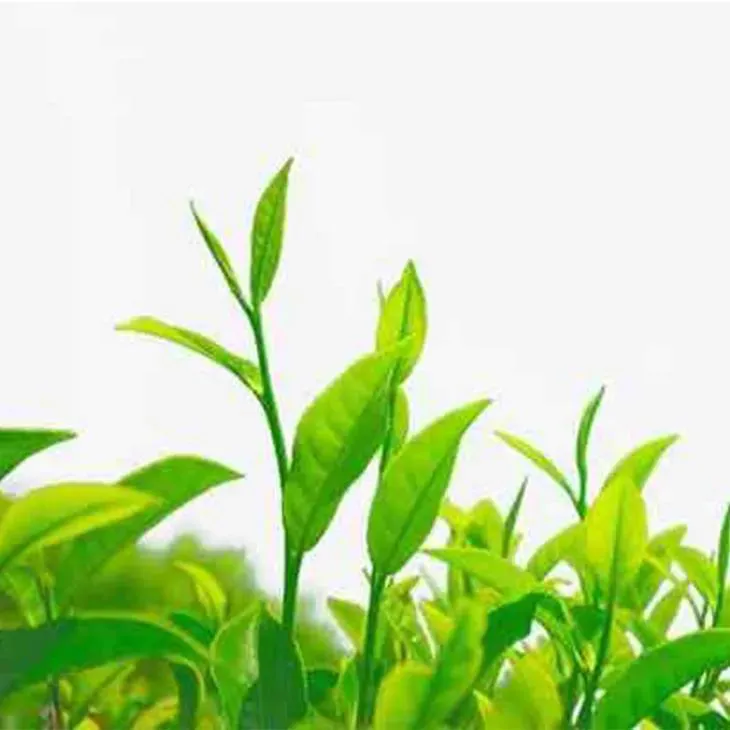
The quality of Green Tea Extract depends critically on the extraction and purification process.
Water Extraction and Solvent Purification
The most common industrial process involves:
Hot water extraction of dried green tea leaves at 80–90°C to dissolve catechins and polyphenols
Filtration and concentration to remove insoluble plant material and reduce volume
Solvent extraction using ethyl acetate to selectively concentrate catechins from the aqueous solution
Resin adsorption chromatography for further purification and EGCG enrichment
Spray drying to produce a stable, free-flowing powder
Common Standardization Levels
| Specification | Total Polyphenols | EGCG | Typical Applications |
|---|---|---|---|
| Standard | 50–70% | 30–45% | Functional beverages, general supplements |
| High-potency | 80–90% | 50–70% | Weight management, targeted antioxidant formulas |
| Premium | 90–95% | 80–98% | Pharmaceutical research, clinical-grade supplements |
Quality Indicators and Testing Requirements
Caffeine Content
Green Tea Extract naturally contains caffeine, and the content varies by specification. Buyers should verify caffeine levels match their product requirements:
Standard extracts: Typically contain 2–5% caffeine
Decaffeinated extracts: Less than 0.5% caffeine (suitable for evening-use products and sensitive populations)
Caffeine-free: Less than 0.1% caffeine (for specialized formulations)
Heavy Metals and Pesticide Residues
Tea plants are known to accumulate heavy metals from soil, making rigorous testing essential. Reputable manufacturers test every batch for lead, cadmium, arsenic, mercury, and a comprehensive panel of pesticide residues.
Microbiological Safety
Standard requirements include total plate count below 1,000 CFU/g, absence of E. coli, Salmonella, Staphylococcus aureus, and yeast/mold within acceptable limits.
Stability and Shelf Life
Green Tea Extract is susceptible to oxidation, particularly at elevated temperatures and humidity. Proper packaging (aluminum foil bags with desiccant) and storage conditions (cool, dry, away from light) are essential to maintain potency over a 24-month shelf life.
European Food Safety Authority (EFSA) Considerations
In 2018, EFSA issued an opinion on the safety of Green Tea Extract supplements, noting that doses providing 800 mg or more of EGCG per day may pose a risk of liver injury. This has led to reformulation trends in the European market:
Many supplement brands now limit Green Tea Extract servings to provide 300–500 mg EGCG per day
Taking Green Tea Extract with food significantly reduces hepatic exposure
Decaffeinated extracts have a more favorable safety profile in EFSA's assessment
As a responsible plant extract supplier, Greensky Bio provides full transparency on EGCG content per serving to support regulatory compliance.
Market Applications and Formulation Trends
Dietary Supplements
The largest application segment, typically formulated as capsules or tablets at 250–500 mg per serving, often combined with other antioxidants like Astaxanthin or Curcumin.
Functional Beverages
Water-soluble Green Tea Extract powder is increasingly used in energy drinks, sports recovery beverages, and cognitive-enhancement drinks.
Cosmetics and Skincare
Green Tea Extract's antioxidant and anti-inflammatory properties make it valuable in anti-aging creams, sun protection formulations, and acne treatment products.
Sports Nutrition
Pre-workout supplements frequently include Green Tea Extract for its thermogenic and fat-oxidation properties, often in combination with caffeine and L-theanine.
Why Partner with Greensky Bio for Green Tea Extract
Hangzhou Greensky Biological Tech. Co., Ltd. offers Green Tea Extract across multiple standardization levels, backed by our comprehensive quality infrastructure:
Flexible specifications: From 50% polyphenols to 98% EGCG, we can supply the exact specification your formulation requires
Decaffeinated options: Advanced processing to produce extracts with less than 0.5% caffeine
Full certification: ISO22000, BRCGS, Ecocert Organic, and SGS-GMP certified production
In-house HPLC testing: Every batch verified for EGCG content, caffeine levels, and purity
Custom formulation support: Our R&D team can develop tailored blends combining Green Tea Extract with other botanical extracts
Frequently Asked Questions
What is the difference between Green Tea Extract and Green Tea Powder?
Green Tea Extract is a concentrated form containing standardized levels of catechins (typically 50–98%), while Green Tea Powder (matcha) is simply ground tea leaves with natural, non-standardized catechin content (~10–15%). Extracts offer precise dosing and higher potency for supplement applications.
Can Green Tea Extract be taken on an empty stomach?
EFSA recommends taking Green Tea Extract supplements with food to reduce the risk of hepatic stress. This is particularly important for high-EGCG formulations (800+ mg EGCG per day).
What is the shelf life of Green Tea Extract?
When stored properly in sealed packaging at room temperature, Green Tea Extract maintains its potency for 24 months. For extended stability, store below 25°C with low humidity.
Request a Sample or Quote
Interested in sourcing premium Green Tea Extract for your next product launch? Contact Greensky Bio to receive free samples, detailed COAs, and competitive pricing for your required specification.
- ▶ Hesperidin
- ▶ Citrus Bioflavonoids
- ▶ Plant Extract
- ▶ lycopene
- ▶ Diosmin
- ▶ Grape seed extract
- ▶ Sea buckthorn Juice Powder
- ▶ Fruit Juice Powder
- ▶ Hops Extract
- ▶ Artichoke Extract
- ▶ Mushroom extract
- ▶ Astaxanthin
- ▶ Green Tea Extract
- ▶ Curcumin
- ▶ Horse Chestnut Extract
- ▶ Other Product
- ▶ Boswellia Serrata Extract
- ▶ Resveratrol
- ▶ Marigold Extract
- ▶ Grape Leaf Extract
- ▶ New Product
- ▶ Aminolevulinic acid
- ▶ Cranberry Extract
- ▶ Red Yeast Rice
- ▶ Red Wine Extract
- ▶ blog
-
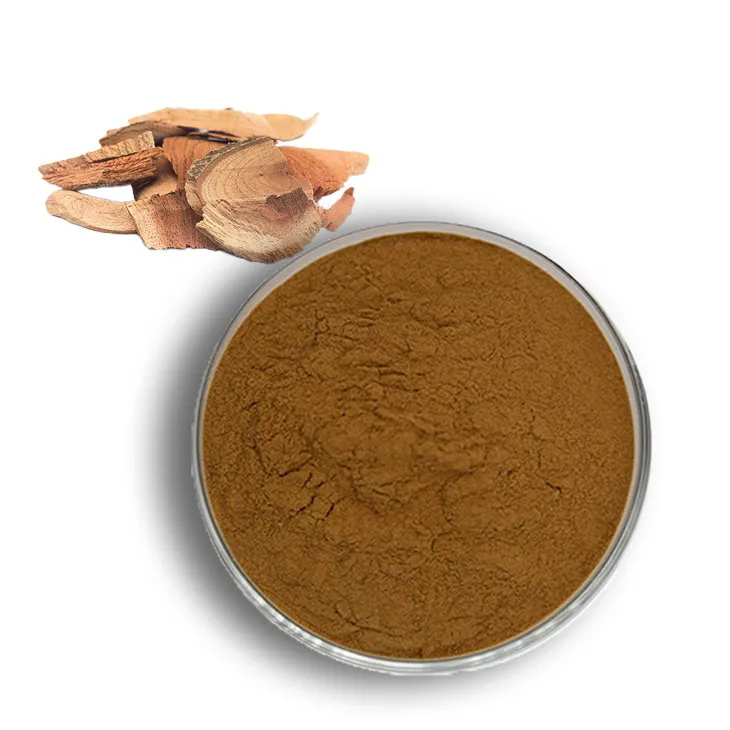
Thunder God Vine Extract
2026-10-03
-
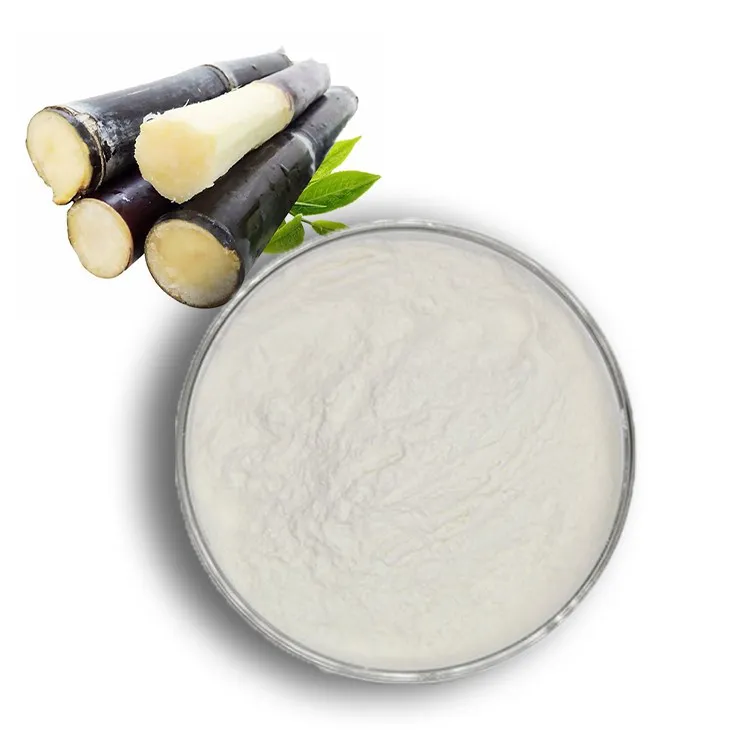
Sugarcane Extract
2026-10-03
-
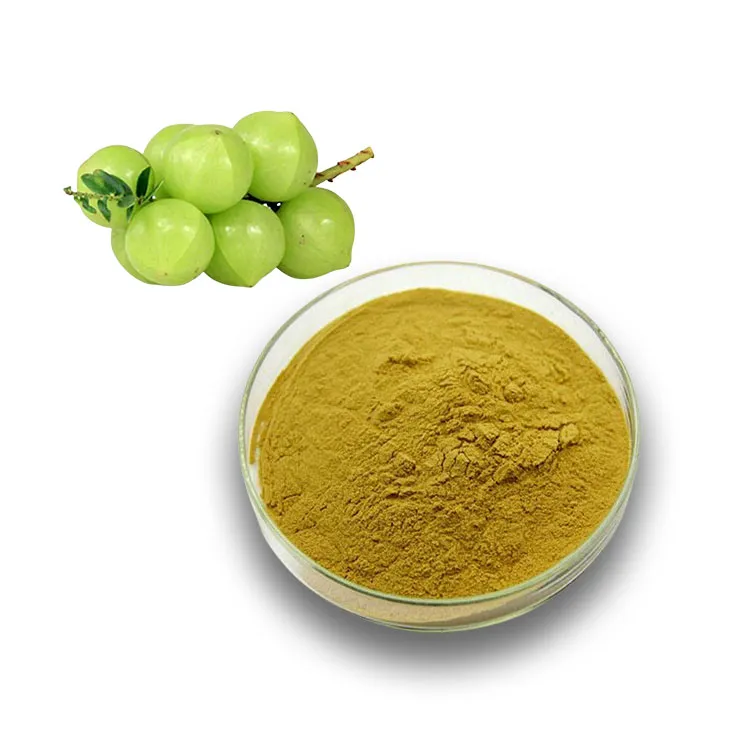
Phyllanthus Emblica Extract
2026-10-03
-
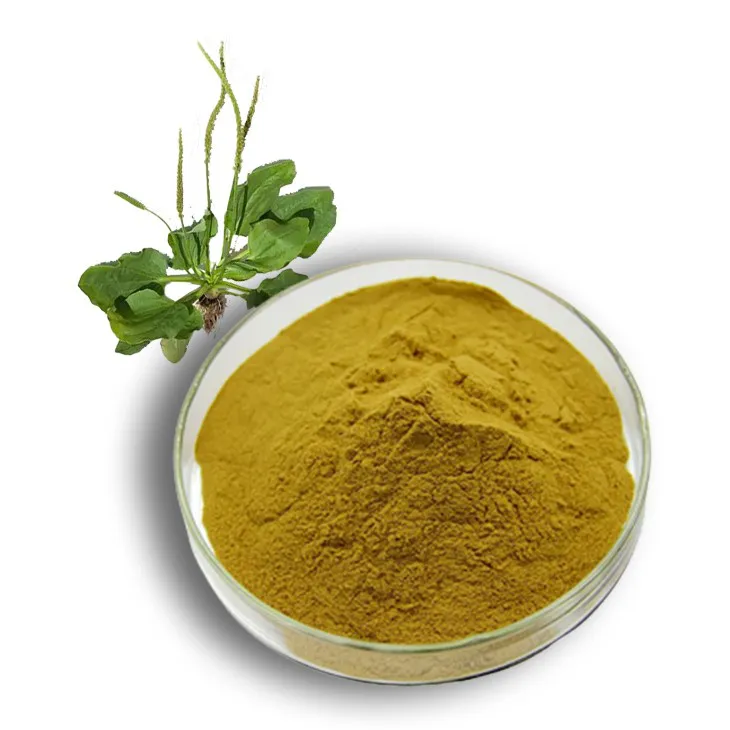
Plantain extract
2026-10-03
-
Camu Camu Extract
2026-10-03
-
Pomegranate Extract
2026-10-03
-
Sea buckthorn oil
2026-10-03
-
Fig Extract
2026-10-03
-
Stevia Extract
2026-10-03
-
Shikonin
2026-10-03