- 0086-571-85302990
- [email protected]






Green Tea Extract: The Complete Guide to Benefits, Applications & Supplier Selection
2026-07-14
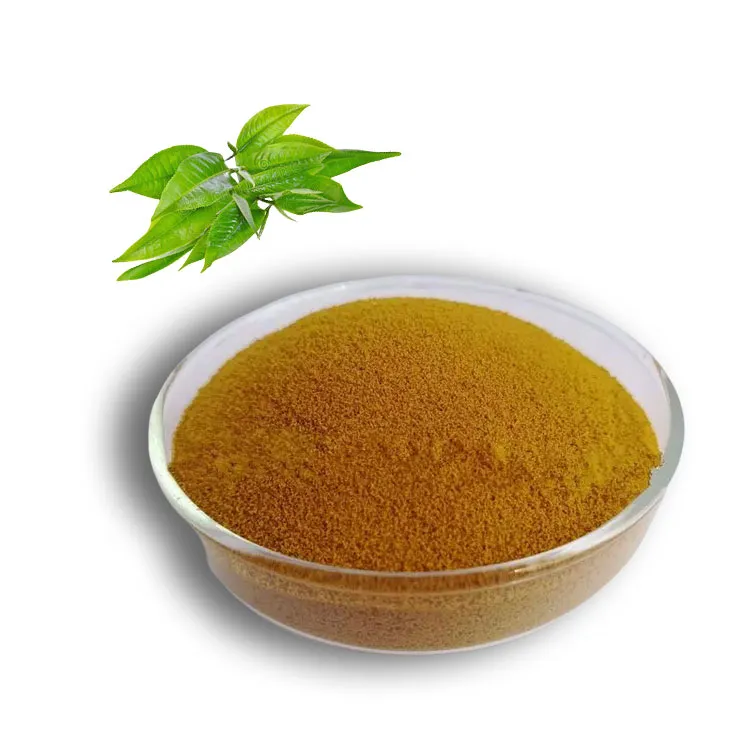
Meta Description: Discover everything about Green Tea Extract (EGCG 50%–98%) — from antioxidant mechanisms and clinical evidence to industrial applications and how to choose a reliable supplier. Free samples available.
Keywords: Green Tea Extract, EGCG, green tea extract supplier, Camellia sinensis extract, weight management supplement, natural antioxidant, catechin extract
Introduction
For over 4,000 years, green tea (Camellia sinensis) has been central to Asian culture — not merely as a beverage, but as a cornerstone of traditional medicine. Modern science has now decoded the biochemical basis of green tea's legendary health benefits, identifying a class of polyphenolic compounds called catechins — with epigallocatechin-3-gallate (EGCG) as the most abundant and biologically active component. Today, standardized Green Tea Extract, quantified by EGCG and total polyphenol content, is one of the most valuable and widely used botanical ingredients in the global nutraceutical, functional food, and cosmetic industries.
Part 1: What Is Green Tea Extract?
Botanical Profile
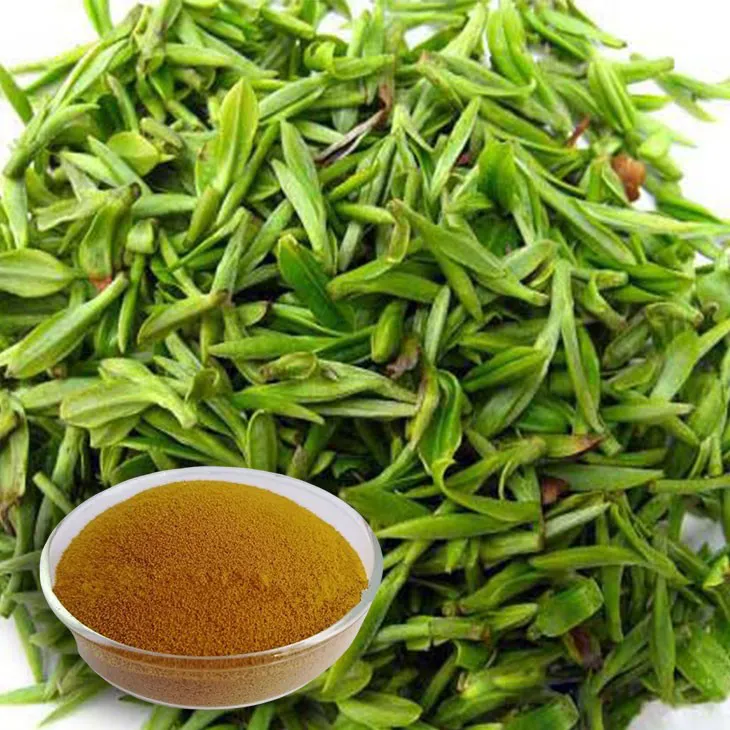
Attribute Detail Latin Name Camellia sinensis (L.) Kuntze Family Theaceae Common Names Green Tea, 绿茶 (Lǜchá), Thé Vert Plant Description Evergreen shrub or small tree, typically pruned to 1–2 meters for cultivation; leaves are harvested before full maturity Native Range East Asia (China, India, Myanmar) Major Cultivation Areas China (Zhejiang, Fujian, Anhui, Yunnan), Japan, India (Assam, Darjeeling), Sri Lanka, Kenya Processing Note Unlike black tea (fully fermented) or oolong tea (semi-fermented), green tea leaves are steamed or pan-fired immediately after harvesting to inactivate polyphenol oxidase enzymes, preserving the natural catechin content.
Extraction Specifications
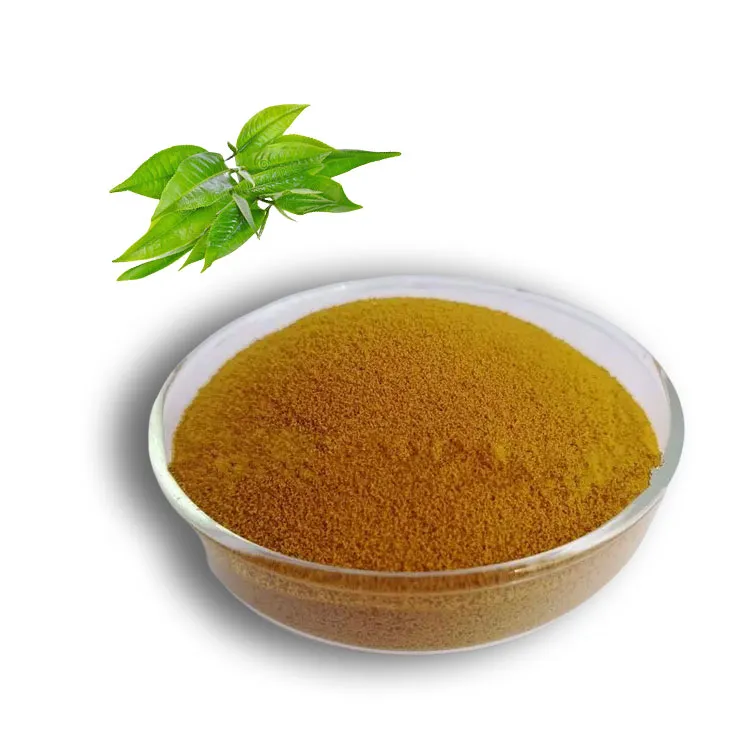
Parameter Specification Plant Part Used Young leaves and leaf buds Extraction Solvent Water or ethanol-water Extraction Ratio 10:1 to 20:1 (varies by specification) Active Compounds Catechins (polyphenols), specifically EGCG Standardized Contents Polyphenols 50%–98%, Catechins 30%–80%, EGCG 15%–98% (HPLC) Appearance Yellowish-brown to light brown fine powder Solubility Soluble in water, ethanol; forms clear to slightly hazy solutions Odor Characteristic, slightly bitter and astringent Taste Astringent, slightly bitter
Key Active Constituents
Green tea catechins are a mixture of four major polyphenols:
Catechin Typical % of Total Catechins Biological Activity Epigallocatechin-3-gallate (EGCG) 50–60% Most potent antioxidant; anti-cancer; anti-obesity Epigallocatechin (EGC) 15–20% Antioxidant; antimicrobial Epicatechin-3-gallate (ECG) 10–15% Antioxidant; cardiovascular protection Epicatechin (EC) 5–10% Antioxidant; insulin sensitivity Caffeine 0.5–2% (decaffeinated grades available) Stimulant; thermogenic
Quality Specifications We Provide
Test Parameter Specification Method Total Polyphenols 50%–98% UV-Vis (Folin-Ciocalteu) Total Catechins 30%–80% HPLC EGCG 15%–98% HPLC Caffeine ≤ 1.0% (decaf grade: ≤ 0.5%) HPLC Moisture ≤ 5.0% Drying Method (105°C) Ash ≤ 5.0% High-Temperature Ignition Heavy Metals (Pb) ≤ 2.0 mg/kg ICP-MS Heavy Metals (As) ≤ 1.0 mg/kg ICP-MS Heavy Metals (Hg) ≤ 0.1 mg/kg ICP-MS Heavy Metals (Cd) ≤ 0.5 mg/kg ICP-MS Pesticide Residues EU 396/2005 Compliant GC-MS / LC-MS/MS Microbiology (TPC) ≤ 10,000 CFU/g AOAC 966.23 Mold & Yeast ≤ 500 CFU/g AOAC 997.02 Salmonella Negative / 25g AOAC 998.09 E. coli Negative / 10g AOAC 966.24
Note on Caffeine Content: We offer both regular and decaffeinated green tea extract grades. Decaffeinated extract retains ≥ 95% of original polyphenol content while reducing caffeine to ≤ 0.5%. This is ideal for caffeine-sensitive applications and evening consumption products.
Part 2: Core Benefits & Mechanisms of Action
2.1 Powerful Antioxidant Activity
Mechanism: EGCG and other catechins are potent free radical scavengers that neutralize reactive oxygen species (ROS) and reactive nitrogen species (RNS). They also chelate transition metal ions (Fe²⁺, Cu²⁺) that catalyze free radical formation, and upregulate endogenous antioxidant enzymes (SOD, catalase, glutathione peroxidase).
Key Evidence:
EGCG has an ORAC (Oxygen Radical Absorbance Capacity) value approximately 25–100 times higher than vitamin C and 10–30 times higher than vitamin E on a molar basis (Rice-Evans et al., Free Radical Biology and Medicine, 1996).
A 2011 study in Antioxidants & Redox Signaling demonstrated that green tea catechins reduced oxidative DNA damage by 30% in human lymphocytes exposed to hydrogen peroxide at concentrations of 10–50 μM.
2.2 Weight Management & Metabolic Support
Mechanism: EGCG increases energy expenditure through sympathetic nervous system activation and inhibition of catechol-O-methyltransferase (COMT), the enzyme that degrades norepinephrine. Catechins also inhibit pancreatic lipase, reducing dietary fat absorption, and promote fat oxidation during exercise.
Key Evidence:
A meta-analysis of 15 randomized controlled trials published in Obesity Reviews (2011) found that green tea catechins (300–800 mg/day) combined with caffeine increased energy expenditure by 4.7% and fat oxidation by 16% compared to placebo, with a mean weight loss difference of 1.3 kg over 12 weeks.
A 2012 study in Journal of the American College of Nutrition demonstrated that EGCG (300 mg/day) combined with a calorie-restricted diet enhanced weight loss by 2.8 kg compared to diet alone over 8 weeks (n = 104).
A 2020 meta-analysis in Nutrients confirmed that green tea extract supplementation significantly reduced body weight (mean difference: −1.4 kg), BMI, and waist circumference across 26 RCTs involving 1,344 participants.
2.3 Cardiovascular Health
Mechanism: Green tea catechins improve endothelial function, reduce LDL oxidation, lower blood pressure, and inhibit platelet aggregation. EGCG also activates AMPK and eNOS pathways, promoting vasodilation and cardioprotection.
Key Evidence:
A large prospective cohort study published in JAMA (2006) following 40,530 Japanese adults for 11 years found that daily green tea consumption (≥ 5 cups/day) was associated with a 26% lower risk of cardiovascular mortality and a 16% lower risk of all-cause mortality.
A 2013 meta-analysis in American Journal of Clinical Nutrition (20 RCTs, n = 1,536) found that green tea catechins significantly reduced LDL cholesterol by 5.3 mg/dL and total cholesterol by 5.5 mg/dL compared to control.
A 2015 meta-analysis in Scientific Reports (16 RCTs) found that green tea extract supplementation reduced systolic blood pressure by 1.9 mmHg and diastolic blood pressure by 1.4 mmHg.
2.4 Anti-Cancer Properties
Mechanism: EGCG induces apoptosis (programmed cell death) in cancer cells, inhibits angiogenesis (new blood vessel formation), suppresses tumor cell proliferation, and blocks DNA methyltransferases (DNMTs) that silence tumor suppressor genes. It also modulates multiple signaling pathways including NF-κB, PI3K/Akt, and MAPK.
Key Evidence:
A 2009 Cochrane review of 51 epidemiological studies found that green tea consumption was associated with a reduced risk of breast cancer (OR = 0.78), prostate cancer (OR = 0.62), and lung cancer (OR = 0.82) in Asian populations.
A 2014 phase II clinical trial published in Cancer Prevention Research found that 600 mg/day of green tea catechins reduced prostate cancer progression by 30% in men with high-grade prostatic intraepithelial neoplasia (HGPIN) over 1 year (n = 60).
EGCG inhibits telomerase activity in cancer cells, a mechanism linked to its anti-proliferative effects (Sadava et al., Cancer Letters, 2007).
2.5 Brain Health & Neuroprotection
Mechanism: EGCG crosses the blood-brain barrier and protects neurons from oxidative stress, beta-amyloid toxicity, and dopaminergic degeneration. It also promotes neurogenesis and modulates neurotransmitter systems.
Key Evidence:
A 2017 meta-analysis in Molecules (19 studies) found that green tea catechins reduced the risk of cognitive decline and dementia by 31% in prospective cohort studies involving 48,000+ participants.
A 2018 study in Phytomedicine demonstrated that EGCG reduced beta-amyloid plaque formation by 40% in transgenic mouse models of Alzheimer's disease.
A 2014 randomized controlled trial in Psychopharmacology found that 300 mg of green tea extract improved working memory and attention in healthy young adults within 2 hours of consumption (n = 44).
2.6 Skin Health & Anti-Aging
Mechanism: EGCG protects skin from UV-induced DNA damage, inhibits collagen-degrading enzymes (MMP-1, MMP-3), reduces inflammation, and promotes dermal fibroblast proliferation. Both topical and oral administration show benefits.
Key Evidence:
A 2013 randomized, double-blind study in Journal of Nutrition (n = 60) found that 1,400 mg/day of green tea catechins for 12 weeks improved skin elasticity by 16%, reduced roughness by 12%, and decreased UV-induced erythema by 25%.
Topical EGCG (2–5%) reduced UVB-induced DNA damage by 60% in human skin explants (Katiyar et al., Journal of Investigative Dermatology, 2007).
Summary of Clinical Evidence
Health Benefit Evidence Level Typical Dosage (EGCG) Reference Count Antioxidant Strong (In vitro + In vivo) 200–400 mg/day 2,000+ Weight Management Strong (Meta-analyses) 300–800 mg/day 500+ Cardiovascular Strong (Cohort + RCTs) 200–600 mg/day 800+ Anti-Cancer Moderate (Epidemiological + RCTs) 400–800 mg/day 1,500+ Neuroprotection Moderate (RCTs) 200–400 mg/day 300+ Skin Health Moderate (RCTs) 300–1,400 mg/day (oral) 200+
Part 3: Wide-Ranging Applications
3.1 Dietary Supplements & Nutraceuticals
Green Tea Extract is one of the most extensively used botanical ingredients in dietary supplements:
Weight Management Formulas: The largest application category — green tea extract is a core ingredient in thermogenic supplements, fat burners, and metabolism boosters.
Antioxidant Capsules: Standalone or in combination with other antioxidants (vitamin C, resveratrol, Grape Seed Extract) for comprehensive oxidative protection.
Cardiovascular Health Supplements: Combined with CoQ10, omega-3s, and red yeast rice for heart health formulations.
Green Tea Extract Tablets/Capsules: Standardized to deliver 200–500 mg of extract per dose (50–200 mg EGCG).
3.2 Functional Foods & Beverages
Ready-to-Drink (RTD) Teas: Green tea extract is used to standardize and enhance the catechin content of commercial green tea beverages.
Functional Waters: Added to water-based beverages for antioxidant claims at 50–150 mg extract per serving.
Energy Drinks: Paired with caffeine for synergistic metabolic and focus-enhancing effects.
Protein Powders & Meal Replacements: Included in weight management and wellness-oriented nutrition products.
Functional Snacks: Added to energy bars, granola, and dark chocolate.
Green Tea Confectionery: Used in chewing gum, mints, and candies for breath-freshening and antioxidant claims.
3.3 Cosmetics & Personal Care
Anti-Aging Skincare: EGCG is a popular active ingredient in serums, creams, and masks (0.5–3% inclusion rate).
Sunscreens & After-Sun Care: UV-protective and DNA-repair properties make it valuable in natural sun care.
Acne Treatments: Anti-inflammatory and sebum-regulating effects support its use in acne formulations.
Eye Creams: Anti-puffiness and antioxidant properties are leveraged in under-eye treatments.
Hair Care: Shampoos and conditioners with green tea extract claim to promote scalp health and hair strength.
3.4 Pharmaceutical Applications
Veregen® (Sinecatechins): The first FDA-approved botanical drug (2006), a 15% green tea catechin ointment for the treatment of external genital warts caused by HPV.
Adjunctive Oncology Therapy: Green tea catechins are being investigated as adjuvant therapy in multiple cancer clinical trials.
Metabolic Syndrome Therapeutics: EGCG is under investigation for diabetes, obesity, and metabolic syndrome management.
3.5 Animal Nutrition
Pet Weight Management: Green tea extract is used in canine and feline weight control supplements.
Livestock Feed Additives: Added to poultry and swine feed for antioxidant and growth-promoting effects.
Aquaculture: Used in fish feed to improve growth performance and disease resistance.
Part 4: How to Choose a High-Quality Green Tea Extract Supplier
When sourcing Green Tea Extract, buyers should evaluate suppliers across five critical dimensions:
4.1 Standardization & Potency
What to look for:
HPLC-verified EGCG and total catechin content (not just UV-Vis polyphenol measurement)
Clear specification of caffeine content (particularly important for decaffeinated grades)
Consistent batch-to-batch potency verified by COA comparison
Clearly defined analytical methods (HPLC, not just UV-Folin)
Red flags:
Suppliers who only report "total polyphenols" by Folin-Ciocalteu (a non-specific method)
Unusually low prices suggesting adulteration with non-tea polyphenols
Vague or missing EGCG/catechin profile data
4.2 Extraction Technology
Method Advantages Disadvantages Hot Water Extraction Traditional method; good polyphenol yield; food-grade May extract higher caffeine Ethanol-Water Extraction Higher catechin selectivity; better EGCG recovery Solvent residue concerns Supercritical CO₂ Decaffeination Preserves catechins; no organic solvents; clean label Higher cost; primarily for decaffeination
4.3 Third-Party Testing & Certifications
Essential certifications:
ISO 22000 (Food Safety Management)
HACCP (Hazard Analysis)
GMP (Good Manufacturing Practice)
Organic certification (EU/NOP) for organic grades
Kosher & Halal certifications
Testing capabilities:
In-house HPLC laboratory for EGCG and catechin profile quantification
Caffeine content testing (critical for decaf grades)
Third-party testing partnerships (SGS, Eurofins) for heavy metals, pesticides, and microbiology
Full COA available for every batch
4.4 Supply Chain Transparency
Traceability from tea garden to finished product
Documentation of raw material origin (harvest season, geographic location, cultivar)
Quality control at every production stage
Stability data and shelf-life validation
4.5 Technical Support & Customization
A reliable supplier should offer:
Free samples for evaluation
Customized specifications (e.g., specific EGCG:catechin ratios, decaffeinated grades)
Water-soluble and microencapsulated formulations
Formulation guidance and technical documentation
Regulatory support for target markets
Part 5: About GreenskyBio — Your Trusted Green Tea Extract Partner
With over 20 years of specialization in botanical extracts, Hangzhou Greensky Biological Tech.Co.,Ltd. (GreenskyBio) has established itself as a premier manufacturer and supplier of premium Green Tea Extract.
Why Choose GreenskyBio for Green Tea Extract?
1. Proven Quality
Standardized EGCG content from 15% to 98% with HPLC verification
Full catechin profile available for every batch (EGCG, EGC, ECG, EC)
Decaffeinated grades available with ≤ 0.5% caffeine
Each batch accompanied by a comprehensive COA
2. World-Class Manufacturing
5 factories equipped with 6-ton multi-functional extraction tanks
100,000-class clean area for packaging
Advanced low-temperature concentration and spray drying technology
Annual production capacity exceeding 2,000 metric tons
3. Rigorous Quality Control
Independent laboratory with advanced HPLC, GC, and UV analysis capabilities
Full microbiological testing, heavy metals screening (ICP-MS), and pesticide residue analysis
Caffeine content quantification for every batch
Compliance with USP, EP, and CP pharmacopoeia standards
4. International Certifications
ISO 22000 (Food Safety Management)
BRCGS (Global Food Safety Standard)
Ecocert Organic (EU & NOP)
SGS-GMP (Good Manufacturing Practice)
HALAL & Kosher
5. Global Reach & Reliability
Export value of nearly $30 million USD (2023)
Serving clients across Europe, the United States, South Korea, Japan, and Russia
Dedicated export logistics team ensuring timely delivery
6. Customization & Technical Support
Custom catechin profiles (EGCG-enriched, decaffeinated, water-soluble)
Microencapsulated green tea extract for improved stability and taste masking
Free sample evaluation program
Regulatory documentation support for global markets
Conclusion & Call to Action
Green Tea Extract, standardized for EGCG and total catechins, is one of the most scientifically validated and commercially versatile botanical ingredients available today. From weight management and cardiovascular health to skincare and pharmaceutical applications, the global demand for high-quality green tea extract continues to expand at a compound annual growth rate (CAGR) of over 7%.
The quality of green tea extract varies dramatically across suppliers — particularly regarding EGCG content, catechin profile, pesticide residues, and caffeine levels. Partnering with a supplier who combines rigorous analytical testing, international certifications, and two decades of manufacturing expertise is essential for delivering safe, effective, and compliant products to your customers.
Ready to formulate with premium Green Tea Extract?
Contact us today to request free samples, obtain a competitive quotation, or discuss your custom formulation requirements. Our technical team is standing by to support your product development journey.
"If you are interested in Green Tea Extract (EGCG 15%–98%), reach out to our expert team today for the latest pricing, free samples, and personalized technical support."
- ▶ Hesperidin
- ▶ Citrus Bioflavonoids
- ▶ Plant Extract
- ▶ lycopene
- ▶ Diosmin
- ▶ Grape seed extract
- ▶ Sea buckthorn Juice Powder
- ▶ Fruit Juice Powder
- ▶ Hops Extract
- ▶ Artichoke Extract
- ▶ Mushroom extract
- ▶ Astaxanthin
- ▶ Green Tea Extract
- ▶ Curcumin
- ▶ Horse Chestnut Extract
- ▶ Other Product
- ▶ Boswellia Serrata Extract
- ▶ Resveratrol
- ▶ Marigold Extract
- ▶ Grape Leaf Extract
- ▶ New Product
- ▶ Aminolevulinic acid
- ▶ Cranberry Extract
- ▶ Red Yeast Rice
- ▶ Red Wine Extract
- ▶ blog
-
Longan Extract
2026-07-14
-
Reishi mushroom extract
2026-07-14
-
Diosmin
2026-07-14
-
Phyllanthus Emblica Extract
2026-07-14
-
Cat Claw Extract
2026-07-14
-
Liposomal Berberine HCl
2026-07-14
-
Honeysuckle Pollen
2026-07-14
-
Yohimbine Bark Extract
2026-07-14
-
Gynostemma pentaphyllum extract
2026-07-14
-
Europen Bilberry Extract
2026-07-14
