- 0086-571-85302990
- [email protected]




Pycnogenol and Grape Seed Extract: Complete Guide to OPC Antioxidants, Circulation Science & B2B Sou
2026-11-22
Pycnogenol and Grape Seed Extract: Complete Guide to OPC Antioxidants, Circulation Science & B2B Sourcing (2026)
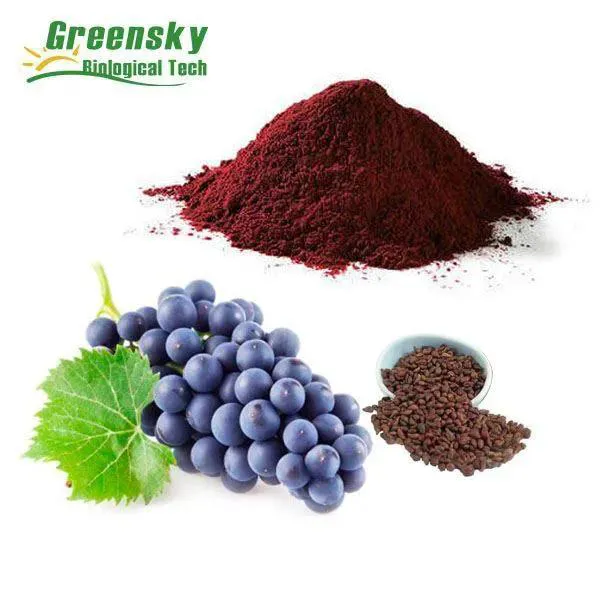
Related Product: Grape Seed Extract — Greensky offers premium standardized Grape Seed Extract rich in oligomeric proanthocyanidins (OPCs). We are a professional natural plant extract manufacturer established in 2004, with ISO22000, BRCGS, Ecocert Organic, and SGS-GMP certifications.
Table of Contents
What Are OPCs and Why Are They Among the Most Powerful Natural Antioxidants?
Grape Seed Extract vs. Pine Bark Extract: Understanding Pycnogenol and Alternatives
Active Compounds: Proanthocyanidins, Catechins, and Epicatechins
Clinical Evidence for Cardiovascular Health, Circulation, and Venous Insufficiency
Skin Health, Collagen Protection, and Anti-Aging Benefits
Cognitive Support, Eye Health, and Emerging Research
Quality Standards, Specifications, and Testing Methods
Applications in Supplements, Skincare, and Functional Foods
How to Source Premium Grape Seed Extract: A B2B Buyer's Guide
Why Choose Greensky as Your Grape Seed Extract Supplier
1. What Are OPCs and Why Are They Among the Most Powerful Natural Antioxidants?
Oligomeric Proanthocyanidins (OPCs) are a class of polyphenolic bioflavonoids found abundantly in grape seeds, pine bark, maritime pine, cranberries, and cocoa. They represent one of the most potent antioxidant families identified in nature — with studies showing antioxidant activity 20 times greater than Vitamin C and 50 times greater than Vitamin E.
OPCs function through multiple antioxidant mechanisms:
Free radical scavenging: Direct neutralization of reactive oxygen species (ROS) and reactive nitrogen species (RNS)
Metal chelation: Binding of iron and copper ions to prevent Fenton reaction-driven oxidative damage
Enzyme modulation: Upregulation of endogenous antioxidant enzymes (SOD, catalase, glutathione peroxidase)
Collagen protection: Inhibition of collagen-degrading enzymes (collagenase, elastase, hyaluronidase)
Nitric oxide support: Enhanced endothelial nitric oxide synthase (eNOS) activity for improved vasodilation
The global grape seed extract market is projected to exceed USD 250 million by 2028, driven by growing consumer awareness of antioxidant health, cardiovascular disease prevention, and the expanding natural skincare industry.
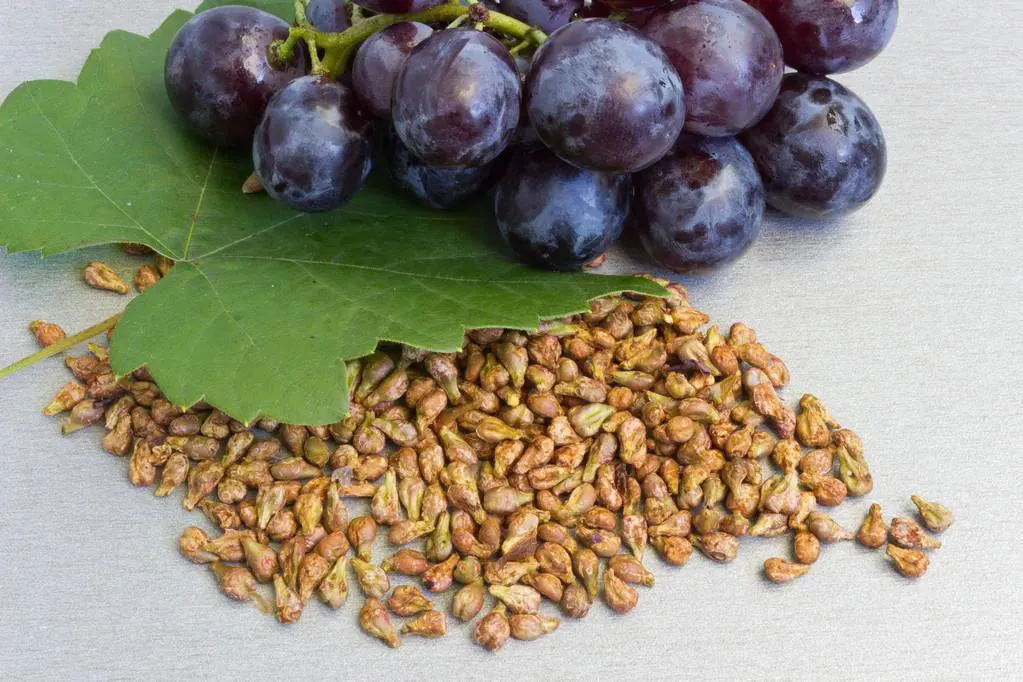
2. Grape Seed Extract vs. Pine Bark Extract: Understanding Pycnogenol and Alternatives
2.1 Comparative Overview
| Parameter | Grape Seed Extract | Pine Bark Extract (Pycnogenol®) |
|---|---|---|
| Source | Vitis vinifera seeds | Pinus pinaster bark (maritime pine) |
| Primary OPCs | Procyanidin B-type oligomers (dimers–decamers) | Procyanidins + phenolic acids + organic acids |
| OPC Content | 40-95% (standardized) | 65-75% procyanidins |
| Key Differentiators | Higher total polyphenol content; broader OPC profile | Registered trademark; patented extraction; specific organic acid profile |
| Cost | Generally lower; cost-effective for B2B | Premium pricing due to trademark and patent |
| Research Base | Extensive; hundreds of peer-reviewed studies | Extensive; 400+ published studies, many industry-funded |
| Regulatory Status | GRAS (food-grade); dietary supplement | Dietary supplement; trademarked brand |
Key insight for B2B buyers: While Pycnogenol® is a registered trademark of Horphag Research with specific composition requirements, grape seed extract offers comparable OPC content and clinical benefits at a significantly lower cost, making it the preferred choice for many supplement manufacturers and formulators.
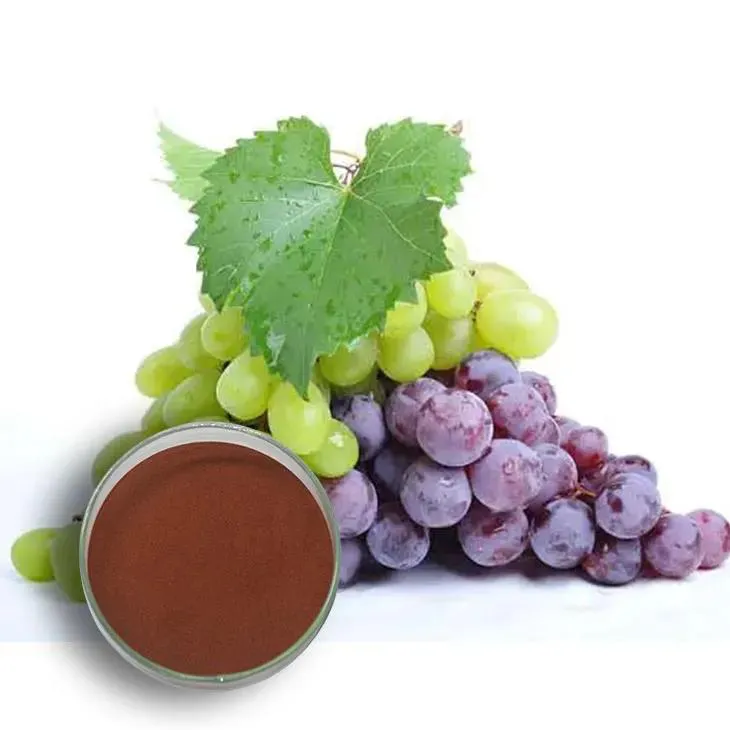
3. Active Compounds: Proanthocyanidins, Catechins, and Epicatechins
3.1 Polyphenol Profile of Grape Seed Extract
| Compound | Class | Function |
|---|---|---|
| Procyanidin B2 | OPC dimer | Primary antioxidant; endothelial protection |
| Procyanidin C1 | OPC trimer | Enhanced free radical scavenging |
| Catechin | Flavan-3-ol monomer | Antioxidant; cardiovascular support |
| Epicatechin | Flavan-3-ol monomer | Nitric oxide production; endothelial function |
| Gallic acid | Phenolic acid | Anti-inflammatory; antioxidant |
| Higher oligomers (tetramers–decamers) | Condensed tannins | Sustained antioxidant release; gut microbiota interaction |
3.2 Mechanism of Action: Multi-Pathway Antioxidant Defense
OPCs exert their benefits through a sophisticated network of interconnected mechanisms:
Vascular protection: OPCs bind to collagen and elastin fibers in blood vessel walls, strengthening capillary integrity and reducing vascular permeability
Nitric oxide bioavailability: Epicatechin and procyanidins enhance eNOS activity, improving vasodilation and blood flow
Inflammatory modulation: Inhibition of COX-2, iNOS, and NF-κB signaling pathways
Gut microbiota interaction: Higher OPC oligomers are metabolized by colonic bacteria into bioactive phenolic acids (valerolactones, phenylpropionic acids) with systemic benefits
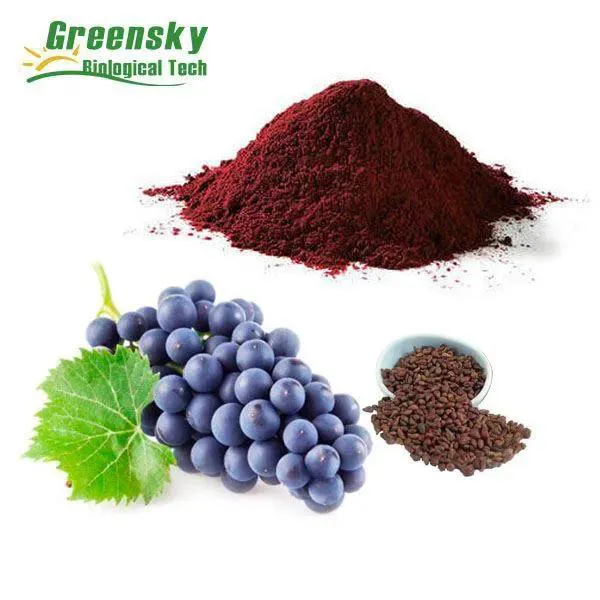
4. Clinical Evidence for Cardiovascular Health, Circulation, and Venous Insufficiency
4.1 Blood Pressure and Vascular Health
A meta-analysis of randomized controlled trials (published in the Journal of Nutrition) found that grape seed extract supplementation significantly reduced:
Systolic blood pressure by 5-10 mmHg in prehypertensive and mildly hypertensive subjects
Diastolic blood pressure by 3-6 mmHg
Maximum effect observed at doses of 150-300 mg/day, with benefits apparent within 4-12 weeks
4.2 Chronic Venous Insufficiency (CVI)
Grape seed extract has demonstrated significant efficacy in managing chronic venous insufficiency symptoms:
Leg swelling reduction: 40-75% improvement in leg volume measurements
Pain relief: Significant reduction in heaviness, pain, and restless leg symptoms
Capillary filtration: Reduced capillary permeability and fluid leakage into tissues
Comparison to compression stockings: Some studies show comparable efficacy to medical-grade compression therapy
4.3 Cholesterol and Lipid Management
Clinical trials have shown that grape seed extract can improve lipid profiles through multiple mechanisms:
LDL oxidation: Reduced oxidized LDL by 10-20% — a critical factor in atherosclerosis prevention
Total cholesterol: Modest reductions in total cholesterol in hypercholesterolemic populations
Triglycerides: Complementary lipid-lowering effects when combined with other heart health ingredients
5. Skin Health, Collagen Protection, and Anti-Aging Benefits
5.1 Mechanisms of Skin Protection
OPCs are among the most effective natural ingredients for skin health due to their unique ability to interact with structural proteins:
Collagen binding: OPCs form stable complexes with collagen fibers, strengthening the dermal matrix
Elastin protection: Inhibition of elastase activity prevents elastic fiber degradation
Hyaluronic acid preservation: Hyaluronidase inhibition maintains skin hydration and volume
UV protection: Reduction of UV-induced oxidative damage and inflammation
Melanin modulation: Tyrosinase inhibition for skin brightening effects
5.2 Clinical Evidence for Skin Benefits
Skin elasticity: Improved elasticity scores in clinical studies of 200-300 mg/day supplementation over 12 weeks
Hydration: Increased skin moisture content via hyaluronic acid preservation
Hyperpigmentation: Reduced melasma and UV-induced hyperpigmentation in controlled trials
Wound healing: Accelerated tissue repair and reduced scarring in animal and human studies
6. Cognitive Support, Eye Health, and Emerging Research
6.1 Neuroprotection
Emerging research suggests grape seed polyphenols may support cognitive function:
Blood-brain barrier penetration: OPC metabolites cross the BBB and accumulate in brain tissue
Amyloid-beta interaction: Prevention of amyloid fibril formation in Alzheimer's disease models
Neuroinflammation: Reduced microglial activation and pro-inflammatory cytokine production
Cognitive performance: Improved attention and working memory in small human trials
6.2 Eye Health
Retinal protection: OPCs accumulate in retinal tissue, protecting against oxidative stress
Diabetic retinopathy: Reduced capillary damage and leakage in diabetic animal models
Visual function: Improved dark adaptation and visual acuity in human studies
7. Quality Standards, Specifications, and Testing Methods
7.1 Standard Specifications
| Specification | OPC Content | Appearance | Primary Use |
|---|---|---|---|
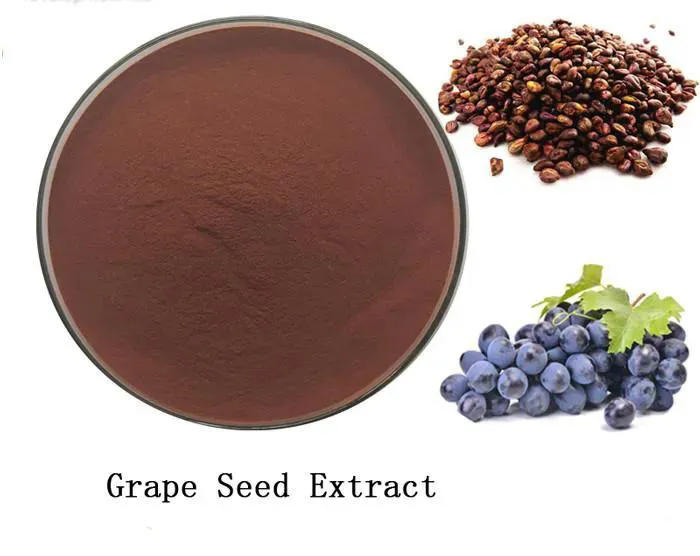
| Standard | 40-50% (UV) | Light brown powder | General supplements, functional foods |
| Premium | 85-95% (UV/HPLC) | Reddish-brown to dark brown powder | Premium supplements, clinical formulations |
| Pharma Grade | 95%+ (HPLC) | Light reddish-brown fine powder | Advanced formulations, research |
7.2 Key Quality Parameters
| Parameter | Standard |
|---|---|
| OPC content | ≥ 95% (UV); individual procyanidins by HPLC |
| Total polyphenols | ≥ 80% (Folin-Ciocalteu) |
| Heavy Metals | Pb ≤ 5 ppm; As ≤ 2 ppm; Cd ≤ 1 ppm; Hg ≤ 0.1 ppm |
| Pesticide Residues | EU/US pharmacopoeia compliant |
| Microbiological | TAMC < 1,000 CFU/g; E. coli, Salmonella negative |
| Solvent Residues | ICH Q3C compliant (ethanol extraction preferred) |
8. Applications in Supplements, Skincare, and Functional Foods
8.1 Primary Application Categories
Dietary Supplements: Cardiovascular health capsules, antioxidant blends, venous support formulas, beauty-from-within supplements
Skincare and Cosmetics: Anti-aging serums, eye creams, UV protection formulations, skin brightening products
Functional Beverages: Antioxidant-enhanced drinks, beauty beverages, functional waters
Animal Health: Pet supplements for joint health, senior dog cognitive support
8.2 Effective Synergistic Combinations
Grape Seed + Vitamin C: Enhanced collagen synthesis and synergistic antioxidant protection
Grape Seed + Resveratrol: Complementary polyphenol profile for cardiovascular and anti-aging benefits
Grape Seed + Hyaluronic Acid: Internal hydration and skin elasticity support
Grape Seed + Bilberry Extract: Comprehensive eye health formulation
9. How to Source Premium Grape Seed Extract: A B2B Buyer's Guide
9.1 Key Evaluation Criteria
| Factor | What to Verify |
|---|---|
| OPC standardization | Request both UV and HPLC analysis for accurate OPC quantification |
| Source material | Wine industry grape seeds (Vitis vinifera) — verify origin (France, Italy, China, etc.) |
| Extraction solvent | Ethanol-water preferred; avoid chlorinated or toxic solvents |
| Procyanidin profile | HPLC fingerprint showing monomer through oligomer distribution |
| Certifications | ISO 22000, BRCGS, GMP, Organic (if applicable) |
| Batch consistency | Request COAs from multiple production batches |
9.2 Common Sourcing Pitfalls
UV vs. HPLC discrepancy: UV methods may overestimate OPC content; always confirm with HPLC
Adulteration with maltodextrin: Some suppliers dilute high-OPC extracts with carrier materials; verify total polyphenol content
Heavy metal contamination: Grape seeds can accumulate metals from soil; require full heavy metal testing
Oxidation during storage: OPCs degrade with heat and oxygen; verify proper packaging and shelf-life data
10. Why Choose Greensky as Your Grape Seed Extract Supplier
Hangzhou Greensky Biological Tech Co., Ltd., established in 2004, is a professional natural plant extract manufacturer with over 20 years of experience. Our grape seed extract advantages include:
20+ years of expertise in plant extract identification, research, development, and production
Full certification portfolio: ISO22000, BRCGS, Ecocert Organic, SGS-GMP, HALAL, Kosher
Advanced extraction equipment: Multi-functional extraction tanks, low-temperature concentrators, spray drying towers, and separator columns
100,000-class clean area ensuring food-grade and pharmaceutical-grade production standards
Independent laboratory equipped with HPLC, GC, and UV for comprehensive quality analysis
Global export track record with nearly USD 30 million in annual exports to Europe, the US, South Korea, and Russia
Custom specifications available from 40% to 95%+ OPC content
Technical support including formulation guidance, regulatory documentation, and application consulting
Contact Greensky today for a free sample, competitive quotation, and technical consultation on grape seed extract for your next product.
- ▶ Hesperidin
- ▶ Citrus Bioflavonoids
- ▶ Plant Extract
- ▶ lycopene
- ▶ Diosmin
- ▶ Grape seed extract
- ▶ Sea buckthorn Juice Powder
- ▶ Fruit Juice Powder
- ▶ Hops Extract
- ▶ Artichoke Extract
- ▶ Mushroom extract
- ▶ Astaxanthin
- ▶ Green Tea Extract
- ▶ Curcumin
- ▶ Horse Chestnut Extract
- ▶ Other Product
- ▶ Boswellia Serrata Extract
- ▶ Resveratrol
- ▶ Marigold Extract
- ▶ Grape Leaf Extract
- ▶ New Product
- ▶ Aminolevulinic acid
- ▶ Cranberry Extract
- ▶ Red Yeast Rice
- ▶ Red Wine Extract
- ▶ blog
-
Horse Chestnut Extract
2026-11-22
-
Baobab Fruit Extract
2026-11-22
-
Moringa powder
2026-11-22
-
Rhodiola Rosea Extract
2026-11-22
-
Rose Hip Extract
2026-11-22
-
Jujube Extract
2026-11-22
-
Licorice Root Extract Powder
2026-11-22
-
Bayberry Extract
2026-11-22
-
5-HTP (5-Hydroxytryptophan)
2026-11-22
-
Chitosan
2026-11-22