- 0086-571-85302990
- [email protected]




Grape Seed Extract: Complete Guide to OPC Antioxidants, Vascular Health & B2B Sourcing (2026)
2026-11-08
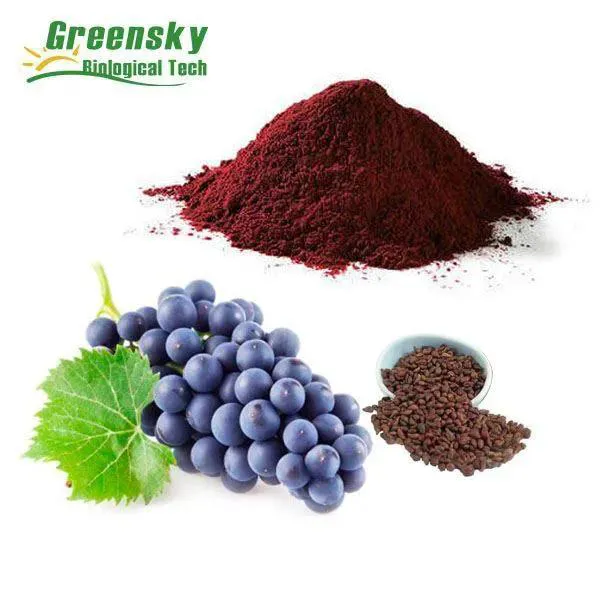
Table of Contents
What Is Grape Seed Extract and Why Are OPCs So Powerful?
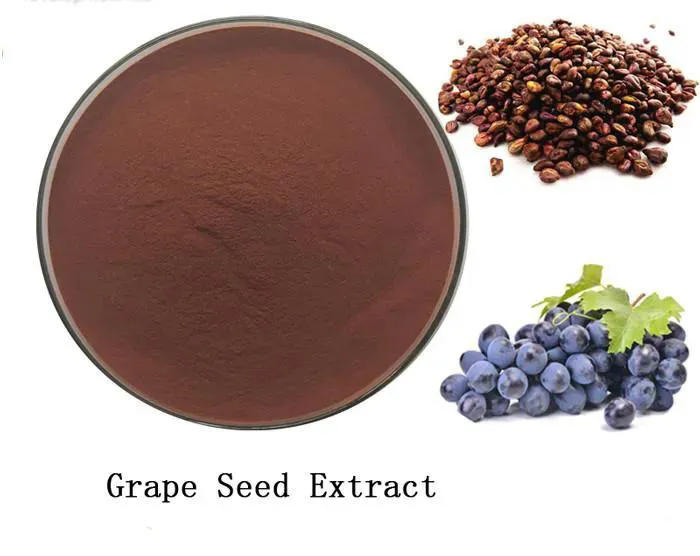
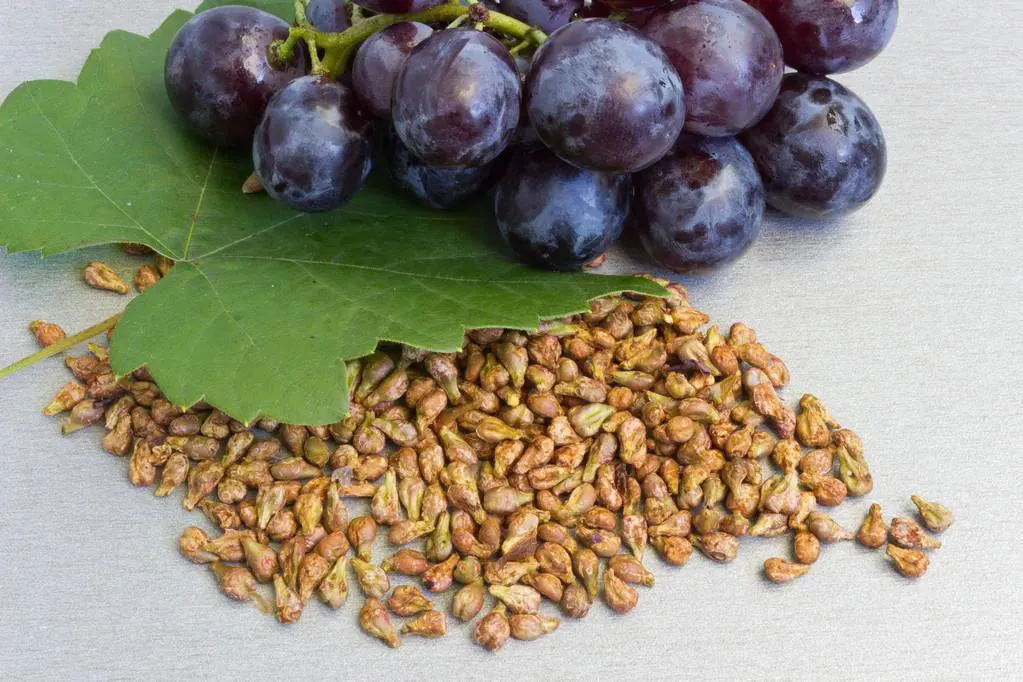
Grape Seed Extract (GSE) is a botanical extract derived from the seeds of Vitis vinifera (wine grape). It is one of the richest natural sources of oligomeric proanthocyanidins (OPCs), a class of polyphenolic compounds with exceptional antioxidant, anti-inflammatory, and vascular-protective properties.
Historically, grape seeds were considered a by-product of winemaking and juice production. However, the discovery of their extraordinary OPC content has transformed them into one of the most valuable ingredients in the nutraceutical industry.
The global Grape Seed Extract market is projected to reach USD 253 million by 2030, with primary demand from cardiovascular supplements, beauty-from-within formulations, and sports nutrition products.
Active Compounds: Proanthocyanidins, Resveratrol, and Phenolic Acids
Oligomeric Proanthocyanidins (OPCs)
OPCs are polymers of catechin and epicatechin units, linked primarily through C4→C8 (B-type) bonds. They are the signature active compounds in grape seed extract:
Compound Role Monomeric catechin Antioxidant, endothelial support Epicatechin Nitric oxide production, vasodilation Dimeric procyanidins (B1, B2, B3, B4) Primary OPC fraction, highest bioavailability Trimeric and tetrameric procyanidins Extended antioxidant activity Higher polymers (pentamers+) Gut microbiota metabolism to urolithins
Other Bioactive Components
Resveratrol (trace amounts) — Sirtuin activation, longevity support
Gallic acid — Antimicrobial, antioxidant
Vanillic acid — Anti-inflammatory
Caffeic acid — Free radical scavenging
Standardization Levels
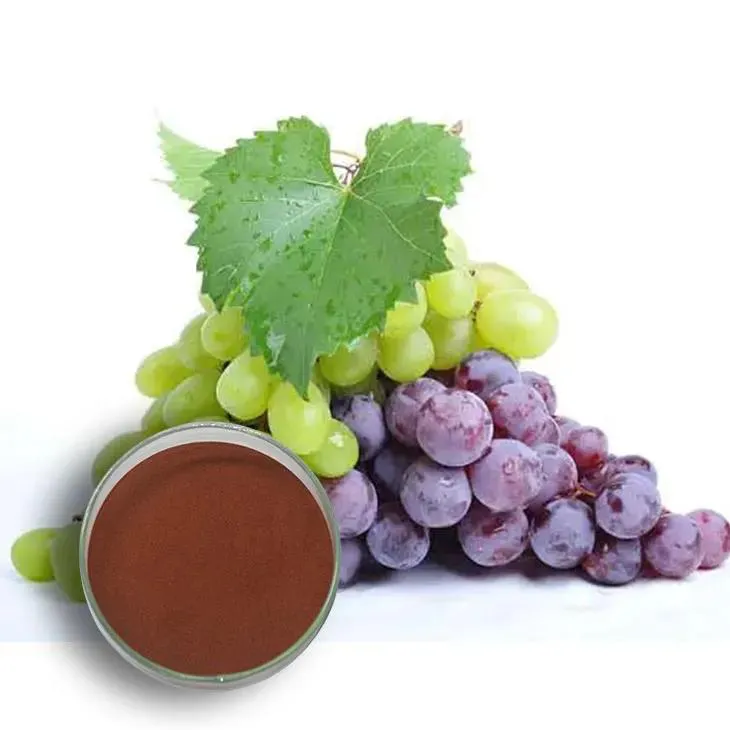
Grade OPC Content Application 95% OPCs ≥95% Premium supplement, clinical research 90% OPCs ≥90% Standard supplement grade 40–50% OPCs 40–50% Food/beverage fortification
OPC Antioxidant Potency: How Grape Seed Compares to Other Antioxidants
OPCs are among the most potent antioxidants found in nature. Their free radical scavenging capacity is measured by multiple methods:
Antioxidant ORAC Value (µmol TE/100g) Relative Potency Grape Seed Extract (95% OPC) ~100,000–150,000 20x Vitamin E, 50x Vitamin C Vitamin E (α-tocopherol) ~5,000 Baseline Vitamin C (ascorbic acid) ~2,000 Baseline Blueberry extract ~15,000 3x Vitamin E
Key Antioxidant Mechanisms
Direct radical scavenging — OPCs donate hydrogen atoms to neutralize ROS and RNS
Metal chelation — Bind transition metals (Fe²⁺, Cu²⁺) to prevent Fenton reaction
Enzyme modulation — Upregulate endogenous antioxidant enzymes (SOD, GPx, catalase) via Nrf2 pathway
Vitamin C/E regeneration — OPCs recycle oxidized vitamin C and E, extending their antioxidant activity
NO protection — Protect nitric oxide from oxidative degradation, maintaining vasodilation
Clinical Evidence for Cardiovascular and Vascular Health
Blood Pressure Management
A comprehensive meta-analysis of 16 RCTs (n=810) published in Scientific Reports (2016) found:
Systolic BP: Reduced by -4.1 mmHg (p < 0.001)
Diastolic BP: Reduced by -2.4 mmHg (p < 0.001)
Greater effect in pre-hypertensive and hypertensive subjects
Dose-dependent — Effects were stronger at doses ≥200 mg/day
LDL Oxidation Prevention
Oxidized LDL is a key driver of atherosclerosis. GSE supplementation has been shown to:
Reduce LDL oxidation by 25–35% (Yamakoshi et al., 2001)
Decrease oxidized LDL levels in metabolic syndrome patients
Protect endothelial cells from oxidized LDL-induced damage
Endothelial Function
A study in the Journal of Nutrition (2018) demonstrated that 300 mg/day of GSE for 6 weeks:
Improved flow-mediated dilation (FMD) by 1.7%
Reduced circulating endothelin-1 levels
Increased nitric oxide bioavailability
Cholesterol Management
Research in Nutrition Research (2020) showed that GSE (150 mg/day, 12 weeks) reduced:
Total cholesterol by -5.2%
LDL cholesterol by -7.1%
No significant change in HDL cholesterol
Skin Health, Anti-Aging and Collagen Protection
Collagen Preservation
OPCs protect collagen through two mechanisms:
Cross-linking — OPCs bind to collagen fibers, strengthening the structural matrix
MMP inhibition — OPCs inhibit matrix metalloproteinases (MMP-1, MMP-3) that degrade collagen
Clinical Evidence
A double-blind, placebo-controlled study (2019, n=110) found that 300 mg/day of GSE for 8 weeks:
Increased skin elasticity by 8.2%
Improved skin hydration by 12.5%
Reduced wrinkle depth by 9.1%
Enhanced UV resistance (22% less erythema)
Acne and Inflammatory Skin Conditions
GSE's antimicrobial and anti-inflammatory properties have shown promise in:
Reducing acne lesion count by 30% (combined topical + oral, 2020 study)
Improving rosacea symptoms through capillary strengthening
Supporting wound healing via angiogenesis promotion
Venous Insufficiency, Varicose Veins and Edema
Chronic Venous Insufficiency (CVI)
GSE is one of the most effective natural treatments for CVI:
A meta-analysis of 9 RCTs (n=695) found GSE significantly improved venous tone, reduced leg heaviness, and decreased ankle circumference (p < 0.01)
Mechanism: OPCs strengthen capillary walls by cross-linking collagen fibers in the vessel wall and reducing capillary permeability
Edema Reduction
Clinical studies in post-surgical and traumatic edema:
GSE (150 mg/day) reduced edema volume by 40% vs. 20% in placebo group (post-mastectomy lymphedema)
Reduced exercise-induced leg swelling in athletes by 25–35%
Hemorrhoid Relief
GSE combined with Diosmin and Hesperidin is a standard pharmaceutical treatment for hemorrhoidal disease in Europe. The OPCs strengthen venous walls and reduce capillary fragility in the hemorrhoidal plexus.
Cognitive Protection and Neurovascular Benefits
Blood-Brain Barrier Protection
OPCs can cross the blood-brain barrier and protect cerebral vasculature:
Reduce neuroinflammation by inhibiting microglial activation
Protect against ischemia-reperfusion injury in stroke models
Reduce amyloid-β-induced oxidative stress in Alzheimer's models
Human Cognitive Studies
A pilot RCT (n=26, 2017) in middle-aged adults found that 300 mg/day of GSE for 12 weeks improved:
Working memory accuracy by 14%
Attention switch efficiency by 11%
Subjective cognitive fatigue scores by 18%
Eye Health: Diabetic Retinopathy and Macular Support
Diabetic Retinopathy
OPCs strengthen retinal capillaries and reduce vascular leakage:
A study in Ophthalmologica (2016) showed GSE (150 mg/day, 6 months) improved visual acuity in early diabetic retinopathy
Reduced capillary permeability and microaneurysm formation
Protects retinal pericytes from high-glucose-induced apoptosis
Macular Health
OPCs accumulate in retinal tissue, protecting photoreceptors from light-induced oxidative damage
Synergistic with lutein and zeaxanthin for comprehensive macular support
Quality Markers: Standardization and Testing Specifications
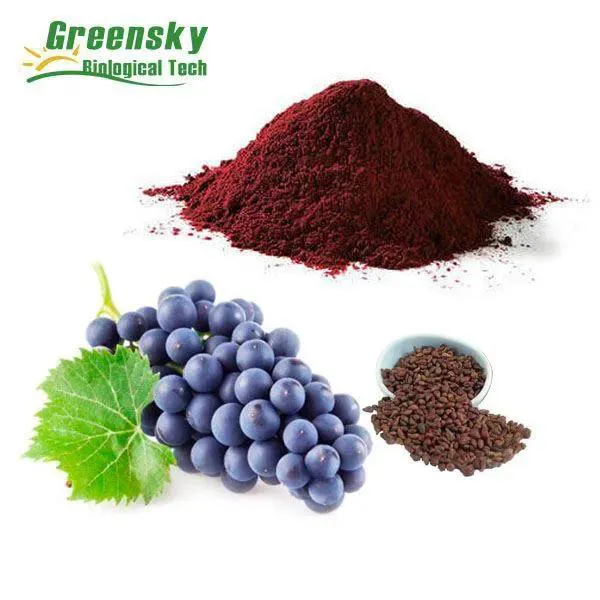
Parameter Specification Test Method Total OPCs ≥90% or ≥95% HPLC-UV (Bate-Smith assay) Monomeric catechin 2–8% HPLC Epicatechin 2–8% HPLC Procyanidin dimers 10–20% HPLC-UV Heavy metals Pb < 1.0 ppm, As < 0.5 ppm ICP-MS Pesticide residues EU MRL compliant LC-MS/MS Microbiological TPC < 1,000 CFU/g USP <61> Moisture < 5.0% Loss on drying Particle size D90 < 45 µm Laser diffraction Color Light brown to purple-brown powder Visual
Manufacturing Process: From Winery By-Product to Premium Extract
Raw Material Sourcing
Grape seeds are sourced from:
Wine production — Post-fermentation grape pomace (separated from skins and stems)
Juice production — Seeds removed during juice clarification
Table grape processing — Seed waste from grape packing facilities
Key sourcing regions: France, Italy, Chile, China (Ningxia, Xinjiang, Shandong), and South Africa.
Production Process
Seed Separation and Cleaning — Seeds are separated from pomace, washed, and dried
Milling — Seeds are ground to increase extraction surface area
Extraction — Ethanol-water (typically 50–70% ethanol) extraction at 50–70°C
Filtration and Concentration — Removal of insoluble materials and solvent recovery
Purification — Resin column chromatography to concentrate OPCs to target levels
Spray Drying — Conversion to standardized powder with carrier (maltodextrin)
Quality Control — HPLC analysis for OPC content, heavy metals, microbiological testing
B2B Sourcing from China: Greensky Bio's Grape Seed Extract Capability
Hangzhou Greensky Biological Tech. Co., Ltd. is well-positioned to serve global B2B buyers for grape seed extract:
Premium Standardization — We offer 40%, 90%, and 95% OPC extracts, meeting the highest international quality standards
Certified Production — ISO 22000, BRCGS, Ecocert Organic, and SGS-GMP certified facility in Jiangxi
In-House Laboratory — HPLC-UV for OPC quantification, ICP-MS for heavy metals, comprehensive testing capability
Sustainable Sourcing — Grape seeds sourced from China's growing wine industry (Ningxia, Shandong regions)
Custom Formulation — Flexible standardization levels and carrier options (maltodextrin, rice hull)
Global Export — 20+ years of export experience to Europe, the US, South Korea, and Russia
Competitive Pricing — Direct production capability with transparent supply chain
- ▶ Hesperidin
- ▶ Citrus Bioflavonoids
- ▶ Plant Extract
- ▶ lycopene
- ▶ Diosmin
- ▶ Grape seed extract
- ▶ Sea buckthorn Juice Powder
- ▶ Fruit Juice Powder
- ▶ Hops Extract
- ▶ Artichoke Extract
- ▶ Mushroom extract
- ▶ Astaxanthin
- ▶ Green Tea Extract
- ▶ Curcumin
- ▶ Horse Chestnut Extract
- ▶ Other Product
- ▶ Boswellia Serrata Extract
- ▶ Resveratrol
- ▶ Marigold Extract
- ▶ Grape Leaf Extract
- ▶ New Product
- ▶ Aminolevulinic acid
- ▶ Cranberry Extract
- ▶ Red Yeast Rice
- ▶ Red Wine Extract
- ▶ blog
-
Black Pepper Extract
2026-11-08
-
Chitosan
2026-11-08
-
Astaxanthin
2026-11-08
-
Nettle Root Extract
2026-11-08
-
Bilberry Extract
2026-11-08
-
Rhodiola Rosea Extract
2026-11-08
-
Nattokinase
2026-11-08
-
Almond Extract Powder
2026-11-08
-
Red Vine Extract
2026-11-08
-
Pueraria Lobata Extract
2026-11-08