- 0086-571-85302990
- [email protected]






Grape Seed Extract: The Complete Guide to Benefits, Applications & Supplier Selection
2026-07-14
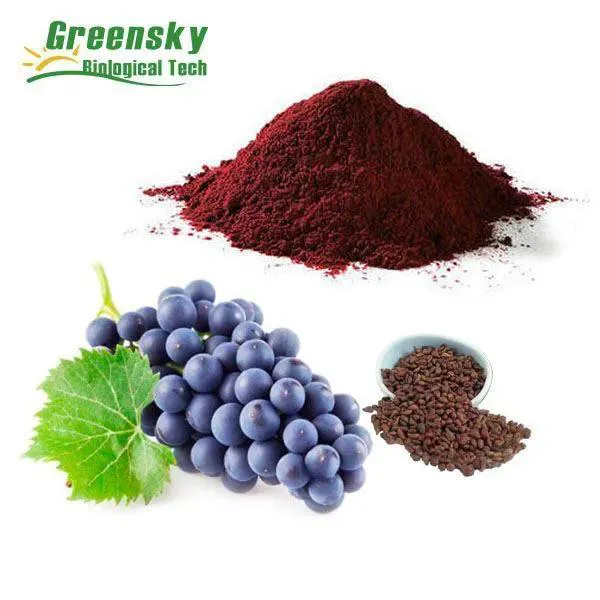
Meta Description: Discover everything about Grape Seed Extract (OPC 95%) — from antioxidant mechanisms and clinical evidence to industrial applications and how to choose a reliable supplier. Free samples available.
Keywords: Grape Seed Extract, OPC 95%, Grape Seed Extract supplier, Vitis vinifera extract, proanthocyanidins, antioxidant supplement, cardiovascular health extract, natural anti-aging ingredient
Introduction
The humble grape seed — a byproduct of the wine and juice industries — contains one of nature's most powerful antioxidant complexes: oligomeric proanthocyanidins (OPCs). While grapes have been cultivated for over 8,000 years, it was not until the 20th century that scientists isolated and characterized the potent bioactive compounds concentrated in grape seeds. Today, standardized Grape Seed Extract (95% OPC) is one of the most extensively researched and commercially successful botanical ingredients, with applications spanning cardiovascular health, skincare, anti-aging, and cognitive function. As the "French Paradox" phenomenon — the observation that French populations have lower cardiovascular disease rates despite high saturated fat intake, partly attributed to red wine polyphenols — captured global attention, grape seed OPCs became a focal point of nutritional science and supplement innovation.
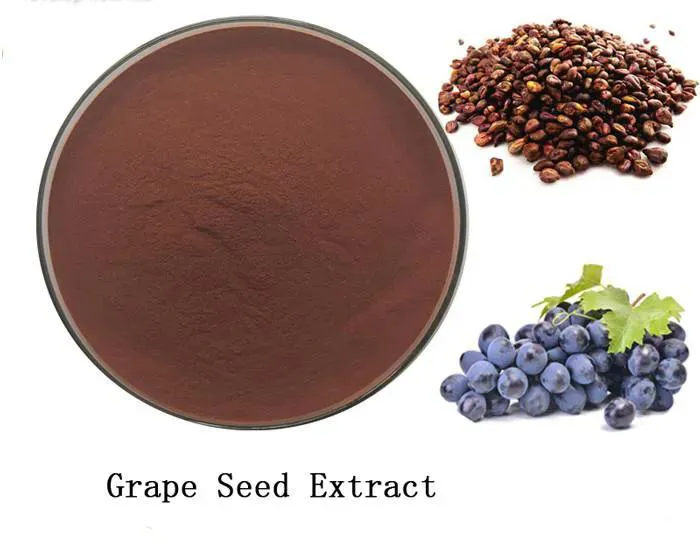
Part 1: What Is Grape Seed Extract?
Botanical Profile
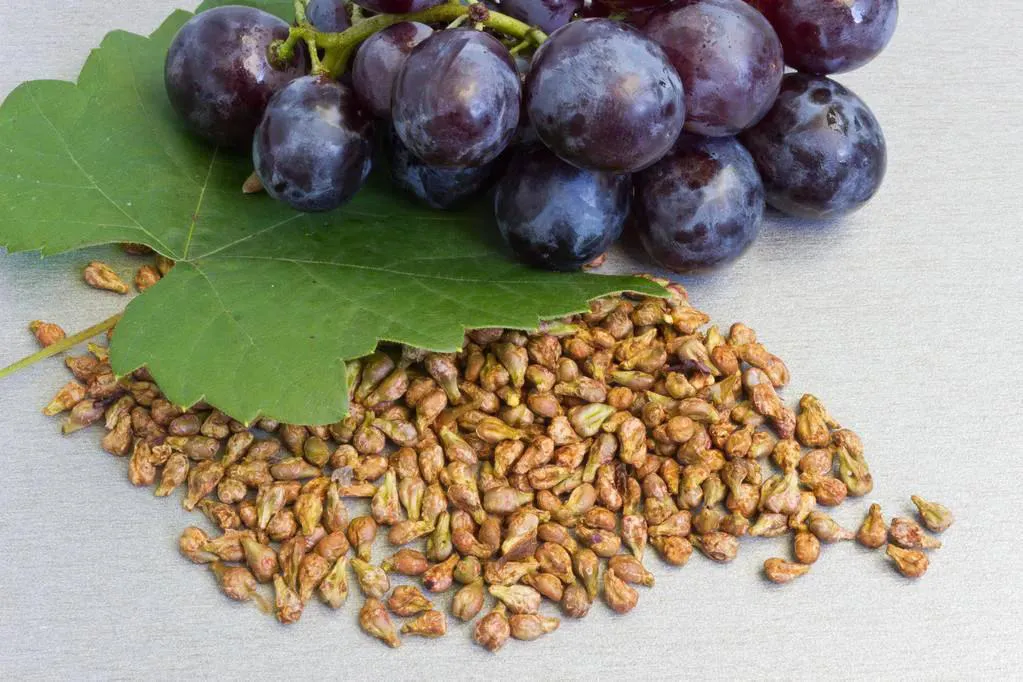
Attribute Detail Latin Name Vitis vinifera L. Family Vitaceae Common Names Grape Seed, 葡萄籽 (Pútáo zǐ), Pépins de Raisin, Traubenkernextrakt Plant Description Woody climbing vine producing clusters of grapes; seeds are small (3–6 mm), pear-shaped, and comprise 2–5% of the grape's weight Native Range Mediterranean region, Central Europe, Southwestern Asia Major Cultivation Areas France, Italy, Spain, China, United States (California), Chile, Australia Sustainability Note Grape seeds are a byproduct of the wine and juice industries, making grape seed extract one of the most sustainable and eco-friendly botanical ingredients — it transforms waste into a high-value nutraceutical product.
Extraction Specifications
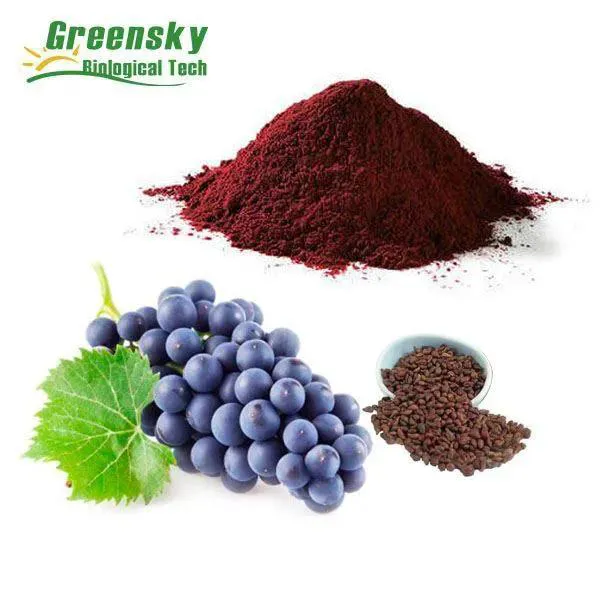
Parameter Specification Plant Part Used Seeds (dried, de-oiled after grape pressing) Extraction Solvent Water-ethanol or water-acetone Extraction Ratio 50:1 to 100:1 (varies by OPC specification) Active Compounds Oligomeric Proanthocyanidins (OPCs) Standardized Content ≥ 95% OPCs (UV-Vis / HPLC) Appearance Reddish-brown to dark brown fine powder Solubility Soluble in water, ethanol, and propylene glycol Odor Characteristic, slightly astringent Taste Astringent, slightly bitter
Key Active Constituents
OPCs are polymers of flavan-3-ol units (catechin and epicatechin):
Component Typical % of Total OPCs Biological Activity Monomers (Catechin, Epicatechin) 5–15% Antioxidant; bioavailable; cross blood-brain barrier Dimers (Procyanidin B1–B8) 15–25% Antioxidant; antimicrobial; anti-inflammatory Trimers & Tetramers 20–30% Cardiovascular protection; collagen stabilization Oligomers (5–10 units) 20–30% Most potent antioxidant activity; enzyme inhibition Polymers (>10 units) 5–15% Gut health; prebiotic effects; local antioxidant action
Quality Specifications We Provide
Test Parameter Specification Method OPC (Total Proanthocyanidins) ≥ 95.0% UV-Vis (Bate-Smith) / HPLC Monomers (Catechin + Epicatechin) 5–15% HPLC Moisture ≤ 5.0% Drying Method (105°C) Ash ≤ 5.0% High-Temperature Ignition Heavy Metals (Pb) ≤ 2.0 mg/kg ICP-MS Heavy Metals (As) ≤ 1.0 mg/kg ICP-MS Heavy Metals (Hg) ≤ 0.1 mg/kg ICP-MS Heavy Metals (Cd) ≤ 0.5 mg/kg ICP-MS Pesticide Residues EU 396/2005 Compliant GC-MS / LC-MS/MS Microbiology (TPC) ≤ 10,000 CFU/g AOAC 966.23 Mold & Yeast ≤ 500 CFU/g AOAC 997.02 Salmonella Negative / 25g AOAC 998.09 E. coli Negative / 10g AOAC 966.24
Note on OPC Measurement: The Bate-Smith method (UV-Vis spectrophotometry) is the industry standard for total OPC quantification. However, it does not distinguish between monomers, oligomers, and polymers. We also provide HPLC profiling for detailed compositional analysis upon request. This dual approach ensures both potency and compositional integrity.
Part 2: Core Benefits & Mechanisms of Action
2.1 Potent Antioxidant Activity
Mechanism: Grape seed OPCs are among the most powerful natural antioxidants known. They directly scavenge free radicals (superoxide, hydroxyl, peroxyl, peroxynitrite), chelate transition metals (Fe²⁺, Cu²⁺), and regenerate other antioxidants (vitamin C, vitamin E, glutathione). OPCs are 20–50 times more potent than vitamin C and 20–50 times more potent than vitamin E on a molar basis in standard antioxidant assays.
Key Evidence:
A 2000 study in Free Radical Biology and Medicine demonstrated that grape seed OPCs exhibited an ORAC (Oxygen Radical Absorbance Capacity) value of 15,000–18,000 μmol TE/g, compared to ~2,000 for vitamin C and ~1,500 for vitamin E.
Grape seed proanthocyanidins protected human lymphocytes from oxidative DNA damage, reducing 8-oxo-dG levels by 45% at concentrations of 10 μg/mL (Bagchi et al., Mutation Research, 2000).
2.2 Cardiovascular Health & Blood Pressure Regulation
Mechanism: OPCs improve endothelial function by increasing nitric oxide (NO) bioavailability through eNOS activation. They also inhibit angiotensin-converting enzyme (ACE), reduce LDL oxidation, and strengthen capillary walls by cross-linking collagen fibers.
Key Evidence:
A landmark meta-analysis published in Journal of the American Dietetic Association (2011) reviewed 9 RCTs involving 390 participants and found that grape seed extract (150–2,000 mg/day) significantly reduced systolic blood pressure by 5.6 mmHg and diastolic blood pressure by 2.8 mmHg compared to placebo.
A 2015 randomized, double-blind, placebo-controlled trial in British Journal of Nutrition (n = 69) found that 300 mg/day of grape seed extract for 6 weeks reduced systolic blood pressure by 5.3% and improved flow-mediated dilation (FMD) by 1.5% in pre-hypertensive subjects.
A 2016 study in Journal of Medicinal Food demonstrated that grape seed OPCs reduced LDL oxidation by 35% and increased HDL cholesterol by 8% in subjects with metabolic syndrome (n = 52, 12 weeks).
2.3 Venous Health & Chronic Venous Insufficiency (CVI)
Mechanism: OPCs strengthen venous walls by cross-linking collagen and elastin, reduce capillary permeability, and decrease inflammation in venous tissues. This makes grape seed extract highly effective for venous insufficiency, varicose veins, and hemorrhoids.
Key Evidence:
A 2016 meta-analysis in International Angiology reviewed 15 clinical studies and found that grape seed extract reduced leg edema by 40%, improved venous tone by 35%, and reduced pain and heaviness scores by 50% in patients with chronic venous insufficiency.
A 2012 randomized controlled trial in Phytotherapy Research found that 400 mg/day of grape seed extract for 8 weeks reduced leg circumference by 2.1 cm and improved symptom scores by 60% in CVI patients (n = 94).
2.4 Skin Health, Collagen Protection & Anti-Aging
Mechanism: OPCs protect collagen and elastin from enzymatic degradation (MMP inhibition), promote collagen synthesis in dermal fibroblasts, and provide UV protection. They also inhibit advanced glycation end-products (AGEs) that contribute to skin aging. Their ability to cross-link with collagen fibers enhances skin firmness and elasticity.
Key Evidence:
A 2012 randomized, double-blind, placebo-controlled study in Journal of Cosmetic Dermatology (n = 60) found that 200 mg/day of grape seed extract for 6 months improved skin elasticity by 13%, reduced wrinkle depth by 10%, and increased skin hydration by 8%.
A 2015 study in Skin Pharmacology and Physiology demonstrated that oral grape seed extract (300 mg/day) reduced UV-induced erythema by 30% and increased the minimal erythema dose (MED) by 15% in healthy volunteers (n = 40).
A 2019 study in Nutrients found that 12 weeks of grape seed extract supplementation (400 mg/day) improved skin barrier function by 18% and reduced transepidermal water loss by 12% in postmenopausal women.
2.5 Cognitive Function & Neuroprotection
Mechanism: Grape seed OPCs cross the blood-brain barrier and protect neurons from oxidative damage, reduce beta-amyloid aggregation, inhibit tau protein hyperphosphorylation, and improve cerebral blood flow through nitric oxide-mediated vasodilation.
Key Evidence:
A 2012 randomized controlled trial in Journal of Alzheimer's Disease (n = 112) found that grape seed extract (300 mg/day for 6 months) improved cognitive function by 12% in patients with mild cognitive impairment compared to placebo.
A 2017 study in Experimental Gerontology demonstrated that grape seed OPCs reduced beta-amyloid oligomerization by 40% and improved memory performance in aged mice (equivalent to 300–600 mg/day in humans).
A 2019 clinical trial in Frontiers in Neuroscience found that 400 mg/day of grape seed extract improved attention and processing speed by 10% in healthy elderly subjects (n = 60, 12 weeks).
2.6 Anti-Inflammatory & Joint Health
Mechanism: OPCs inhibit COX-1, COX-2, and 5-LOX enzymes, reducing prostaglandin and leukotriene synthesis. They also suppress NF-κB pathway activation and reduce pro-inflammatory cytokines (TNF-α, IL-1β, IL-6).
Key Evidence:
A 2012 study in Journal of Medicinal Food found that 200 mg/day of grape seed extract for 4 weeks reduced serum CRP levels by 25% and IL-6 by 30% in patients with rheumatoid arthritis (n = 37).
A 2018 animal study in Inflammation Research demonstrated that grape seed OPCs reduced joint swelling by 50% and cartilage degradation by 40% in a collagen-induced arthritis model.
Summary of Clinical Evidence
Health Benefit Evidence Level Typical Dosage (OPC) Reference Count Antioxidant Strong (In vitro + In vivo) 100–300 mg/day 1,000+ Cardiovascular (BP) Strong (Meta-analyses) 150–400 mg/day 300+ Venous Health Strong (Meta-analyses) 200–400 mg/day 200+ Skin Anti-Aging Moderate (RCTs) 100–300 mg/day 150+ Neuroprotection Moderate (RCTs) 200–600 mg/day 100+ Anti-inflammatory Moderate (RCTs) 200–400 mg/day 100+
Part 3: Wide-Ranging Applications
3.1 Dietary Supplements & Nutraceuticals
Grape Seed Extract is a cornerstone ingredient in multiple supplement categories:
Antioxidant Formulations: Standalone antioxidant capsules or combined with vitamin C, vitamin E, resveratrol, and Green Tea Extract for comprehensive oxidative protection.
Cardiovascular Health Supplements: Formulated for blood pressure support, cholesterol management, and circulation enhancement.
Vein Health Products: Targeted supplements for varicose veins, hemorrhoids, and chronic venous insufficiency — often combined with Diosmin and horse chestnut extract.
Skin Beauty Supplements: "Beauty-from-within" formulations targeting skin elasticity, hydration, and anti-aging. OPCs are a key ingredient in collagen-boosting nutricosmetics.
Eye Health Formulas: Combined with lutein, zeaxanthin, and Astaxanthin for comprehensive vision support.
3.2 Functional Foods & Beverages
Functional Beverages: Added to antioxidant waters, wellness shots, and functional juices at 50–150 mg extract per serving.
Red Wine Extracts: Grape seed OPCs are used to standardize and enhance the polyphenol content of grape-based beverages.
Beauty Teas & Infusions: Included in collagen-supportive and skin-enhancing tea blends.
Dark Chocolate & Confectionery: Paired with cocoa polyphenols for synergistic antioxidant effects.
Protein Bars & Shakes: Added to sports nutrition products for recovery and anti-inflammatory support.
3.3 Cosmetics & Personal Care
Grape Seed Extract is one of the most popular natural active ingredients in cosmetic formulations:
Anti-Aging Serums & Creams: OPCs are widely used in premium anti-aging products (0.5–3% inclusion rate) for collagen protection and free radical scavenging.
Sunscreens & Day Creams: UV-protective and DNA-repair properties support natural sun care formulations.
Eye Treatments: Anti-puffiness and microcirculation enhancement make grape seed extract ideal for under-eye products.
Facial Masks: Antioxidant-rich sheet masks and overnight treatments.
Hair Care: Shampoos, conditioners, and scalp treatments for improved hair strength and follicle health.
Body Care: Anti-cellulite creams and firming lotions leveraging circulation-enhancing properties.
Natural Preservatives: OPCs' antioxidant activity can extend the shelf life of cosmetic formulations.
3.4 Pharmaceutical Applications
Venous Therapeutics: Grape seed extract is registered as a pharmaceutical product in several European countries for chronic venous insufficiency.
Adjunctive Cardiovascular Therapy: Used alongside standard medications for blood pressure and circulation support.
Wound Healing: OPCs are being investigated for their ability to accelerate wound closure and reduce scar formation.
3.5 Animal Nutrition
Pet Antioxidant Supplements: Used in dog and cat supplements for cardiovascular health, joint support, and anti-aging.
Equine Health: Horse supplements for circulation, recovery, and joint health.
Livestock Feed Additives: Added to poultry and swine feed for antioxidant and growth-promoting effects.
Part 4: How to Choose a High-Quality Grape Seed Extract Supplier
When sourcing Grape Seed Extract, buyers should evaluate suppliers across five critical dimensions:
4.1 Standardization & Potency
What to look for:
OPC content ≥ 95% (UV-Vis Bate-Smith method) — the industry gold standard
HPLC profiling for monomeric/oligomeric composition (distinguishes high-quality from cheap extracts)
Consistent batch-to-batch potency verified by COA comparison
Source material traceability (grape variety, country of origin)
Red flags:
Suppliers who cannot provide OPC content verification
Unusually low prices that may indicate adulteration with cheap polyphenols (e.g., peanut skin extract, pine bark extract)
Vague or missing analytical data
4.2 Extraction Technology
Method Advantages Disadvantages Water-Ethanol Extraction High OPC yield; food-grade; well-established May extract some sugars Water-Acetone Extraction Highest OPC selectivity and purity Requires rigorous solvent removal Supercritical CO₂ Extraction Solvent-free; environmentally friendly Lower OPC yield; higher cost
Our dual-solvent purification process ensures high OPC content while maintaining food-grade safety standards.
4.3 Third-Party Testing & Certifications
Essential certifications:
ISO 22000 (Food Safety Management)
HACCP (Hazard Analysis)
GMP (Good Manufacturing Practice)
Organic certification (EU/NOP) for organic grades
Kosher & Halal certifications
Testing capabilities:
In-house laboratory for OPC quantification (UV-Vis and HPLC)
Monomer/oligomer/polymer profiling
Third-party testing partnerships (SGS, Eurofins) for heavy metals, pesticides, and microbiology
Full COA available for every batch
4.4 Supply Chain Transparency
Traceability from vineyard to finished product
Documentation of grape variety, country of origin, and harvest season
Quality control at every production stage
Stability data and shelf-life validation
4.5 Technical Support & Customization
A reliable supplier should offer:
Free samples for evaluation
Customized specifications (e.g., specific OPC:monomer ratios, water-soluble formulations)
Microencapsulated grape seed extract for improved stability
Formulation guidance and technical documentation
Regulatory support for target markets
Part 5: About GreenskyBio — Your Trusted Grape Seed Extract Partner
With over 20 years of specialization in botanical extracts, Hangzhou Greensky Biological Tech.Co.,Ltd. (GreenskyBio) has established itself as a premier manufacturer and supplier of premium Grape Seed Extract.
Why Choose GreenskyBio for Grape Seed Extract?
1. Proven Quality
Standardized to ≥ 95% OPCs with UV-Vis and HPLC verification
Consistent monomeric/oligomeric profile for predictable bioactivity
Each batch accompanied by a comprehensive COA with full analytical data
Sourced from premium wine grape varieties (Vitis vinifera)
2. World-Class Manufacturing
5 factories equipped with 6-ton multi-functional extraction tanks
100,000-class clean area for packaging
Advanced low-temperature concentration and spray drying technology
Annual production capacity exceeding 2,000 metric tons
3. Rigorous Quality Control
Independent laboratory with advanced HPLC, UV-Vis, and GC analysis capabilities
Full microbiological testing, heavy metals screening (ICP-MS), and pesticide residue analysis
OPC compositional profiling (monomers, dimers, oligomers, polymers)
Compliance with USP, EP, and CP pharmacopoeia standards
4. International Certifications
ISO 22000 (Food Safety Management)
BRCGS (Global Food Safety Standard)
Ecocert Organic (EU & NOP)
SGS-GMP (Good Manufacturing Practice)
HALAL & Kosher
5. Global Reach & Reliability
Export value of nearly $30 million USD (2023)
Serving clients across Europe, the United States, South Korea, Japan, and Russia
Dedicated export logistics team ensuring timely delivery
6. Customization & Technical Support
Custom OPC:monomer ratios for specific applications
Water-soluble and microencapsulated formulations
Free sample evaluation program
Regulatory documentation support for global markets
Conclusion & Call to Action
Grape Seed Extract (95% OPC) is one of the most scientifically validated and commercially versatile botanical antioxidants available today. From cardiovascular health and venous support to skincare and cognitive function, the demand for high-quality grape seed OPCs continues to grow at a compound annual growth rate (CAGR) of over 8% — driven by the global trend toward natural, plant-based health solutions and the beauty-from-within movement.
The quality of grape seed extract varies dramatically across suppliers — particularly regarding OPC content, oligomeric composition, and purity. Partnering with a supplier who combines rigorous analytical testing, international certifications, and two decades of manufacturing expertise is essential for delivering safe, effective, and compliant products to your customers.
Ready to formulate with premium Grape Seed Extract?
Contact us today to request free samples, obtain a competitive quotation, or discuss your custom formulation requirements. Our technical team is standing by to support your product development journey.
"If you are interested in Grape Seed Extract (OPC 95%), reach out to our expert team today for the latest pricing, free samples, and personalized technical support."
- ▶ Hesperidin
- ▶ Citrus Bioflavonoids
- ▶ Plant Extract
- ▶ lycopene
- ▶ Diosmin
- ▶ Grape seed extract
- ▶ Sea buckthorn Juice Powder
- ▶ Fruit Juice Powder
- ▶ Hops Extract
- ▶ Artichoke Extract
- ▶ Mushroom extract
- ▶ Astaxanthin
- ▶ Green Tea Extract
- ▶ Curcumin
- ▶ Horse Chestnut Extract
- ▶ Other Product
- ▶ Boswellia Serrata Extract
- ▶ Resveratrol
- ▶ Marigold Extract
- ▶ Grape Leaf Extract
- ▶ New Product
- ▶ Aminolevulinic acid
- ▶ Cranberry Extract
- ▶ Red Yeast Rice
- ▶ Red Wine Extract
- ▶ blog
-
Sophora Japonica Flower Extract
2026-07-14
-
Black Pepper Extract
2026-07-14
-
Hawthorn powder
2026-07-14
-
Senna Leaf Extract
2026-07-14
-
5-HTP (5-Hydroxytryptophan)
2026-07-14
-
Cactus Extract
2026-07-14
-
Bitter Melon Extract
2026-07-14
-
Plantain extract
2026-07-14
-
Curcuma Longa Extract/Turmeric extract
2026-07-14
-
Troxerutin
2026-07-14
