- 0086-571-85302990
- [email protected]




Turmeric Curcumin Extract: Complete Guide to Anti-Inflammatory Science, Bioavailability Enhancement
2026-11-23
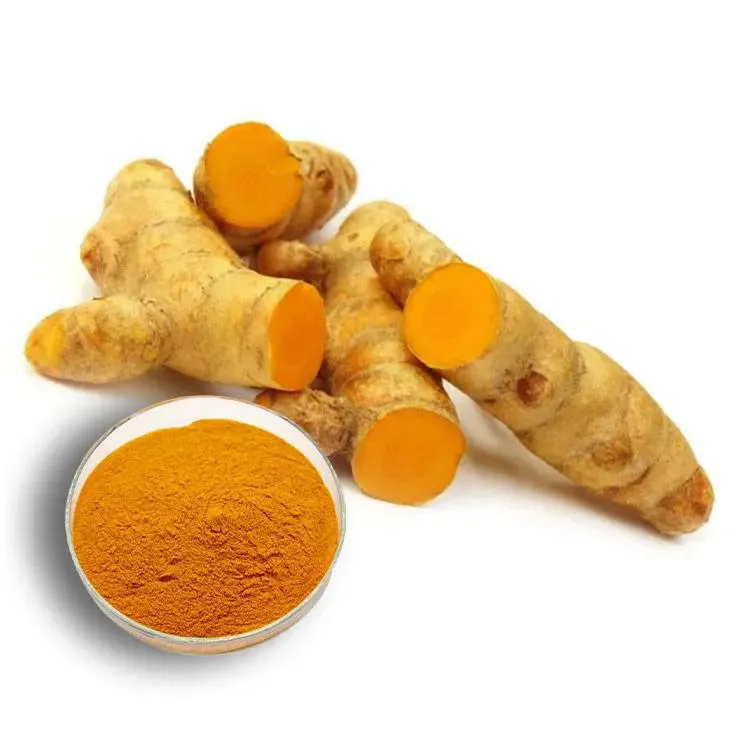
Table of Contents
What Is Turmeric Curcumin Extract and Why Is It the World's Most Studied Spice Compound?
Turmeric (Curcuma longa L.) is a perennial herbaceous plant of the ginger family, native to Southeast Asia and the Indian subcontinent. Its bright golden-yellow rhizome has been used for over 4,000 years in Ayurvedic and Traditional Chinese Medicine for its remarkable anti-inflammatory, antioxidant, and healing properties.
Today, turmeric Curcumin extract is the most extensively researched natural compound in modern nutraceutical science, with over 12,000 peer-reviewed publications exploring its biological activities. The global Curcumin market is projected to exceed USD 140 million by 2027, driven by growing consumer demand for natural anti-inflammatory solutions.
As a professional natural plant extract manufacturer with over 20 years of experience, Greensky Bio produces premium turmeric Curcumin Extract using advanced extraction and purification technologies, meeting the stringent quality requirements of international dietary supplement, food, and cosmetic manufacturers.
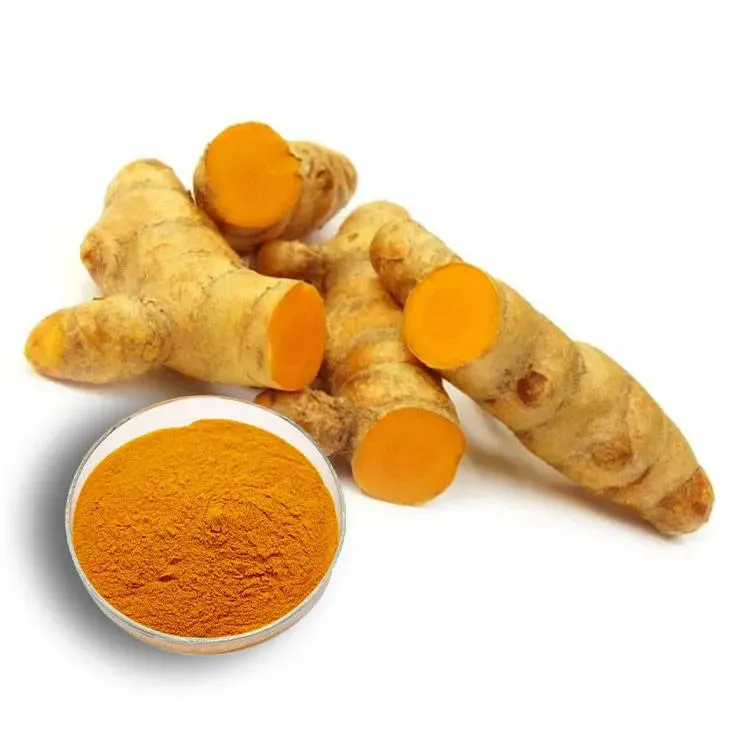
Active Compounds: Curcuminoids, Turmerones, and the Phytochemistry of Curcuma longa
Turmeric's therapeutic properties stem from a complex blend of bioactive compounds:
Curcuminoids (Diarylheptanoids):
Curcumin (diferuloylmethane): The most abundant and extensively studied curcuminoid, responsible for turmeric's characteristic golden color and primary anti-inflammatory activity. Typically comprises 75–80% of total curcuminoids.
Demethoxycurcumin (DMC): Exhibits potent anti-inflammatory and anticancer properties, with some studies suggesting superior bioavailability compared to curcumin.
Bisdemethoxycurcumin (BDMC): The least abundant curcuminoid but demonstrates unique pharmacological activities, including significant antioxidant and antimicrobial effects.
Essential Oil Components (Volatile Fraction):
α-Turmerone (Ar-turmerone): The primary sesquiterpene in turmeric essential oil, demonstrating neuroprotective, anti-inflammatory, and antimicrobial properties.
β-Turmerone and β-caryophyllene: Contribute to turmeric's characteristic aroma and possess anti-inflammatory and analgesic activities.
Curlone, Zingiberene, and 1,8-cineole: Additional volatile compounds with complementary therapeutic effects.
The complete turmeric extract — containing both curcuminoids and essential oil components — demonstrates superior therapeutic efficacy compared to isolated curcumin, illustrating the importance of full-spectrum phytochemical synergy.
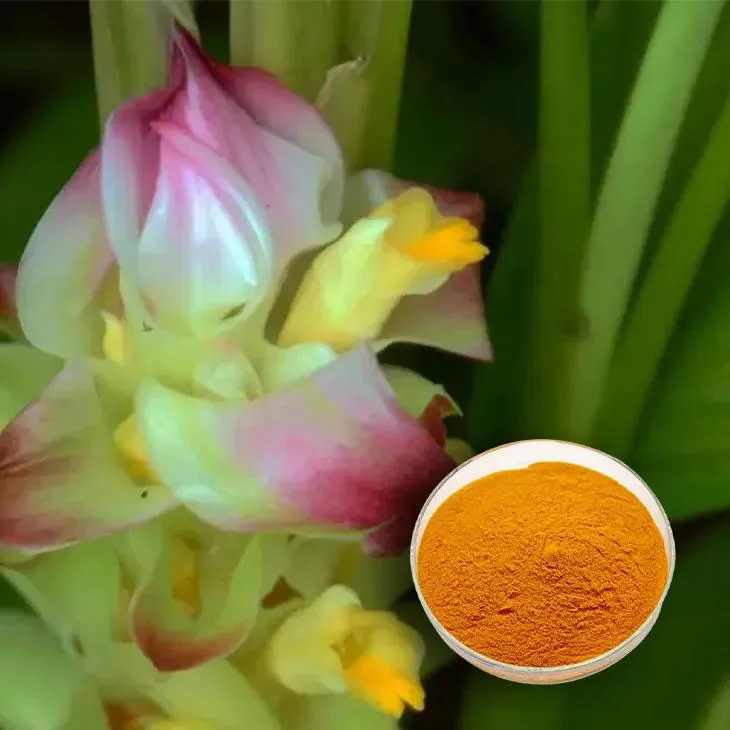
Anti-Inflammatory Mechanisms: NF-κB, COX-2, and the Cytokine Cascade
Curcumin's anti-inflammatory action operates through multiple molecular pathways simultaneously:
NF-κB Pathway Inhibition: Nuclear factor-kappa B (NF-κB) is a master transcription factor that regulates the expression of pro-inflammatory genes. Curcumin inhibits NF-κB activation by blocking IκB kinase (IKK), preventing the translocation of NF-κB to the nucleus and subsequent inflammatory gene expression.
COX-2 and LOX Suppression: Curcumin downregulates cyclooxygenase-2 (COX-2) and 5-lipoxygenase (5-LOX) enzymes, reducing the production of inflammatory prostaglandins and leukotrienes — the same enzyme targets as many conventional NSAIDs, but with a markedly superior safety profile.
Cytokine Modulation: Curcumin significantly reduces the production and release of pro-inflammatory cytokines, including TNF-α, IL-1β, IL-6, and IL-8, while promoting anti-inflammatory cytokine production (IL-10).
MAPK and JAK/STAT Pathway Regulation: Curcumin modulates mitogen-activated protein kinase (MAPK) signaling and Janus kinase/signal transducer and activator of transcription (JAK/STAT) pathways, providing additional layers of inflammatory control.
Nrf2 Pathway Activation: Curcumin activates the Nrf2 transcription factor, upregulating endogenous antioxidant defense enzymes including heme oxygenase-1 (HO-1), NAD(P)H quinone oxidoreductase 1 (NQO1), and glutathione S-transferase (GST).
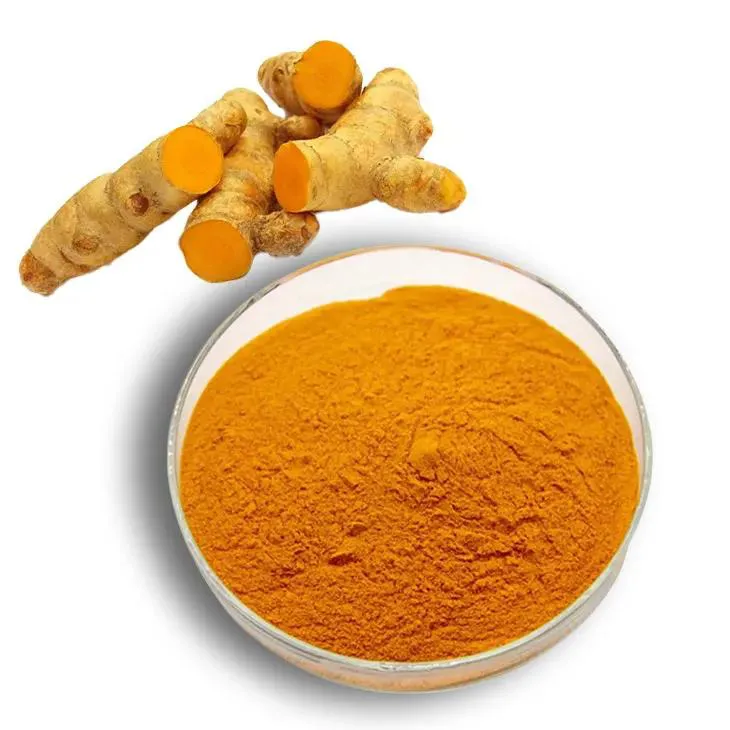
Clinical Evidence for Joint Health, Pain Management, and Recovery
Robust clinical data supports curcumin's efficacy across multiple health domains:
Osteoarthritis: Multiple randomized controlled trials have demonstrated that curcumin supplementation significantly reduces pain and improves function in knee osteoarthritis patients. A meta-analysis published in the Journal of Medicinal Food concluded that Curcumin Extract (1,000 mg/day) provides comparable pain relief to ibuprofen 1,200 mg/day with fewer adverse events.
Rheumatoid Arthritis: Clinical research published in Phytotherapy Research showed that curcumin supplementation (500 mg twice daily) significantly improved Disease Activity Score (DAS28) and American College of Rheumatology (ACR) criteria in rheumatoid arthritis patients.
Post-Exercise Muscle Soreness: Studies in the Journal of the International Society of Sports Nutrition demonstrated that curcumin supplementation reduces markers of muscle damage (creatine kinase, myoglobin), inflammatory cytokines, and perceived muscle soreness following intense exercise.
Metabolic Syndrome: Research in the European Review for Medical and Pharmacological Sciences showed curcumin improves endothelial function, reduces inflammatory markers (CRP, IL-6), and supports healthy lipid profiles in metabolic syndrome patients.
Cognitive Health: Emerging clinical evidence suggests curcumin may support cognitive function and reduce neuroinflammation. A double-blind, placebo-controlled study demonstrated improved memory and attention scores in healthy adults supplemented with curcumin for 18 months.
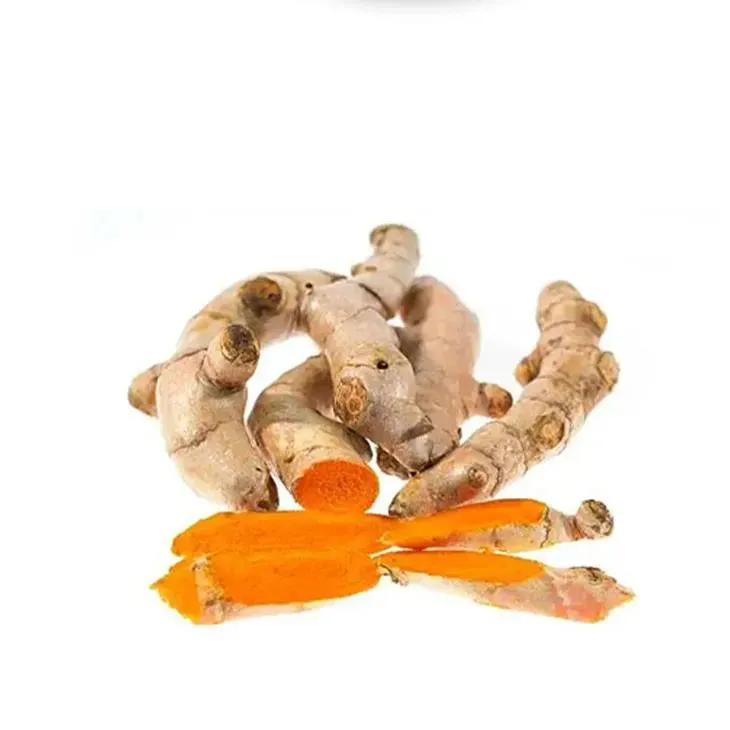
Antioxidant Capacity and Cellular Protection
Curcumin is a potent antioxidant that operates through both direct free radical scavenging and indirect antioxidant enzyme upregulation:
Direct Antioxidant Activity: The phenolic hydroxyl groups and β-diketone moiety in curcumin's molecular structure enable it to directly neutralize reactive oxygen species (ROS), including hydroxyl radicals, superoxide anions, and peroxyl radicals.
Indirect Antioxidant Defense: Curcumin upregulates endogenous antioxidant enzymes through Nrf2 pathway activation, providing sustained cellular protection beyond direct scavenging capacity.
Lipid Peroxidation Inhibition: Curcumin effectively inhibits lipid peroxidation in cell membranes, protecting against oxidative damage to cellular structures and preventing the formation of harmful lipid peroxidation products such as malondialdehyde (MDA) and 4-hydroxynonenal (4-HNE).
Metal Chelation: Curcumin can chelate transition metals (iron, copper) that catalyze free radical formation through Fenton reactions, providing an additional layer of antioxidant protection.
Bioavailability Challenge: Why Standard Curcumin Falls Short and How to Fix It
The primary limitation of standard curcumin is its poor oral bioavailability — a challenge that has driven significant innovation in formulation science:
Why Standard Curcumin Has Low Bioavailability:
Poor aqueous solubility (practically insoluble in water at physiological pH)
Rapid metabolism in the liver and intestinal wall (glucuronidation and sulfation)
Quick systemic elimination (half-life of approximately 6–7 hours)
Poor absorption across the intestinal epithelium
Proven Bioavailability Enhancement Strategies:
Piperine (Black Pepper Extract) Co-administration: The landmark study by Shoba et al. (1998) demonstrated that 20 mg of piperine combined with 2 g of curcumin increased bioavailability by 2,000%. This remains the most cost-effective enhancement strategy.
Liposomal Curcumin: Encapsulating curcumin in phospholipid liposomes dramatically improves absorption by bypassing first-pass metabolism and enhancing cellular delivery.
Curcumin Phytosome (Meriva®-type): Complexing curcumin with phosphatidylcholine creates a lipophilic complex with significantly enhanced absorption and sustained plasma levels.
Nanoparticle and Micellar Technologies: Advanced nanotechnology approaches create water-dispersible curcumin particles with dramatically improved dissolution rates and bioavailability.
Turmeric Essential Oil Co-extraction: Formulations that combine curcuminoids with turmeric essential oil (containing turmerones) demonstrate enhanced absorption due to the oil's natural emulsifying properties.
Greensky Bio offers both standard 95% curcuminoid extracts and enhanced bioavailability formulations, allowing B2B customers to select the optimal format for their specific application.
Standardization Options: 95% Curcuminoids vs. Full-Spectrum Extracts
Understanding standardization options is essential for product development:
95% Curcuminoids (USP Grade): The industry standard for dietary supplements. Contains a minimum of 95% total curcuminoids (curcumin + demethoxycurcumin + bisdemethoxycurcumin). Provides consistent, quantifiable potency for evidence-based formulations.
Curcumin 95% + Essential Oil: Combines concentrated curcuminoids with turmeric essential oil for enhanced bioavailability and the synergistic benefits of the complete turmeric phytochemical profile.
10:1 and 20:1 Concentrated Extracts: Higher concentration ratios for applications requiring lower inclusion rates, such as functional beverages and gummy formulations.
Full-Spectrum Turmeric Extract (Standardized to 5% Curcuminoids): Preserves the complete phytochemical matrix, including curcuminoids, essential oils, polysaccharides, and other minor compounds. Ideal for applications where the traditional whole-herb profile is preferred.
Water-Soluble Curcumin: Advanced formulations using micellar or emulsification technology to create truly water-dispersible curcumin for beverage and food applications.
Applications Across Supplements, Food, Beverage, and Topical Industries
Dietary Supplements: Capsules, tablets, softgels, powders, and liquid extracts targeting joint health, inflammation management, cardiovascular support, and cognitive function.
Functional Foods and Beverages: Golden milk formulations, turmeric-infused juices, wellness shots, energy bars, and functional teas. The growing "golden milk" trend has driven significant demand for high-quality turmeric extracts.
Topical Cosmetics and Personal Care: Anti-aging creams, acne treatments, skin-brightening formulations, and post-procedure recovery products leveraging curcumin's anti-inflammatory and antioxidant properties.
Pet Health Supplements: Growing market for natural anti-inflammatory and joint support supplements for companion animals and livestock.
Quality Assurance: How to Source Pharmaceutical-Grade Turmeric Extract
Critical quality parameters for turmeric Curcumin Extract:
Heavy Metal Testing: Turmeric can accumulate lead, cadmium, and other heavy metals from soil. Comprehensive ICP-MS testing is essential. Premium suppliers maintain results well below pharmacopeial limits.
Aflatoxin Screening: Aspergillus contamination is a significant risk in turmeric. Advanced suppliers employ HPLC-based aflatoxin testing (B1, B2, G1, G2) with detection limits below 2 ppb.
Pesticide Residue Analysis: Multi-residue pesticide screening (500+ compounds) ensures compliance with EU, US, and Japanese regulatory requirements.
Solvent Residue Testing: GC-MS analysis confirms the absence of residual extraction solvents, ensuring product safety.
Microbiological Testing: Total plate count, yeast/mold, E. coli, Salmonella, and Staphylococcus aureus testing per pharmacopeial standards.
Greensky Bio maintains ISO 22000, BRCGS, Ecocert Organic, and SGS-GMP certifications with a 100,000-class clean production area and independent laboratory equipped with HPLC, GC, UV, and other advanced analytical instruments, ensuring every batch meets the highest international quality standards.
Frequently Asked Questions About Turmeric Curcumin Extract
Q: What is the difference between turmeric powder and curcumin extract?A: Turmeric powder contains only 2–5% curcuminoids naturally. Curcumin extract is concentrated to 95% curcuminoids through solvent extraction and purification, providing 20–50x the active compound concentration of raw powder.
Q: How much curcumin should I take daily?A: Clinical studies typically use 500–2,000 mg/day of standardized curcumin extract. With bioavailability-enhanced formulations (e.g., piperine-combined or liposomal), effective doses may be as low as 80–500 mg/day.
Q: Does curcumin interact with medications?A: Curcumin may interact with blood thinners (warfarin, aspirin), diabetes medications, and certain chemotherapy drugs. Consult a healthcare provider before combining curcumin supplements with prescription medications.
Q: Can curcumin help with weight management?A: Emerging research suggests curcumin may support healthy metabolism and reduce inflammation-associated weight gain. Studies in the European Review for Medical and Pharmacological Sciences have shown modest but significant improvements in body composition with curcumin supplementation.
Q: Is turmeric curcumin extract safe during pregnancy?A: While culinary use of turmeric as a spice is generally considered safe, high-dose curcumin supplementation during pregnancy should be discussed with a healthcare provider due to limited clinical data.
Q: What is the shelf life of turmeric curcumin extract?A: Properly stored in sealed containers away from light and moisture, turmeric curcumin extract maintains potency for 24–36 months. Curcumin is relatively stable but can degrade with prolonged exposure to light and alkaline conditions.
Q: Does curcumin have anti-cancer properties?A: Extensive preclinical research demonstrates curcumin's ability to modulate multiple cancer-related pathways. However, clinical evidence is still developing, and curcumin should not be considered a cancer treatment. Ongoing clinical trials continue to evaluate its potential as an adjunct therapy.
Q: What regulatory approvals does curcumin have?A: In the United States, curcumin is generally recognized as safe (GRAS) for food use and is approved as a dietary supplement ingredient. In the EU, it is approved as a food colorant (E100) and herbal medicinal product. Japan's FOSHU program has also approved certain curcumin-containing products.
- ▶ Hesperidin
- ▶ Citrus Bioflavonoids
- ▶ Plant Extract
- ▶ lycopene
- ▶ Diosmin
- ▶ Grape seed extract
- ▶ Sea buckthorn Juice Powder
- ▶ Fruit Juice Powder
- ▶ Hops Extract
- ▶ Artichoke Extract
- ▶ Mushroom extract
- ▶ Astaxanthin
- ▶ Green Tea Extract
- ▶ Curcumin
- ▶ Horse Chestnut Extract
- ▶ Other Product
- ▶ Boswellia Serrata Extract
- ▶ Resveratrol
- ▶ Marigold Extract
- ▶ Grape Leaf Extract
- ▶ New Product
- ▶ Aminolevulinic acid
- ▶ Cranberry Extract
- ▶ Red Yeast Rice
- ▶ Red Wine Extract
- ▶ blog
-
Citrus bioflavonoids
2026-11-23
-
Dan Shen Root Extract/Salvia Root Extract
2026-11-23
-
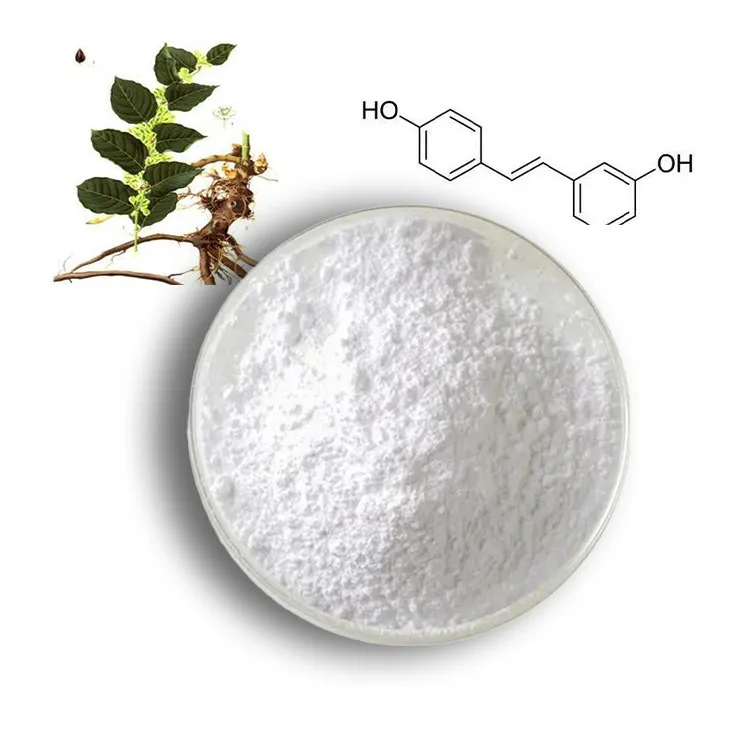
Resveratrol
2026-11-23
-
Gamma-Aminobutyric Acid
2026-11-23
-
Chaga Mushroom Extract
2026-11-23
-
Beetroot juice Powder
2026-11-23
-
Giant Knotweed Extract
2026-11-23
-
Baicalin
2026-11-23
-
Yam Extract
2026-11-23
-
Eucommia Ulmoides Extract
2026-11-23