- 0086-571-85302990
- [email protected]




Where is stevia grown and how does location affect sweetness?
2026-08-18
Stevia has quietly become one of the most talked-about natural sweeteners on the market, prized for its intense sweetness and near-zero calories. But behind every packet of stevia powder and every bottle of sugar-free drink there is a simple question that few consumers stop to ask: where is stevia grown, and does the place it comes from actually change how sweet it is? The answer is yes, and the reasons are more interesting than most people expect.
Stevia (Stevia rebaudiana Bertoni) is a small perennial herb in the sunflower family. It is native to the highlands of Paraguay and Brazil, where the Guarani people have used its leaves to sweeten drinks and herbal teas for centuries. The sweetness comes from compounds called steviol glycosides, which are produced naturally in the leaves and can be hundreds of times sweeter than table sugar while contributing almost no calories. Today the plant is cultivated on a commercial scale across Asia, the Americas and parts of Africa, and the region where it is grown has a measurable influence on the sweetness and quality of the final extract.
Where stevia is grown around the world
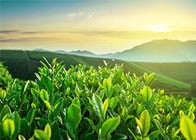
Stevia originally comes from the subtropical climate of South America, and it still grows best in warm regions with long, sunny days. In its native habitat and in subtropical zones, stevia behaves as a perennial and can keep producing leaves for several years. In cooler temperate climates, it is usually grown as an annual and replanted each spring. This adaptability is one reason stevia farming has spread so widely.
China is currently the largest producer and exporter of stevia in the world, followed by Paraguay, Brazil, India and Kenya. Significant cultivation also takes place in Japan, South Korea, Thailand, Indonesia, Vietnam and parts of the United States. Chinese growers, especially in the provinces of Anhui, Shandong and Jiangsu, have developed large-scale stevia farming operations that supply raw leaf material to extract manufacturers around the globe. Because the plant prefers well-drained, fertile sandy loam with a slightly acidic to neutral pH and a steady supply of moisture, the best growing regions tend to share a similar profile: warm temperatures, reliable rainfall or irrigation, and long daylight hours during the growing season.
How location shapes the sweetness of stevia
The sweetness of stevia leaves is not fixed. It depends on the total amount of steviol glycosides the plant accumulates, and that amount is strongly influenced by where and how the plant is grown. Research has shown that steviol glycoside content can range from roughly 2% to 20% of leaf dry weight depending on growing conditions, cultivation methods and the maturity of the plant at harvest.
Day length is one of the most important factors. Stevia produces more stevioside, the main sweetening compound, when it is grown under long-day conditions, because a longer vegetative period gives the leaves more time to accumulate glycosides. This is why stevia grown in higher latitudes with long summer days often shows higher glycoside yields than the same variety grown in short-day tropical regions. Temperature and water stress also play a role. Stevia has poor tolerance to drought, and plants that suffer from moisture stress tend to produce lower-quality leaves, so growers in drier regions rely on irrigation to keep sweetness levels consistent.
Soil quality matters as well. Stevia grows best in fertile, well-drained soil rich in organic matter, with a pH around 6 to 7. Plants grown in poor or waterlogged soil produce fewer leaves and lower concentrations of the sweet compounds. Even the balance of nutrients affects the outcome: stevia prefers low nitrogen but higher levels of phosphorus and potassium, so growers who adjust their fertilizer programs can noticeably improve both leaf yield and sweetness.
Why the glycoside profile varies from region to region
Stevia leaves contain several different steviol glycosides, and the two that matter most for sweetness are stevioside and rebaudioside A. Stevioside is usually the most abundant compound, while rebaudioside A is prized because it tastes cleaner and less bitter. The ratio between these two compounds is a key measure of quality, and it varies noticeably depending on the origin of the plant material.
Studies that compared stevia genotypes collected from different parts of the world found clear differences in glycoside content when the plants were grown under identical conditions. Genotypes from Morocco, Poland, Egypt and Nigeria produced relatively high concentrations of the sweet compounds, while genotypes from Australia, China, India and Pakistan showed a higher rebaudioside A to stevioside ratio, which makes them particularly interesting for breeding sweeter, better-tasting varieties. Even the minor glycosides, such as rebaudioside C and D, were found at higher levels in genotypes from China and Australia than in those from Malaysia and Paraguay. These findings confirm that the geographical origin of stevia, together with the environment in which it is grown, shapes the sweetness profile of the leaves.
For buyers, this variation matters because the quality of the raw material directly affects the quality of the finished extract. A Stevia Extract with a high rebaudioside A content tastes cleaner and is more versatile in food and beverage applications, which is why many manufacturers specify the glycoside profile they need rather than simply buying "stevia powder."
From leaf to extract: turning location into consistency
Because growing conditions vary so much from one region to another, turning raw stevia leaves into a consistent, high-quality product requires careful sourcing and rigorous quality control. The leaves are harvested, dried and then processed to extract the steviol glycosides, and the resulting powder is tested to confirm its purity and glycoside profile before it reaches the market.
This is where a reliable supplier makes a real difference. Stevia Extract from GreenSkyBio is a natural sweetener extracted from the leaves of Stevia rebaudiana, containing steviol glycosides that are hundreds of times sweeter than ordinary sugar with almost no calories. Available in purities ranging from 40% to 99% rebaudioside A, the extract is produced under strict quality control and is widely used in the food, beverage and health food industries, making it especially popular with diabetics and people managing their weight.
As a professional stevia extract supplier, GreenSkyBio combines more than 20 years of experience in botanical ingredients with a vertically integrated production chain, an independent laboratory equipped with HPLC and other analytical instruments, and certifications including ISO22000, BRCGS, HALAL and Kosher. Every batch is tested to ensure it meets the customer's required glycoside profile, so that the natural variation of stevia grown in different regions never becomes a problem in your finished product.
Choosing the right stevia for your product
Understanding where stevia is grown and how location affects sweetness is not just an interesting piece of trivia. For formulators and manufacturers, it is practical information that helps explain why different batches of stevia can taste different, and why working with a supplier who controls sourcing and quality is so important. When you buy bulk stevia extract, you are not just buying a powder. You are buying the result of a long chain that starts with the right growing region, continues with careful cultivation and harvesting, and ends with laboratory testing that guarantees the sweetness and purity you specified.
If you are looking for a dependable source of high-purity Stevia Extract for your food, beverage or supplement products, contact GreenSkyBio at [email protected]. The team will be happy to share specifications, samples and documentation to help you find the right product for your needs.
TAGS:
- ▶ Hesperidin
- ▶ Citrus Bioflavonoids
- ▶ Plant Extract
- ▶ lycopene
- ▶ Diosmin
- ▶ Grape seed extract
- ▶ Sea buckthorn Juice Powder
- ▶ Fruit Juice Powder
- ▶ Hops Extract
- ▶ Artichoke Extract
- ▶ Mushroom extract
- ▶ Astaxanthin
- ▶ Green Tea Extract
- ▶ Curcumin
- ▶ Horse Chestnut Extract
- ▶ Other Product
- ▶ Boswellia Serrata Extract
- ▶ Resveratrol
- ▶ Marigold Extract
- ▶ Grape Leaf Extract
- ▶ New Product
- ▶ Aminolevulinic acid
- ▶ Cranberry Extract
- ▶ Red Yeast Rice
- ▶ Red Wine Extract
- ▶ blog
-
Gamma-Aminobutyric Acid
2026-08-18
-
Pueraria Lobata Extract
2026-08-18
-
Centella Asiatica Extract
2026-08-18
-
Buckthorn bark extract
2026-08-18
-
Purple Sweet Potato Extract
2026-08-18
-
Pine bark Extract Powder
2026-08-18
-
Panax Ginseng Leaf Extract
2026-08-18
-
Epimedium extract powder
2026-08-18
-
Eucommia Ulmoides Extract
2026-08-18
-
Fig Extract
2026-08-18