- 0086-571-85302990
- [email protected]






Where can I source authentic chinese red rice yeast?
2026-08-18
If you are procuring red rice yeast for a supplement brand, a food manufacturing line, or a wellness formulation project, you have probably asked yourself a practical question: where can I source authentic Chinese red rice yeast? The answer matters more than you might think, because red yeast rice is one of those raw materials where "same name" does not mean "same quality." This guide explains what authenticity really means for this ingredient, why China remains the natural origin for it, and how to qualify a supplier before you commit to a large volume order.
What makes red rice yeast "authentic"?
Authenticity starts with how the ingredient is made. Authentic red yeast rice is produced by fermenting steamed rice with Monascus purpureus, a traditional fermentation culture with an exceptionally long history in Chinese food and traditional medicine. This is not a synthetic pigment and it is not a laboratory-mixed blend. The fermentation process is what builds the ingredient's characteristic deep red colour and its most studied active compound, Monacolin K.
For buyers, "authentic" carries three practical meanings. First, the product must be genuinely fermented rather than simply coloured with a red carrier. Second, it must carry a consistent, documented level of Monacolin K so that your final product meets the label claim you intend to make. Third, it must be free of unwanted by-products such as citrinin, a fermentation impurity that responsible suppliers test for and control.
Why China is the natural source for red rice yeast
China is not just one of many places where red yeast rice happens to be made; it is where the fermentation tradition originated, and it remains home to the specialized production and quality-control expertise behind functional red yeast rice. Sourcing directly from a Chinese manufacturer gives you access to the full production chain: rice selection, controlled fermentation, extraction, refining, and laboratory testing under one roof. That makes it far easier to verify each batch than buying through multi-layer trading channels.
Working with an experienced Chinese producer also means you receive product developed specifically for worldwide export, with documentation prepared for regulatory submissions in markets such as Europe, the United States, South Korea, and Russia. In short, when you source red rice yeast from China from a reputable manufacturer, you combine genuine origin with ready-to-use export compliance.
The two specifications that decide quality: Monacolin K and citrinin
Not all red yeast rice is created equal, and the difference is almost entirely captured by two numbers on the certificate of analysis.
The first is Monacolin K content. This is the active compound that has drawn the most interest, and it is also the value that drives pricing. A serious functional red yeast rice supplier should be able to offer a reproducible range, typically 0.2% to 5%, and to confirm the exact content of each batch through HPLC analysis in an in-house or third-party laboratory.
The second is citrinin, a nephrotoxic by-product of fermentation that can appear when the process is not strictly controlled. Authentic, high-grade red yeast rice is produced under conditions that keep citrinin as low as possible or absent entirely. When you evaluate a supplier, explicitly ask how they monitor citrinin and request the relevant test data alongside your quotation.
Asking about both numbers upfront separates a genuine red yeast rice manufacturer from a trader simply repackaging generic powder.
How to qualify a supplier before you order
A single quote and a price list are not enough to confirm authenticity. Walk through the following checks with every candidate supplier:
- Ask for the certificate of analysis (COA) for each batch, and verify that it lists Monacolin K content, citrinin results, and related specification parameters rather than vague "typical values."
- Check independent certification. Recognized schemes such as ISO22000, BRCGS, HALAL and Kosher indicate that the plant is audited against international food-safety standards rather than operating informally.
- Ask whether production is carried out in a clean area. A 100,000-class clean production area meeting food-grade requirements is a meaningful signal of consistent hygiene for an edible ingredient.
- Confirm in-house laboratory capability. Suppliers equipped with instruments such as GC, HPLC and UV can test every batch they ship, which matters enormously for consistency.
- Request export documentation for the raw material so your own downstream regulatory submission is straightforward later.
Prefer a manufacturer over a middleman
For an ingredient whose quality hinges on fermentation control and batch testing, dealing directly with the manufacturer (rather than a broker) gives you the clearest visibility and the cleanest audit trail. A manufacturer can share the actual production parameters, show you the testing equipment behind the COA, and support you through formulation and regulatory questions with people who understand the process, not just the paperwork.
This is where years of specialization matter. Choosing a supplier that has focused on the field for more than two decades and runs its own dedicated production and quality teams dramatically lowers the risk of receiving powder that looks right on paper but fails to perform at your end.
A reliable partner for authentic Chinese red rice yeast
Hangzhou Greensky Biological Tech. Co., Ltd. is a specialized manufacturer of chinese red rice yeast and naturally derived plant extracts, established in 2004 and operating its own vertically integrated production with five wholly-owned subsidiaries. Its functional red yeast rice is produced through a strict fermentation process and is available with a reproducible Monacolin K content ranging from 0.2% to 5%, while remaining citrinin-free.
Greensky combines an independent laboratory equipped with instruments such as GC and HPLC with a 100,000-class clean production area that meets food-grade requirements. The company holds internationally recognised certifications including ISO22000, BRCGS, Ecocert Organic, SGS-GMP, ISO9001, HALAL and Kosher, and prepares export documentation to support submissions in markets across Europe, the United States, South Korea, and Russia.
Whether you need a single batch for trials or a steady annual volume, you can buy red rice yeast directly from the source and receive a consistent, documented product. Speak with the team, request a COA and samples, and you will understand quickly why so many buyers choose to source their authentic Chinese red rice yeast directly from a dedicated manufacturer.
- ▶ Hesperidin
- ▶ Citrus Bioflavonoids
- ▶ Plant Extract
- ▶ lycopene
- ▶ Diosmin
- ▶ Grape seed extract
- ▶ Sea buckthorn Juice Powder
- ▶ Fruit Juice Powder
- ▶ Hops Extract
- ▶ Artichoke Extract
- ▶ Mushroom extract
- ▶ Astaxanthin
- ▶ Green Tea Extract
- ▶ Curcumin
- ▶ Horse Chestnut Extract
- ▶ Other Product
- ▶ Boswellia Serrata Extract
- ▶ Resveratrol
- ▶ Marigold Extract
- ▶ Grape Leaf Extract
- ▶ New Product
- ▶ Aminolevulinic acid
- ▶ Cranberry Extract
- ▶ Red Yeast Rice
- ▶ Red Wine Extract
- ▶ blog
-
Quercetin
2026-08-18
-
Agaricus Blazei Extract
2026-08-18
-
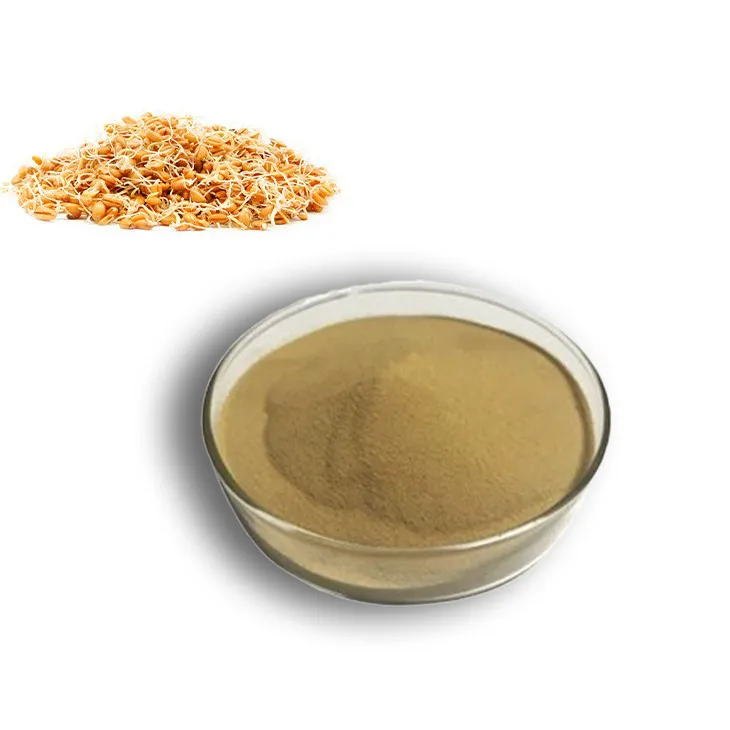
Wheat Germ Extract
2026-08-18
-
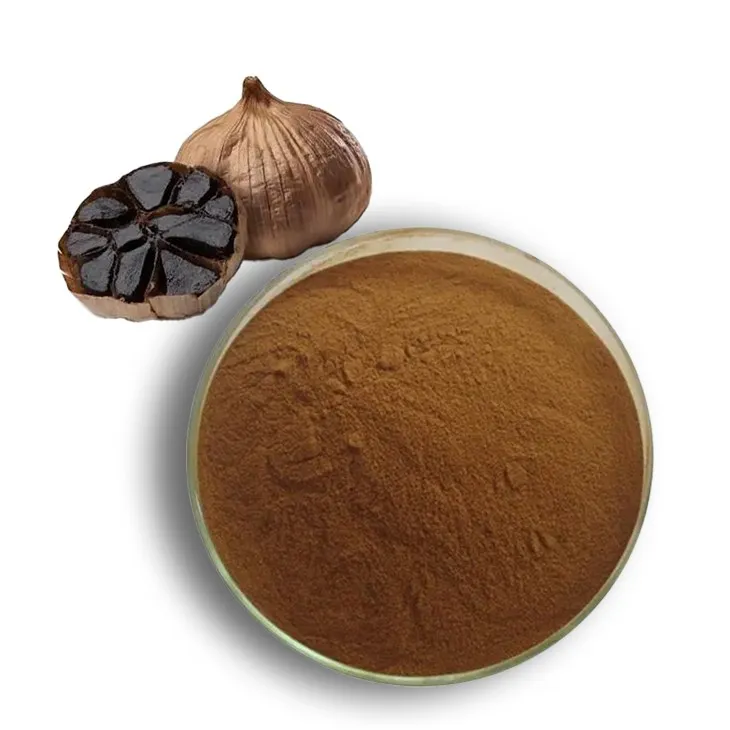
Black Garlic Extract
2026-08-18
-
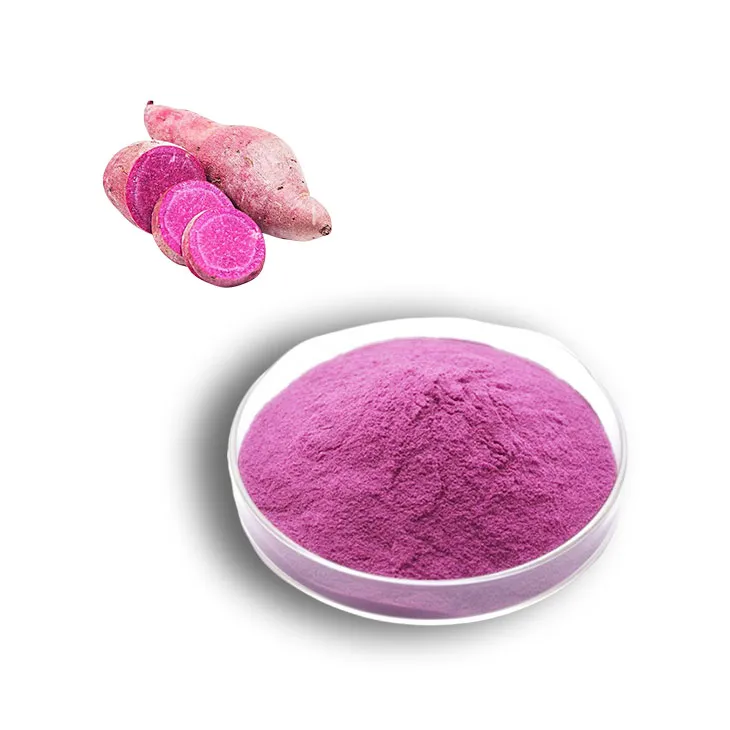
Purple Sweet Potato Extract
2026-08-18
-
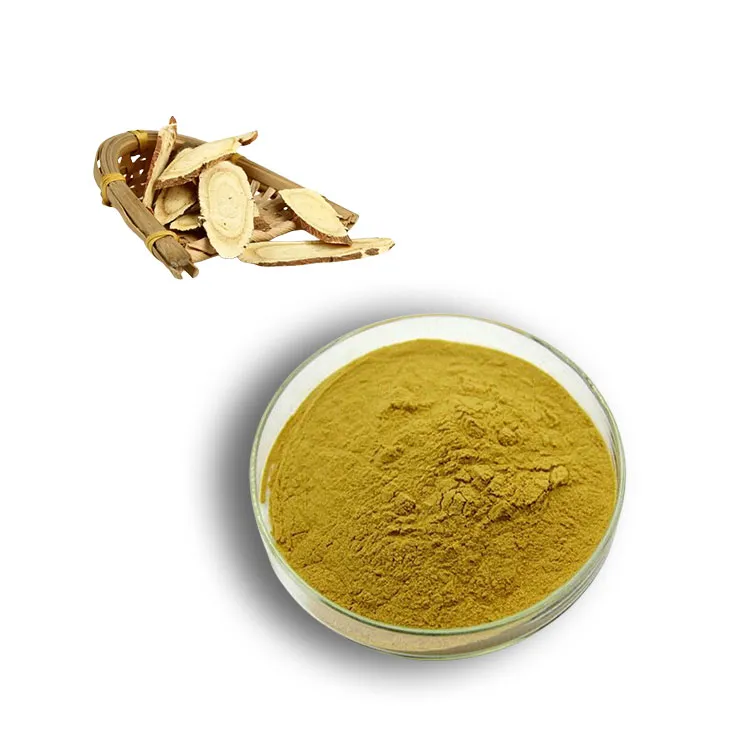
Licorice Root Extract Powder
2026-08-18
-
Camu Camu Extract
2026-08-18
-
Pine bark Extract Powder
2026-08-18
-
Elderberry Extract
2026-08-18
-
Pomegranate Extract
2026-08-18
