- 0086-571-85302990
- [email protected]





What quality controls are used in a lycopene powder factory?
2026-08-19
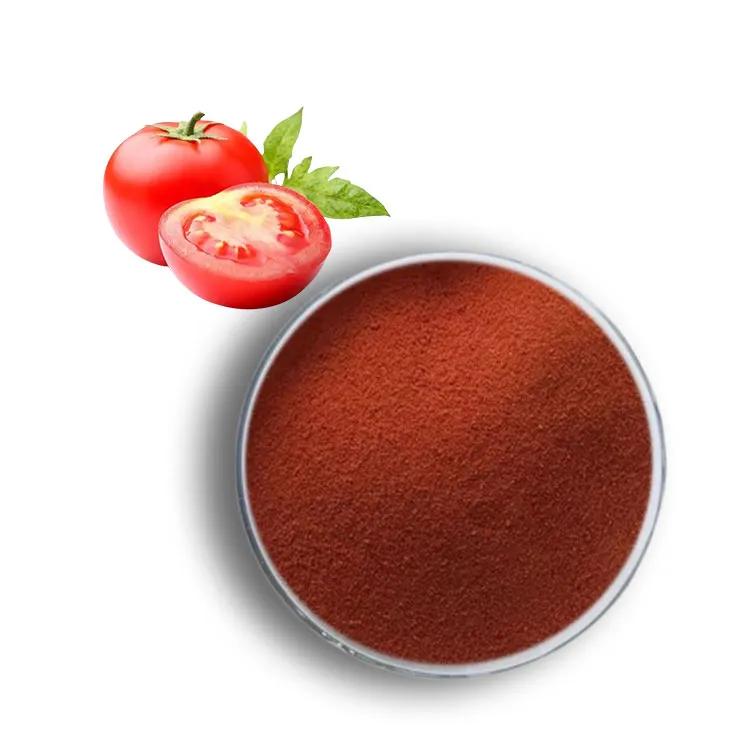
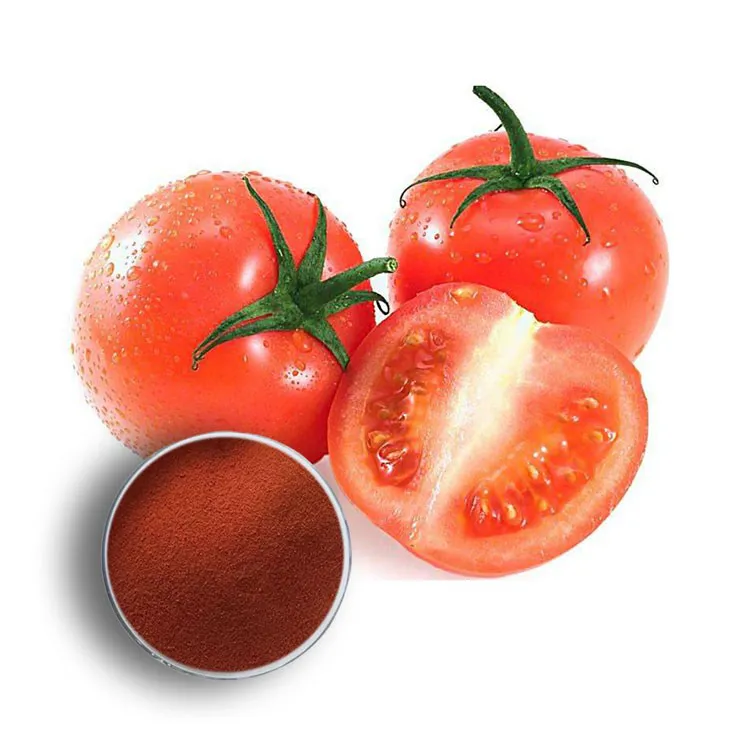
Lycopene, the bright red carotenoid that gives tomatoes, watermelon, and pink grapefruit their color, is one of the most studied natural antioxidants in the world. It now appears in dietary supplements, functional foods, beverages, cosmetics, and even animal nutrition. As consumer demand for lycopene supplement products keeps climbing, the quality of the powder used to make those products matters more than ever. What a customer puts in a finished capsule or sachet starts long before that, inside the factory walls where Lycopene powder is made. This article walks through the quality controls a responsible Lycopene powder factory puts in place at every stage, from the incoming tomato-based raw materials to the sealed drum that leaves the warehouse.
1. Raw material quality control: quality begins before the first extraction
Lycopene powder cannot be better than the material it is made from. A reliable lycopene powder factory begins with strict control over its raw material sourcing. Tomato cultivars chosen for industrial lycopene extraction are screened for high natural lycopene content, and harvest timing is managed so the fruit is processed at peak ripeness, when the active ingredient is at its highest level. Raw material suppliers are required to follow good agricultural practices, and every incoming lot is inspected before it enters production.
At the receiving stage, the quality control team checks identity, appearance, moisture, and basic cleanliness, and records the batch and origin of each delivery. Because lycopene is sensitive to light and heat, raw material often travels and is stored under controlled conditions. Traceability is established here, so that every finished drum of powder can be traced back to the exact raw material lots that produced it. A factory that cannot tell you where its material came from cannot guarantee what is in its powder.
2. Controlled extraction and production process
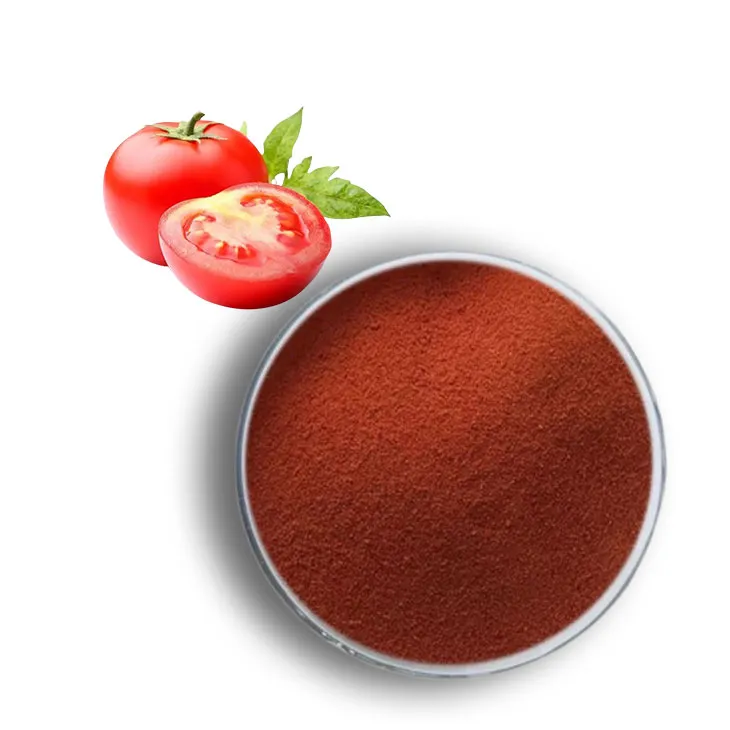
Once approved for production, the material moves through a controlled process that typically combines solvent extraction with concentration and drying into a powder. Lycopene is heat-sensitive, so the temperature and time at each step are monitored and recorded rather than left to chance. Extraction parameters such as solvent type, solvent-to-material ratio, temperature, and extraction time are set within validated limits to pull out the active compound while keeping unwanted impurities out.
After extraction, the liquid is concentrated and dried to form the powder, often using equipment designed to protect heat-sensitive compounds while controlling residual moisture. In-process samples are taken at key checkpoints during this run. Operators check yield, solids content, and appearance, and adjust the line within approved limits. Behind these controls sits a facility designed to keep contamination out. A professional lycopene powder factory works in a clean, food-grade production area, keeps its extraction tanks, concentrators, drying towers, and separators properly maintained and cleaned, and trains its operators so that routine checks become part of every shift.
3. Laboratory testing: checking what actually went into the powder
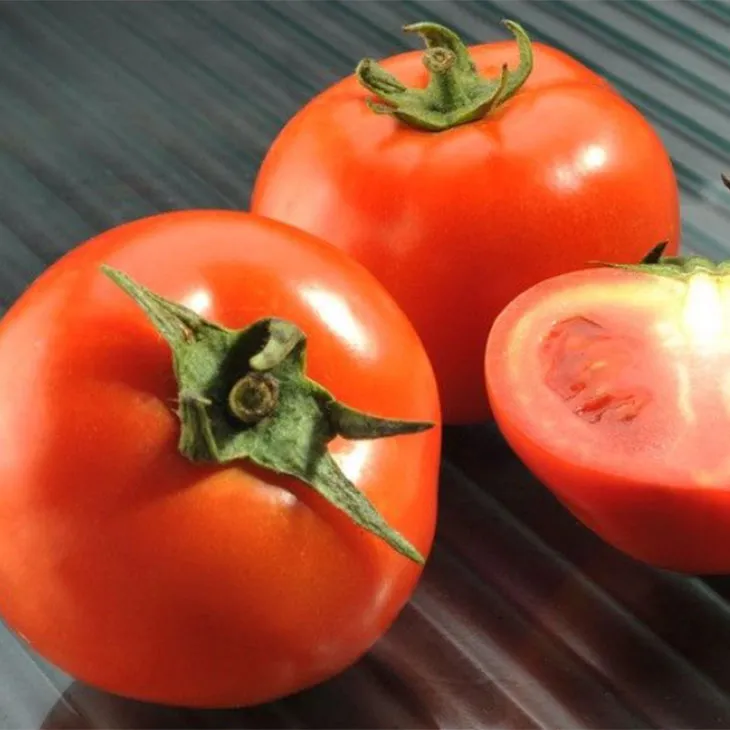
The heart of quality control is the laboratory, where every batch of lycopene powder is tested before it is released. An independent in-house laboratory equipped with HPLC, GC, and UV instruments is the mark of a serious manufacturer, because these are the tools used to verify real quality.
- Identity testing confirms the powder really is lycopene and not a substitute or adulterated material.
- Assay by HPLC is the core potency check. The assay, usually given as a percentage, is measured for every batch and stated clearly on the specification sheet. Common powder grades range from roughly 1% to 10% lycopene, and a responsible manufacturer backs every batch with a Certificate of Analysis (CoA).
- Residual solvent testing by GC ensures the extraction solvent has been removed down to safe, allowed limits.
- Heavy metal testing checks for lead, mercury, cadmium, and other contaminants.
- Microbiological testing covers total plate count, yeast and mould, and pathogens such as E. coli and Salmonella.
- Moisture and appearance checks confirm the powder meets the expected physical and stability characteristics.
A single good batch tells you very little. What matters is that the same specification holds batch after batch, which is why routine testing of every batch, rather than occasional sampling, is the standard that serious lycopene producers follow.
4. Packaging, storage, and documentation
Quality control does not stop when the powder passes laboratory testing. Lycopene powder must be protected from light, heat, and moisture during packaging and storage, or it will degrade before it reaches the customer. Powder is packed in sealed, food-grade containers under clean conditions, and batches are stored in a cool, dry, dark environment until shipment.
Equally important is documentation. Every batch carries a CoA recording the assay and test results. Full production records, batch numbers, and raw material traceability allow a defect, if one ever appears, to be traced to its source and corrected. A professional factory also prepares supporting documents such as material safety data sheets, allergen and non-GMO statements, and export registration files, which become essential when a supplement brand or food formulator registers its finished product in regulated markets.
5. Certification and regulatory compliance
Recognition from independent bodies gives customers a fast, objective way to judge whether a factory takes quality seriously. For a lycopene powder intended for food and supplement use, meaningful credentials include ISO22000, SGS-GMP, ISO9001, HALAL, and Kosher, with organic certification added when organic material is required. For factories exporting to regulated markets, an export food production enterprise registration is another strong signal. A responsible lycopene producer is not vague about these credentials: it shares certificate numbers and welcomes verification.
What good quality control looks like in practice
To see these controls working together, consider a long-standing manufacturer such as Hangzhou Greensky Biological Tech. Co., Ltd., founded in 2004. Greensky produces lycopene extract in a 100,000-class clean production area that meets food-grade requirements, and runs an independent laboratory equipped with HPLC, GC, and UV instruments for routine lycopene extract testing. It holds ISO22000, BRCGS, Ecocert Organic Standard, SGS-GMP, ISO9001, HALAL, and Kosher certifications, and supplies markets across Europe, the United States, South Korea, and Russia. Its vertical integration, covering research, development, production, and sales, supports the traceability and batch consistency that quality control is built to deliver.
China has become a major source of plant extracts, and buyers sourcing china lycopene powder in bulk are increasingly looking past the price tag toward the factory that stands behind it.
Final thoughts
The quality controls used in a lycopene powder factory form a connected chain: controlled raw material sourcing, a validated and monitored production process, a clean and well-maintained facility, systematic laboratory testing of every batch, careful packaging and storage, complete documentation, and independent certification. Any weak link in that chain can show up as variation, contamination, or degraded potency in the finished powder. For supplement brands, food formulators, and distributors, understanding these controls is the best way to choose a partner whose powder meets the standard you promise to your own customers.
If you are evaluating a lycopene powder manufacturer or supplier, ask to see its specification sheet, its CoA, its laboratory methods, and its certifications. A factory that can show you all four is worth a deeper conversation. Start with samples, verify the documentation, and you will have a solid basis for a long, consistent partnership.
- ▶ Hesperidin
- ▶ Citrus Bioflavonoids
- ▶ Plant Extract
- ▶ lycopene
- ▶ Diosmin
- ▶ Grape seed extract
- ▶ Sea buckthorn Juice Powder
- ▶ Fruit Juice Powder
- ▶ Hops Extract
- ▶ Artichoke Extract
- ▶ Mushroom extract
- ▶ Astaxanthin
- ▶ Green Tea Extract
- ▶ Curcumin
- ▶ Horse Chestnut Extract
- ▶ Other Product
- ▶ Boswellia Serrata Extract
- ▶ Resveratrol
- ▶ Marigold Extract
- ▶ Grape Leaf Extract
- ▶ New Product
- ▶ Aminolevulinic acid
- ▶ Cranberry Extract
- ▶ Red Yeast Rice
- ▶ Red Wine Extract
- ▶ blog
-
Avocado Extract Powder
2026-08-19
-
Baicalin
2026-08-19
-
Chia Seed Powder
2026-08-19
-
Medicinal Marshmallow Extract
2026-08-19
-
Baobab Fruit Extract
2026-08-19
-
Bamboo Leaf extract
2026-08-19
-
Cranberry Extract
2026-08-19
-
Yellow Pine Extract
2026-08-19
-
American Ginseng Root Extract
2026-08-19
-
Pueraria Lobata Extract
2026-08-19