- 0086-571-85302990
- [email protected]






What production capacity do dried lemon juice powder manufacturers have?
2026-08-17
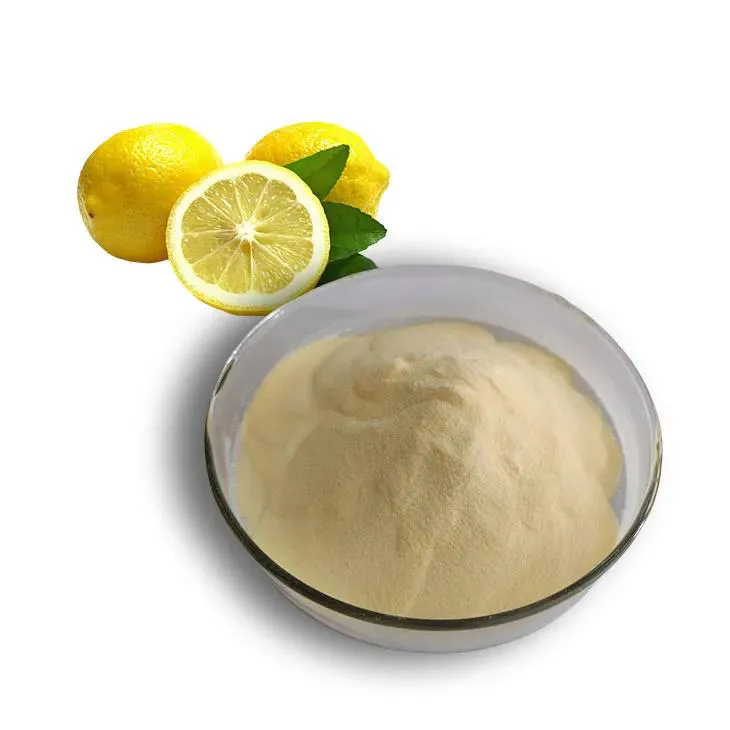
When buyers source lemon juice powder in bulk, one of the first questions that comes up is how much the manufacturer can actually produce. Production capacity shapes everything downstream: lead times, safety stock, seasonal availability, and whether a supplier can keep up if your orders grow. This article explains what production capacity really means for dried Lemon Juice Powder, why it varies so widely between suppliers, and how to put a manufacturer's numbers into perspective before you commit.
What does production capacity mean for a dried Lemon Juice Powder manufacturer?
In the juice powder business, "production capacity" is usually expressed in two ways. The first is annual volume, such as tons of finished powder a factory can turn out in a year. The second is production speed, measured by how much raw juice can be processed per shift or per batch. Both matter, but they answer slightly different questions. Annual volume tells you whether a supplier can sustain your contract over time; batch throughput tells you how quickly they can refill stock when demand spikes.
Dried Lemon Juice Powder is made by removing most of the water from fresh lemon juice, typically through spray drying, and the bottleneck is almost always the drying equipment itself. A setup built around a large spray drying tower together with concentration tanks can process far more juice in a day than a smaller line with only a lab-scale dryer. So when a supplier quotes a capacity figure, it is worth asking which part of the line that number refers to, rather than taking it at face value.
Why capacity differs so much between suppliers
The range across the market is genuinely wide, and the reasons are practical rather than mysterious. A few factors stand out:
- Scale of equipment. Multi-ton extraction tanks, high-efficiency low-temperature concentrators, and a dedicated spray drying tower all raise what a single factory can produce. Manufacturers with this kind of hardware simply have a larger ceiling on output.
- Vertical integration. Suppliers who control their own extraction and drying lines can keep the whole process under one roof, which tends to make output steadier and less dependent on outside workshops.
- Seasonal sourcing of fruit. Lemon harvests fluctuate through the year. Factories that can hold and process supply across seasons keep their capacity more consistent, while others may run full tilt in peak season and slow down later.
- Custom specifications. Strict organic, allergen-free, or custom particle-size runs can reduce usable throughput, so a catalog capacity figure may be higher than what a given specification actually allows.
How to judge whether a quoted capacity is realistic
Rather than treating a number from a brochure as the whole story, treat capacity as something to probe. Ask a prospective lemon juice powder supplier a few practical questions:
- What is your annual output of finished lemon juice powder, and how much of that is currently committed to other customers?
- Which equipment sets that limit, and how many drying and concentration lines do you operate?
- What is your typical lead time for a standard bulk order, and how does it change during peak season?
- Can you provide third-party batch records or inspection reports that back up consistent output and quality?
- Do you keep finished stock on hand, so urgent orders can ship before your next production run?
Good answers here tell you more than any single headline number. A supplier who can point to real equipment, committed production space, and a ready stock is describing capacity in a verifiable way. One who only offers a vague figure without explaining how they reach it may not have the throughput you will eventually need.
What a capable manufacturer looks like in practice
Years of operation and a production setup that can actually deliver matter as much as the number itself. A manufacturer with a long track record, production facilities it owns, and a clean area that meets food-grade requirements is a stronger signal than a company marketing itself strictly on volume.
Take Hangzhou Greensky Biological Tech. Co., Ltd. as an example of the kind of structure buyers should look for. Founded in 2004, Greensky has been working with active botanical ingredients for over twenty years and fits production into a vertically integrated group with several wholly owned subsidiaries. Its plant extract production alone runs to roughly five hundred tons a year, and the factory floor is built around six-ton multi-functional extraction tanks, high-efficiency low-temperature concentrators, a spray drying tower, and vacuum drying boxes. A 100,000-class clean production area meeting food-grade requirements, an independent laboratory with equipment such as HPLC and GC, and certifications including ISO22000, BRCGS, HALAL, and Kosher round out the picture. That combination of owned equipment and enforced quality systems is exactly what gives a capacity figure real meaning.
Matching capacity to your business volume
Finally, match the supplier's capacity to your own realistic demand. If you run a beverage brand that uses powder in a fast-moving instant drink, you will want a manufacturer who can keep steady output through the year rather than one who can only fill occasional orders. If you buy occasionally for a specialty retail line, a smaller, flexible supplier may suit you better than a high-volume plant with larger minimums.
It is also worth ordering trial quantities before scaling up. Once you have confirmed the powder meets your specification, you can move to a regular schedule and confirm the supplier's capacity holds under your actual order pattern instead of only on paper. For businesses that need dependable supply and lemon juice powder wholesale volumes, a manufacturer that can document real equipment, stable output, and consistent quality will prove far easier to plan around over the long run.

- ▶ Hesperidin
- ▶ Citrus Bioflavonoids
- ▶ Plant Extract
- ▶ lycopene
- ▶ Diosmin
- ▶ Grape seed extract
- ▶ Sea buckthorn Juice Powder
- ▶ Fruit Juice Powder
- ▶ Hops Extract
- ▶ Artichoke Extract
- ▶ Mushroom extract
- ▶ Astaxanthin
- ▶ Green Tea Extract
- ▶ Curcumin
- ▶ Horse Chestnut Extract
- ▶ Other Product
- ▶ Boswellia Serrata Extract
- ▶ Resveratrol
- ▶ Marigold Extract
- ▶ Grape Leaf Extract
- ▶ New Product
- ▶ Aminolevulinic acid
- ▶ Cranberry Extract
- ▶ Red Yeast Rice
- ▶ Red Wine Extract
- ▶ blog
-
Licorice Root Extract Powder
2026-08-17
-
Ginseng Root Extract
2026-08-17
-
Sea buckthorn Juice Powder
2026-08-17
-
Dandelion Leaf Extract
2026-08-17
-
Cayenne Pepper Extract
2026-08-17
-
Avocado Extract Powder
2026-08-17
-
Beta Carotene
2026-08-17
-
Elderberry Extract
2026-08-17
-
Mulberry leaf Extract
2026-08-17
-
Curcumin
2026-08-17
