We have five factories and 23 years of experience in plant extracts
- 0086-571-85302990
- [email protected]





What is the shelf life of apricot powder?
2026-08-14
Related Product
Apricot Powder
We are the leading apricot powder manufacturer and also the leading supplier and exporter of apricot powder. We specialize in providing high-quality apricot powder to meet your needs.
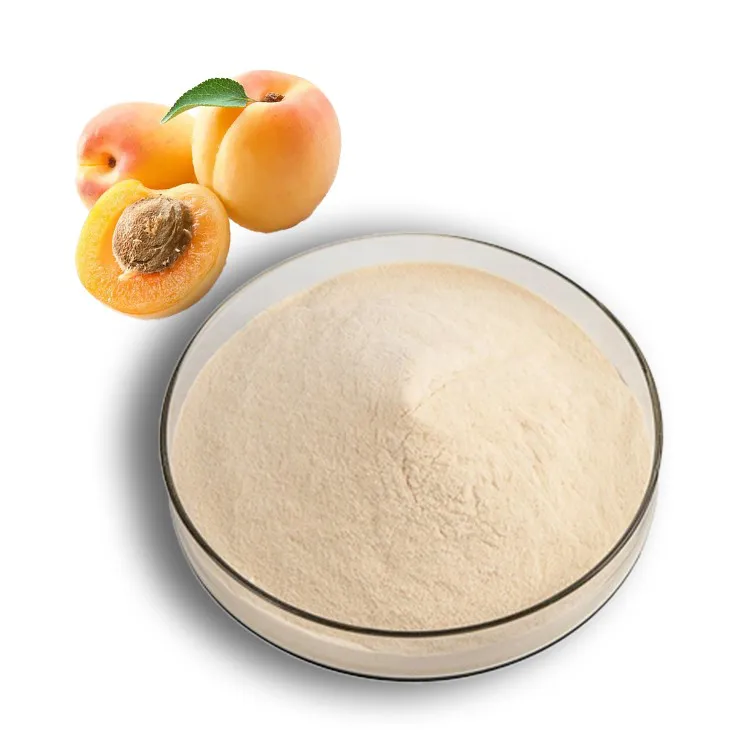
Apricot Powder is a versatile ingredient that food manufacturers, beverage brands, and supplement formulators rely on for its natural sweetness, vibrant color, and nutritional value. Before you place a bulk order or scale up a new product line, one question almost always comes up: how long does Apricot Powder actually last? The answer is not a single number. Depending on how the powder is processed, how it is packaged, and where it is stored, the shelf life can range from roughly one year to three years. This article breaks down everything you need to know about the shelf life of Apricot Powder, the factors that shorten or extend it, and how to store it so your inventory stays fresh for as long as possible.
What Is Apricot Powder?
Apricot powder is a fine, free-flowing powder made from dried apricots that are milled or processed into a concentrated form. It is produced from high-quality apricots and is valued for its natural fruit flavor, mild sweetness, and nutritional profile, which includes vitamin E, protein, and healthy fats. In the food industry it is commonly used in smoothie mixes, bakery fillings, instant beverage bases, confectionery, and nutritional supplements. Because the powder is concentrated, a small amount delivers a noticeable fruit taste, which makes it a practical ingredient for formulators who want clean-label fruit flavor without adding liquid or bulk.
How Long Does Apricot Powder Last?
For an unopened package stored under proper conditions, apricot powder typically keeps its quality for 12 to 24 months from the date of production. Freeze-dried apricot powder, which has the lowest residual moisture, can remain stable for up to 24 to 36 months. Spray-dried and conventionally milled powders usually fall on the shorter end of that range because they retain slightly more moisture. These figures are general guidelines. The shelf life printed on a specific batch always comes from the manufacturer's stability testing, so it is a good habit to check the production date and the stated shelf life on the label or certificate of analysis rather than assuming a one-size-fits-all number.
What Determines the Shelf Life of Apricot Powder?
Several factors work together to decide how long apricot powder stays fresh. Understanding them helps you control quality from the moment the powder leaves the factory until it reaches the end consumer.
Moisture Content and Water Activity
Moisture is the single most important factor in powder stability. Apricot powder is hygroscopic, which means it readily absorbs water from the air. When moisture rises, the powder can cake, clump, and become a breeding ground for mold. Water activity (aw) is the measure that matters most for microbial safety. Keeping water activity below 0.60 prevents mold growth, and staying below 0.50 gives an even wider safety margin. Well-processed apricot powder typically has a moisture content of 3 to 12 percent depending on the drying method, with freeze-dried formats at the low end of that range.
Storage Temperature
Heat accelerates the natural degradation of fruit powders. Storing apricot powder in a cool environment, ideally below 25 degrees Celsius, slows the loss of color, flavor, and nutrients. High temperatures can also cause the natural sugars in the powder to brown and develop off-flavors over time. A consistent, moderate temperature is far better than a room that fluctuates between hot and cold.
Light and Oxygen
Direct sunlight and prolonged exposure to air both shorten shelf life. Light can fade the natural orange color of apricot powder, while oxygen promotes oxidation that dulls the flavor and reduces the nutritional value. This is why apricot powder is normally packed in sealed, opaque, moisture-barrier packaging rather than clear or loosely sealed containers.
Packaging Quality
The packaging plays a critical role. Food-grade multi-layer bags with a good moisture and oxygen barrier, often with an inner aluminum layer, protect the powder far better than simple single-layer bags. Once a bulk bag is opened, the protection drops, and the clock on freshness starts moving faster.
How to Store Apricot Powder Correctly
Proper storage is the most practical way to get the full shelf life out of apricot powder. Keep unopened bags in a cool, dry place away from direct sunlight and strong odors. Avoid storing the powder near heat sources, steam, or anywhere humidity is high, such as above a stove or near a dishwasher. Once a bag is opened, reseal it tightly after every use, or transfer the powder to an airtight container. If you work with large volumes, consider portioning the powder into smaller containers so the bulk of the material is not repeatedly exposed to air and moisture. In hot or humid climates, storing opened powder in a sealed container inside a cool, dry cabinet is a simple and effective practice.
How to Tell If Apricot Powder Has Gone Bad
Apricot powder does not spoil in the same dramatic way as fresh fruit, but it does show clear signs when quality has declined. Watch for these indicators: hard clumps that do not break apart easily, a dull or darkened color, a musty or rancid smell, or an off taste when a small sample is tested. Any visible mold or an unusual odor means the powder should be discarded. A change in color or a slightly stale aroma does not always mean the powder is unsafe, but it does mean the flavor and appearance will no longer meet the standard your customers expect.
Does the Processing Method Change the Shelf Life?
Yes. The way apricot powder is produced has a direct impact on how long it stays fresh. Freeze-dried apricot powder has the lowest residual moisture and the longest shelf life, often reaching two to three years. Spray-dried powder, which is popular for instant beverage applications, typically lasts one to two years. Conventionally dried and milled whole-fruit powder usually offers a shelf life of around one to two years as well. When you compare suppliers, ask about the drying method and the moisture specification, because these details tell you more about expected stability than the label alone.
Why Supplier Quality Control Matters
The shelf life of apricot powder starts at the factory. A supplier with disciplined quality control delivers powder with consistent moisture, proper water activity, and clean microbiological results, which translates directly into a longer and more predictable shelf life. This is one reason many buyers choose to work with an established Apricot Powder manufacturer rather than an unknown trader. A reliable manufacturer can provide a certificate of analysis that documents moisture content, water activity, particle size, and microbiological limits for every batch, so you know exactly what you are receiving and how to store it.
Greensky, a professional plant extract manufacturer founded in 2004, produces apricot powder and a wide range of other botanical ingredients under strict quality systems. Its production facilities follow food-grade standards, and the company holds certifications including ISO22000, BRCGS, HALAL, and Kosher. Every batch is tested in an independent laboratory equipped with instruments such as GC, HPLC, and UV, and export documentation is prepared to support global regulatory submissions. For buyers who need a dependable supply of apricot powder with documented quality, working with a certified plant extract supplier provides the traceability and consistency that shortens the risk in your own supply chain.
Frequently Asked Questions
Can apricot powder be used after the printed date?
The printed date is the manufacturer's guarantee of quality, not an exact moment when the powder becomes unusable. If the powder has been stored properly and shows no signs of clumping, off-odor, or discoloration, it may still be usable for a short period after the date. However, for commercial use, it is safer to follow the stated shelf life and rotate stock so older batches are used first.
Does refrigeration extend the shelf life of apricot powder?
A cool, dry pantry is usually sufficient. Refrigeration can help in very warm climates, but the powder must be kept in a fully sealed container to prevent moisture absorption and odor pickup from other foods. Condensation is the main risk, so if you refrigerate the powder, let the sealed container return to room temperature before opening it.
How should bulk apricot powder be stored in a warehouse?
Store bulk bags on pallets off the floor, away from walls, in a cool, dry, well-ventilated warehouse. Keep the area free of strong-smelling chemicals and maintain a stable temperature. Rotate inventory on a first-in, first-out basis so no batch sits beyond its shelf life.
Understanding the shelf life of apricot powder comes down to three things: the processing method, the packaging, and the storage conditions. Choose a supplier that documents its quality, store the powder in a cool, dry, airtight environment, and rotate your stock carefully. With the right approach, apricot powder is a dependable, long-lasting ingredient that keeps its color, flavor, and nutrition through the full life of your product.
TAGS:
FAQ
- ▶ Hesperidin
- ▶ Citrus Bioflavonoids
- ▶ Plant Extract
- ▶ lycopene
- ▶ Diosmin
- ▶ Grape seed extract
- ▶ Sea buckthorn Juice Powder
- ▶ Fruit Juice Powder
- ▶ Hops Extract
- ▶ Artichoke Extract
- ▶ Mushroom extract
- ▶ Astaxanthin
- ▶ Green Tea Extract
- ▶ Curcumin
- ▶ Horse Chestnut Extract
- ▶ Other Product
- ▶ Boswellia Serrata Extract
- ▶ Resveratrol
- ▶ Marigold Extract
- ▶ Grape Leaf Extract
- ▶ New Product
- ▶ Aminolevulinic acid
- ▶ Cranberry Extract
- ▶ Red Yeast Rice
- ▶ Red Wine Extract
- ▶ blog
Recommended Products
-
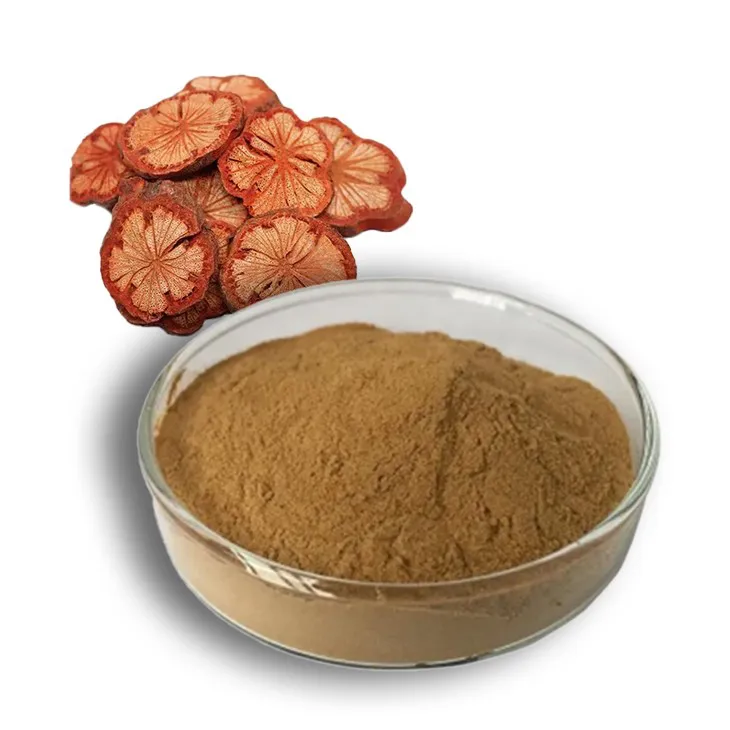
Red Vine Extract
2026-08-14
-
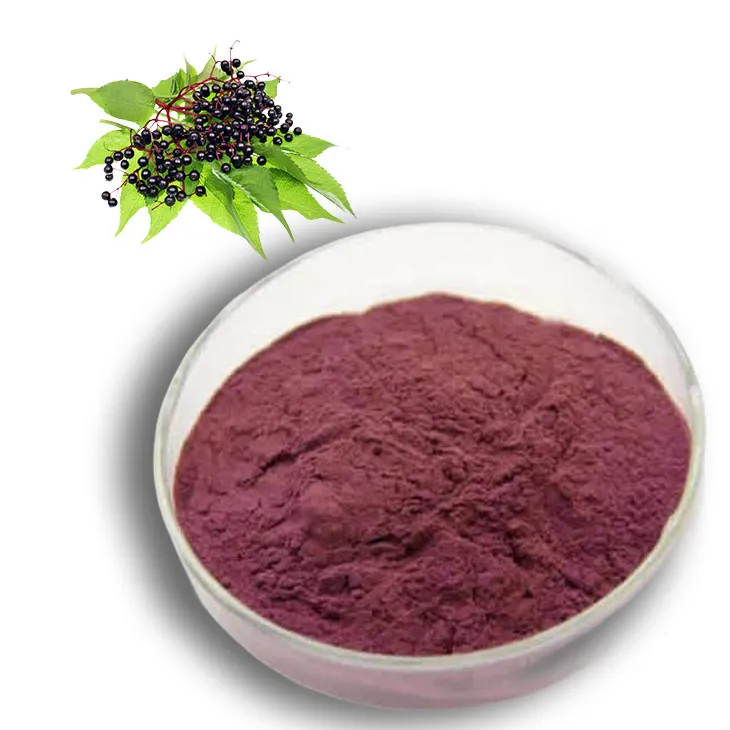
Elderberry Extract
2026-08-14
-
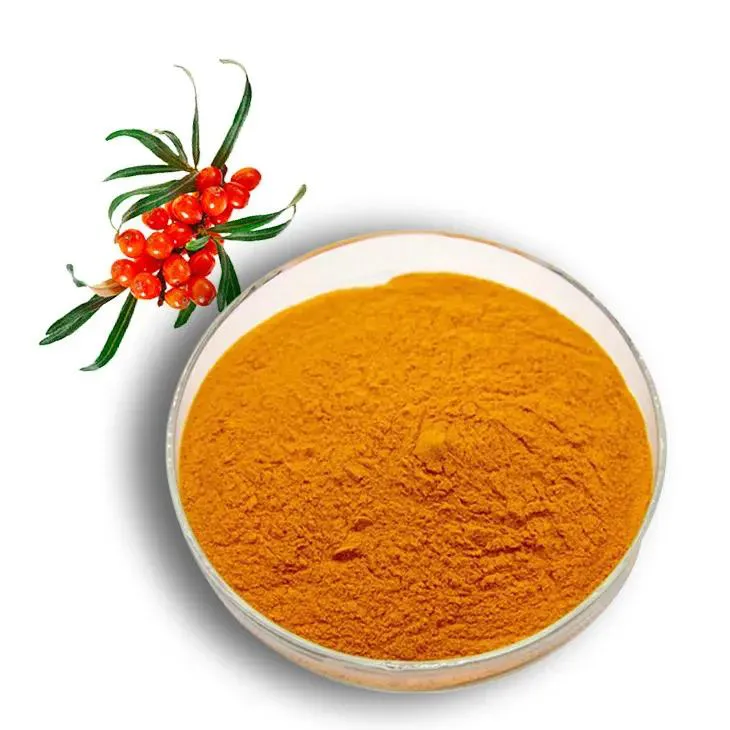
Sea buckthorn Juice Powder
2026-08-14
-
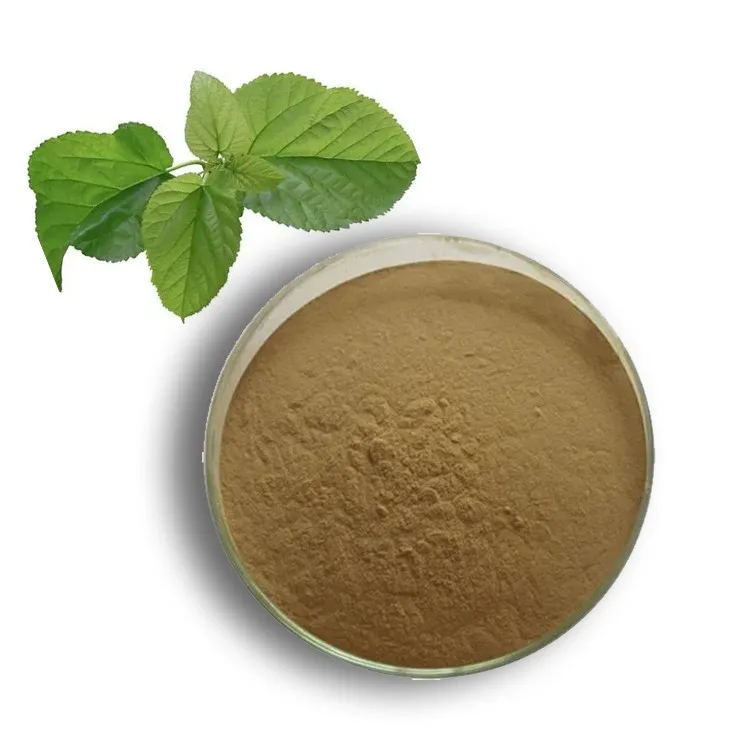
Mulberry leaf Extract
2026-08-14
-
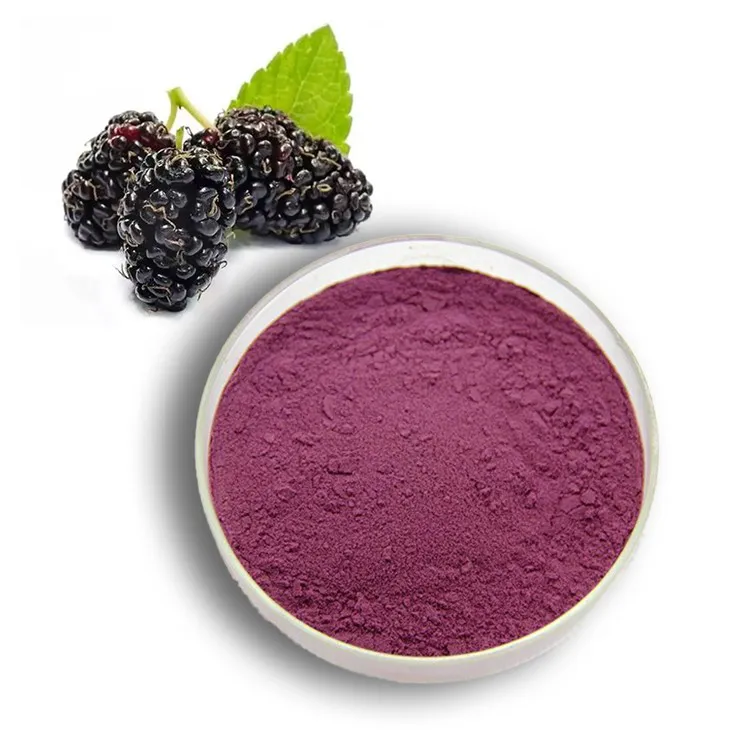
Mulberry Extract
2026-08-14
-
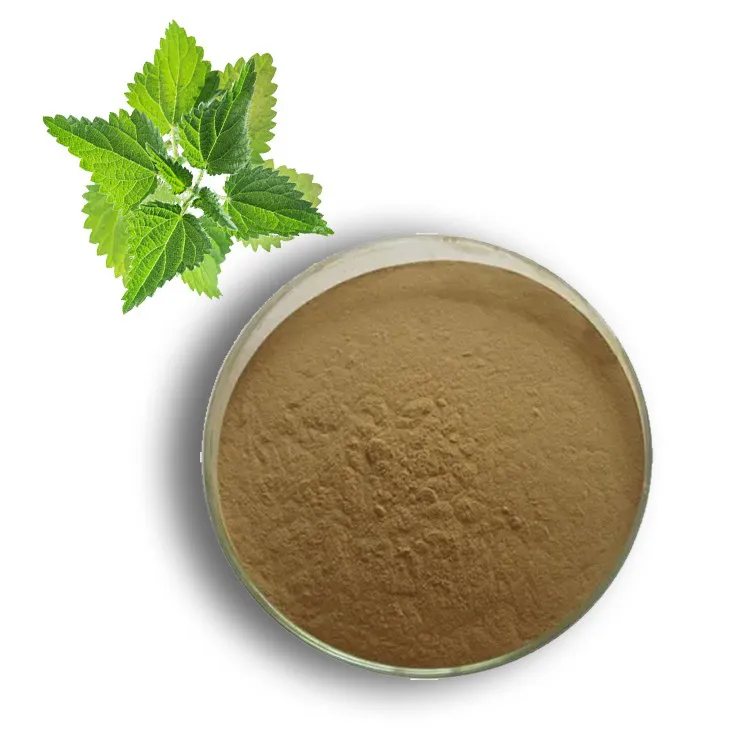
Nettle leaf extract
2026-08-14
-
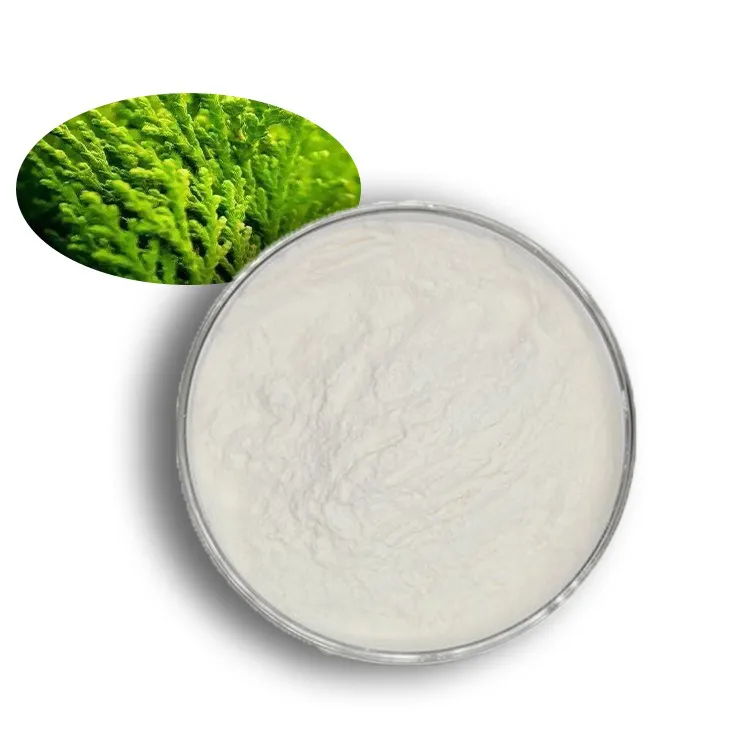
Carrageenan Extract Powder
2026-08-14
-
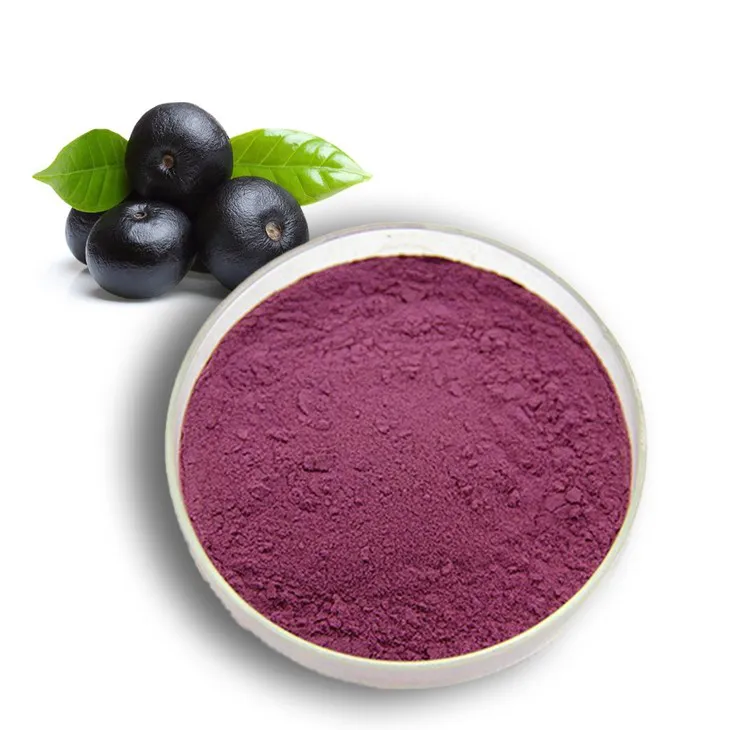
Acai Berry Extract
2026-08-14
-
Echinacea Extract
2026-08-14
-
Black Seed Extract
2026-08-14
Get a Quote