- 0086-571-85302990
- [email protected]






What is the recommended dosage of white mulberry leaf extract?
2026-08-18
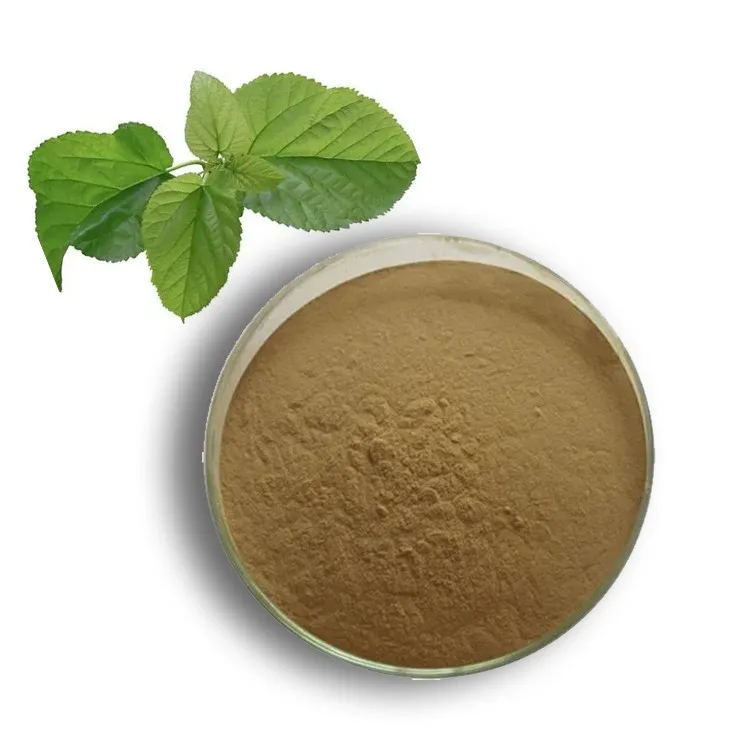
If you are developing a blood sugar support supplement or sourcing bulk botanical ingredients, one of the first questions you will face is simple: what is the recommended dosage of white Mulberry leaf Extract? The honest answer is that there is no single number that fits every product, because the right dose depends on how the extract is standardized, what form you are using, and who the end user is. This guide breaks down the evidence-backed dosage ranges, explains why standardization matters, and gives you practical numbers you can use when formulating or purchasing.
What Is White Mulberry leaf Extract?
White Mulberry leaf Extract is a natural botanical ingredient derived from the leaves of the mulberry tree (Morus alba), a plant with a long history in traditional Asian medicine. The leaves are rich in flavonoids, polysaccharides and amino acids, and they have been used for centuries to support healthy blood sugar levels, immunity and cardiovascular health. Modern research has identified the key active compound behind these effects: 1-deoxynojirimycin (DNJ), a natural alpha-glucosidase inhibitor.
DNJ works by slowing the breakdown of carbohydrates into glucose in the digestive tract. When taken with a meal, it delays the absorption of sugars, which helps smooth out the post-meal blood glucose spike. This is why most clinical studies evaluate white mulberry leaf extract specifically for glycemic control, and why dosage is usually expressed in relation to its DNJ content rather than the raw powder weight alone.
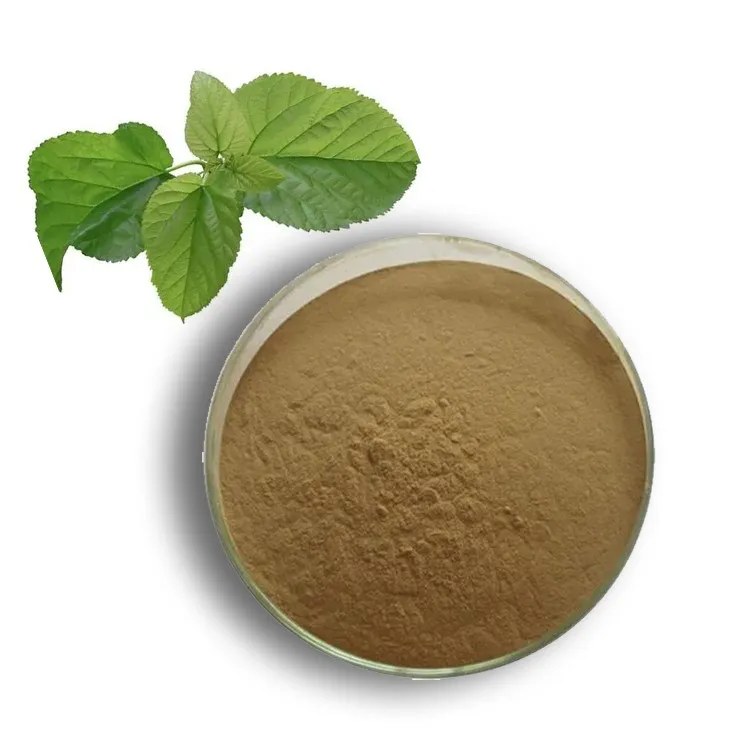
Recommended Dosage of White Mulberry Leaf Extract
Clinical research points to a few practical dosage ranges depending on the type of extract you are working with:
- Standardized water extract (general guidance): 280 mg to 500 mg per day, typically divided into two or three doses and taken shortly before meals.
- Broader adult range: 500 mg to 1,500 mg per day, split across two or three servings, which is the range most commonly cited for general white mulberry leaf extract supplements.
- DNJ-based dosing: Because the active marker is DNJ, many formulators target 12 mg to 36 mg of DNJ per day. For a typical high-carbohydrate meal, 3 mg to 12 mg of DNJ is a reasonable starting point, with the upper end suited to larger individuals or very starchy meals.
To put this in context, one widely studied commercial extract standardized to 5% DNJ is used at 250 mg per dose, which delivers roughly 12.5 mg of DNJ. That gives you a concrete reference point when comparing different raw materials: always check the DNJ specification on the certificate of analysis, not just the extract ratio.
How Long Before You See Results?
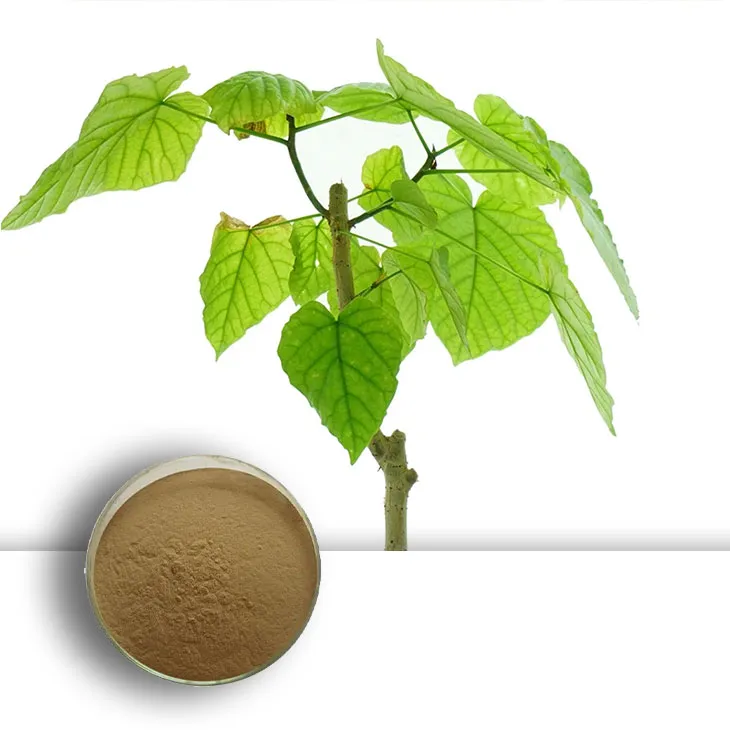
The acute effect on post-meal blood sugar can appear within 30 to 60 minutes of taking the extract with a meal, because that is how quickly DNJ acts on carbohydrate digestion. However, the longer-term metabolic benefits are a different story. A meta-analysis of 12 randomized controlled trials involving 615 participants found that consistent supplementation for at least eight weeks produced significant reductions in fasting blood glucose, HbA1c and fasting insulin. In practical terms, if you are evaluating a finished product or a raw material for your own brand, plan for a minimum of eight weeks of continuous use before judging its effect on glycemic or lipid markers.
Dosage by Product Form
- Capsules and tablets: The most common format. A typical serving provides 250 mg to 500 mg of standardized extract, taken one to three times daily with meals.
- Bulk powder: When used as a raw material for manufacturing, the powder is dosed into finished capsules, sachets or functional foods. The formulation target should be based on the DNJ content per serving, aiming for the 12 mg to 36 mg daily range.
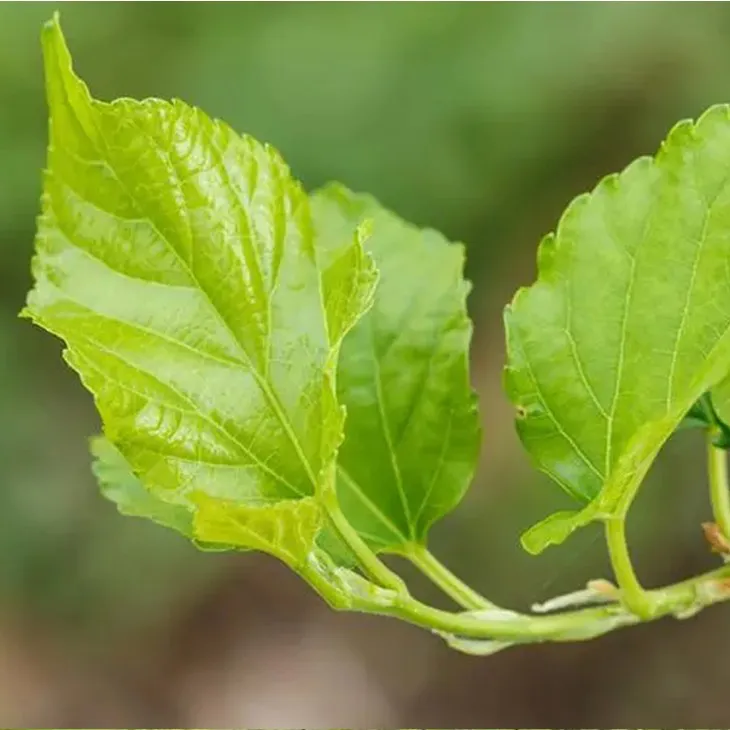
- Tea (dried leaf): A traditional preparation uses 1 g to 2 g of dried mulberry leaf steeped in 250 ml to 300 ml of hot water for 10 to 15 minutes. This delivers a milder, less standardized dose and is best viewed as a dietary habit rather than a precise supplement.
Factors That Change the Right Dose
Several variables mean that a single universal dose does not exist. First is standardization: an extract standardized to a measurable DNJ level behaves very differently from a simple leaf powder. Second is the individual: people with type 2 diabetes or impaired glucose regulation tend to see the strongest effects, while healthy individuals may need less. Third is the meal itself — the larger and more carbohydrate-heavy the meal, the more DNJ is generally needed to blunt the glucose response. Finally, body size and existing medication use both influence how the extract is tolerated and how it should be dosed.
Safety, Side Effects and Interactions
White mulberry leaf extract is generally well tolerated. The most common side effects are mild gastrointestinal complaints such as bloating, gas or loose stools, which are a direct result of the carbohydrate-blocking mechanism and usually appear at higher doses. Clinical safety data support use for up to 16 weeks, while longer-term data are still limited.
The main caution involves people taking diabetes medication. Because the extract lowers blood glucose, combining it with metformin, sulfonylureas, insulin or other glucose-lowering drugs can increase the risk of hypoglycemia, and doses may need to be reviewed. It also shares a mechanism with prescription alpha-glucosidase inhibitors such as acarbose and miglitol, so taking both can amplify digestive side effects. Pregnant or breastfeeding women, and anyone allergic to mulberry or related plants, should avoid the extract unless a healthcare provider advises otherwise.
Why Standardization and Sourcing Quality Matter
For brands and formulators, the dosage conversation is inseparable from raw material quality. An extract with a verified DNJ specification, consistent batch-to-batch potency and documented purity is the only way to make the clinical dosage ranges above meaningful. That is why it pays to work with a manufacturer that can provide a certificate of analysis, HPLC testing data and regulatory documentation for every batch.
If you are sourcing white mulberry leaf extract for your product line, a reliable plant extract supplier should be able to share full specifications, third-party test results and export documentation. Greensky, a manufacturer founded in 2004 with over 20 years of experience in botanical ingredients, produces Mulberry leaf Extract in a 100,000-class clean production area, with an in-house laboratory equipped with HPLC and other analytical instruments, and holds certifications including ISO22000, BRCGS, HALAL and Kosher. Their team can help you match the right specification and dosage to your target market.
Final Takeaway
The recommended dosage of white mulberry leaf extract is best understood in three layers: 280 mg to 500 mg per day of standardized extract for most clinical applications, 500 mg to 1,500 mg per day as the broader general range, and 12 mg to 36 mg of DNJ per day when you are dosing by the active marker. Take it with meals, allow at least eight weeks for metabolic effects, and always verify the DNJ specification of the raw material you buy. With a quality source and a sensible dose, white mulberry leaf extract can be a dependable addition to a blood sugar support formulation.
- ▶ Hesperidin
- ▶ Citrus Bioflavonoids
- ▶ Plant Extract
- ▶ lycopene
- ▶ Diosmin
- ▶ Grape seed extract
- ▶ Sea buckthorn Juice Powder
- ▶ Fruit Juice Powder
- ▶ Hops Extract
- ▶ Artichoke Extract
- ▶ Mushroom extract
- ▶ Astaxanthin
- ▶ Green Tea Extract
- ▶ Curcumin
- ▶ Horse Chestnut Extract
- ▶ Other Product
- ▶ Boswellia Serrata Extract
- ▶ Resveratrol
- ▶ Marigold Extract
- ▶ Grape Leaf Extract
- ▶ New Product
- ▶ Aminolevulinic acid
- ▶ Cranberry Extract
- ▶ Red Yeast Rice
- ▶ Red Wine Extract
- ▶ blog
-
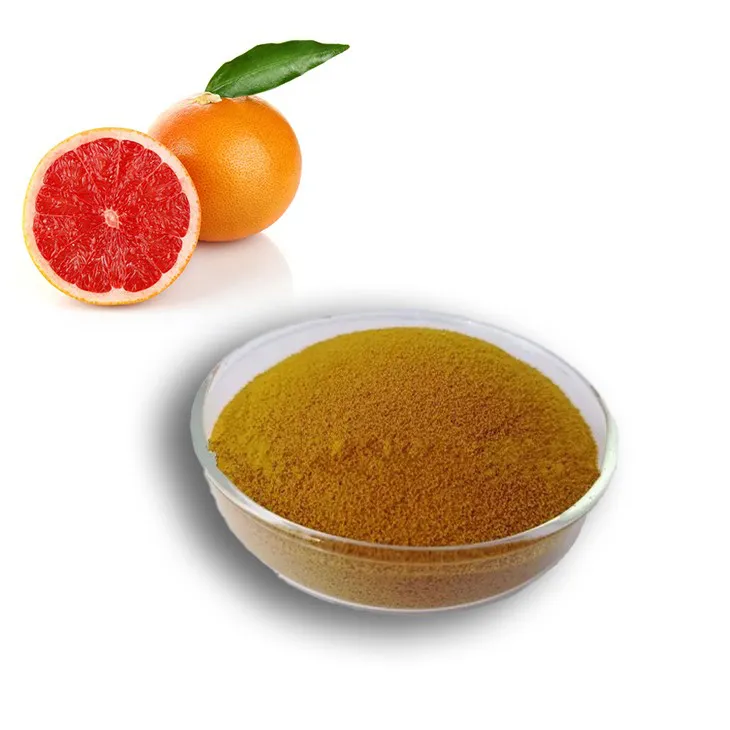
Grapefruit Seed Extract Powder
2026-08-18
-
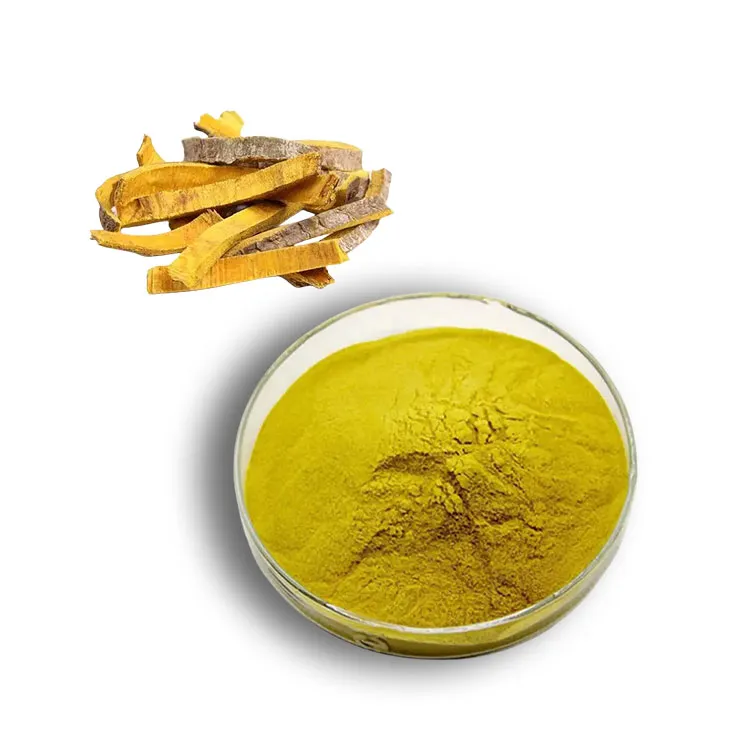
Phellodendron Extract
2026-08-18
-
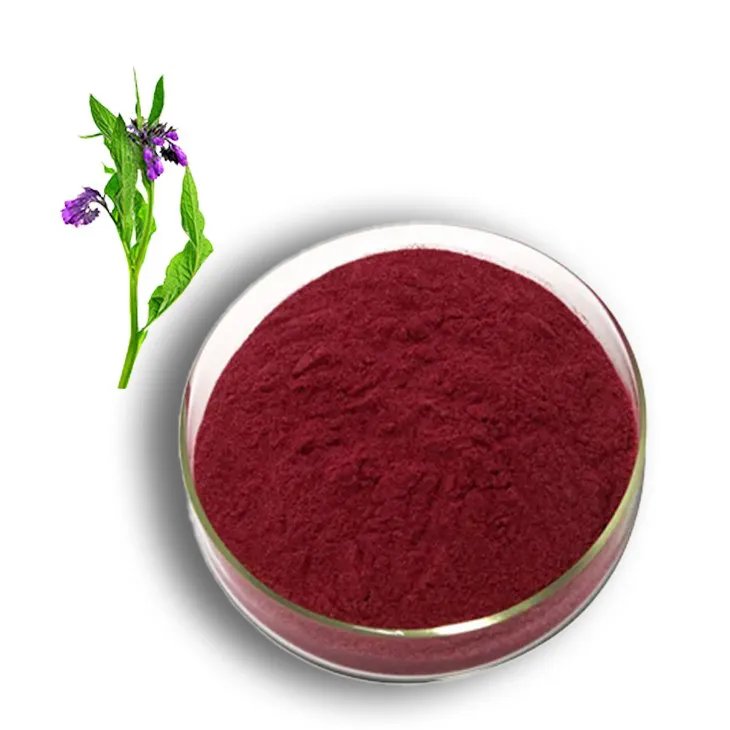
Shikone Extract
2026-08-18
-
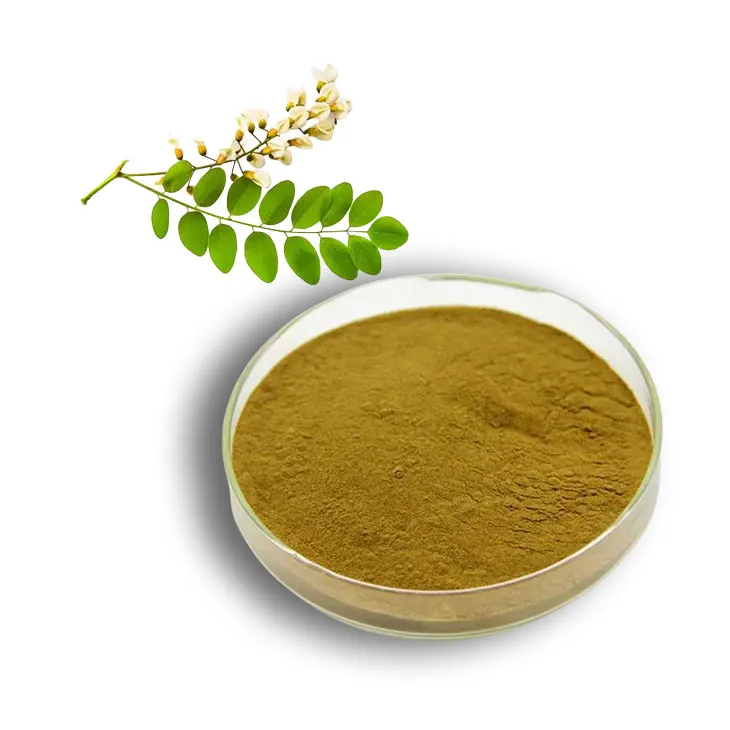
Sophora Japonica Flower Extract
2026-08-18
-
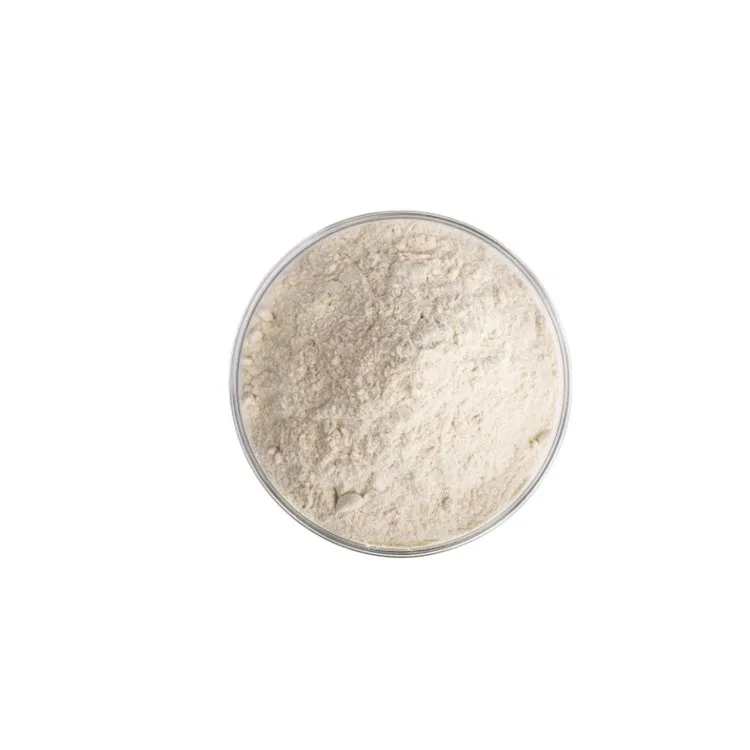
Nattokinase
2026-08-18
-
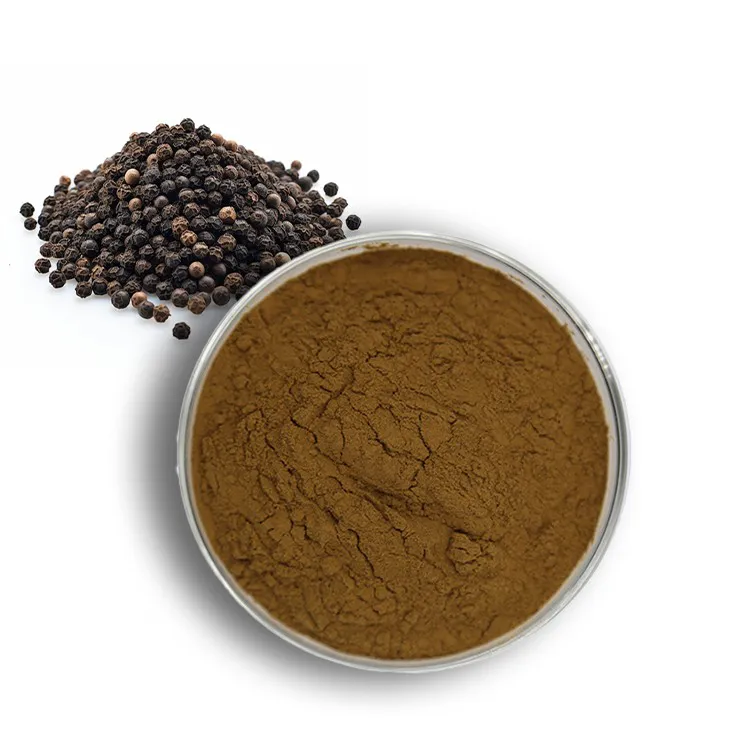
Black Pepper Extract
2026-08-18
-
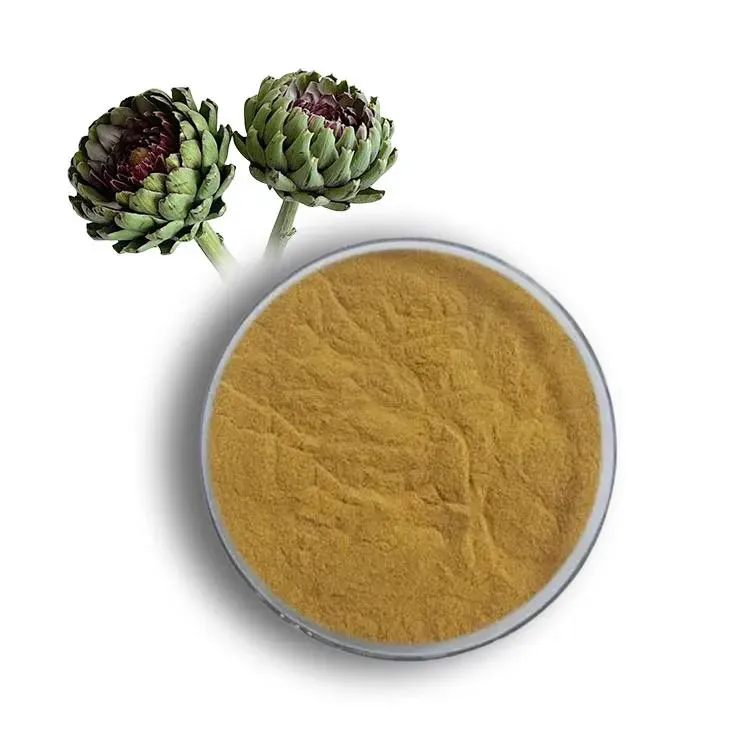
Artichoke Extract
2026-08-18
-
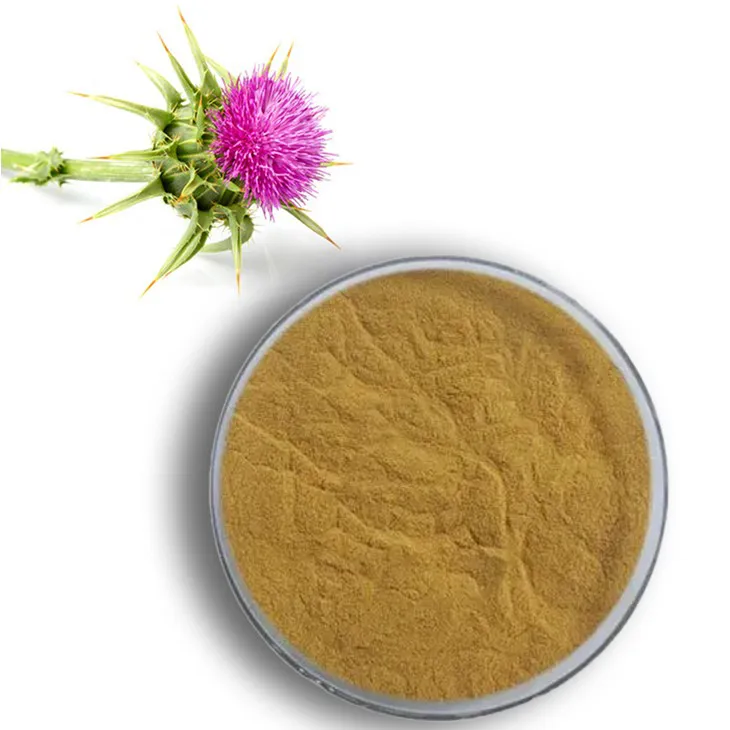
Milk Thistle Extract
2026-08-18
-
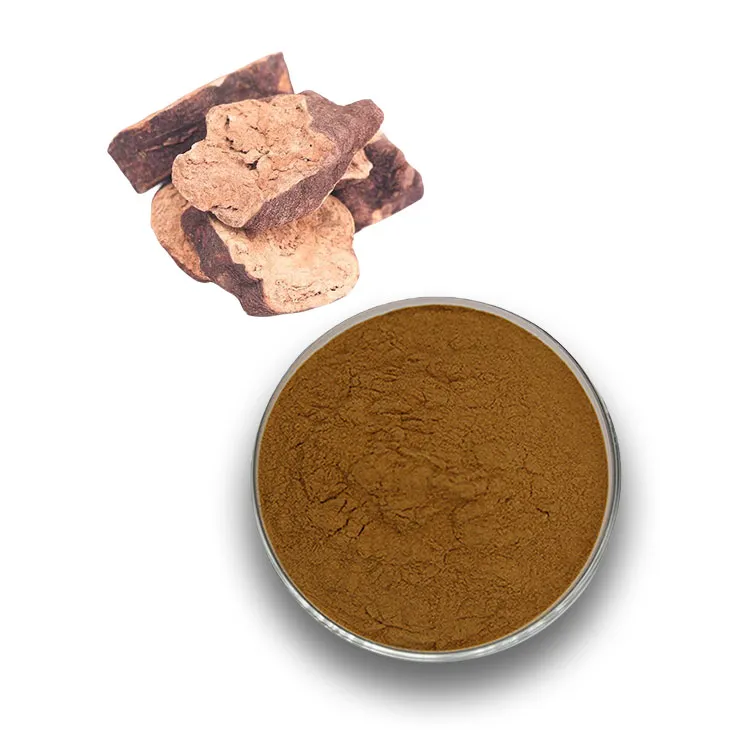
Polygonum multiflorum extract
2026-08-18
-
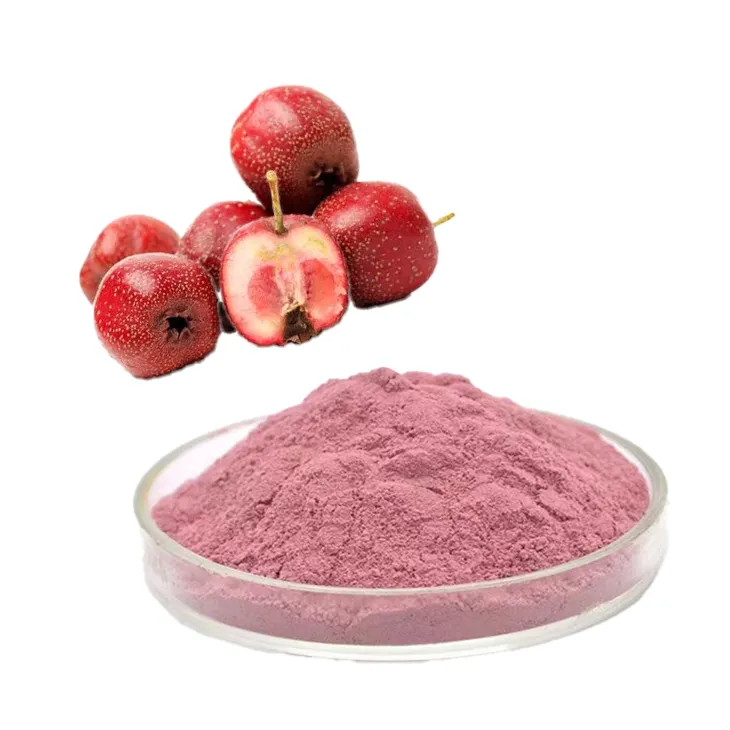
Hawthorn powder
2026-08-18
