- 0086-571-85302990
- [email protected]






What is the recommended dosage of edible rosemary extract in food?
2026-08-13
Why there is no single "one-size-fits-all" dosage
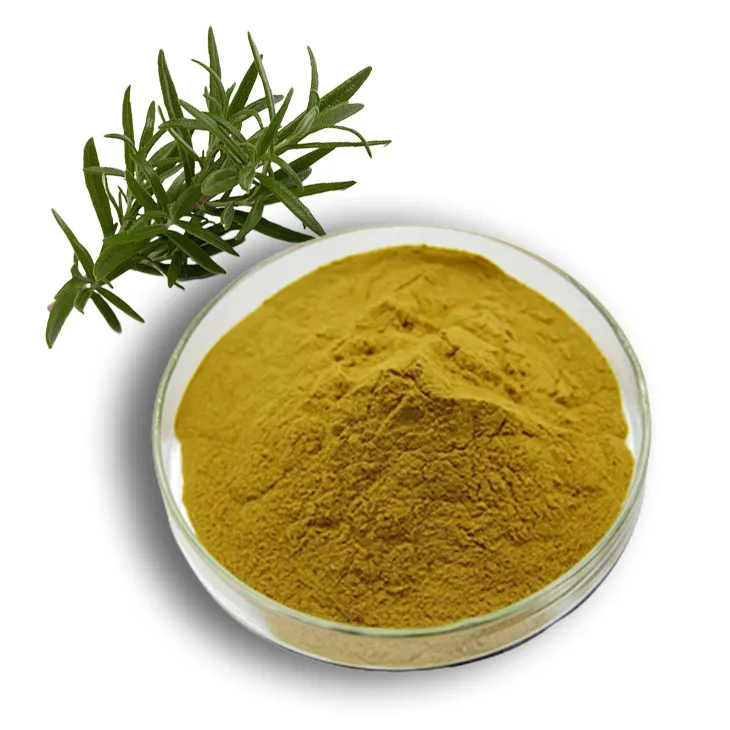
The active compounds in Rosemary extract, mainly carnosic acid, carnosol and rosmarinic acid, do the heavy lifting when it comes to protecting fats and oils. Because these compounds are what deliver the effect, the concentration of the extract matters more than the raw amount of powder you add. A higher-specification product allows you to use a smaller dosage to reach the same level of protection, which is why the specification should always be decided before the dosage.
Beyond specification, the food matrix plays a large part. Oils, fried snacks, meat products, baked goods and beverages each oxidize at different rates and come into contact with different amounts of oxygen during processing and storage. A product with a higher fat content and a longer expected shelf life will normally need a higher dosage than a low-fat, short-life product. Regulatory guidance also sets upper limits for certain food categories, so the final dosage must stay within the approved range for the target market.
Recommended dosage ranges by food category
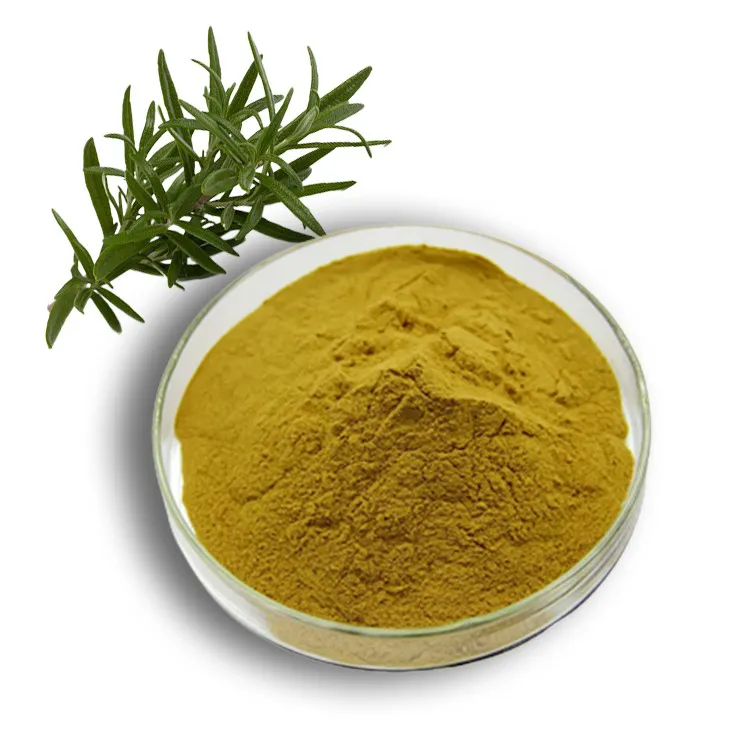
The values below are typical starting points expressed as a percentage of total food weight. They are meant as practical benchmarks for formulation, not as a substitute for the official limits that apply in your region:
| Food category | Recommended dosage | Typical effect |
|---|---|---|
| Meat products | 0.02% – 0.1% | Slows rancidity and supports color and flavor stability |
| Fried foods | 0.02% – 0.08% | Reduces oxidative deterioration during frying |
| Seasonings and sauces | 0.01% – 0.05% | Protects oils and volatile flavor compounds |
| Baked goods | 0.01% – 0.03% | Extends freshness of fat-containing baked items |
| Dairy products | 0.005% – 0.02% | Inhibits oxidation in creams and spreads |
| Beverages | 0.005% – 0.01% | Prevents oxidation in fruit and functional drinks |
These figures assume a specification with a reasonable carnosic acid content. When you move to a more concentrated material, you can typically reduce the amount used while keeping the same antioxidant effect, which can also improve the final taste profile of the product.
How specification and purity shape the dosage
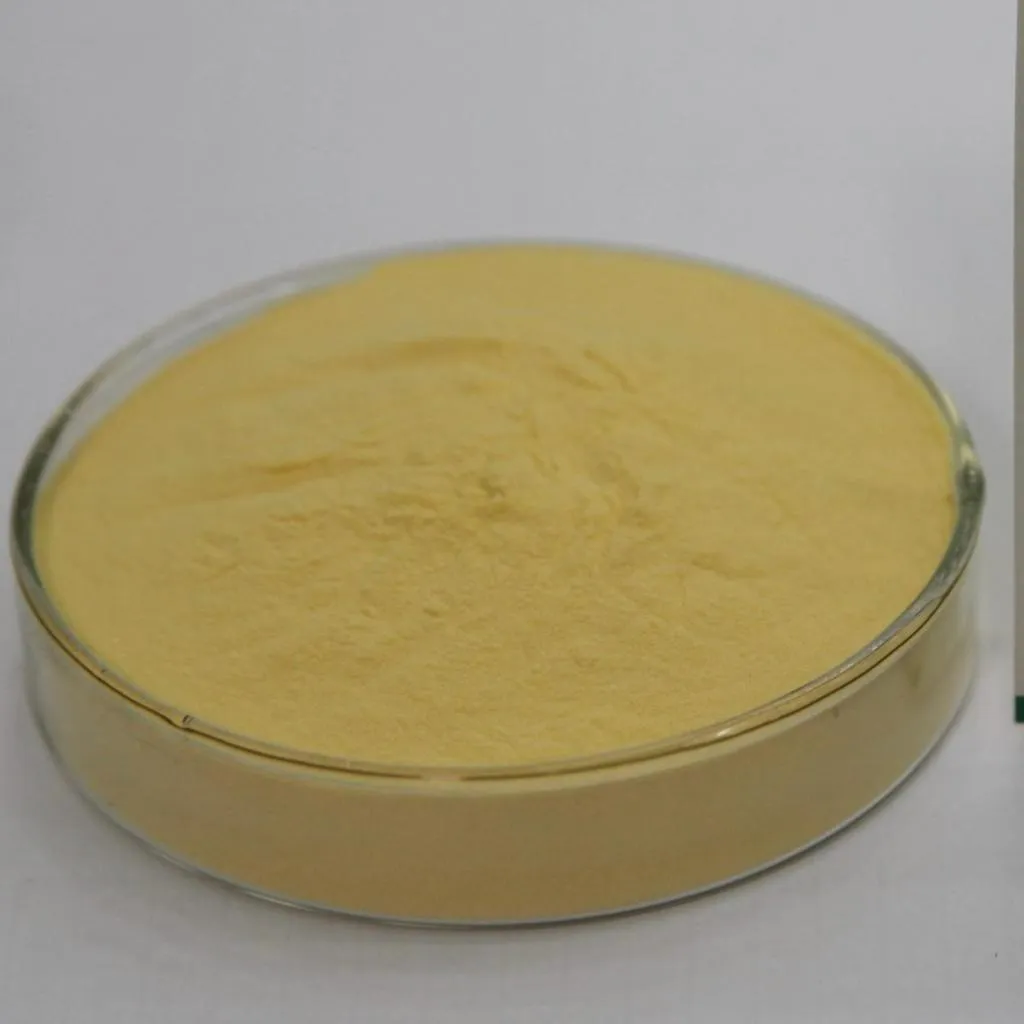
Edible rosemary extract is commonly offered in a range of specifications, with carnosic acid content often around 5%, 10%, 15% or 20%. The grade you choose should match the nature of the food you are protecting. Oil-soluble forms are generally preferred for frying oils and fatty products, while water-dispersible or powdered forms are more convenient for sauces, beverages and dry mixes.
Choosing the right specification is the first step to a stable formula. Starting from a consistent, well-documented raw material makes it easier to scale up from lab trials to production and to reproduce the same shelf-life and flavor results batch after batch. This is where working with a reliable supplier becomes important, because consistent quality from lot to lot protects both your formulation and your brand.
Practical tips for effective use
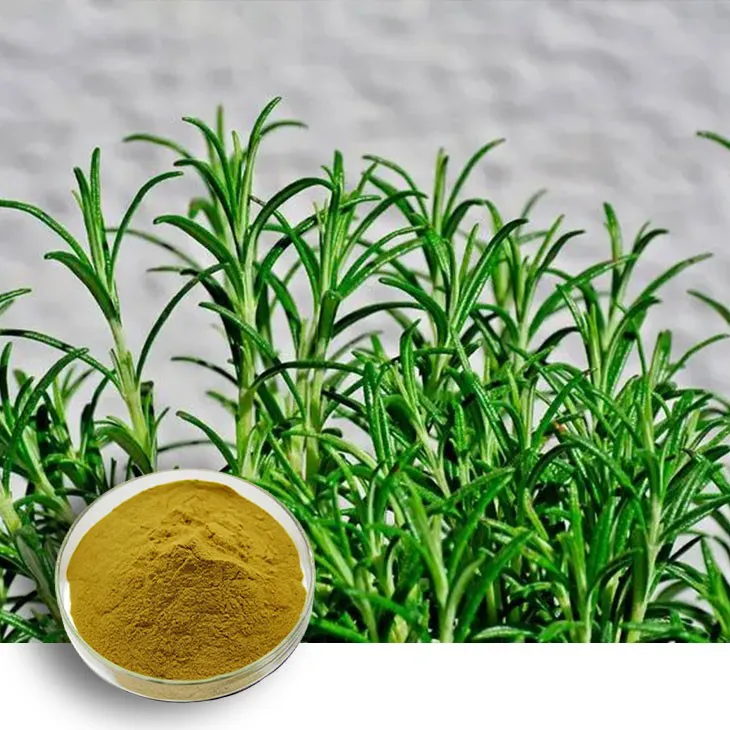
Start with a small-scale trial and test a small range of dosages rather than jumping to the maximum. Because the effect of edible rosemary extract is dose-dependent but not strictly linear, the lowest dosage that still meets your shelf-life target is usually the best choice for both cost and flavor. Add the extract at the right stage of your process, for example during the oil or fat phase in frying and baking, or during the mixing stage in beverages, so it is distributed evenly.
Always check the regulatory position for the market you sell into before finalizing a dosage. Official standards set maximum permitted use levels for rosemary extract in defined food categories, and these limits can differ between countries. Confirming your dosage against the relevant standard keeps your product compliant and protects you during audits and export documentation.
Working with a trusted supplier
Because dosage and specification are so closely linked, sourcing matters as much as the number you put in your formula. A rosemary extract supplier with solid production and testing capabilities can provide consistent specifications, clear documentation and practical guidance on dosage for your application. Full vertical integration, from raw material to finished extract, is a strong sign that the supplier can keep quality stable across batches.
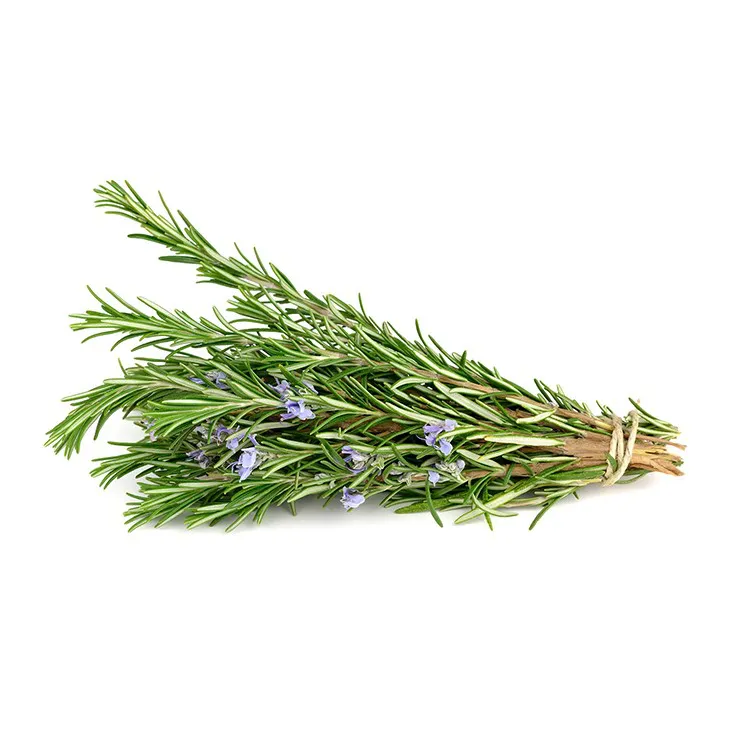
Hangzhou Greensky Biological Tech. Co., Ltd. is an experienced manufacturer of natural plant extracts with over 20 years in the industry. Its rosemary extract is produced from quality rosemary leaves and is rich in antioxidants, essential oils and nutrients, making it suitable for use across food, beverage, health product and cosmetics applications. If you are comparing options and looking for the best rosemary extract for your formulation, a direct conversation with the technical team can help you settle on the right specification and dosage for your product.
Conclusion
There is no universal answer to the question of rosemary extract dosage, but the process for finding the right one is straightforward. Define the specification that matches your product, start from the typical dosage range for your food category, test with small trials, and confirm the final level against the regulations for your market. With a consistent supply and a clear understanding of these variables, edible rosemary extract can deliver reliable antioxidant protection and a longer, cleaner shelf life for your products.
TAGS:
- ▶ Hesperidin
- ▶ Citrus Bioflavonoids
- ▶ Plant Extract
- ▶ lycopene
- ▶ Diosmin
- ▶ Grape seed extract
- ▶ Sea buckthorn Juice Powder
- ▶ Fruit Juice Powder
- ▶ Hops Extract
- ▶ Artichoke Extract
- ▶ Mushroom extract
- ▶ Astaxanthin
- ▶ Green Tea Extract
- ▶ Curcumin
- ▶ Horse Chestnut Extract
- ▶ Other Product
- ▶ Boswellia Serrata Extract
- ▶ Resveratrol
- ▶ Marigold Extract
- ▶ Grape Leaf Extract
- ▶ New Product
- ▶ Aminolevulinic acid
- ▶ Cranberry Extract
- ▶ Red Yeast Rice
- ▶ Red Wine Extract
- ▶ blog
-
Mangosteen extract powder
2026-08-13
-
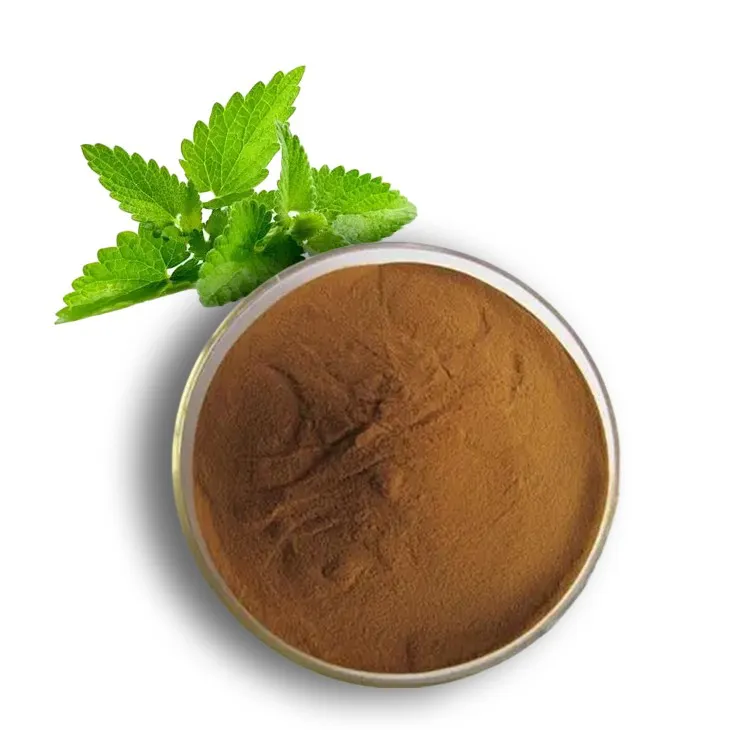
Peppermint Extract Powder
2026-08-13
-
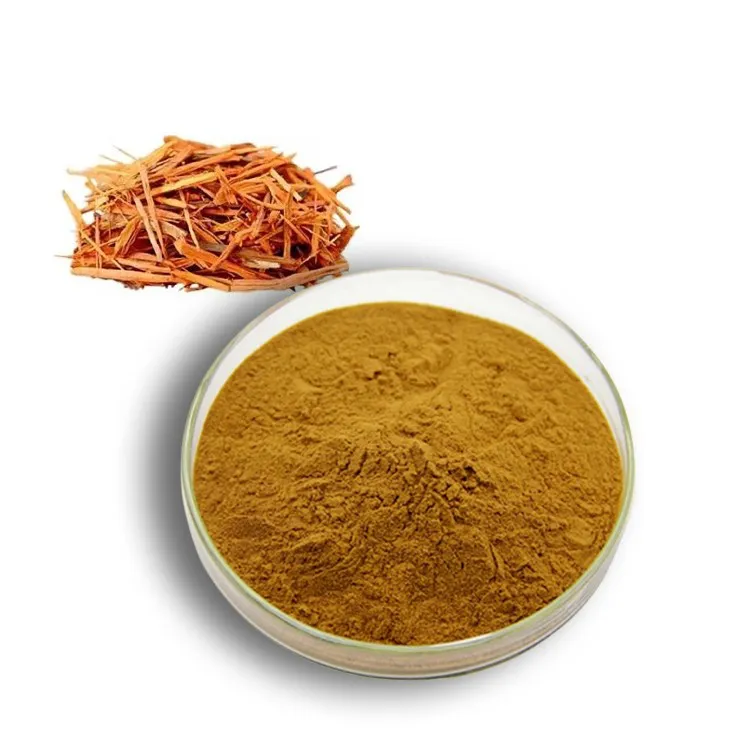
Yellow Pine Extract
2026-08-13
-
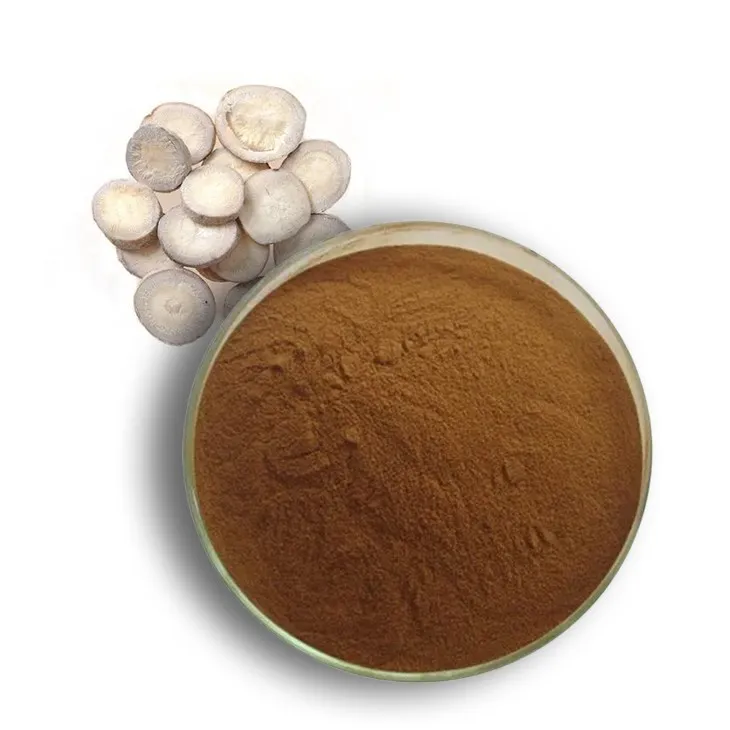
White Peony Extract
2026-08-13
-
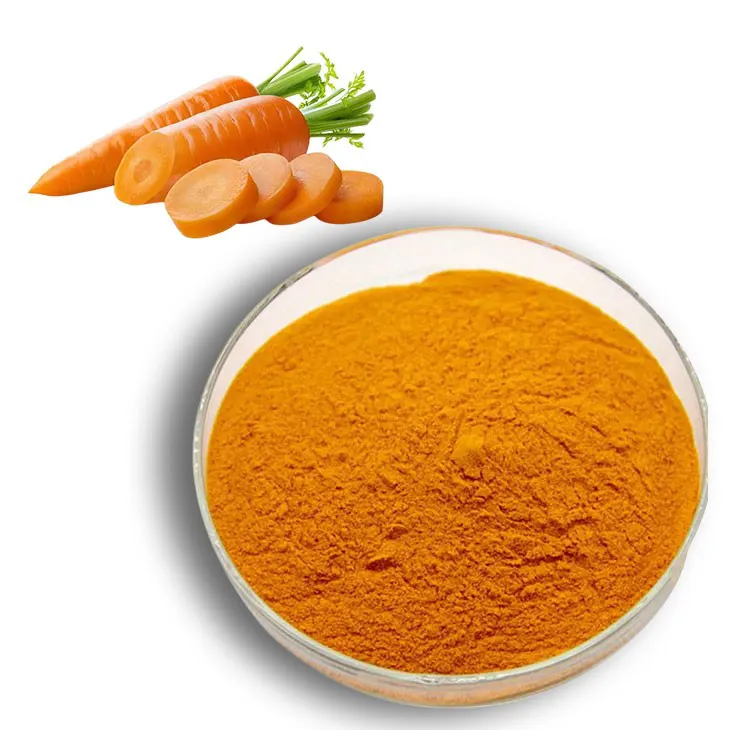
Beta Carotene
2026-08-13
-
Phosphatidylserine
2026-08-13
-
Troxerutin
2026-08-13
-
Coconut Water Powder
2026-08-13
-
Berberis aristata Extract
2026-08-13
-
Pueraria Lobata Extract
2026-08-13
