- 0086-571-85302990
- [email protected]






What is the minimum order quantity for grape seed extract suppliers?
2026-08-17
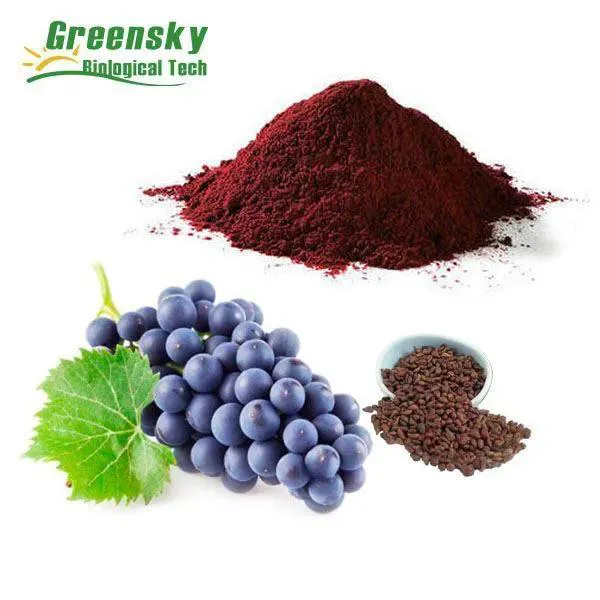
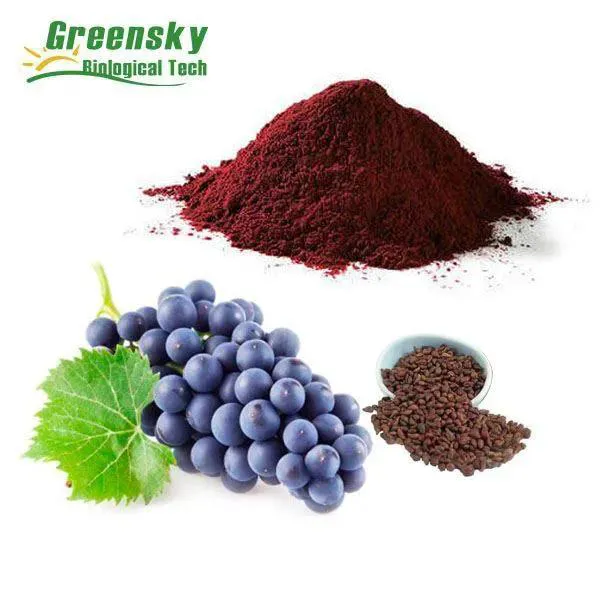
If you are sourcing Grape Seed Extract for a supplement line, a skincare brand, or a functional food project, the first question on most buyers' lists is usually the same: what is the minimum order quantity for Grape Seed Extract suppliers? The short answer is that MOQs for Grape Seed Extract typically range from about 1 kg for samples up to 25–100 kg for trial and commercial orders, depending on whether you are dealing with a manufacturer or a trading supplier, and on the specification you need. This guide breaks down how MOQs work for grape seed extract, why suppliers set them, and how to plan your order so you get the best balance of price, flexibility, and quality.
What exactly is an MOQ?
MOQ stands for Minimum Order Quantity — the smallest amount a supplier will sell in a single transaction. It is not an arbitrary rule designed to frustrate buyers. For any serious grape seed extract suppliers, the MOQ reflects real business economics:
- Fixed costs per order. Every order involves setup, documentation, quality control, and administration, regardless of size. Spreading those fixed costs over a larger volume keeps the unit price reasonable.
- Production efficiency. Extraction equipment needs setup, cleaning, and changeover between batches. Small runs are far less efficient to produce than a single consolidated batch.
- Testing requirements. A Certificate of Analysis (COA) and stability testing cost about the same whether you order 10 kg or 1,000 kg, so the testing cost per kilogram drops sharply as volume grows.
- Shipping economics. International freight has minimum charges. A small LCL (less-than-container-load) shipment can cost nearly as much to document and handle as a much larger one.
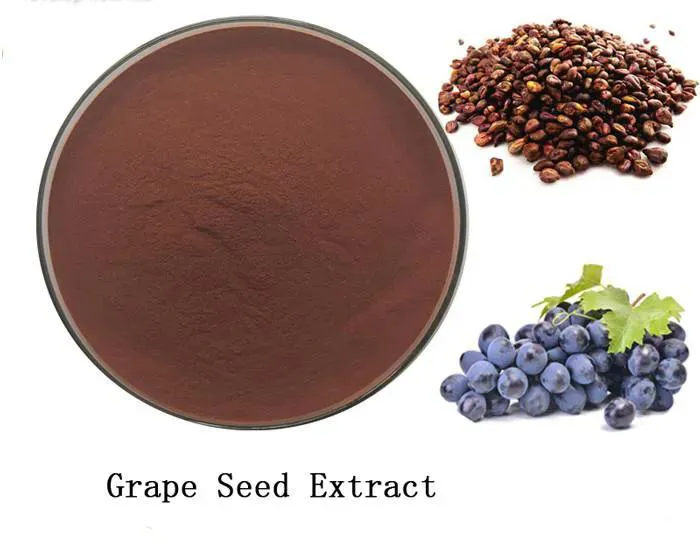
Typical MOQs for grape seed extract
Grape seed extract is a high-value botanical ingredient, so its MOQs tend to be lower in weight terms than commodity ingredients like raw powders or whole herbs. In practice, you will usually see three tiers:
| Order type | Typical quantity | Best for |
| Sample order | 1–5 kg | Quality evaluation, formulation testing, R&D |
| Trial order | 10–25 kg | Small production runs, market testing |
| Commercial order | 25–100 kg or more | Regular production, bulk purchasing |
The exact figure depends on the supplier's model. A manufacturer that runs its own extraction lines will typically set a higher commercial MOQ than a trader that simply resells stock, but it will also offer lower per-kilogram pricing and more room for customization. If you are comparing grape seed extract manufacturers, always ask for their MOQ in writing alongside the price — the two numbers go together.
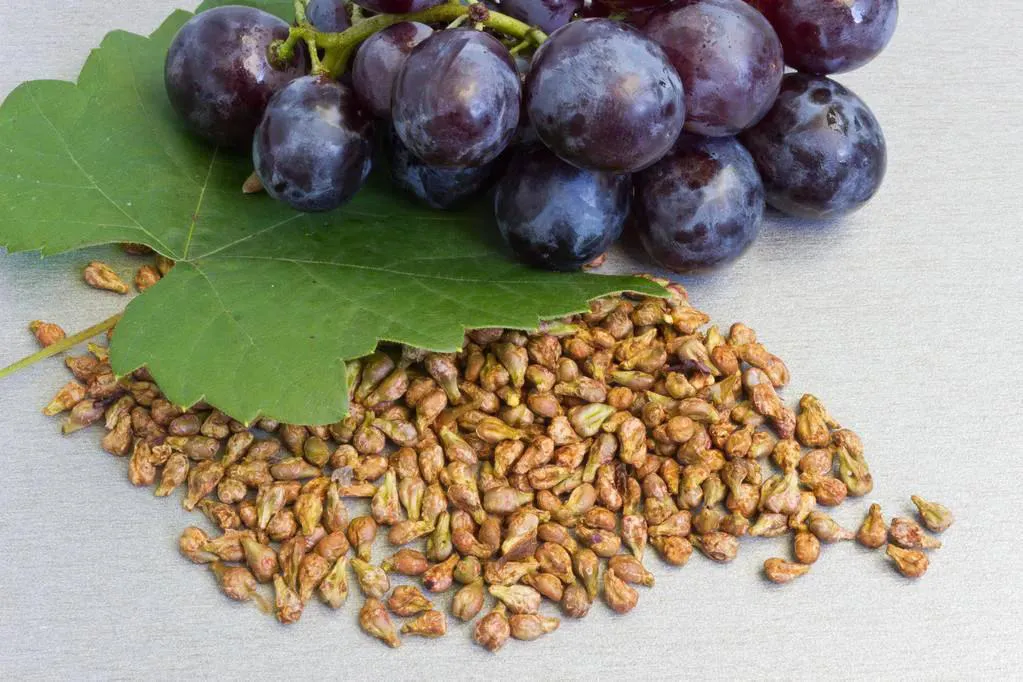
Manufacturers vs. suppliers: how MOQ differs
One of the most common points of confusion for buyers is the difference between a manufacturer and a supplier. A manufacturer actually produces the extract — sourcing the raw grape seeds, running the extraction process, and controlling quality in-house. A supplier is often a middleman that buys from multiple manufacturers and resells, usually in smaller quantities. This difference shows up directly in MOQ:
| Factor | Manufacturer | Trading supplier |
| Typical MOQ | Higher (often 25 kg and up) | Lower (can start at 1–5 kg) |
| Per-unit pricing | Lower, with bulk discounts | Higher, due to middleman markup |
| Customization | Possible (specification, potency, packaging) | Limited to stock products |
| Quality control | Direct oversight, in-house lab, full traceability | Relies on the manufacturer's data |
| Lead time | Longer for production runs | Shorter, from stocked inventory |
If you are a growing brand that needs a steady supply at a competitive price, working directly with a manufacturer is usually the better long-term choice — even if the initial MOQ is higher. If you only need a few kilograms for a quick test, a supplier with a low MOQ can get you started faster, though you will pay more per kilogram.
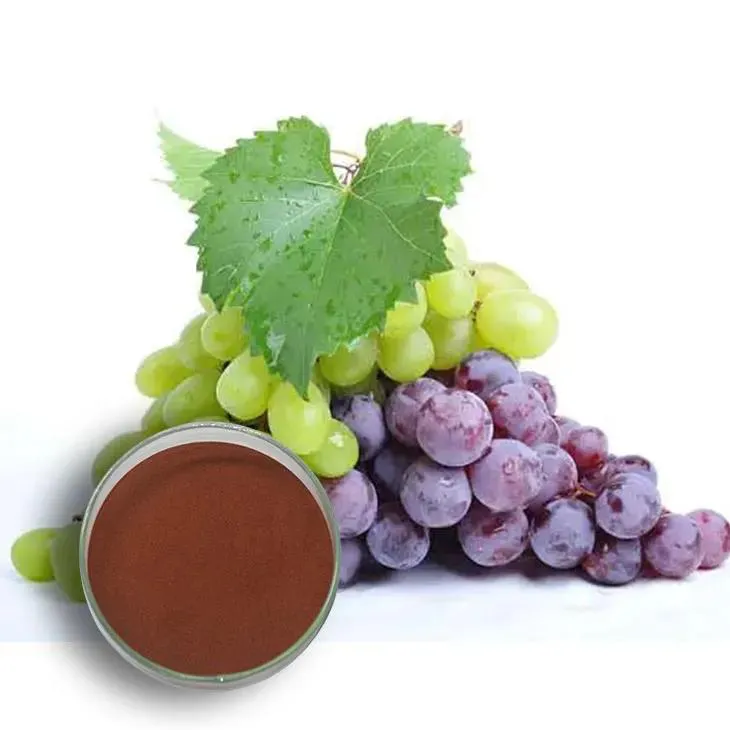
What affects the MOQ for grape seed extract?
Not all grape seed extract is the same, and the MOQ can shift depending on the specification you request:
- Specification and potency. Higher-potency extracts, such as 95% oligomeric proanthocyanidins (OPC), are more valuable per kilogram and can sometimes be ordered in smaller quantities. Lower-ratio extracts (for example 10:1) are cheaper per kilogram but usually require larger volumes to make production economical.
- Certifications. Organic-certified, Kosher, or Halal lines often need dedicated processing and documentation, which can push the MOQ up.
- Packaging and labeling. Custom packaging, private-label printing, or special export documentation typically requires a larger minimum run.
- Order history. Many manufacturers relax their MOQ for repeat customers with a consistent ordering record. Your first order usually needs to meet the standard MOQ; later orders often become more flexible.
How to negotiate a lower MOQ
MOQs are not set in stone, and most experienced grape seed extract wholesale partners are willing to discuss terms with serious buyers. Approaches that actually work:
- Start with samples, then commit. Order 1–5 kg of samples first, evaluate the quality, and tell the supplier you will commit to a larger order if the product meets your expectations. Paying for samples shows you are serious.
- Offer a trial plus follow-up order. For example: "Can we do 20 kg now, with a commitment to 100 kg within 90 days if quality is confirmed?" This signals growth potential rather than a one-off small order.
- Consolidate products. If you need several botanical extracts, ask whether multiple products can be combined to reach the MOQ threshold together.
- Accept a premium for lower volume. If the standard MOQ is 25 kg but you only need 10 kg, some manufacturers will accommodate you at a slightly higher per-kilogram price to cover the fixed costs.
What does not work: asking for container-load pricing on a 5 kg order, or making vague promises about ordering "much more later" without any commitment. Suppliers hear these every day, and they rarely lead anywhere.
The hidden costs of ordering below MOQ
When you order below a supplier's standard MOQ, the per-kilogram price is only part of the story. Documentation and COA testing carry fixed costs that become significant on small orders, LCL shipping has minimum charges and higher per-kilogram rates, and small orders require proportionally more communication and support. Before comparing quotes, calculate the total landed cost — including freight, testing, and documentation — rather than comparing sticker prices alone.
Questions to ask before you order
Whatever quantity you settle on, a few questions will protect you from hidden costs and quality surprises:
- Can you provide a COA for each batch? This confirms potency, purity, and the absence of contaminants. If a supplier hesitates, treat it as a red flag.
- Where do you source your raw materials? The quality of grape seed extract depends heavily on the origin and handling of the seeds.
- What extraction method do you use? This affects both the active compound profile and the final cost.
- What certifications do you hold? For food and supplement applications, look for GMP, ISO, HACCP, Kosher, and Halal certifications.
- What is your lead time? Ask what happens if there is a delay, so your production never stalls.
Planning your first order
For most first-time buyers, the smartest path is a small sample order to verify quality, followed by a trial order at or near the MOQ to confirm the economics, and then a regular commercial order once the product performs. Larger, less frequent orders almost always cost less per kilogram than many small orders totaling the same volume, so it pays to plan ahead and consolidate.
Greensky, a manufacturer of natural plant extracts with more than 20 years of experience, produces grape seed extract in-house with full vertical integration — from raw material sourcing to extraction and quality testing in its own laboratory. The company holds ISO22000, BRCGS, Ecocert Organic, SGS-GMP, ISO9001, HALAL, and Kosher certifications, and its 100,000-class clean production area meets food-grade requirements. If you would like to discuss quantities, specifications, or samples for your project, contact the Greensky sales team and they will help you find an order size that fits your budget and timeline.
TAGS:
- ▶ Hesperidin
- ▶ Citrus Bioflavonoids
- ▶ Plant Extract
- ▶ lycopene
- ▶ Diosmin
- ▶ Grape seed extract
- ▶ Sea buckthorn Juice Powder
- ▶ Fruit Juice Powder
- ▶ Hops Extract
- ▶ Artichoke Extract
- ▶ Mushroom extract
- ▶ Astaxanthin
- ▶ Green Tea Extract
- ▶ Curcumin
- ▶ Horse Chestnut Extract
- ▶ Other Product
- ▶ Boswellia Serrata Extract
- ▶ Resveratrol
- ▶ Marigold Extract
- ▶ Grape Leaf Extract
- ▶ New Product
- ▶ Aminolevulinic acid
- ▶ Cranberry Extract
- ▶ Red Yeast Rice
- ▶ Red Wine Extract
- ▶ blog
-
Yellow Pine Extract
2026-08-17
-
Sea buckthorn oil
2026-08-17
-
Peppermint Extract Powder
2026-08-17
-
Magnolia Bark Extract
2026-08-17
-
Gamma-Aminobutyric Acid
2026-08-17
-
Milk Thistle Extract
2026-08-17
-
Selenium yeast
2026-08-17
-
Acerola Extract
2026-08-17
-
Saw Palmetto Extract
2026-08-17
-
Artichoke Extract
2026-08-17
