- 0086-571-85302990
- [email protected]






What is the effect of ginseng and diabetes control?
2026-08-12
Ginseng has been used in traditional Asian medicine for thousands of years, and one of its most researched roles today is in blood sugar management. For people living with type 2 diabetes or prediabetes, the question of whether ginseng can genuinely support diabetes control is more than academic, it can shape daily dietary and supplement choices. This article looks at what the current evidence says about ginseng and diabetes, how it may work in the body, and what to look for when choosing a quality ginseng extract.
A long history of use in blood sugar management
The connection between ginseng and blood glucose is not a modern discovery. Historical records from the Song Dynasty in China mention ginseng being used to treat a condition called "Xiaoke," which is now understood to be diabetes. What makes ginseng scientifically interesting is its active compounds, known as ginsenosides. These triterpene saponins are found in different amounts depending on the species, the part of the plant used, and how the root is processed. Asian ginseng (Panax ginseng) and American ginseng (Panax quinquefolius) are the two most widely studied types for metabolic health.
Because ginsenosides occur naturally in the root of the plant, most nutritional products on the market are supplied as a concentrated botanical material. A reliable Ginseng Root Extract provides a standardized level of ginsenosides, which is important because the concentration of active compounds can vary widely between raw roots and between different batches.
What the research shows about ginseng and blood glucose
Clinical research on ginseng and glycemic control has grown steadily over the past two decades. One widely cited meta-analysis of sixteen randomized controlled trials found that ginseng supplementation significantly reduced fasting blood glucose compared with a placebo, an effect of roughly 0.31 mmol/L. Another analysis of eight trials reported meaningful reductions in fasting glucose, postprandial insulin, and an index of insulin resistance (HOMA-IR). These findings suggest ginseng is most consistently helpful for people who already have elevated blood sugar, in other words, those with type 2 diabetes or impaired glucose tolerance, rather than as a preventive measure for healthy individuals.
It is worth being precise about the size of the effect. Ginseng is not a replacement for diabetes medication, and study results vary depending on the type of extract, the dose, and the duration of the trial. The most realistic interpretation of the evidence is that a high-quality ginseng extract can be a useful addition to a broader plan that includes diet, physical activity, and medical supervision. Anyone considering it alongside prescription glucose-lowering drugs should first discuss it with a healthcare provider, because additive effects can increase the risk of low blood sugar.
How ginseng may help with diabetes control
Researchers have identified several pathways through which ginsenosides may influence glucose metabolism, and the mechanisms are multi-layered rather than a single action:
- Supporting insulin secretion and sensitivity. Some studies, including work in animal models, suggest ginseng can improve the function of pancreatic beta cells and enhance the body's response to insulin, allowing glucose to be taken up by muscles and fat tissue more effectively.
- Slowing glucose absorption. Certain forms of processed ginseng extract appear to reduce the absorption of sugar in the intestine, which can help moderate the spike in blood glucose after a meal.
- Reducing oxidative stress and inflammation. Chronic inflammation and oxidative damage are closely linked to insulin resistance. The antioxidant and anti-inflammatory properties of ginsenosides may therefore support metabolic health over the long term.
These mechanisms are complementary, which is why ginseng is often studied as a whole-extract ingredient rather than as an isolated single compound.
Choosing a quality ginseng extract matters
The blood sugar benefits of ginseng are only as reliable as the product itself. Because ginsenoside content varies so much, the quality of the raw material and the manufacturing process directly affect whether a supplement delivers meaningful results. Several factors are worth checking when sourcing ginseng extract:
- Standardization. Look for extracts that state a guaranteed level of ginsenosides, since unstandardized powders can be inconsistent from batch to batch.
- Purity and safety testing. Reliable suppliers test for heavy metals, residual pesticides, and microbial contamination, and they hold certifications that confirm their production meets food-safety standards.
- Traceability. A manufacturer that controls the supply chain from the cultivated plant through extraction and testing can provide better batch consistency and documentation.
For businesses developing supplements for blood sugar support, working with an experienced botanical ingredient company is an important step. Established plant extract manufacturers can supply standardized ginseng extracts with the documentation needed for regulatory submissions and product labeling.
Safety considerations and who should be cautious
Ginseng is generally well tolerated when used in appropriate amounts, but it is not without precautions. Because ginseng can lower blood glucose, people taking insulin or oral diabetes medication should monitor their blood sugar closely and inform their doctor, as dose adjustments may be needed to avoid hypoglycemia. Pregnant women, people with hormone-sensitive conditions, and those taking blood thinners should also seek medical advice before using ginseng products. As with any botanical, the strength and purity of the finished product, usually between 500 mg and 3 g of extract per day depending on the formulation, should be confirmed against the specific product label.
The bottom line on ginseng and diabetes
The evidence indicates that ginseng can play a meaningful supporting role in diabetes control, particularly for people with type 2 diabetes who are looking for a natural complement to conventional treatment. The benefits appear to come from improved insulin response, better glucose uptake, and reduced oxidative stress, and they are most clearly demonstrated when the extract is standardized and of consistent quality. Ginseng should be viewed as part of a comprehensive approach to blood sugar management rather than a standalone cure, and it is always wise to work with a healthcare provider. When sourcing ingredients, choosing a reputable plant extract supplier that offers standardized, tested botanical extracts helps ensure the product delivers the benefits the research describes.
- ▶ Hesperidin
- ▶ Citrus Bioflavonoids
- ▶ Plant Extract
- ▶ lycopene
- ▶ Diosmin
- ▶ Grape seed extract
- ▶ Sea buckthorn Juice Powder
- ▶ Fruit Juice Powder
- ▶ Hops Extract
- ▶ Artichoke Extract
- ▶ Mushroom extract
- ▶ Astaxanthin
- ▶ Green Tea Extract
- ▶ Curcumin
- ▶ Horse Chestnut Extract
- ▶ Other Product
- ▶ Boswellia Serrata Extract
- ▶ Resveratrol
- ▶ Marigold Extract
- ▶ Grape Leaf Extract
- ▶ New Product
- ▶ Aminolevulinic acid
- ▶ Cranberry Extract
- ▶ Red Yeast Rice
- ▶ Red Wine Extract
- ▶ blog
-
Phellodendron Extract
2026-08-12
-
Yam Extract
2026-08-12
-
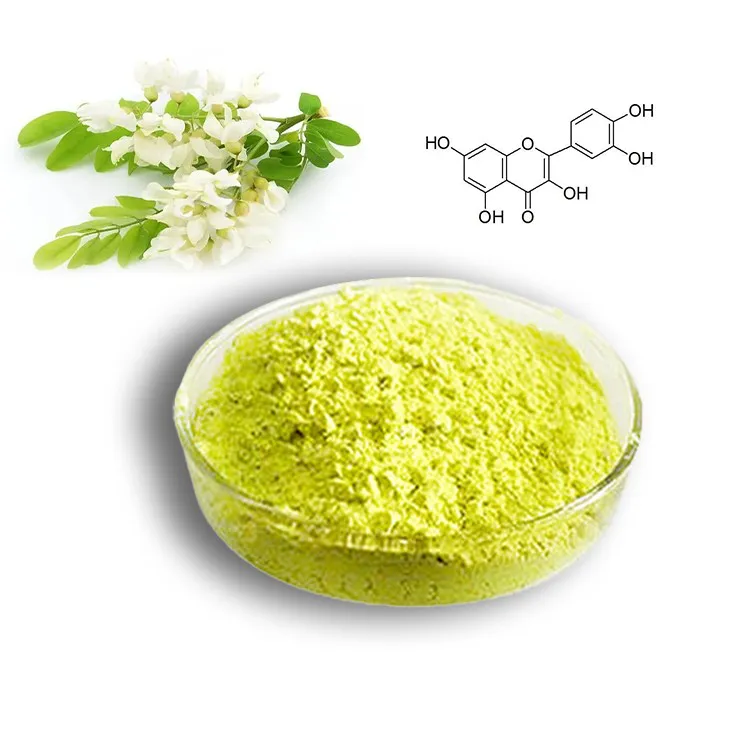
Quercetin
2026-08-12
-
Tormentil Extract
2026-08-12
-
Baobab Fruit Extract
2026-08-12
-
Sea buckthorn Juice Powder
2026-08-12
-
Grapefruit Seed Extract Powder
2026-08-12
-
Clove Powder
2026-08-12
-
Passionflower Extract
2026-08-12
-
Mango flavored powder
2026-08-12
