- 0086-571-85302990
- [email protected]






What is the difference between plant saponins and animal saponins?
2026-08-15
Saponins are a broad family of natural compounds found all over the plant and animal kingdoms. They all share the same basic glycoside skeleton, but plant saponins and animal saponins differ in their sources, their chemical backbones, and the way they are actually used in food, cosmetics, and dietary supplements. For anyone who formulates products or buys raw ingredients, telling the two apart matters more than the name suggests. This article walks through the main differences so you can choose the right material for your application.
What exactly is a saponin?
A saponin is a glycoside made of two parts: a sugar portion (the glycone) attached to a non-sugar portion called the aglycone or sapogenin. The name comes from the Latin word for soap, because saponins produce a soapy foam when shaken in water. That foaming happens because the molecule is amphiphilic, meaning one end likes water and the other end avoids it. This same property is what gives saponins their surface-active behavior and much of their biological activity.
What are plant saponins?
Plant saponins are by far the most common and the most commercially important type. They turn up in species such as ginseng, honey locust, soapwort, quillaja, licorice, yucca, and Gynostemma pentaphyllum. Based on the structure of their aglycone, plant saponins fall into two main groups: triterpenoid saponins, typical of ginseng, honey locust, and Gynostemma, and steroidal saponins, typical of yam and yucca.
These compounds are naturally surface-active and are reported to show anti-inflammatory, immunomodulatory, and antioxidant properties. Because of this, plant saponins are widely used as natural surfactants, emulsifiers, foaming agents, and functional ingredients in supplements, personal care, and functional foods. They are abundant, renewable, and well supported by long use across many industries.
What are animal saponins?
Animal saponins are far less common and come mainly from marine organisms, especially echinoderms such as sea cucumbers and sea stars. These compounds are glycosylated steroids and triterpenes that act primarily as a chemical defense against predators. A distinctive feature of many marine saponins is the presence of sulfate groups, which makes their structure noticeably different from most plant saponins. They are studied for antitumor, hypolipidemic, antioxidant, and antimicrobial activity, but obtaining them in large, sustainable quantities is difficult.
Key differences at a glance
| Aspect | Plant saponins | Animal saponins |
|---|---|---|
| Main sources | Ginseng, honey locust, soapwort, quillaja, yucca, Gynostemma | Sea cucumbers, sea stars, other echinoderms |
| Aglycone types | Triterpenoid and steroidal | Steroidal and triterpenoid, often sulfated |
| Natural role | Defense, antimicrobial, foaming | Chemical defense against predators |
| Availability | Abundant and renewable | Rare and hard to source sustainably |
| Commercial use | Widespread in food, cosmetics, supplements | Mainly at research and development stage |
Why plant saponins dominate commercial products
For formulators and buyers, plant saponins remain the practical choice. They are abundant, renewable, affordable, and backed by decades of safe use in food and personal care. This is why trusted plant extracts remain the backbone of the natural ingredient trade. Animal saponins are scientifically interesting, but their limited supply, higher cost, and sustainability concerns keep them mostly in the laboratory. That is why the vast majority of commercial saponin ingredients on the market today come from plants.
Raw material producers such as Greensky supply standardized plant extracts built around these compounds. Their Saponin Extract, for example, is a natural substance derived from saponin-rich plants such as honey locust and ginseng, and is used for its surface-active, anti-inflammatory, immunomodulatory, and antioxidant properties. Gynostemma pentaphyllum extract is another saponin-rich option, prized for the saponins and amino acids it contains.
Things to consider when choosing a saponin ingredient
- Standardization. Look for extracts with consistent, documented levels of the active saponin you need, so every batch behaves the same in your formula.
- Application fit. A surfactant saponin for a cleanser is not the same as a saponin-rich supplement ingredient, so match the material to your intended use.
- Regulatory and quality. Make sure the supplier follows food-grade or applicable standards and can provide the documentation needed for your target market.
- Traceability. A supplier with its own production and testing can give you more confidence in purity and origin than a simple trader.
The bottom line
Plant and animal saponins are both bioactive, but they diverge in source, structure, and application. Plant saponins are abundant, renewable, and widely used in commercial products, while animal saponins remain rare and mostly confined to research. For most commercial needs, plant saponins offer the best balance of efficacy, availability, and cost, especially when sourced from an experienced plant extract supplier who can guarantee quality and traceability.
- ▶ Hesperidin
- ▶ Citrus Bioflavonoids
- ▶ Plant Extract
- ▶ lycopene
- ▶ Diosmin
- ▶ Grape seed extract
- ▶ Sea buckthorn Juice Powder
- ▶ Fruit Juice Powder
- ▶ Hops Extract
- ▶ Artichoke Extract
- ▶ Mushroom extract
- ▶ Astaxanthin
- ▶ Green Tea Extract
- ▶ Curcumin
- ▶ Horse Chestnut Extract
- ▶ Other Product
- ▶ Boswellia Serrata Extract
- ▶ Resveratrol
- ▶ Marigold Extract
- ▶ Grape Leaf Extract
- ▶ New Product
- ▶ Aminolevulinic acid
- ▶ Cranberry Extract
- ▶ Red Yeast Rice
- ▶ Red Wine Extract
- ▶ blog
-
Yohimbine Bark Extract
2026-08-15
-
Moringa powder
2026-08-15
-
Grapefruit Seed Extract Powder
2026-08-15
-
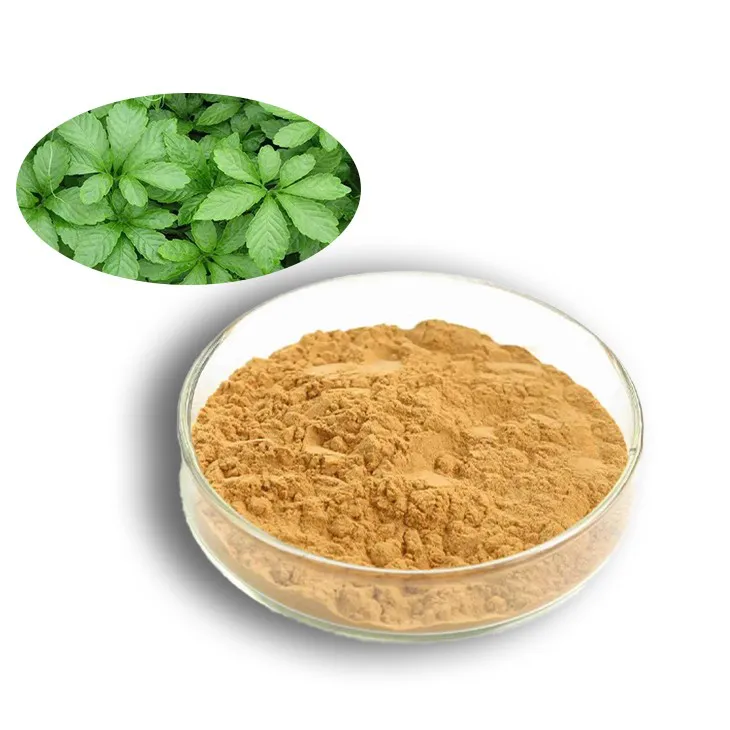
Gynostemma pentaphyllum extract
2026-08-15
-
Elderberry Extract
2026-08-15
-
Citrus bioflavonoids
2026-08-15
-
Lily extract
2026-08-15
-
Berberis aristata Extract
2026-08-15
-
Pomegranate Extract
2026-08-15
-
Tamarind extract powder
2026-08-15
