- 0086-571-85302990
- [email protected]




What is the difference between grape seed extract vs resveratrol for health?
2026-08-14
Grape Seed Extract and resveratrol are two of the most talked-about grape-derived antioxidants in the supplement world. Both come from the same fruit, yet they are harvested from different parts of it, contain different active compounds, and support the body in different ways. If you have ever wondered whether you should reach for one or the other, or whether taking both makes sense, this guide breaks down the grape seed extract vs resveratrol question in plain language.
Where each compound comes from
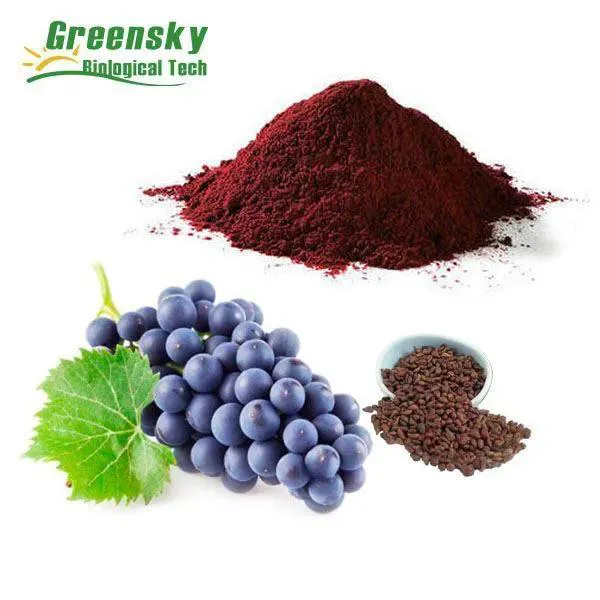
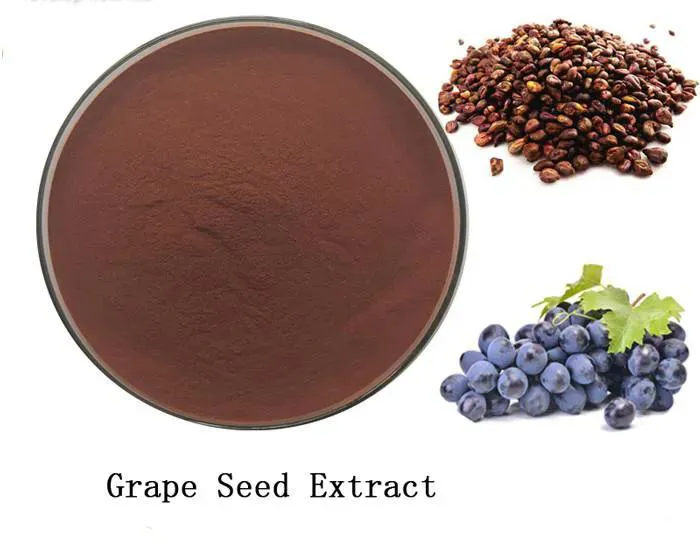
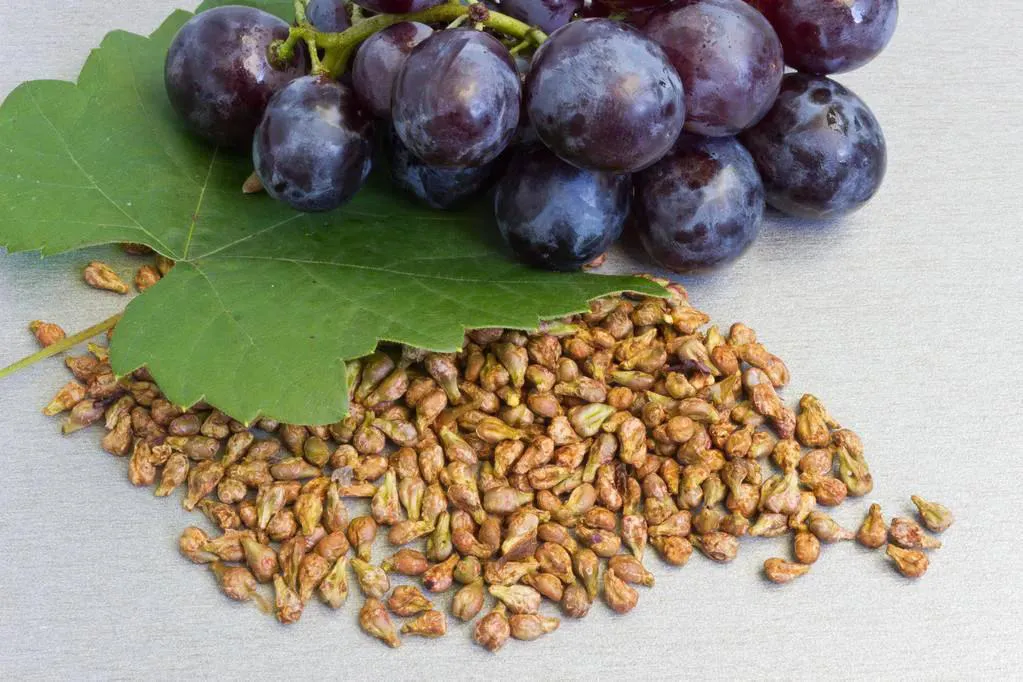
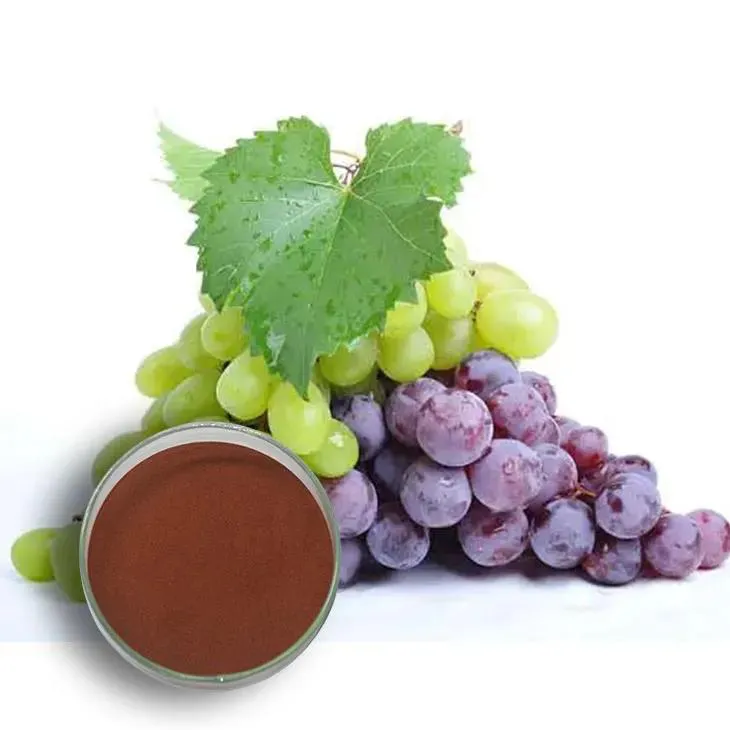
The simplest way to tell them apart is by looking at the part of the grape they come from. Grape Seed Extract is made from the seeds, the small hard kernels that are usually discarded during winemaking. Those seeds are packed with a family of polyphenols called proanthocyanidins, which are condensed tannins built from catechin and epicatechin units. Resveratrol, by contrast, is concentrated in the skin of the grape, the part that gives red wine its color and much of its reputation. It belongs to a class of compounds called stilbenoids, and it is produced by the plant as a natural defense against stress, injury, and fungal attack.
This difference in origin matters more than it might seem. Because the two compounds come from different tissues of the plant, their chemical profiles, absorption patterns, and biological effects are genuinely different. Resveratrol is also found in other foods such as peanuts, blueberries, and Japanese knotweed, while Grape Seed Extract is essentially a grape-only ingredient.
What grape seed extract does
Grape seed extract is best known as a concentrated source of proanthocyanidins, and its reputation rests mainly on cardiovascular support. Studies and clinical observations have linked it to improved blood flow, healthier blood pressure, and protection of blood vessel walls. Its antioxidant activity helps prevent the oxidation of LDL cholesterol, a process widely regarded as an early step in the development of heart disease. Beyond the heart, grape seed extract has been studied for skin health, where its antioxidants help defend against UV-related damage and support collagen, as well as for wound healing and general anti-inflammatory effects.
Because proanthocyanidins are a complex mixture of molecules of different sizes, the quality of a grape seed extract product depends heavily on how it is standardized. Reputable manufacturers standardize their extract to a defined proanthocyanidin content, typically in the range of 80% to 95%, so that every batch delivers a consistent level of active compounds.
What resveratrol does
Resveratrol has attracted attention for a different set of reasons. It is the compound most often associated with the so-called French paradox, the observation that people in some wine-drinking regions enjoy relatively low rates of heart disease despite rich diets. Research on resveratrol has focused on its ability to activate sirtuins, a family of proteins linked to cellular stress resistance and longevity pathways. It has also been investigated for its anti-inflammatory properties and for potential benefits in brain health, where some studies suggest it may help protect against age-related cognitive decline.
One honest caveat about resveratrol is bioavailability. The body absorbs and clears it quickly, which has made it a challenge to deliver effective amounts through oral supplements. Manufacturers have responded with micronized forms, liposomal preparations, and combinations with other ingredients intended to improve absorption. When comparing the two, this is a real practical difference: grape seed extract's proanthocyanidins are absorbed to varying degrees depending on molecular size, while resveratrol's rapid metabolism is a well-documented hurdle.
Key differences at a glance
| Feature | Grape Seed Extract | Resveratrol |
|---|---|---|
| Source | Grape seeds | Grape skin (also peanuts, berries) |
| Key compounds | Proanthocyanidins (condensed tannins) | Stilbenoids (trans-resveratrol) |
| Main strength | Potent free-radical scavenging, cardiovascular and skin support | Sirtuin activation, anti-aging and brain health research |
| Bioavailability | Varies with proanthocyanidin size | Relatively low, rapidly metabolized |
| Typical use | Heart health, skin, general antioxidant support | Anti-aging, metabolic and cognitive support |
Which one fits your health goal?
For cardiovascular support, both compounds have something to offer, but they work through different routes. Grape seed extract is more directly associated with blood pressure, blood flow, and vessel protection, while resveratrol's cardiovascular effects are tied to its influence on blood vessel function and platelet activity. If your focus is skin and connective tissue, grape seed extract has the stronger track record, thanks to its collagen-supporting and UV-protective properties. If your focus is healthy aging and cognitive function, resveratrol is the ingredient that has generated the most research interest.
The good news is that you do not have to choose. The two compounds act through different mechanisms, and many formulators combine them deliberately. A supplement that pairs grape seed extract with resveratrol can offer broader antioxidant coverage than either ingredient alone, which is why the combination is common in premium formulations.
What to look for when buying
Whether you are choosing a finished supplement or sourcing ingredients for your own brand, quality comes down to a few practical points. First, check standardization: a good grape seed extract should state its proanthocyanidin content, and a good resveratrol product should state its trans-resveratrol purity, since the trans form is the biologically active one. Second, look for third-party testing and clean production standards. Third, buy from a supplier that can document its manufacturing process from raw material to finished powder.
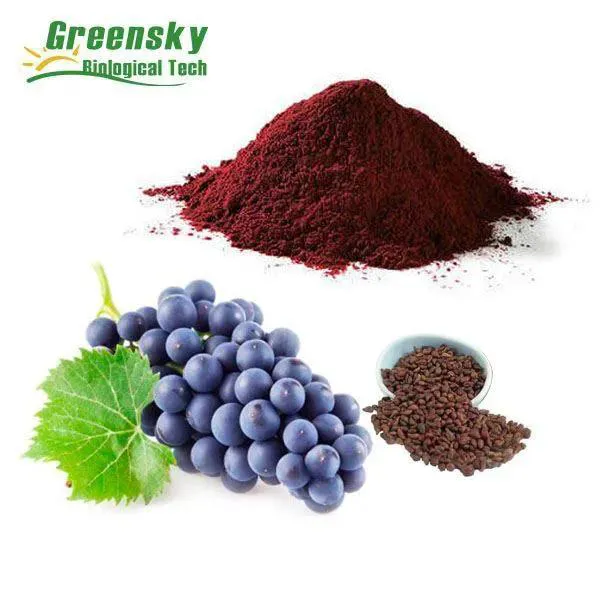
For businesses sourcing ingredients, working with an established manufacturer makes these checks much easier. Greensky, a natural plant extract manufacturer founded in 2004, produces both grape seed extract powder and Resveratrol extract in a 100,000-class clean production area, with an in-house laboratory equipped with GC, HPLC, and UV instruments for batch verification. The company holds ISO22000, BRCGS, Ecocert Organic, SGS-GMP, ISO9001, HALAL, and Kosher certifications, and its extracts are exported to markets including Europe, the United States, South Korea, and Russia. That level of documentation matters when you need consistent quality at scale.
Frequently asked questions
Can I take grape seed extract and resveratrol together? Yes. They work through different pathways, and combining them is generally considered safe at recommended doses. As with any supplement, it is wise to check with a healthcare professional, especially if you take blood-thinning or blood-pressure medication.
Which is better for heart health? Both have shown promise, but through different mechanisms. Grape seed extract is more often linked to blood pressure and blood flow, while resveratrol is studied for blood vessel function and platelet activity. Your choice should depend on the specific concern you are addressing.
Is resveratrol the same as grape seed extract? No. Resveratrol is a single stilbenoid compound found mainly in grape skin, while grape seed extract is a complex mixture of proanthocyanidins from grape seeds. They are related through their grape origin, but they are not interchangeable.
The bottom line
Grape seed extract and resveratrol are both valuable grape-derived antioxidants, but they are not the same ingredient. Grape seed extract brings concentrated proanthocyanidins with strong support for cardiovascular and skin health, while resveratrol brings a stilbenoid with a unique research profile around aging and brain health. Understanding the resveratrol vs grape seed extract distinction lets you choose the right ingredient for your goal, or combine both for broader coverage. And when quality and consistency matter, sourcing from a certified manufacturer with documented production and testing is the surest way to get what you pay for.
- ▶ Hesperidin
- ▶ Citrus Bioflavonoids
- ▶ Plant Extract
- ▶ lycopene
- ▶ Diosmin
- ▶ Grape seed extract
- ▶ Sea buckthorn Juice Powder
- ▶ Fruit Juice Powder
- ▶ Hops Extract
- ▶ Artichoke Extract
- ▶ Mushroom extract
- ▶ Astaxanthin
- ▶ Green Tea Extract
- ▶ Curcumin
- ▶ Horse Chestnut Extract
- ▶ Other Product
- ▶ Boswellia Serrata Extract
- ▶ Resveratrol
- ▶ Marigold Extract
- ▶ Grape Leaf Extract
- ▶ New Product
- ▶ Aminolevulinic acid
- ▶ Cranberry Extract
- ▶ Red Yeast Rice
- ▶ Red Wine Extract
- ▶ blog
-
Thunder God Vine Extract
2026-08-14
-
Lily extract
2026-08-14
-
Lotus leaf extract
2026-08-14
-
Lion's Mane Mushroom Extract
2026-08-14
-
5-HTP (5-Hydroxytryptophan)
2026-08-14
-
Elderberry Extract
2026-08-14
-
Maitake Mushroom Extract
2026-08-14
-
Clove Powder
2026-08-14
-
Polygonum Cuspidatum Extract
2026-08-14
-
Purple Sweet Potato Extract
2026-08-14