- 0086-571-85302990
- [email protected]





What is the difference between geranium plant extract and geranium essential oil?
2026-08-19
"Geranium" can be a confusing name in the ingredients business because it refers to two quite different products. One is the fragrant geranium essential oil prized in perfumery and aromatherapy, and the other is the standardized geranium plant extract used as a functional ingredient in supplements and health foods. They come from the same botanical family but are made differently, contain different compounds, and serve different purposes. This guide separates the two so formulators and buyers can choose the right raw material for their application.
What is geranium essential oil?
Geranium essential oil is a volatile concentrate obtained mainly from the leaves and stems of rose-scented geranium (Pelargonium graveolens), a plant native to South Africa that belongs to the Geraniaceae family. Although more than 200 species of geranium grow in nature, only a handful are actually used to produce oil, and P. graveolens dominates commercial production because of its strong, rosy, herbaceous aroma.
The oil is recovered by steam or hydro-distillation, a process that captures the plant's volatile aromatic compounds. A typical geranium oil can contain well over a hundred different phytoconstituents, but the character of the oil is carried by just a few terpenes—citronellol, geraniol, linalool and their esters—which together account for around 60% of the total oil. Because these molecules are small and volatile, the oil is liquid at room temperature and evaporates easily.
What is geranium plant extract?
A geranium plant extract, in the ingredients trade, usually refers to a more complete botanical preparation rather than just the aromatic fraction. Depending on the extraction process and solvent used, an extract can preserve a broader range of the plant's constituents—polyphenols, flavonoids, glycosides and other non-volatile compounds, in addition to some of the terpene fraction.
Plant extracts are typically dried and processed into a standardized powder. "Standardized" is the key word: manufacturers measure and adjust the level of a chosen marker compound so that every batch delivers a consistent concentration. This reproducibility is exactly what product developers need when they build a formula that must perform the same way from lot to lot.
The main differences at a glance
Although both are derived from the geranium plant, the two materials differ in four practical ways that matter to a purchasing or R&D team.
- How they are made: essential oil relies on steam or hydro-distillation to isolate volatile aromatics, while plant extract is usually produced with solvent or water extraction and then concentrated into a dry powder.
- What they contain: essential oil is dominated by volatile terpenes such as citronellol and geraniol, whereas an extract carries a wider spectrum that includes non-volatile compounds like flavonoids and polyphenols.
- Physical form: essential oil is an aromatic liquid; extract typically comes as a free-flowing standardized powder.
- Where they are used: essential oil is the standard choice for cosmetics, perfumery and aromatherapy; standardized extract is preferred for dietary supplements, health foods and nutraceutical tablet or capsule formulations.
How to choose between them
The decision comes down to the application and the dosage form you are aiming at. If you are developing a fragrance, skincare blend or aromatherapy product where the scent and volatile actives do the work, essential oil is the natural fit. If you are building a supplement, a health-food ingredient or a product that needs a measurable, repeatable active dose in a solid format, a standardized extract is the more sensible choice.
Many brands use both—the extract in an inner caplet or softgel, and the oil in the flavoring or finished-touch stage. What matters most is that each raw material is documented, traceable and consistent, which is where choosing the right supplier makes a real difference.
Sourcing quality raw materials
Because extracts are standardized and subject to tight batch-to-batch control, they are best sourced from an experienced plant extract manufacturer with the right quality systems in place. Hangzhou Greensky Biological Tech. Co., Ltd. has produced natural plant extracts since 2004 and operates with vertically integrated research, production and quality control across several subsidiaries. Its manufacturing runs in clean, food-grade production areas and is supported by an in-house laboratory equipped with GC, HPLC and UV analysis, backed by certifications including ISO22000, BRCGS, ISO9001, HALAL and Kosher.
This combination of standardized production and documented quality gives supplement and food brands confidence that the plant material they buy today will match what they buy next quarter. When a raw material must perform consistently at scale, choosing a supplier with real manufacturing depth is just as important as choosing the right form of geranium.
Final thought
Geranium essential oil and geranium plant extract both have value, but they are not interchangeable. Essential oil brings aroma and volatile actives to cosmetics and aromatherapy; plant extract delivers a broad, standardized and batch-consistent profile for supplements and health foods. Knowing the difference—and sourcing each from a qualified manufacturer—keeps your formulation stable, compliant and effective.
TAGS:
- ▶ Hesperidin
- ▶ Citrus Bioflavonoids
- ▶ Plant Extract
- ▶ lycopene
- ▶ Diosmin
- ▶ Grape seed extract
- ▶ Sea buckthorn Juice Powder
- ▶ Fruit Juice Powder
- ▶ Hops Extract
- ▶ Artichoke Extract
- ▶ Mushroom extract
- ▶ Astaxanthin
- ▶ Green Tea Extract
- ▶ Curcumin
- ▶ Horse Chestnut Extract
- ▶ Other Product
- ▶ Boswellia Serrata Extract
- ▶ Resveratrol
- ▶ Marigold Extract
- ▶ Grape Leaf Extract
- ▶ New Product
- ▶ Aminolevulinic acid
- ▶ Cranberry Extract
- ▶ Red Yeast Rice
- ▶ Red Wine Extract
- ▶ blog
-
Sophora Japonica Flower Extract
2026-08-19
-
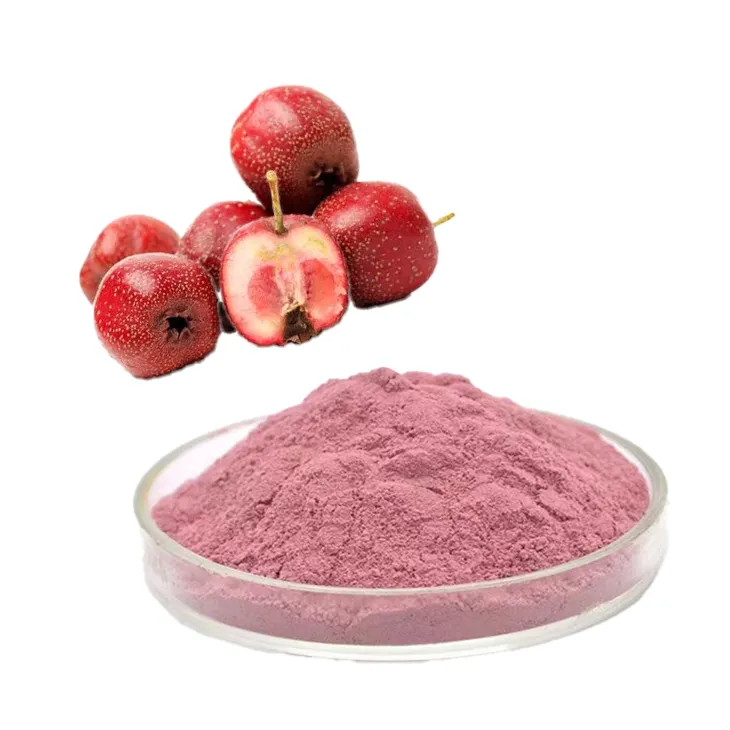
Hawthorn powder
2026-08-19
-
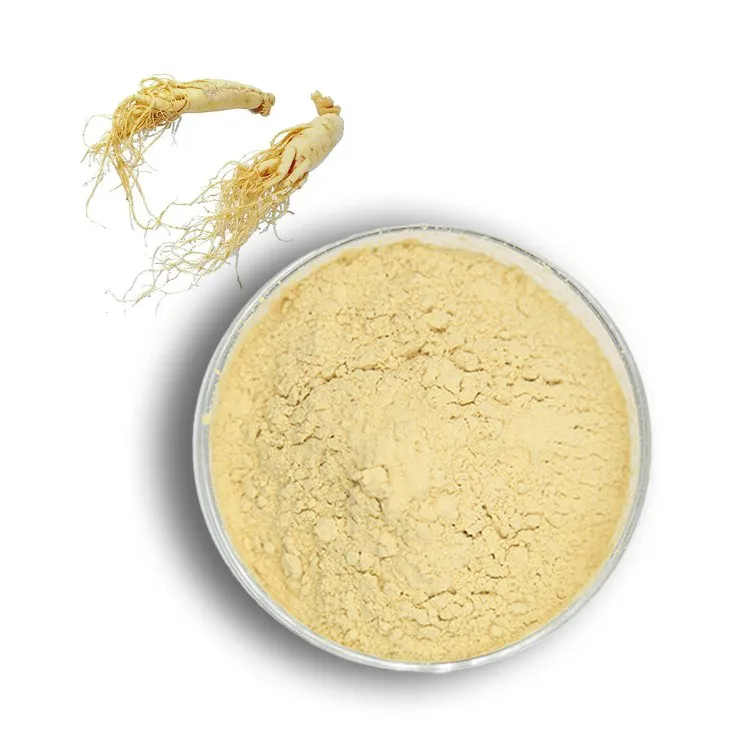
Ginseng Root Extract
2026-08-19
-
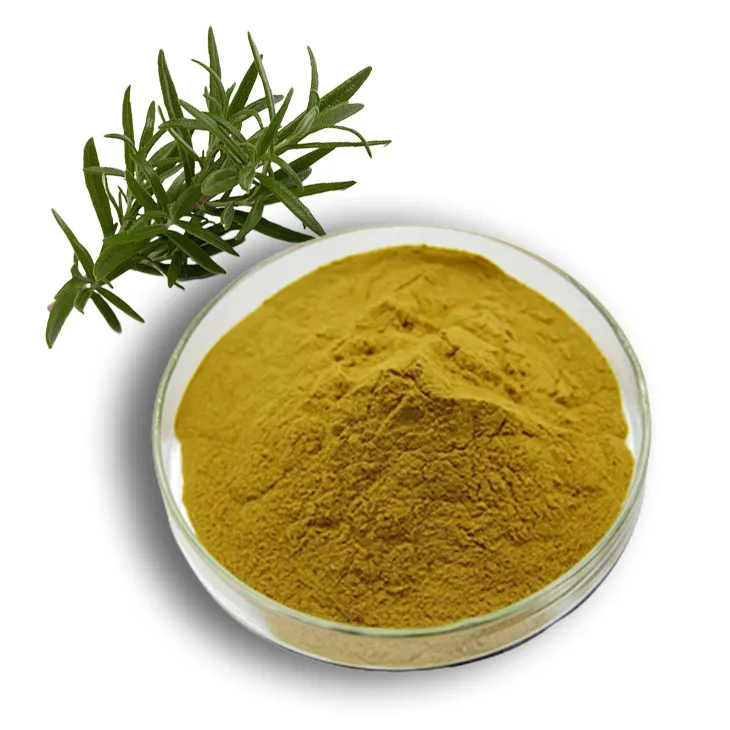
Rosemary extract
2026-08-19
-
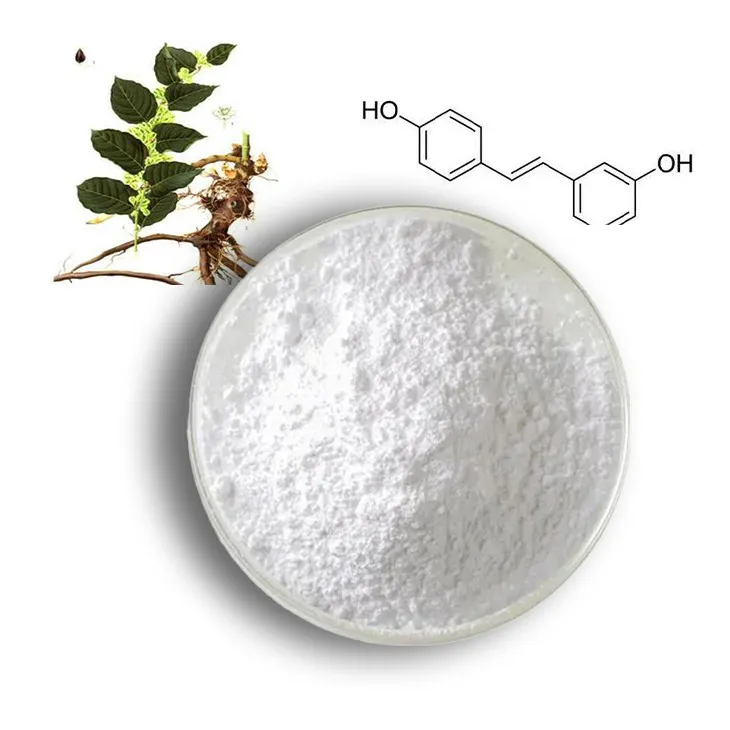
Resveratrol
2026-08-19
-
Agaricus Blazei Extract
2026-08-19
-
Stevia Extract
2026-08-19
-
Lavender Extract
2026-08-19
-
Camu Camu Extract
2026-08-19
-
Red Date Extract
2026-08-19