- 0086-571-85302990
- [email protected]






What is the difference between fruit juice powder and fruit concentrate?
2026-08-19
What is fruit juice powder?
Fruit juice powder is produced by removing almost all of the water from fresh juice. The liquid juice is fed into a spray drying tower, where a stream of hot air quickly turns the fine droplets into a dry powder that typically holds only a few percent of moisture. Because the water is gone, the powder is light, compact and highly stable at room temperature, which makes it easy to transport, store and dose into dry blends. You simply mix it back with water when you need a liquid again, which is why it appears so often in instant drinks, dry beverage mixes, baking products, seasonings and effervescent tablets.
What is fruit juice concentrate?
Fruit concentrate is fresh juice that has had only part of its water removed, usually by vacuum evaporation at low temperature. The result is a thick, syrupy liquid that still contains a significant amount of water. When the label on a retail bottle says “from concentrate,” it means that this syrup has been diluted back with water before packing to restore a drinkable juice. Concentrate keeps the broad flavour and mouthfeel of the original juice, but because it is still a liquid, it needs aseptic or chilled handling, heavier packaging and tighter control over its shelf life during distribution.
Key differences at a glance
- Physical form: powder is dry and free-flowing; concentrate is a viscous liquid.
- Water content: powder removes nearly all moisture; concentrate retains a large portion and relies on a higher soluble solids level.
- How they are made: powder is generally spray-dried or freeze-dried; concentrate is usually vacuum-evaporated.
- Shelf life and storage: powder stays stable at ambient temperature and typically lasts longer; concentrate often needs cold-chain or aseptic handling.
- Weight and logistics: powder is lighter and more compact, lowering freight and warehousing costs; concentrate is heavier per unit of flavour.
- Flavour and nutrition: carefully processed concentrate preserves a fuller, fresher flavour than aggressively heated juice, while gentle drying methods help the powder keep its colour and aroma.
Which one should you choose?
The right choice depends on your product format. If you are making an instant beverage, a dry smoothie mix, a baking compound, a seasoning or a supplement tablet, fruit juice powder is usually the cleaner solution because it blends straight into dry ingredients and needs no refrigerated tank storage. If you are producing bottled or carton juice, jams, sauces or syrups where you will reconstitute the ingredient on site, a concentrate may offer a fuller flavour profile and lower processing input.
Costing is about more than the price per kilo. A powder removes freight, coolant and tank costs, but a concentrate brings better flavour recovery. Running a short trial with both forms in your own recipe is the fastest way to see which one gives your consumers the taste and stability you want.
Sourcing quality fruit juice powder
When you buy powder in volume, source from a supplier who controls the whole chain. Greensky is a natural plant extract manufacturer founded in 2004, with five wholly owned production subsidiaries and over twenty years of experience developing active botanical ingredients. Its fruit and vegetable extract line includes Beetroot juice Powder for energy and circulation formulations, Sea buckthorn Juice Powder for immunity and antioxidant applications, Acerola Juice Powder as a natural vitamin C source, and lemon juice powder for zesty drink and food flavours.
Greensky’s production line is backed by a 100,000-class clean area that meets food-grade requirements, an independent laboratory equipped with GC, HPLC and UV instruments, and certifications including ISO22000, BRCGS, Ecocert Organic, ISO9001, HALAL and Kosher. That means consistent quality, reliable documentation and cleaner regulatory submissions for every market you serve.
Conclusion
Fruit juice powder and fruit concentrate both turn perishable fruit into stable ingredients, but they differ in form, water content, shelf life, logistics and flavour. Powder is ideal for dry formats and long, low-cost storage, while concentrate suits liquid beverage production that will be reconstituted on site. Explore the full fruit juice powder range to find a grade, specification and certificate package that fits your formulation.
TAGS:
- ▶ Hesperidin
- ▶ Citrus Bioflavonoids
- ▶ Plant Extract
- ▶ lycopene
- ▶ Diosmin
- ▶ Grape seed extract
- ▶ Sea buckthorn Juice Powder
- ▶ Fruit Juice Powder
- ▶ Hops Extract
- ▶ Artichoke Extract
- ▶ Mushroom extract
- ▶ Astaxanthin
- ▶ Green Tea Extract
- ▶ Curcumin
- ▶ Horse Chestnut Extract
- ▶ Other Product
- ▶ Boswellia Serrata Extract
- ▶ Resveratrol
- ▶ Marigold Extract
- ▶ Grape Leaf Extract
- ▶ New Product
- ▶ Aminolevulinic acid
- ▶ Cranberry Extract
- ▶ Red Yeast Rice
- ▶ Red Wine Extract
- ▶ blog
-
Phyllanthus Emblica Extract
2026-08-19
-
Kelp Extract Powder
2026-08-19
-
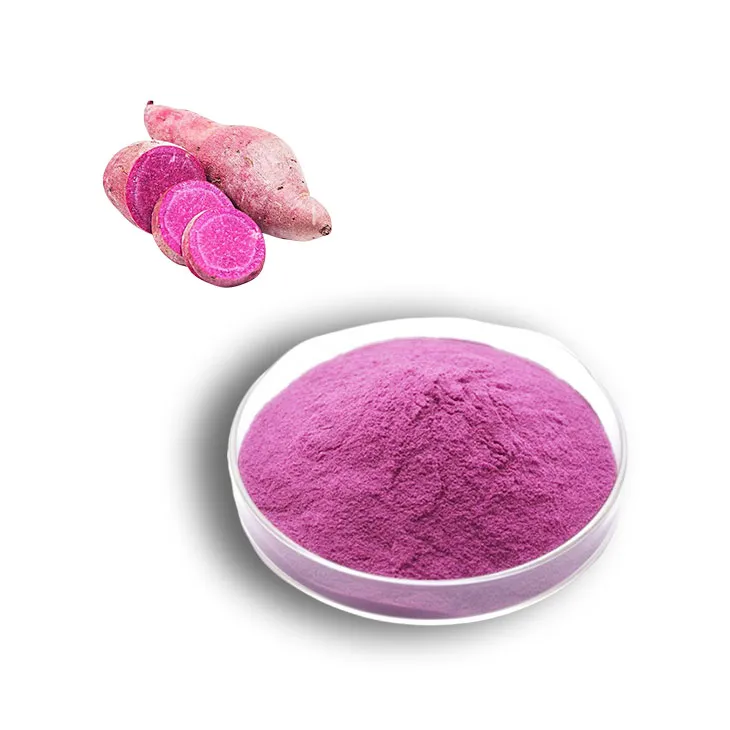
Purple Sweet Potato Extract
2026-08-19
-
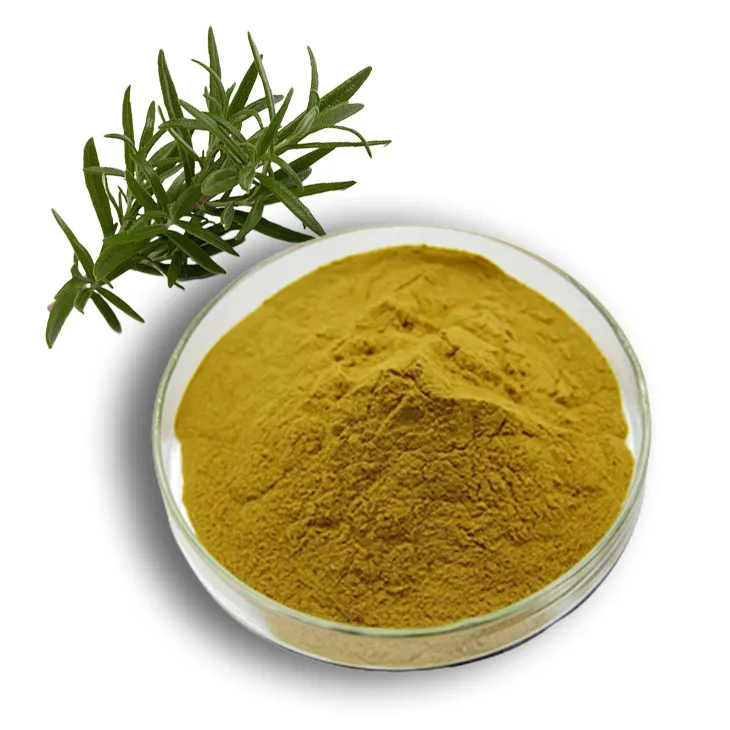
Rosemary extract
2026-08-19
-
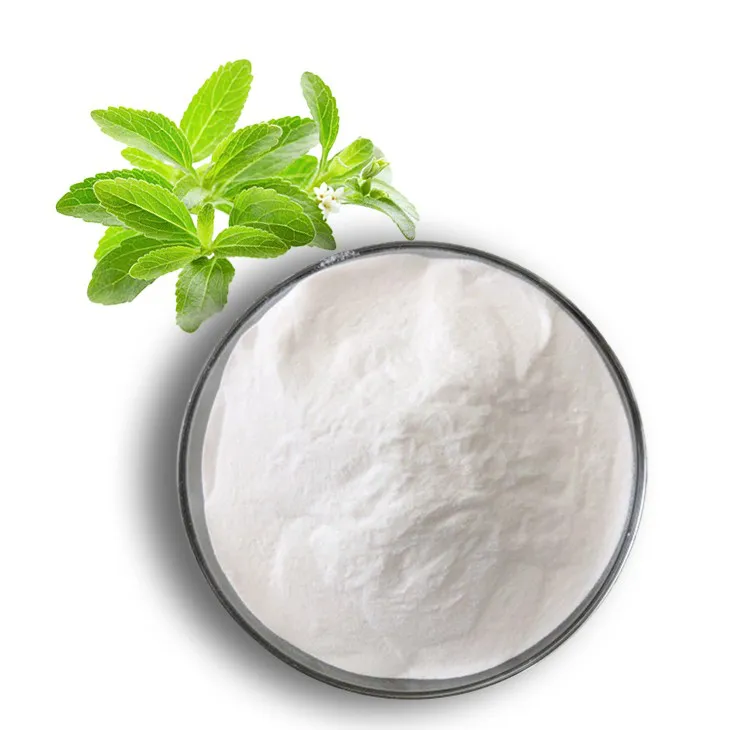
Stevia Extract
2026-08-19
-
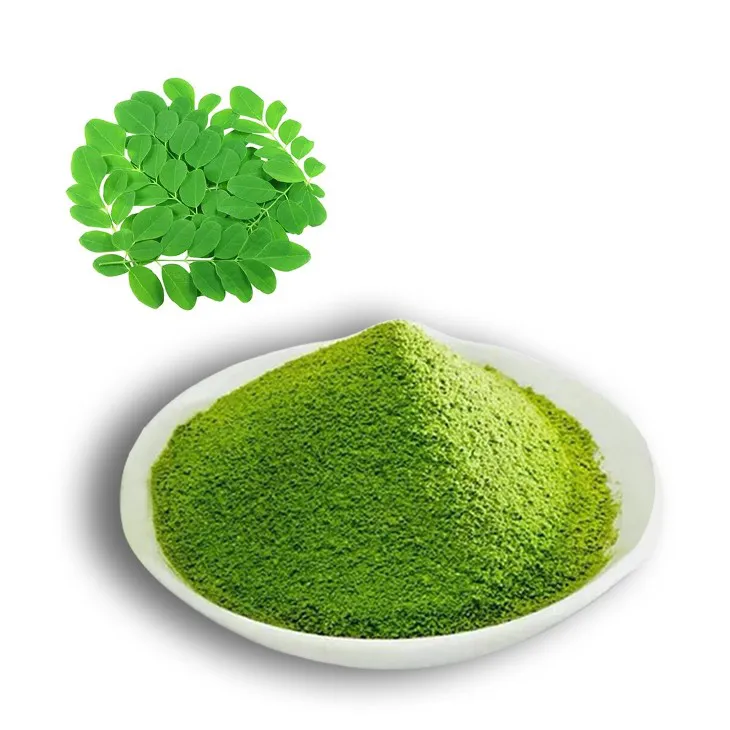
Moringa powder
2026-08-19
-
Uridine-5'-monophosphate Disodium salt
2026-08-19
-
Nettle leaf extract
2026-08-19
-
Yohimbine Bark Extract
2026-08-19
-
Echinacea Extract
2026-08-19
