- 0086-571-85302990
- [email protected]




What is the difference between diosmin hesperidin and diosmin alone?
2026-08-15
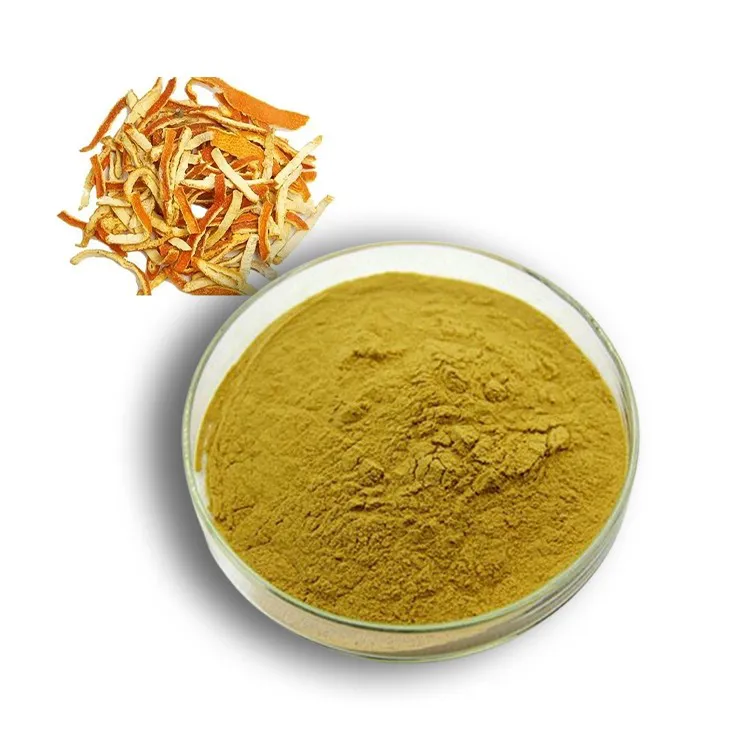
When you look at citrus-derived ingredients for vascular health, two names come up again and again: Diosmin and Hesperidin. They are frequently sold together in a fixed combination, but you will also find Diosmin offered as a single-ingredient product. That raises a practical question for supplement brands and formulators: what is the actual difference between diosmin hesperidin and Diosmin alone? The answer affects product design, labeling, and the clinical evidence you can rely on.
What Are Diosmin and Hesperidin?
Diosmin (diosmetin 7-O-rutinoside) is a flavone glycoside that occurs naturally in citrus plants of the Rutaceae family, such as tangerines. Hesperidin is a flavanone glycoside found in the peel and pericarp of various citrus fruits. Both belong to the large family of plant flavonoids, polyphenolic compounds that plants produce for their own defense and that have been studied for their antioxidant and anti-inflammatory activity in humans. Because both compounds are concentrated in citrus, they often appear together in the same raw material streams.
The Chemical Difference Between the Two Compounds
The most fundamental difference between diosmin and hesperidin is structural. Diosmin carries a double bond between two carbon atoms in the C-ring of its molecular skeleton, while hesperidin does not. In fact, hesperidin differs from diosmin only by that single double bond. This small change is enough to place the two compounds in different classes, diosmin as a flavone and hesperidin as a flavanone. Commercially, diosmin is usually obtained by the oxidation of hesperidin, which is one reason the two are so often found together in citrus-derived ingredient supplies.
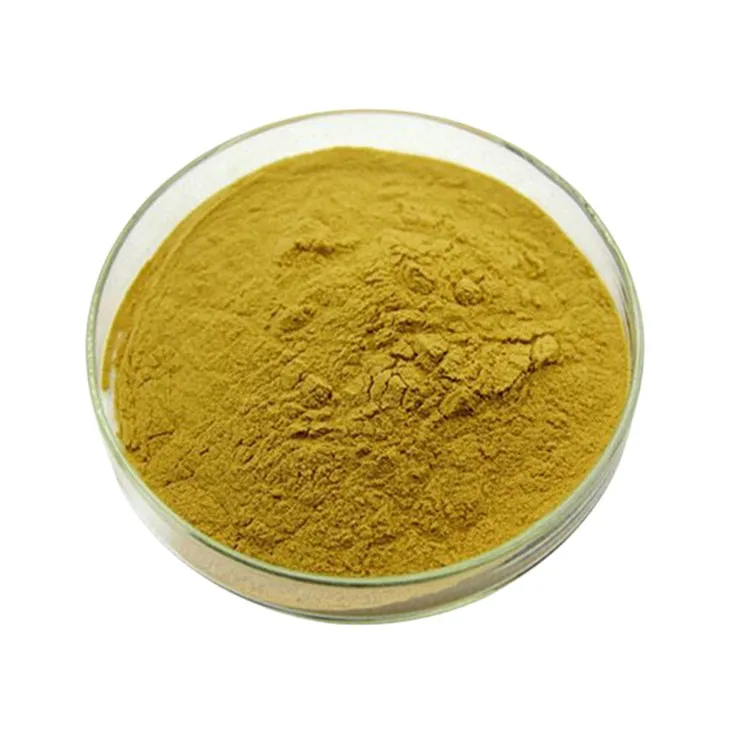
Diosmin plus Hesperidin vs. Diosmin Alone
From a formulation standpoint, the more important difference is between the fixed combination and diosmin used as a standalone ingredient. The best-studied form is the micronized purified flavonoid fraction (MPFF), which contains diosmin and hesperidin in approximately a 9:1 ratio. MPFF has been used for decades to manage the symptoms of chronic venous insufficiency and hemorrhoids, and it remains the reference product in this category.
Clinical evidence for the combination is well established. In current treatment guidelines, MPFF carries a strong recommendation for relieving the symptoms of chronic venous disease and for supporting the healing of venous ulcers when used alongside compression therapy. By contrast, the evidence for non-micronized or synthetic diosmin used alone is much weaker, and guidelines state only that its use can be considered. Head-to-head comparisons have not confirmed that monocomponent diosmin is equivalent to the diosmin-hesperidin combination.
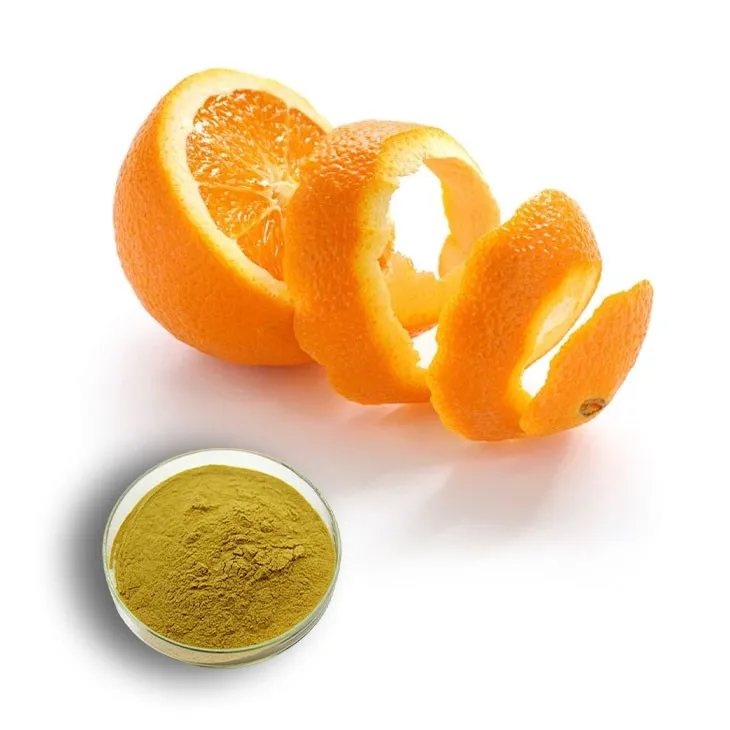
Why Hesperidin Is More Than a Filler
Some suppliers describe hesperidin as an inactive by-product in the combination, but the research does not support that view. Hesperidin and its aglycone hesperetin have their own pharmacodynamic effects. In particular, hesperidin has been shown to inhibit inflammatory cytokines such as tumor necrosis factor-alpha and interleukins, as well as the adhesion molecules involved in the inflammatory cascade that drives chronic venous disease. Experimental work also points to a synergistic effect between diosmin and hesperidin, for example in anti-exudative action. In short, the two flavonoids appear to work as a tandem rather than one being merely a carrier for the other.
What This Means for Ingredient Buyers
For supplement and pharmaceutical manufacturers, the choice between diosmin alone and a diosmin-hesperidin combination should be driven by the intended application and the evidence you want to stand behind. If your product targets venous health and you want to align with the strongest clinical data, a diosmin-hesperidin blend is the form most supported by the literature. If you need diosmin as a single standardized ingredient for a specific formulation, that option is also available, but keep in mind that the standalone form carries a weaker evidence base.
Sourcing Diosmin and Hesperidin from a Reliable Manufacturer
Because both ingredients are derived from citrus and share a close chemical relationship, working with a manufacturer that can supply them consistently and with full documentation is important. Hangzhou Greensky Biological Tech. Co., Ltd. (Greensky) is a professional plant extract manufacturer established in 2004, with more than 20 years of experience producing active botanical ingredients. Greensky offers diosmin as one of its hot products, as well as hesperidin and citrus bioflavonoids. All products are manufactured in food-grade facilities certified under ISO22000, BRCGS, HALAL, and Kosher, and are supported by an in-house laboratory equipped with HPLC, GC, and UV analysis.
Conclusion
Diosmin and hesperidin are closely related citrus flavonoids with a small chemical difference but a meaningful difference in how they are used and studied. The diosmin-hesperidin combination has the strongest clinical evidence for venous health applications, while diosmin alone is a simpler ingredient with a weaker evidence base. Understanding this distinction helps you choose the right raw material for your product. If you are sourcing diosmin, hesperidin, or other plant extracts, contact Greensky for specifications, certificates of analysis, and pricing.
- ▶ Hesperidin
- ▶ Citrus Bioflavonoids
- ▶ Plant Extract
- ▶ lycopene
- ▶ Diosmin
- ▶ Grape seed extract
- ▶ Sea buckthorn Juice Powder
- ▶ Fruit Juice Powder
- ▶ Hops Extract
- ▶ Artichoke Extract
- ▶ Mushroom extract
- ▶ Astaxanthin
- ▶ Green Tea Extract
- ▶ Curcumin
- ▶ Horse Chestnut Extract
- ▶ Other Product
- ▶ Boswellia Serrata Extract
- ▶ Resveratrol
- ▶ Marigold Extract
- ▶ Grape Leaf Extract
- ▶ New Product
- ▶ Aminolevulinic acid
- ▶ Cranberry Extract
- ▶ Red Yeast Rice
- ▶ Red Wine Extract
- ▶ blog
-
Hericium erinaceus extract powder
2026-08-15
-
Phellodendron Extract
2026-08-15
-
Cocoa Extract
2026-08-15
-
Senna Leaf Extract
2026-08-15
-
Bilberry Extract
2026-08-15
-
Camu Camu Extract
2026-08-15
-
Angelica sinensis extract
2026-08-15
-
Nettle Root Extract
2026-08-15
-
Uridine-5'-monophosphate Disodium salt
2026-08-15
-
Buckthorn bark extract
2026-08-15