- 0086-571-85302990
- [email protected]






What is the difference between a genistein supplement and soy isoflavones?
2026-08-15
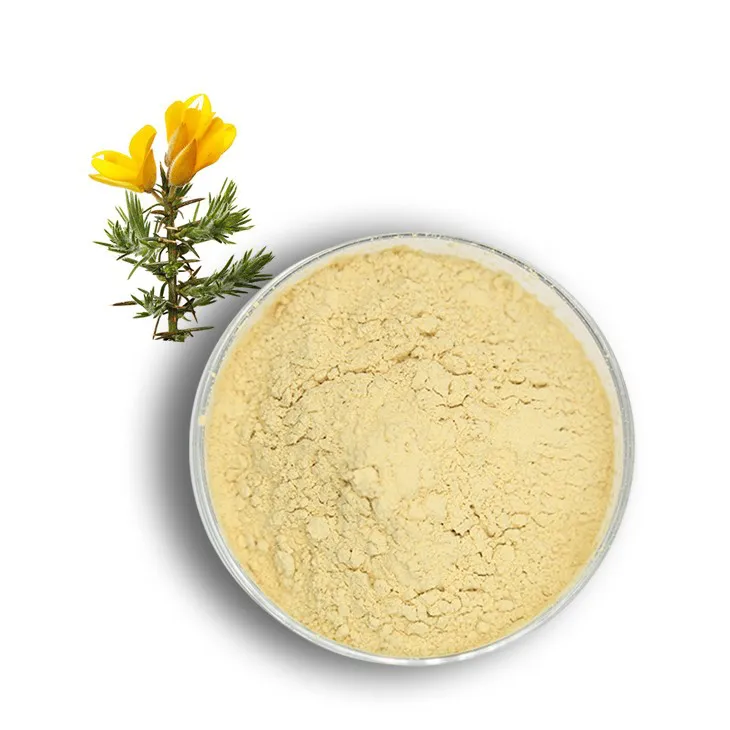
If you have been looking into natural supplements for menopause support, bone health, or general wellness, you have almost certainly come across two terms that seem to say the same thing: Genistein and soy isoflavones. People often use them interchangeably, but they are not the same. Understanding the difference matters a great deal, because it changes how you read a label, how you compare products, and how you talk to your supplier about the ingredient you are actually buying.
The short answer
Soy isoflavones are a family of naturally occurring plant compounds found in soybeans, while Genistein is one specific member of that family. Think of soy isoflavones as an entire orchestra and Genistein as the lead violinist. A genistein supplement isolates that single compound and concentrates it, whereas a soy isoflavone product typically delivers a blend of several related compounds in their natural proportions. That single distinction drives most of the practical differences between the two.
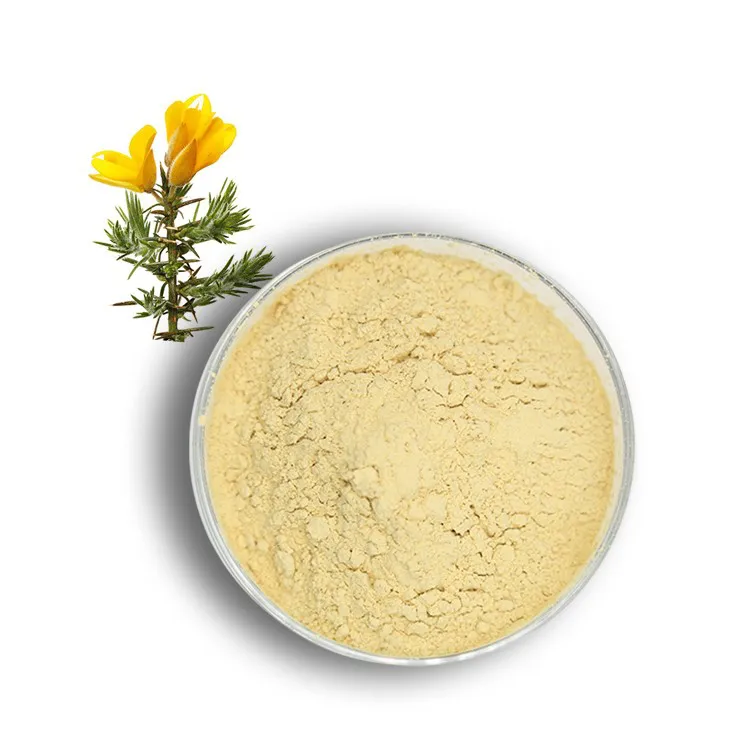
What are soy isoflavones?
Isoflavones belong to a group of plant substances called phytoestrogens, meaning they are plant-derived compounds whose structure resembles the human hormone estrogen. Soybeans are by far the richest food source of isoflavones, which is why the terms are so closely linked. Within any serving of soy isoflavones you will usually find three main compounds: genistein, daidzein, and a smaller amount of glycitein. In a typical soybean, genistein makes up roughly 40 to 60 percent of the total isoflavone content, daidzein about 30 to 50 percent, and glycitein a smaller fraction.
Because the group contains several compounds, a soy isoflavone extract offers a broad, balanced profile. It aims to reproduce what naturally occurs in the bean, which many researchers believe is valuable because the compounds appear to work together. This is why when a capsule is labeled simply "soy isoflavones," it is usually a mixture rather than a single chemical.
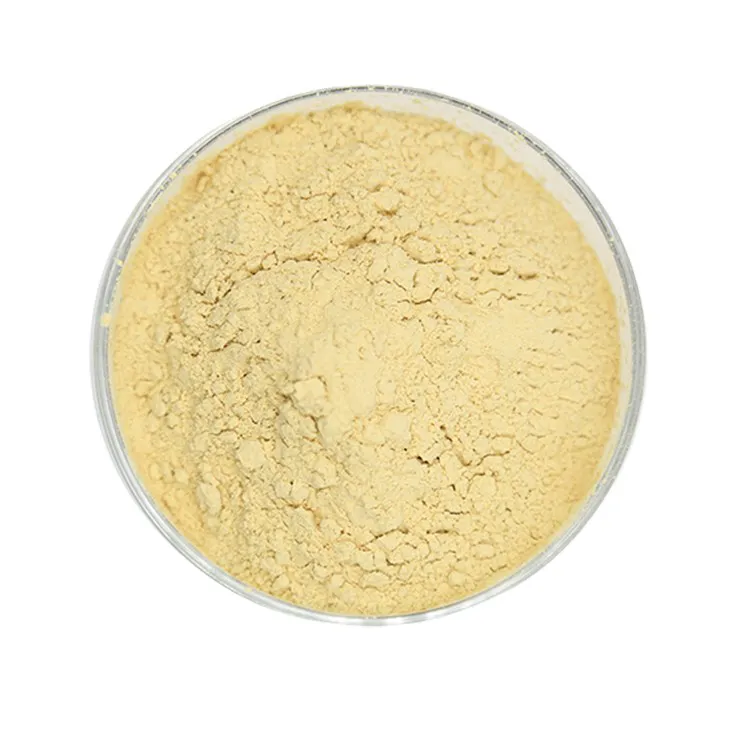
What is genistein?
Genistein is the most studied and most biologically active isoflavone in soybeans. It is a single, well-defined compound that has been researched on its own for its antioxidant activity and for its effects on estrogen receptors. Among the isoflavones, genistein has the highest binding affinity for estrogen receptor beta, which is one reason it has attracted so much attention in research on bone density and on hormone-sensitive tissues.
A genistein supplement strips away the other isoflavones and concentrates this one compound, often presented as genistein aglycone. The aglycone form matters because it is the molecule without a sugar group attached, and it is generally considered more bioavailable than the sugar-bound glycoside form found in many unprocessed soy products. When you buy a genistein product, you are essentially paying for purity and potency of a single active ingredient.
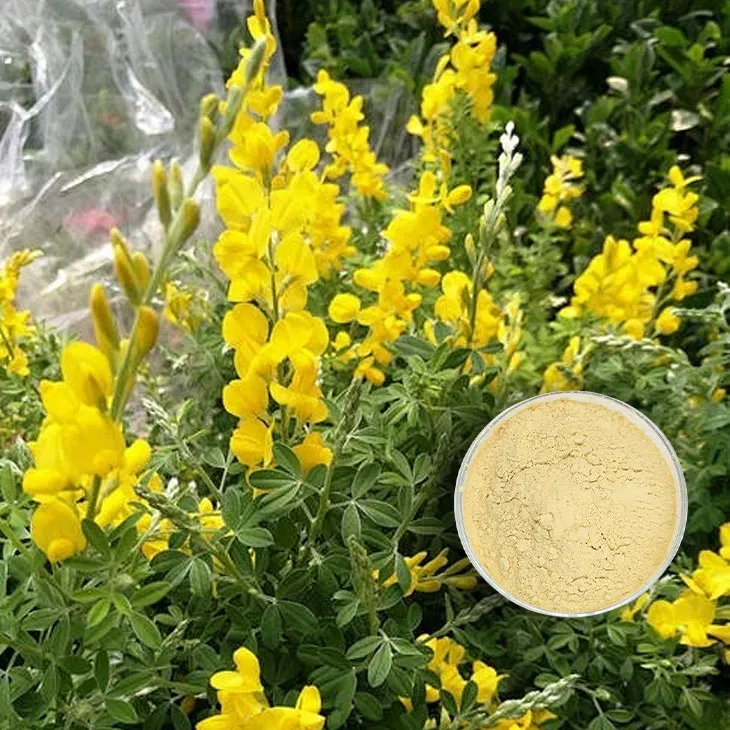
Key differences at a glance
The clearest way to compare the two is to look at composition, potency, metabolism, and typical use.
Composition. Soy isoflavones are a blend of genistein, daidzein, and glycitein. Genistein is a single isolated compound. If you want the full range of compounds found in the bean, you choose the blend; if you want one specific, concentrated molecule, you choose genistein.
Potency and research focus. Genistein is the most potent isoflavone and is the one most frequently studied in isolation. Much of the clinical research on bone density and menopause uses genistein aglycone at specific doses rather than a mixed extract, because a single compound is easier to standardize.
Metabolism and bioavailability. Your body breaks down isoflavones differently depending on their form. Aglycones are absorbed more readily than glycosides. At the same time, individual genetics play a large role: only roughly 20 to 30 percent of Western adults, compared with about half of Asian adults, carry the gut bacteria needed to convert daidzein into S-equol, a metabolite linked to stronger effects. Because a genistein supplement delivers the active compound directly, it reduces some of this variability, although it does not eliminate it entirely.
Typical use and dosing. Soy isoflavone products are often chosen for general wellness and for supporting the body's natural hormone balance across a broad range. Genistein is more commonly selected when a specific, higher-purity dose is the goal, such as in research-backed protocols for bone health. Neither should be treated as a substitute for medical advice, and high doses deserve caution.
Which one should you choose?
There is no single "better" option, because the right choice depends on your goal. If you want the broad, natural profile of compounds that soybeans provide, a standard soy isoflavone extract is a sensible starting point. If you are looking for one concentrated, well-studied compound with a consistent dose, a genistein supplement is worth considering. For formulators and buyers in the supplement industry, the choice usually comes down to the finished product you are trying to build and the label claim you need to support.
Whichever direction you take, the quality of the starting material determines the quality of the final product. A reliable supplier should be able to tell you exactly which isoflavones are present, in what forms, and at what concentrations, and should back those claims with laboratory testing rather than marketing language.
Sourcing high-quality genistein and Soy Extract
When you are ready to source these ingredients, choose a manufacturer that produces plant extracts under controlled, food-grade conditions and can document purity and composition. Genistein is available as a standardized single-isoflavone extract, while soy extract provides the fuller isoflavone profile typical of the whole bean. A good supplier will also be able to supply the supporting documentation needed for regulatory submissions, including certificates and test reports.
Greensky, a manufacturer with more than two decades of experience in botanical ingredients, produces and supplies plant extracts for brands and formulators around the world. With an independent laboratory equipped with HPLC and other analytical instruments, and certifications that include ISO22000, BRCGS, and HALAL, it is able to verify the identity and concentration of the isoflavones it ships. Whether you need a purified genistein or a balanced soy isoflavone extract, the key is to work with a partner who measures what they sell.
In short, genistein and soy isoflavones are not competitors but relatives. Genistein is the standout single compound inside the broader soy isoflavone family. Understanding the relationship helps you choose the ingredient that matches your formulation goals, read labels with confidence, and ask your supplier the right questions.
- ▶ Hesperidin
- ▶ Citrus Bioflavonoids
- ▶ Plant Extract
- ▶ lycopene
- ▶ Diosmin
- ▶ Grape seed extract
- ▶ Sea buckthorn Juice Powder
- ▶ Fruit Juice Powder
- ▶ Hops Extract
- ▶ Artichoke Extract
- ▶ Mushroom extract
- ▶ Astaxanthin
- ▶ Green Tea Extract
- ▶ Curcumin
- ▶ Horse Chestnut Extract
- ▶ Other Product
- ▶ Boswellia Serrata Extract
- ▶ Resveratrol
- ▶ Marigold Extract
- ▶ Grape Leaf Extract
- ▶ New Product
- ▶ Aminolevulinic acid
- ▶ Cranberry Extract
- ▶ Red Yeast Rice
- ▶ Red Wine Extract
- ▶ blog
-
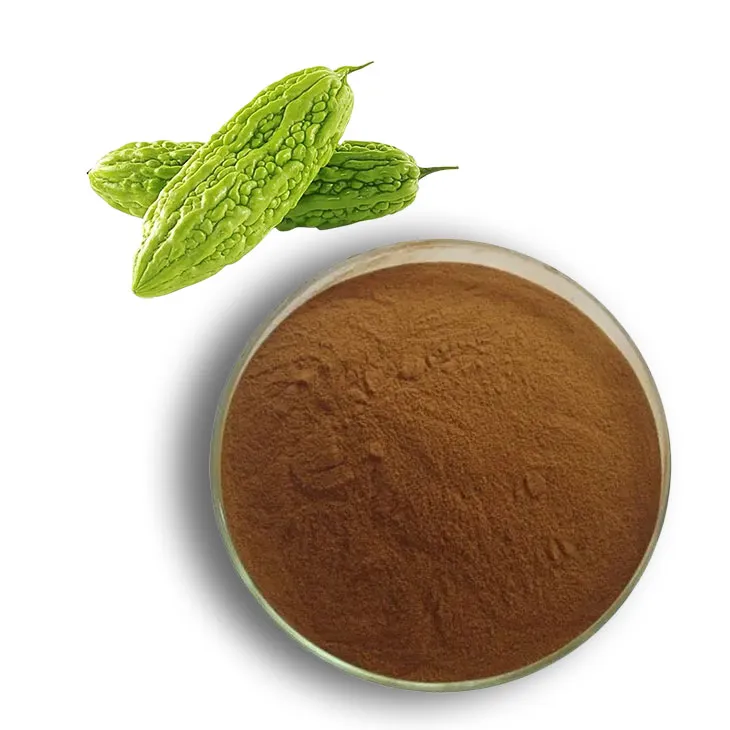
Bitter Melon Extract
2026-08-15
-
Longan Extract
2026-08-15
-
Yellow Pine Extract
2026-08-15
-
Agaricus Blazei Extract
2026-08-15
-
Horse Chestnut Extract
2026-08-15
-
Elderberry Extract
2026-08-15
-
Europen Bilberry Extract
2026-08-15
-
Dan Shen Root Extract/Salvia Root Extract
2026-08-15
-
Scutellaria Extract
2026-08-15
-
5-HTP (5-Hydroxytryptophan)
2026-08-15
