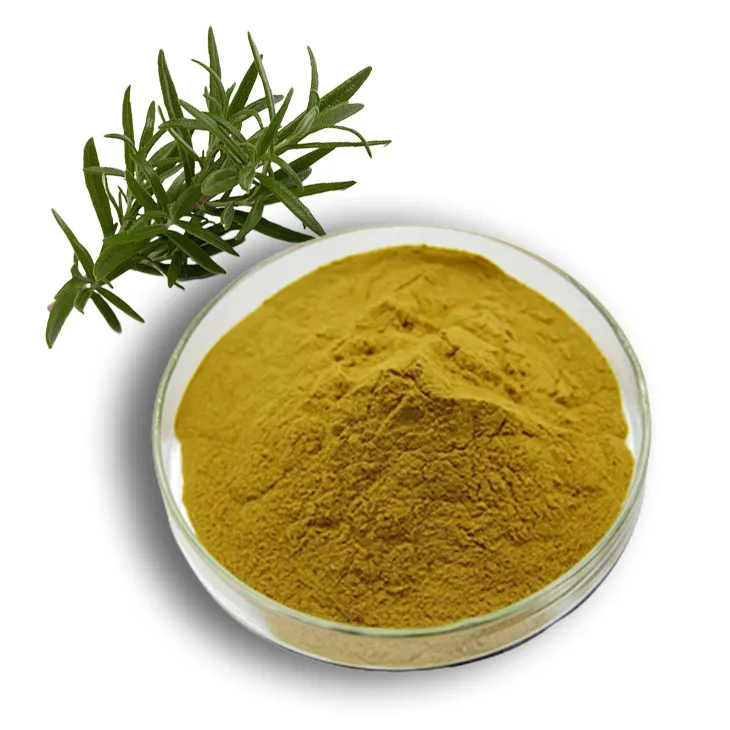
Rosemary has been a kitchen staple for centuries, but once you step behind the scenes of food and supplement manufacturing, the words "Rosemary extract" and "rosemary powder" start to mean two very different things. Both are made from the leaves of Rosmarinus officinalis, yet they are produced, standardized, and used in completely different ways. This article explains what each form actually is, how they compare, and which one fits your product or formulation.
What is rosemary powder?
Rosemary powder is the simplest way to use the herb. It is made by drying the leaves and grinding them into a fine green powder. Because nothing is removed, the powder keeps the whole leaf structure, including its fiber, chlorophyll, and the full mix of natural compounds in their original proportions. That makes it a whole-food ingredient, which is exactly why it is commonly used as a culinary spice in meat rubs, breads, sauces, and seasoning blends.
The trade-off is concentration. The active antioxidant compounds in the leaves only make up a small share of the total dry weight, so getting a meaningful dose of a specific compound from plain powder is not practical. You would need a large amount to reach the same levels a concentrated extract delivers. For cooking, that is fine. For supplement and food-manufacturing use where the goal is a predictable, measurable amount of active ingredients, powder alone is rarely enough.
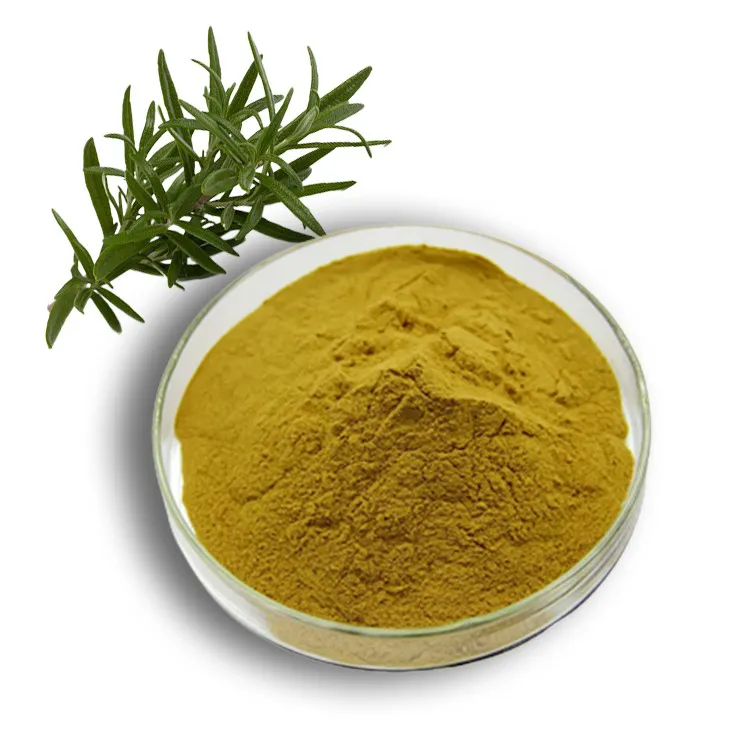
What is Rosemary extract?
Rosemary extract is a concentrated preparation of the active compounds isolated from the leaves, not the whole ground leaf itself. Manufacturers dissolve the dried leaves in a food-grade solvent such as ethanol or acetone, then filter out the plant residue and evaporate the solvent. What remains is a material rich in the antioxidant compounds the plant is prized for, chiefly carnosic acid, carnosol, and rosmarinic acid.
Because the manufacturer controls the whole process, the extract can be standardized. That means every batch is adjusted so the active content falls within a stated range, for example a carnosic acid content of 5%, 20%, or higher. This standardization is the core reason industry buyers choose an extract: they can rely on a consistent, measurable amount of active compounds in every consignment, which is essential for regulatory submissions and for keeping finished products uniform.
In the food industry, rosemary extract is recognized as a natural antioxidant additive in the EU under the number E 392, and it is widely used to slow rancidity in oils, fats, and meat products as a cleaner alternative to synthetic antioxidants such as BHA and BHT.
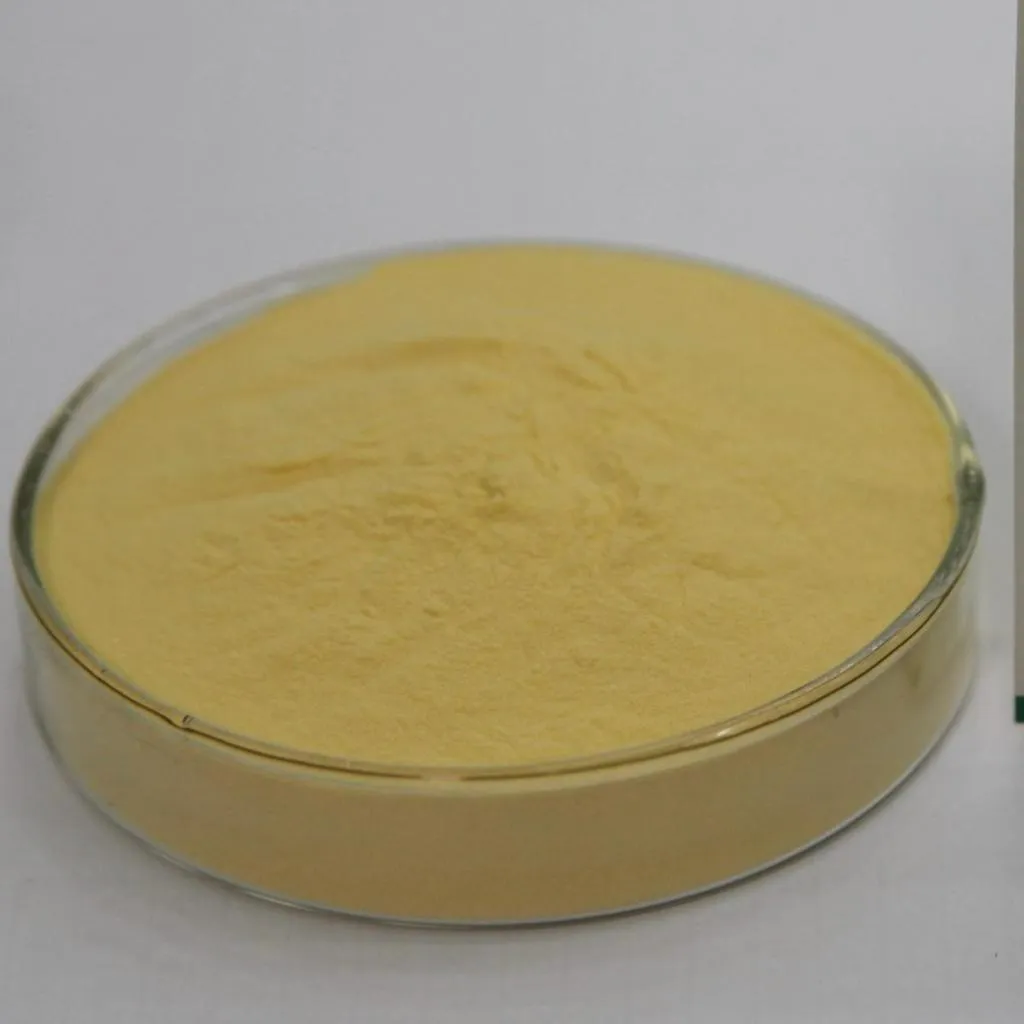
Key differences between rosemary extract and rosemary powder
| Aspect | Rosemary Powder | Rosemary Extract |
|---|---|---|
| Production | Dried, ground whole leaves | Solvent extraction and concentration of active compounds |
| Active compound content | Low, natural, not standardized | High and standardized (e.g. carnosic acid 5%-20%) |
| Other components | Keeps fiber, chlorophyll, and all leaf matter | Removes most fiber and plant residue |
| Typical use | Culinary spice, seasoning, cooking | Food preservation, supplements, cosmetics |
| Dosage control | Difficult to measure active intake | Precise, batch-to-batch consistent |
| Typical form | Fine green powder | Standardized powder or oil-based liquid |
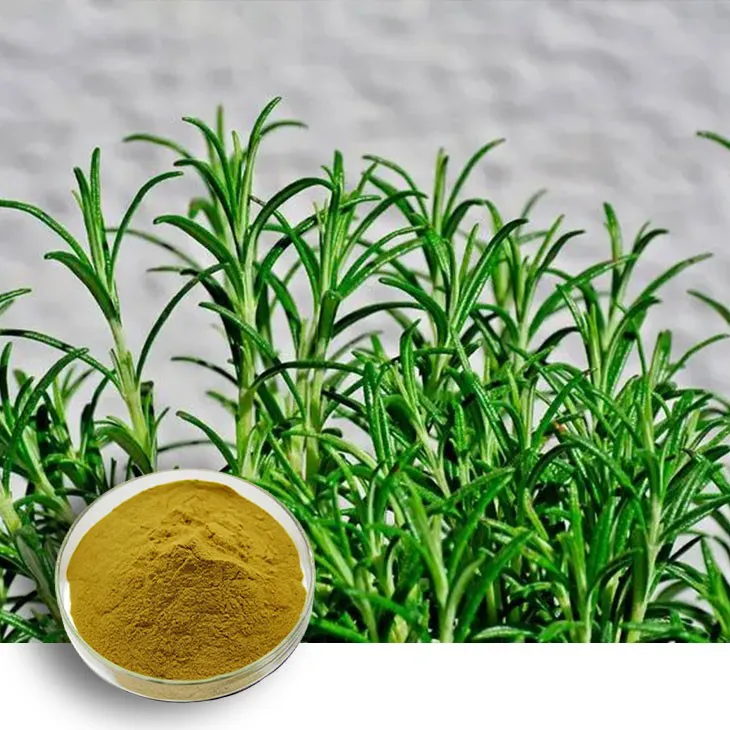
How rosemary extract is produced
The process starts with clean, dried rosemary leaves. These are ground and then extracted with a food-grade solvent, typically ethanol or acetone. The mixture is separated from the spent leaf residue, the solvent is removed under vacuum, and the remaining material is dried and sieved to a fine powder. Depending on the target application, the native extract can then be further concentrated, deodorized, or decolorized so it does not change the taste or appearance of the final product.
A reliable manufacturer verifies every batch in an in-house laboratory, using instruments such as HPLC and UV to confirm the active content meets the agreed specification. Leading producers also hold certifications such as ISO22000, BRCGS, HALAL, and Kosher, and operate clean production areas that meet food-grade requirements.
Which one should you choose?
If you are developing a food product, supplement, or cosmetic formula where you need a known, repeatable amount of active compounds, rosemary extract is the right choice. Its standardization protects your label claims and keeps your finished product consistent from batch to batch. If your goal is simply to add rosemary flavor and color to a dish, ground rosemary powder is the natural, economical option.
The two are not really competing products. They occupy different positions on the same supply chain: powder is the whole herb, while extract is the concentrated active core. Many manufacturers use both, choosing each one for the job it does best.
Choosing a reliable rosemary extract supplier
Because the value of an extract lies in its standardization, the supplier you choose matters as much as the ingredient itself. Look for a manufacturer that runs its own laboratory, publishes clear specifications, and can provide certificates of analysis and export documentation for your regulatory submissions. Greensky Biological Tech. Co., Ltd., a plant extract manufacturer founded in 2004 in Hangzhou, produces rosemary extract with fully documented specifications and batch-level testing. As an experienced rosemary extract supplier, the company supplies food, supplement, and cosmetic customers worldwide with consistent, certifiable product backed by its own HPLC and UV testing.
Whether you need standardized powder for a sports nutrition formula or want to explore the benefits of rosemary leaf extract for your next product line, the practical difference comes down to one question: do you need a consistent, measurable quantity of active compounds? If the answer is yes, an extract is the ingredient you are looking for.
Understanding the difference between rosemary extract and rosemary powder makes sourcing decisions far simpler. Powder gives you the whole herb for flavor and everyday use; extract gives you a standardized, concentrated source of antioxidants for manufacturing. Choose the form that matches your product goals, and partner with a manufacturer that can prove what is in every batch.