- 0086-571-85302990
- [email protected]




What is resveratrol and where does it come from?
2026-08-19
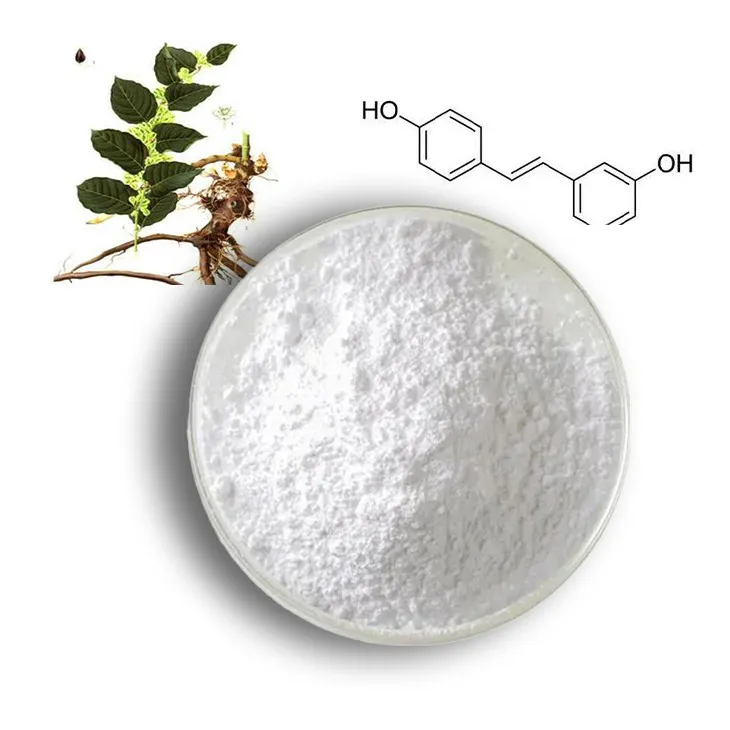
Resveratrol is a natural plant polyphenol, chemically known as 3,5,4’-trihydroxystilbene. It belongs to a group of compounds called stilbenes and acts as a phytoalexin, meaning a plant produces it as a defense when it is attacked by bacteria or fungi. In simple terms, resveratrol is a botanical stress-response molecule that helps plants protect themselves, and researchers have found that it may offer similar antioxidant activity when consumed by humans.
The compound comes in two structural forms, known as trans-resveratrol and cis-resveratrol. The trans form is the biologically active version and is the one most studied and most commonly standardized in supplements and raw materials.
Resveratrol occurs naturally in a range of plants, but its concentration varies widely depending on the source. The most important natural sources are listed below.
- Red grapes and grape skins — the most famous source, which is why red wine contains noticeable amounts of resveratrol.
- Japanese knotweed (hu zhang) — the roots and stalks of this plant, also called Polygonum cuspidatum, are among the most concentrated commercial sources.
- Berries — blueberries, bilberries, cranberries, raspberries and mulberries all carry small amounts.
- Peanuts — including peanut butter and boiled peanuts, which hold a surprisingly high amount per serving.
- Other plants — certain vines, plums and some pine species also produce it in smaller quantities.
Because the amount found in food is relatively low, commercial raw materials such as resveratrol bulk powder are usually extracted from concentrated sources like Japanese knotweed or grape skins to reach standardized, meaningful levels.
Resveratrol has a long record of use. Plants rich in the compound, such as knotweed, have been used in traditional Chinese medicine for centuries, and related botanicals appear in India’s Ayurvedic tradition as well. The pure compound was first isolated in the 1940s from a plant called white hellebore.
Modern interest exploded in the early 1990s with the so-called “French paradox” — the observation that people in southern France have a relatively low rate of heart disease despite a diet rich in saturated fats and red wine. Researchers suggested that the resveratrol in red wine might be one explanation, and that idea still drives much of the public curiosity about the compound today.
The natural source determines both the purity and the consistency of any resveratrol raw material. Some striking examples show how much content can vary:
- Ordinary red wine typically contains only about 0.2 to 5.8 mg of resveratrol per liter.
- Muscadine grape wines can reach more than 40 mg per liter, because those grapes contain far more resveratrol in their skins and seeds.
- Concentrated extracts from Japanese knotweed and grape skins deliver much higher, more consistent levels than any food or beverage.
This is why brands and formulators care so much about choosing the right supplier. A resveratrol manufacturer with strict quality control and standardized extraction can deliver exactly the compound level a finished product promises on its label.
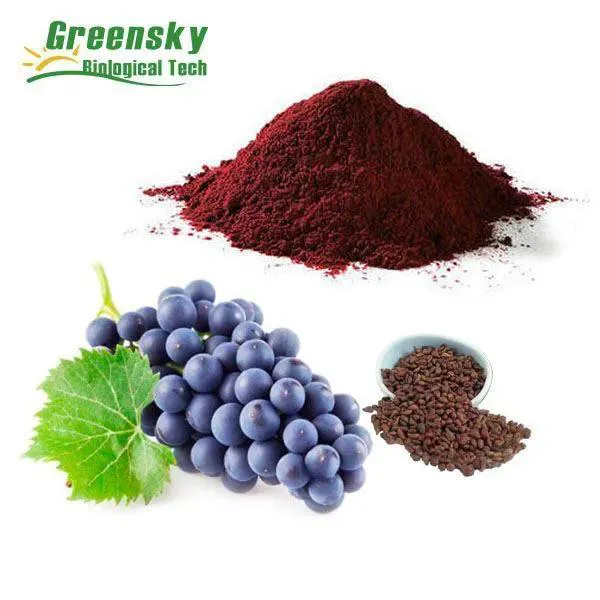
A common question is how resveratrol stacks up against Grape Seed Extract, since both come from grapes. They actually work through different compounds. Grape Seed Extract is rich in a family of antioxidants called proanthocyanidins (OPCs), while resveratrol is a separate stilbene polyphenol found mainly in the skin. Some formulations combine the two, and the choice usually depends on the target benefit. If you are weighing resveratrol vs grape seed extract for your product line, comparing standardized content and intended use will make the decision clear.
Whether you are a consumer choosing a finished formula or a brand sourcing ingredients, these points matter most:
- Standardized content — the label should state the actual percentage of resveratrol, not just claim an “extract.”
- Verified source — confirm whether it comes from Japanese knotweed, grape skins or another botanical.
- Quality certifications — look for manufacturing facilities with food-grade and quality-system certifications.
- Third-party testing — independent laboratory results give confidence in purity and batch consistency.
For businesses that need a reliable supply of resveratrol, working directly with a professional manufacturer makes a real difference. Hangzhou Greensky Biological Tech. Co., Ltd. is a dedicated producer of natural plant extracts with more than twenty years of experience, its own independent laboratory equipped with GC, HPLC and UV instruments, and a 100,000-class clean production area. Its resveratrol extract follows rigorous food-grade standards, supported by certifications that help global brands with regulatory documentation. To compare specifications and place inquiries, visit the company’s product catalog or contact the sales team directly.
Knowing what resveratrol is and where it comes from is the first step to making a well-informed choice — whether at the store shelf or the sourcing table. With a clear view of sources, standardization and supplier quality, you can confidently select a resveratrol material that truly matches your needs.
TAGS:
- ▶ Hesperidin
- ▶ Citrus Bioflavonoids
- ▶ Plant Extract
- ▶ lycopene
- ▶ Diosmin
- ▶ Grape seed extract
- ▶ Sea buckthorn Juice Powder
- ▶ Fruit Juice Powder
- ▶ Hops Extract
- ▶ Artichoke Extract
- ▶ Mushroom extract
- ▶ Astaxanthin
- ▶ Green Tea Extract
- ▶ Curcumin
- ▶ Horse Chestnut Extract
- ▶ Other Product
- ▶ Boswellia Serrata Extract
- ▶ Resveratrol
- ▶ Marigold Extract
- ▶ Grape Leaf Extract
- ▶ New Product
- ▶ Aminolevulinic acid
- ▶ Cranberry Extract
- ▶ Red Yeast Rice
- ▶ Red Wine Extract
- ▶ blog
-
Citrus bioflavonoids
2026-08-19
-
Konjac Powder
2026-08-19
-
Cat Claw Extract
2026-08-19
-
Gamma-Aminobutyric Acid
2026-08-19
-
Mango flavored powder
2026-08-19
-
5-HTP (5-Hydroxytryptophan)
2026-08-19
-
Grape Seed Extract
2026-08-19
-
Tongkat Ali Extract
2026-08-19
-
Bilberry Extract
2026-08-19
-
Lily extract
2026-08-19