- 0086-571-85302990
- [email protected]






What is edible rosemary extract and how is it used in food?
2026-08-13
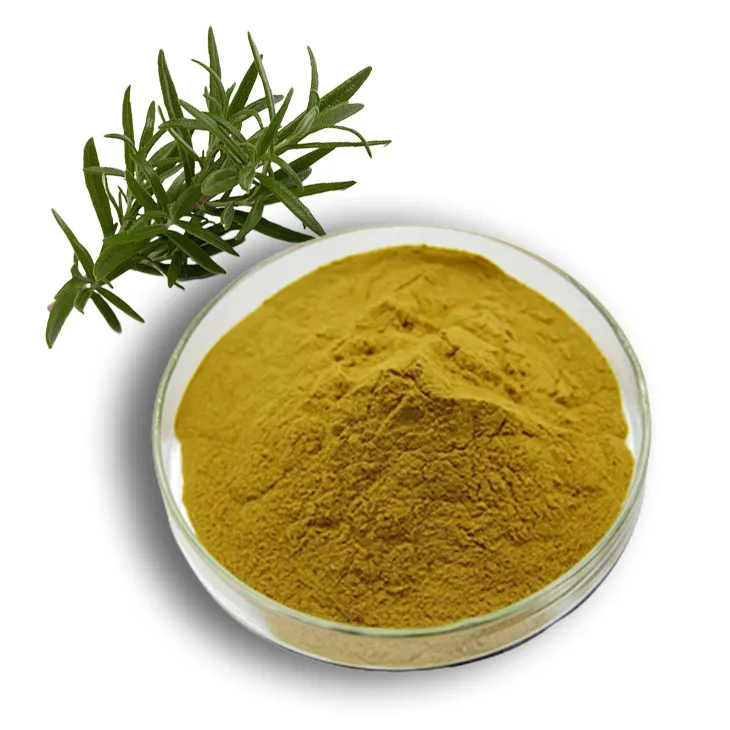
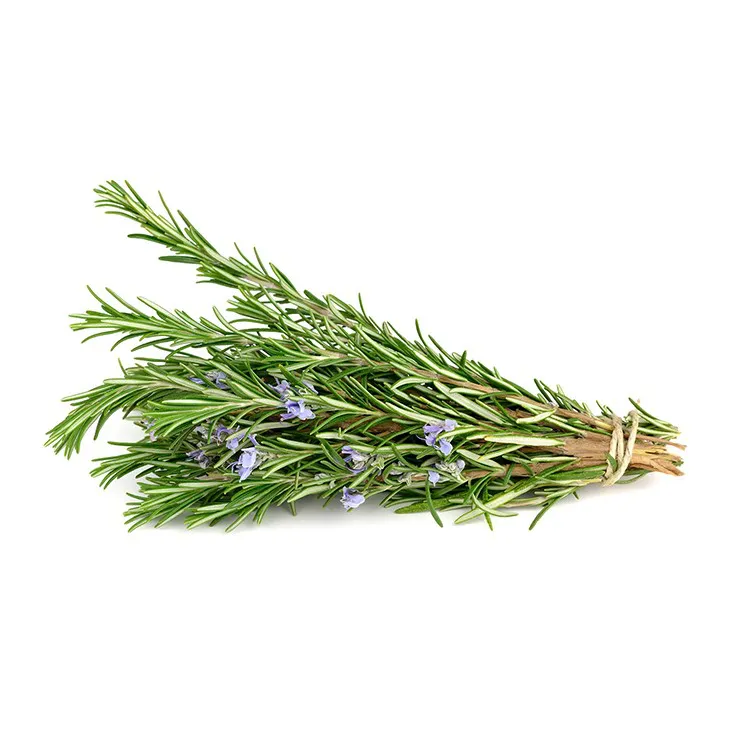
Rosemary has been a kitchen staple for centuries, but the dried herb is only part of the story. When the leaves of Rosmarinus officinalis are processed into a concentrated edible rosemary extract, the result is a versatile ingredient that does far more than season a roast. It protects fats from going rancid, extends shelf life and supports clean-label claims, which is why food manufacturers increasingly turn to it as a natural alternative to synthetic additives.
What is edible Rosemary extract?
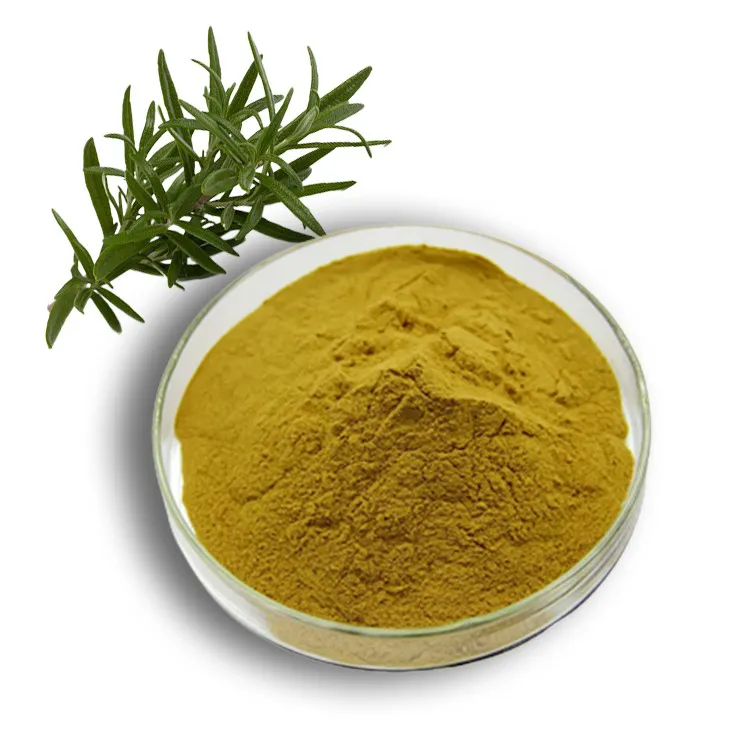
Edible Rosemary extract is a concentrated preparation made from the dried leaves of the rosemary plant using food-grade solvents such as ethanol, acetone or supercritical carbon dioxide. After extraction, the liquid is filtered, concentrated and often dried into a fine powder. What makes the extract valuable is not the herb itself but a small group of phenolic compounds it contains in unusually high amounts. In the European food-additive system, this standardized antioxidant is known as E392, or "extracts of rosemary," which distinguishes it from culinary rosemary, essential oil or a simple herbal infusion.
The active compounds behind the antioxidant power
The antioxidant activity of Rosemary extract comes mainly from two phenolic diterpenes. Carnosic acid is the most abundant and most potent of the two, acting as a chain-breaking antioxidant that donates hydrogen to lipid radicals and halts the oxidation cascade. Carnosol, which forms largely as carnosic acid degrades during processing and storage, is itself an effective antioxidant, so the two are often reported together as total diterpene activity. A water-soluble phenolic acid called rosmarinic acid also contributes, particularly in water-soluble grades. For fat-phase protection, the carnosic acid content is the number that matters most, and it is the figure serious buyers hold a supplier to.
Why it replaces synthetic antioxidants like BHA and BHT
For decades, the cheapest way to keep fats from turning rancid was a few hundred parts per million of a synthetic antioxidant such as BHA (E320) or BHT (E321). These compounds work well and cost almost nothing, but today's shoppers increasingly read their E-numbers as something to avoid. As "no artificial additives" moved from a niche claim to a mainstream retail requirement, food manufacturers needed a natural antioxidant that could carry the load. Rosemary extract fills that gap because, gram for gram of active diterpene, it delivers genuinely competitive oxidative stability in fats and oils. The trade-off is that a natural extract is typically used at a higher inclusion level than a synthetic one and must be matched to the food matrix.
Forms of rosemary extract and how to choose
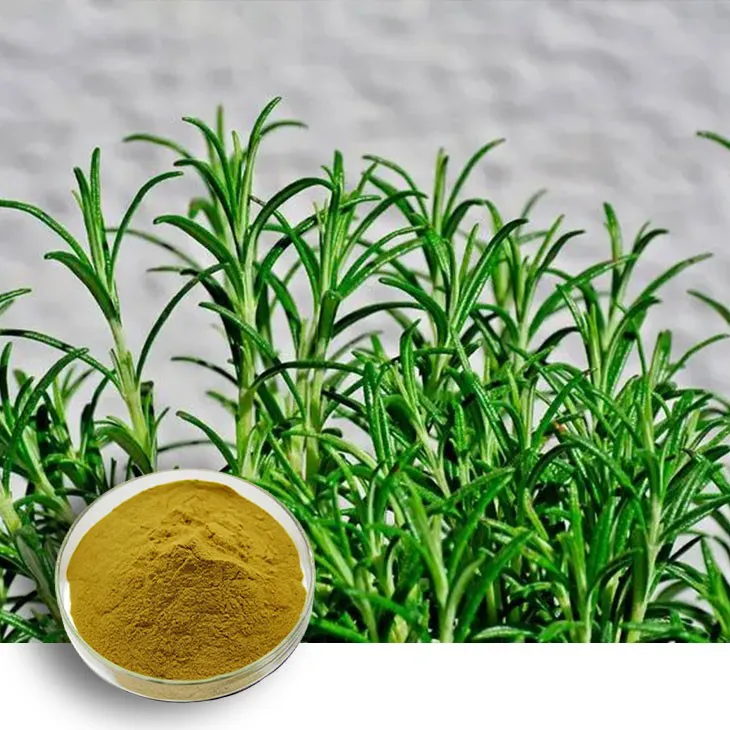
The most common sourcing mistake is ordering the wrong form of rosemary extract. The active diterpenes are fat-loving, so a raw extract naturally suits oils, but much of the food industry works with water-based or dry systems. Choosing the right form is therefore essential.
Oil-soluble rosemary extract
This is the native form, where carnosic acid and carnosol are dispersed in an edible oil carrier such as sunflower or rapeseed oil. It is the workhorse for frying oils, blended cooking oils, shortenings, margarine and highly oxidation-prone fish oil and omega-3 oils. Oil-soluble grades are specified by their carnosic acid percentage in the finished liquid.
Water-soluble rosemary extract
Here the antioxidant is formulated with an emulsifier or polar carrier so it disperses into water-continuous systems. This grade targets processed and emulsified meat such as sausages, marinades and brines, as well as beverages, sauces, dressings and dairy. Water-soluble grades also tend to carry more of the water-soluble rosmarinic acid alongside the diterpenes.
Powder and spray-dried rosemary extract
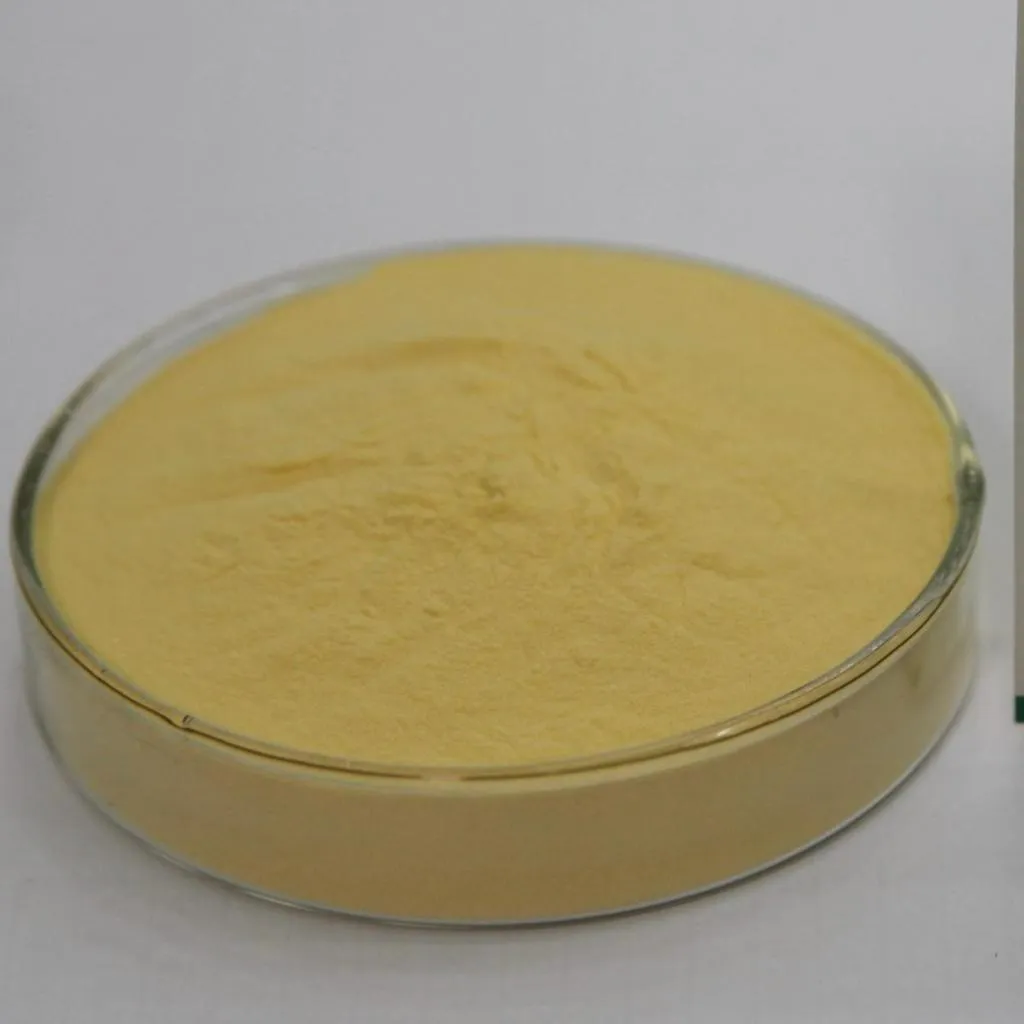
A dry, free-flowing powder, usually spray-dried onto a carrier such as maltodextrin, is built for dry-blend applications. It suits seasoning and spice blends, dry mixes, bouillon and dry pet food, where a liquid antioxidant cannot be dosed cleanly.
Deodorised and decolourised grades
Native rosemary extract is aromatic, bitter and dark green-brown, which is fine in a herbed sausage but unacceptable in a neutral frying oil or a light-coloured snack. Deodorised grades have the volatile aroma stripped, and decolourised grades have the green and brown colour reduced. A fully deodorised and decolourised grade lets the antioxidant work invisibly, with no flavour, no colour and just oxidative stability.
How edible rosemary extract is used in food
Edible rosemary extract is used across a wide range of food categories to delay oxidation and extend shelf life. In meat and poultry, it helps keep colour and flavour stable in sausages, marinades and injected products. In edible oils, fats and fried foods, it protects frying oil and finished snacks from rancidity. In snacks, bakery and seasonings, it preserves freshness in dry and fat-continuous products, and it is equally valuable in pet food, where it protects the fats in kibble and treats. Because the extract is dosed against an oxidation target rather than a flavour target, manufacturers typically measure its effect through an induction-time improvement, such as a Rancimat or OSI test, rather than by taste alone.
What to look for when sourcing rosemary extract
A credible supplier provides a per-batch certificate of analysis that states the carnosic acid content, the carrier identity, residual solvent, heavy metals and microbiology. When comparing suppliers, it is more useful to compare the cost per unit of carnosic acid than the headline price per kilogram, because a higher-strength grade is dosed at a lower rate. It also pays to confirm that the extract is produced under food-grade conditions and backed by reliable documentation for regulatory submissions.
Greensky, a Hangzhou-based specialist in natural plant extracts, supplies rosemary extract alongside a large catalog of botanical ingredients. With over two decades of experience, full vertical integration from research to production, a 100,000-class clean production area and an independent laboratory equipped with GC and HPLC, the company can provide standardized rosemary extract with reliable documentation for food, beverage, supplement and cosmetic applications. As a rosemary extract supplier, Greensky supports global customers with consistent quality and export-ready paperwork. To request a specification or discuss your application, contact the Greensky team directly.
TAGS:
- ▶ Hesperidin
- ▶ Citrus Bioflavonoids
- ▶ Plant Extract
- ▶ lycopene
- ▶ Diosmin
- ▶ Grape seed extract
- ▶ Sea buckthorn Juice Powder
- ▶ Fruit Juice Powder
- ▶ Hops Extract
- ▶ Artichoke Extract
- ▶ Mushroom extract
- ▶ Astaxanthin
- ▶ Green Tea Extract
- ▶ Curcumin
- ▶ Horse Chestnut Extract
- ▶ Other Product
- ▶ Boswellia Serrata Extract
- ▶ Resveratrol
- ▶ Marigold Extract
- ▶ Grape Leaf Extract
- ▶ New Product
- ▶ Aminolevulinic acid
- ▶ Cranberry Extract
- ▶ Red Yeast Rice
- ▶ Red Wine Extract
- ▶ blog
-
Buckthorn bark extract
2026-08-13
-
Phosphatidylserine
2026-08-13
-
Tinospora cordifolia extract
2026-08-13
-
Giant Knotweed Extract
2026-08-13
-
Baobab Fruit Extract
2026-08-13
-
Chia Seed Powder
2026-08-13
-
Golden Seal Extract
2026-08-13
-
Saffron Extract Powder
2026-08-13
-
Fig Extract
2026-08-13
-
Rosemary extract
2026-08-13
