- 0086-571-85302990
- [email protected]






What is a rosmarinic acid supplement and what are its benefits?
2026-08-13
Rosmarinic acid is a natural polyphenolic compound found in a number of common herbs, most notably rosemary, but also lemon balm, sage, mint, oregano, and basil. It is one of the key active components that gives these plants their protective qualities, and it has drawn steady interest in the food, cosmetic, and dietary supplement industries. For buyers who are evaluating botanical ingredients, a rosmarinic acid supplement is essentially a concentrated preparation standardized to deliver a measured amount of this compound, usually sourced from high-quality rosemary or Lemon Balm Extract.
Understanding what a rosmarinic acid supplement contains is the first step. Because the compound is extracted from plant material rather than synthesized in a single pure form in most commercial settings, the finished product is typically standardized to a target assay, such as 5% or 10% rosmarinic acid. The assay is confirmed by laboratory analysis and recorded on a certificate of analysis, so buyers can verify that every batch delivers a consistent level of the active marker. This standardization is what separates a reliable supplement from a plant powder whose content can vary from harvest to harvest.
The most widely recognized benefit of rosmarinic acid is its antioxidant activity. Like many polyphenols, it helps neutralize free radicals, which are unstable molecules that can damage cells and contribute to oxidative stress over time. For this reason, rosmarinic acid is often included in supplements designed to support general wellness, healthy aging, and cellular protection. Dietary sources rich in this compound are also used in food preservation because their antioxidant properties can slow the oxidation that leads to rancidity and loss of freshness.
Alongside its antioxidant role, rosmarinic acid is well known for its anti-inflammatory properties. Research has shown that it can help modulate inflammatory responses in the body, which is why it has been studied in connection with joint comfort, respiratory comfort, and skin conditions. In the extract form, it is also a popular ingredient in topical and cosmetic products aimed at soothing the skin and supporting a calm, even complexion. These effects are why rosemary and Lemon Balm Extracts appear so frequently in wellness and personal care formulations.
Beyond these core benefits, rosmarinic acid has been the subject of growing interest in areas such as cognitive support and seasonal allergy comfort. Some studies have explored its potential to support memory and focus, as well as its ability to help manage the effects of seasonal allergies when taken regularly. It has also shown antimicrobial activity in laboratory settings. While much of this research is still developing, the combination of antioxidant, anti-inflammatory, and neuroprotective properties makes rosmarinic acid a versatile ingredient for functional foods and supplements.
When procuring a rosmarinic acid supplement for a finished product, several practical factors matter. The first is the source material, because rosemary and lemon balm are the most common and reliable botanical origins. The second is the stated assay and the analytical method used to verify it, ideally high-performance liquid chromatography. The third is the supplier's quality system, including certifications, laboratory testing, and documentation for regulatory submissions. A supplier with in-house research, production, and testing can provide far more consistent material than one that simply resells bulk extracts.
For companies that need a dependable source, working with an experienced manufacturer is the most straightforward route. A rosemary extract supplier with vertical integration can standardize the rosmarinic acid content, run laboratory testing, and supply the full documentation needed for compliance. Greensky, for example, is a seasoned plant extract supplier with over twenty years of experience, offering plant extracts such as Rosemary extract and lemon balm extract standardized to meet the exact assay your formulation requires.
- ▶ Hesperidin
- ▶ Citrus Bioflavonoids
- ▶ Plant Extract
- ▶ lycopene
- ▶ Diosmin
- ▶ Grape seed extract
- ▶ Sea buckthorn Juice Powder
- ▶ Fruit Juice Powder
- ▶ Hops Extract
- ▶ Artichoke Extract
- ▶ Mushroom extract
- ▶ Astaxanthin
- ▶ Green Tea Extract
- ▶ Curcumin
- ▶ Horse Chestnut Extract
- ▶ Other Product
- ▶ Boswellia Serrata Extract
- ▶ Resveratrol
- ▶ Marigold Extract
- ▶ Grape Leaf Extract
- ▶ New Product
- ▶ Aminolevulinic acid
- ▶ Cranberry Extract
- ▶ Red Yeast Rice
- ▶ Red Wine Extract
- ▶ blog
-
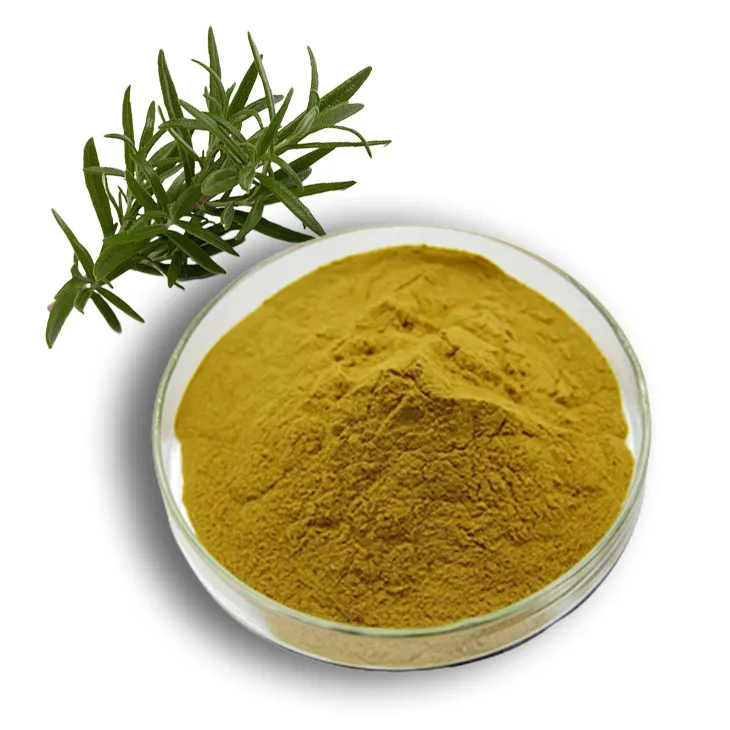
Rosemary extract
2026-08-13
-
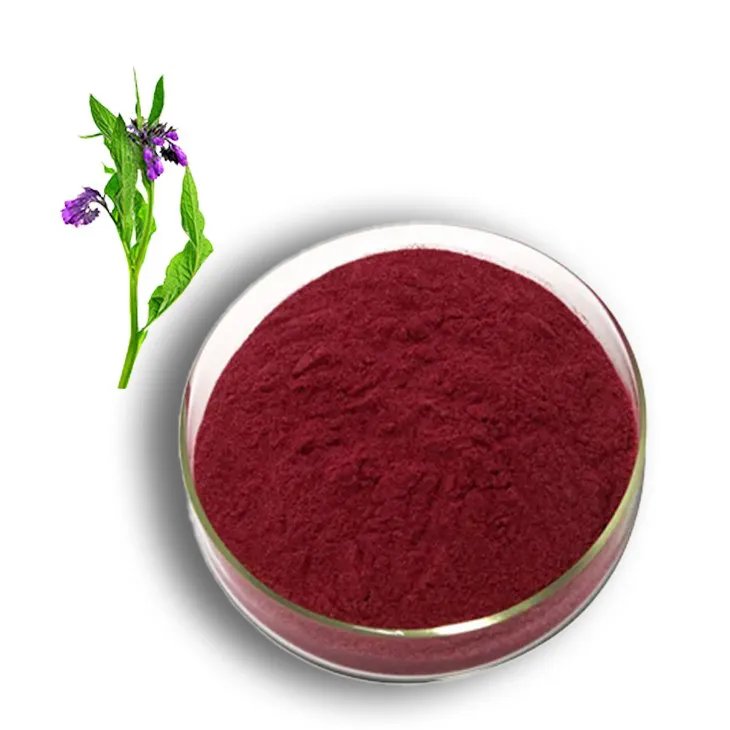
Shikone Extract
2026-08-13
-
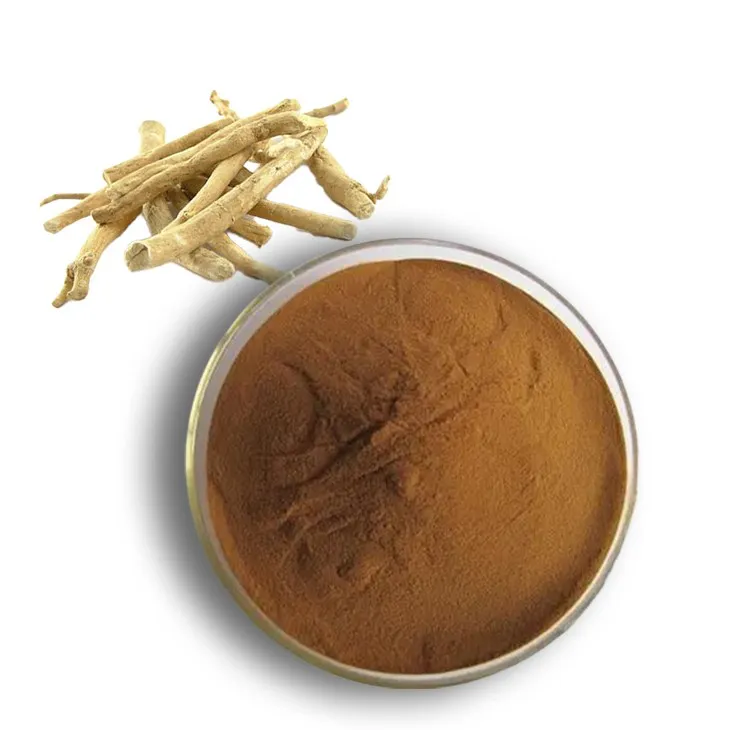
Withania Somnifera Extract
2026-08-13
-
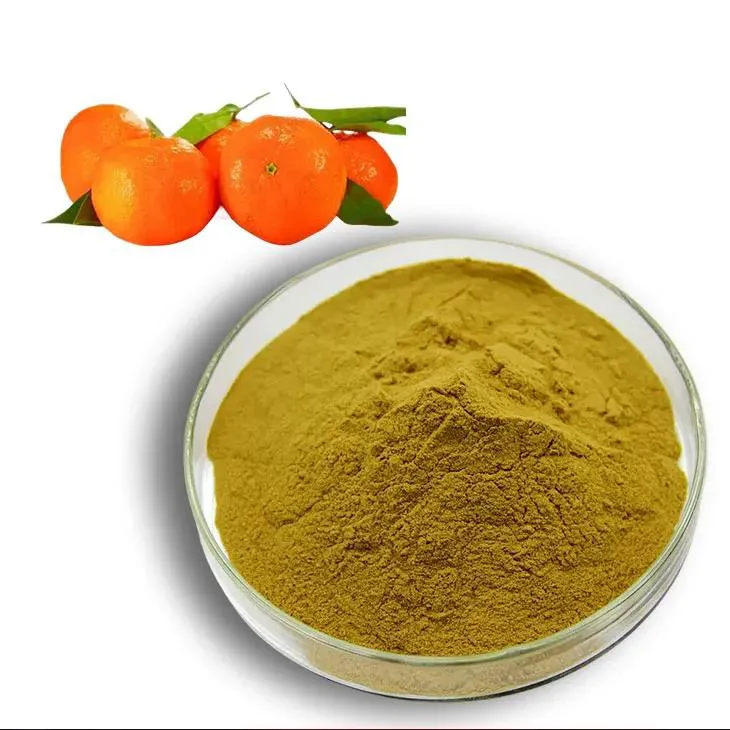
Citrus bioflavonoids
2026-08-13
-
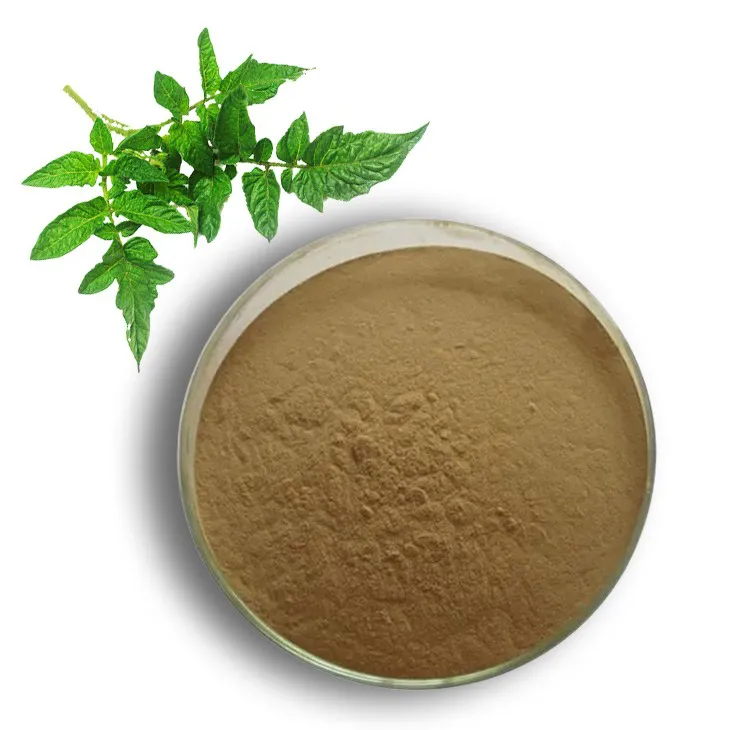
Senna Leaf Extract
2026-08-13
-
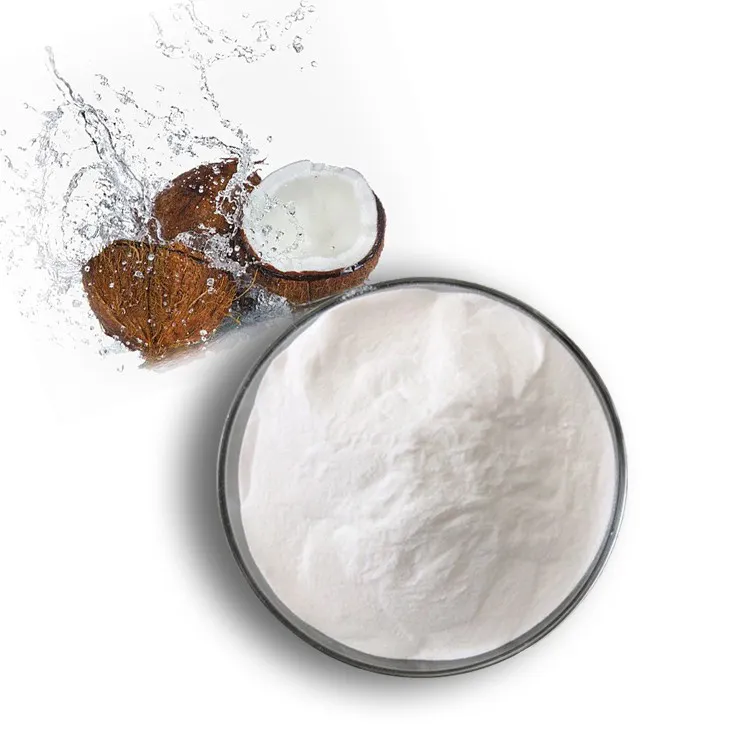
Coconut Water Powder
2026-08-13
-
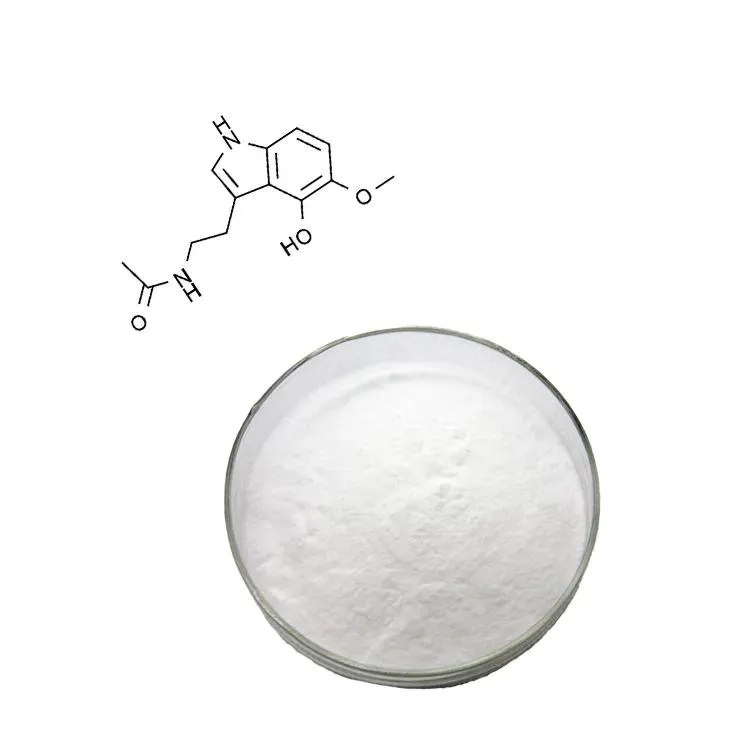
melatonin
2026-08-13
-
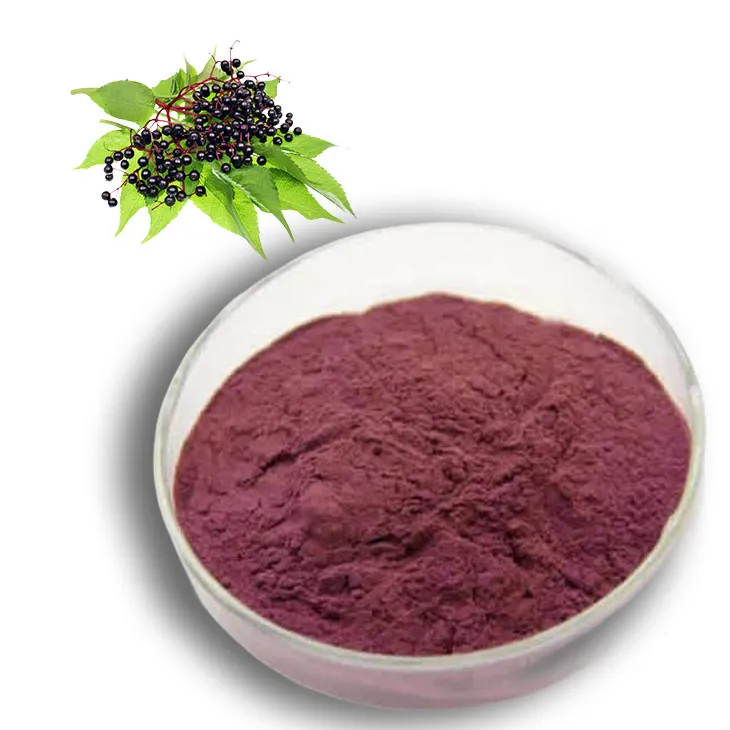
Elderberry Extract
2026-08-13
-
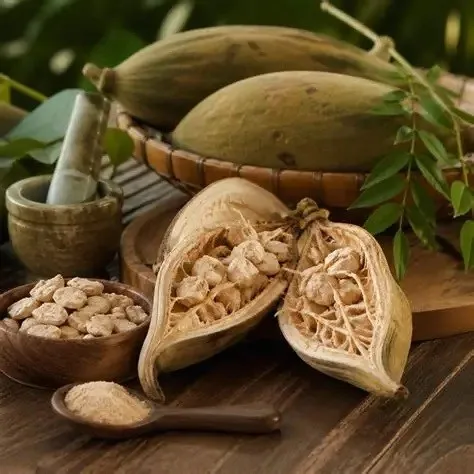
Baobab Fruit Extract
2026-08-13
-
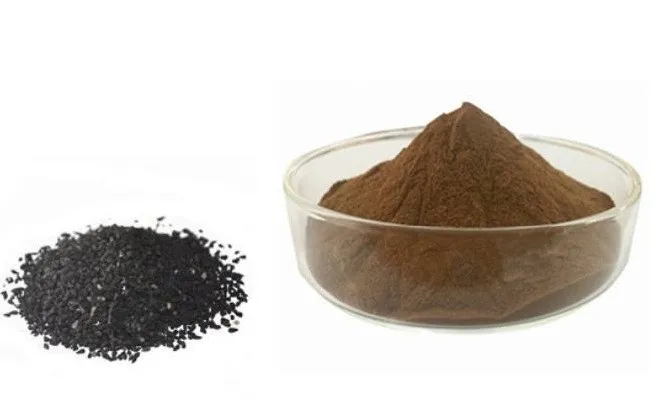
Black Seed Extract
2026-08-13
