- 0086-571-85302990
- [email protected]






What dosage of grape seed extract capsules is commonly used?
2026-08-17
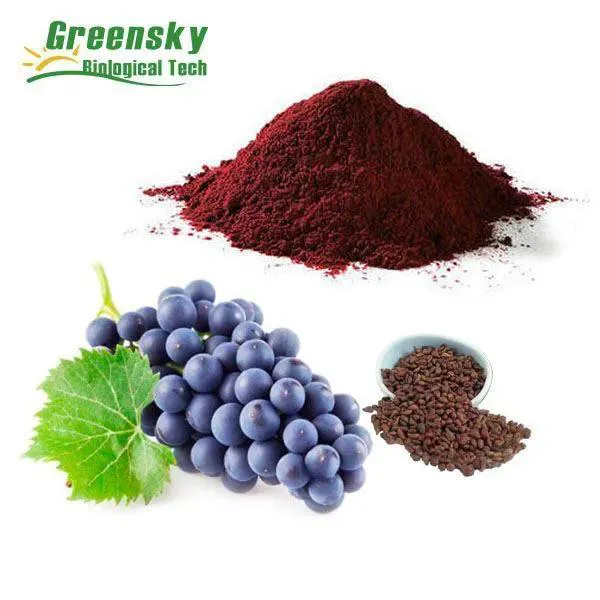
Grape Seed Extract capsules are one of the most popular antioxidant supplements on the market, prized for their concentrated supply of proanthocyanidins. But if you have just picked up a bottle, the label can be confusing: some products suggest one capsule a day, others two or three, and the milligram amounts vary widely. So what dosage of Grape Seed Extract capsules is commonly used, and how do you choose the amount that actually makes sense for your goals?
The short answer is that most studies and supplement labels settle on a daily range of 150 to 300 mg of standardized Grape Seed Extract for general antioxidant and vascular support. For people using it to support healthy blood pressure, clinical trials more often use 200 to 400 mg per day, usually divided into one or two doses. Understanding why these ranges exist, and what the numbers on the label actually mean, will help you use grape seed extract capsules sensibly.
Why dosage depends on standardization
The active compounds in grape seed extract are oligomeric proanthocyanidins, or OPCs, which act as powerful antioxidants that help fight oxidative stress and support cardiovascular health. The key detail on any label is not just the total milligrams of extract, but the percentage of proanthocyanidins the extract is standardized to deliver. Many quality products are standardized to 80% to 95% proanthocyanidins, and this is the figure that determines how much active ingredient you are actually getting.
This is why a 300 mg capsule from one brand is not necessarily the same as a 300 mg capsule from another. A lower-strength extract may need a higher milligram dose to deliver the same amount of OPCs, while a highly concentrated extract can achieve the same effect with fewer milligrams. When you compare products, look for the standardized OPC percentage rather than comparing raw milligram numbers alone.
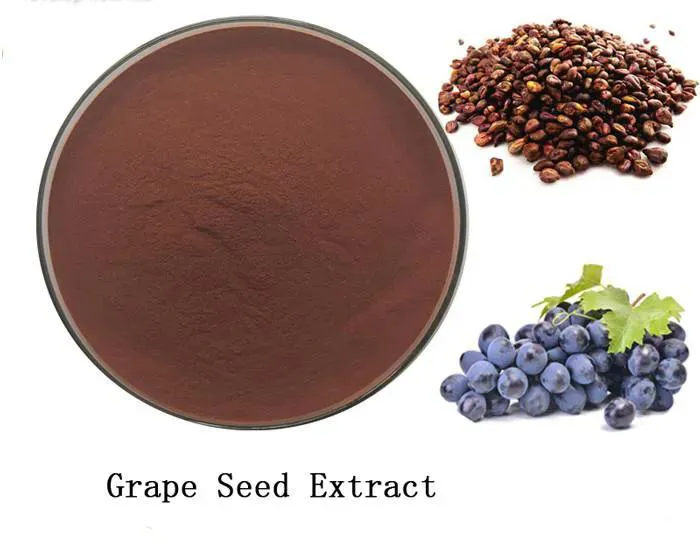
Common dosage ranges by goal
Dosage recommendations generally fall into a few practical ranges depending on what you are taking grape seed extract for:
- General antioxidant support: 100 to 200 mg per day of a standardized extract is a common starting point for everyday antioxidant protection.
- Vascular and cardiovascular support: 150 to 300 mg per day is the range most frequently used in human trials for circulation and vein-related support.
- Blood pressure support: 200 to 400 mg per day, taken for 8 to 16 weeks, has been the most common protocol in studies of healthy adults with borderline-high blood pressure.
Some studies have explored higher amounts, such as 600 to 800 mg per day for short periods, and one safety study used 1,000 to 2,500 mg per day for four weeks without major laboratory concerns in healthy adults. However, there is no evidence that very high doses work better, and routine intakes above 400 to 600 mg per day may simply increase the chance of stomach upset without adding benefit.
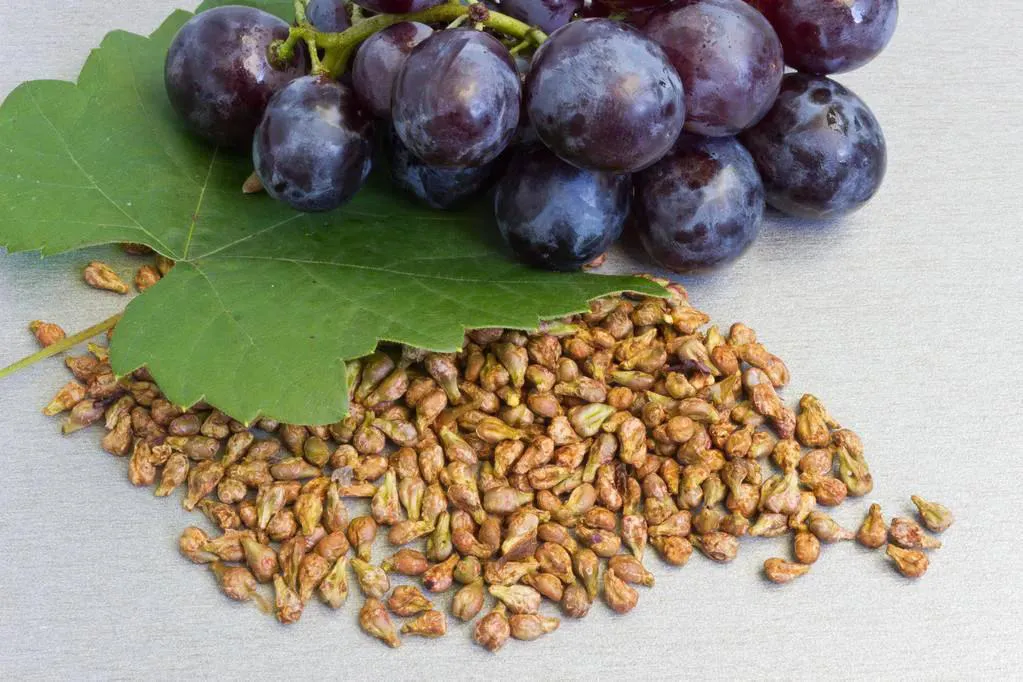
How to start taking grape seed extract capsules
If you are new to grape seed extract, a gradual approach is the most sensible:
- Start low. Begin with 100 to 150 mg once daily with food for the first few days to check tolerance.
- Titrate gradually. If needed, increase to 200 to 300 mg per day, taken once daily or split into two doses.
- Give it time. Allow 8 to 12 weeks of consistent daily use before judging whether the product is working for you.
- Take it with meals. Taking capsules with food can reduce stomach upset and may help with absorption of the polyphenols.
If you also take iron supplements, separate them from grape seed extract by at least two hours, because the polyphenols can bind to iron in the digestive tract and reduce its absorption.
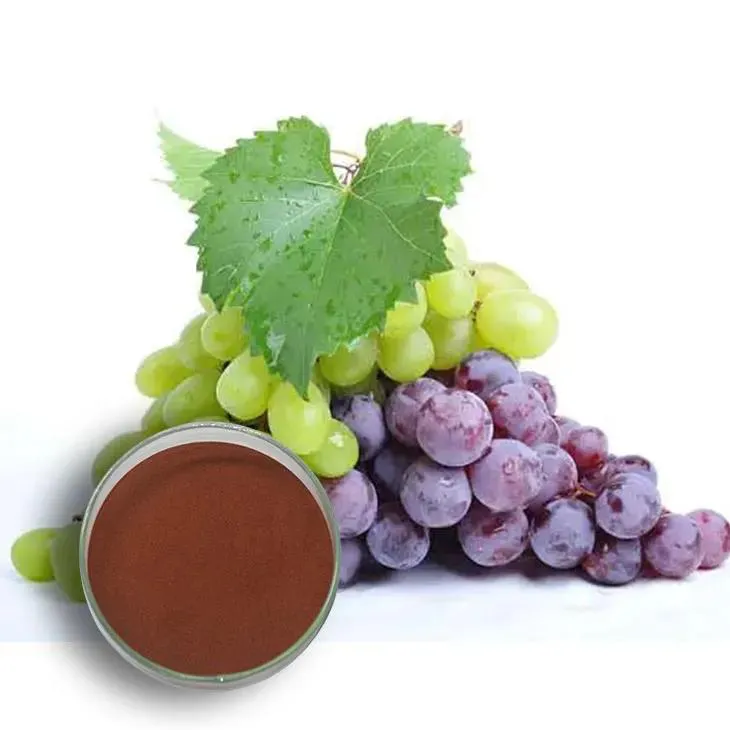
Safety and who should be cautious
Grape seed extract is generally well tolerated at the commonly used doses, but a few groups should be careful. Because it can modestly lower blood pressure and influence platelet function, anyone taking blood pressure medication or anticoagulant and antiplatelet drugs such as warfarin, clopidogrel, or aspirin should talk to a doctor before adding it. Pregnant and breastfeeding women, and anyone scheduled for surgery, should also check with their clinician first. If you notice dizziness, unusual bruising, or persistent stomach upset, reduce the dose or stop and discuss it with a healthcare professional.
Choosing a quality product matters as much as the dose
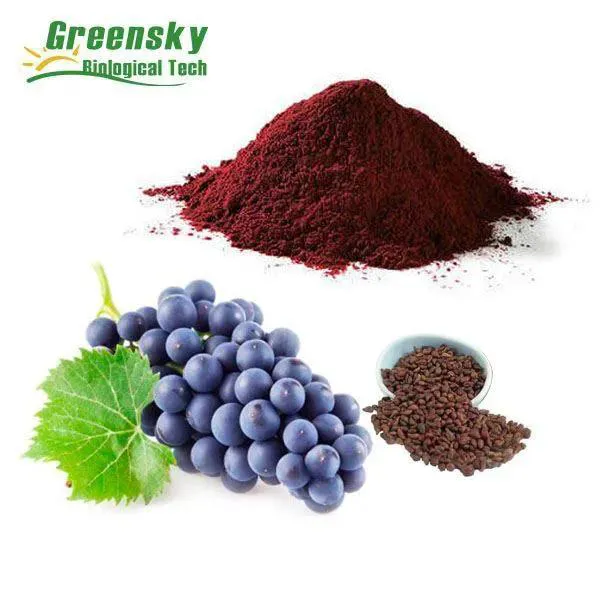
Because the strength of the extract varies so much between brands, the quality and standardization of your grape seed extract capsules matter as much as the milligram amount. Look for products that clearly state the OPC percentage, disclose their testing methods, and come from a supplier with transparent sourcing. For manufacturers and brands looking for a reliable raw material, working directly with experienced grape seed extract manufacturers who can provide consistent, standardized extract and documentation for regulatory submissions is a practical way to ensure every batch of grape seed extract supplements meets the same standard.
Hangzhou Greensky Biological Tech. Co., Ltd., a professional manufacturer of natural plant extracts founded in 2004, produces grape seed extract rich in proanthocyanidins for fighting oxidative stress and promoting cardiovascular health. With a 100,000-class clean production area, an independent laboratory equipped with GC, HPLC, and UV instruments, and certifications including ISO22000, BRCGS, HALAL, and Kosher, Greensky supplies standardized plant extracts to markets in Europe, the United States, South Korea, and Russia.
In short, the commonly used dosage of grape seed extract capsules is 150 to 300 mg per day of a standardized extract for general support, and up to 400 mg per day for blood pressure-related goals. Start low, take it consistently with food, and choose a well-standardized product from a trustworthy source. As with any supplement, it works best as part of a healthy diet and lifestyle, not as a replacement for medical care.
TAGS:
- ▶ Hesperidin
- ▶ Citrus Bioflavonoids
- ▶ Plant Extract
- ▶ lycopene
- ▶ Diosmin
- ▶ Grape seed extract
- ▶ Sea buckthorn Juice Powder
- ▶ Fruit Juice Powder
- ▶ Hops Extract
- ▶ Artichoke Extract
- ▶ Mushroom extract
- ▶ Astaxanthin
- ▶ Green Tea Extract
- ▶ Curcumin
- ▶ Horse Chestnut Extract
- ▶ Other Product
- ▶ Boswellia Serrata Extract
- ▶ Resveratrol
- ▶ Marigold Extract
- ▶ Grape Leaf Extract
- ▶ New Product
- ▶ Aminolevulinic acid
- ▶ Cranberry Extract
- ▶ Red Yeast Rice
- ▶ Red Wine Extract
- ▶ blog
-
Almond Extract Powder
2026-08-17
-
Phosphatidylserine
2026-08-17
-
Rose Hip Extract
2026-08-17
-
Echinacea Extract
2026-08-17
-
Diosmin
2026-08-17
-
Nettle leaf extract
2026-08-17
-
5-HTP (5-Hydroxytryptophan)
2026-08-17
-
Milk Thistle Extract
2026-08-17
-
Buckthorn bark extract
2026-08-17
-
Nattokinase
2026-08-17
